
Kids Water Bottle Spec Sheet: How Should I Read Eight To Twelve Ounce Capacities, Straw Lids, And Dishwasher Claims?
Parents hate leaking school bags. Retailers hate returns. I stop both issues by checking capacity, straw parts, and cleaning claims before I buy.
I use eight to twelve ounces as the core kids bottle range1. I treat dishwasher safety as a part-by-part claim. I check the stainless body, lid, straw, valve, gasket, coating, and test papers before I approve a spec sheet.

I have seen many buyers focus on color, logo size, and price first. I understand that view because a nice bottle sells faster on a shelf. But I also see the problems after shipment. A parent may put the whole bottle in the dishwasher. A straw valve may warp. A lid may leak. A retailer may blame the brand, not the care label. I use the spec sheet to prevent that fight before it starts. I want each line to tell the truth in plain words. I want the buyer, the retailer, and the parent to understand the same thing.
Can I Put My Water Bottle Straw In The Dishwasher?
A dirty straw worries parents. A damaged straw angers them more. I treat straw cleaning as a safety point, not only a comfort point.
I do not treat most straw lids as fully dishwasher safe. I separate the claim. The stainless bottle body may be dishwasher safe, while the straw, silicone valve, and small lid parts are usually better washed by hand.
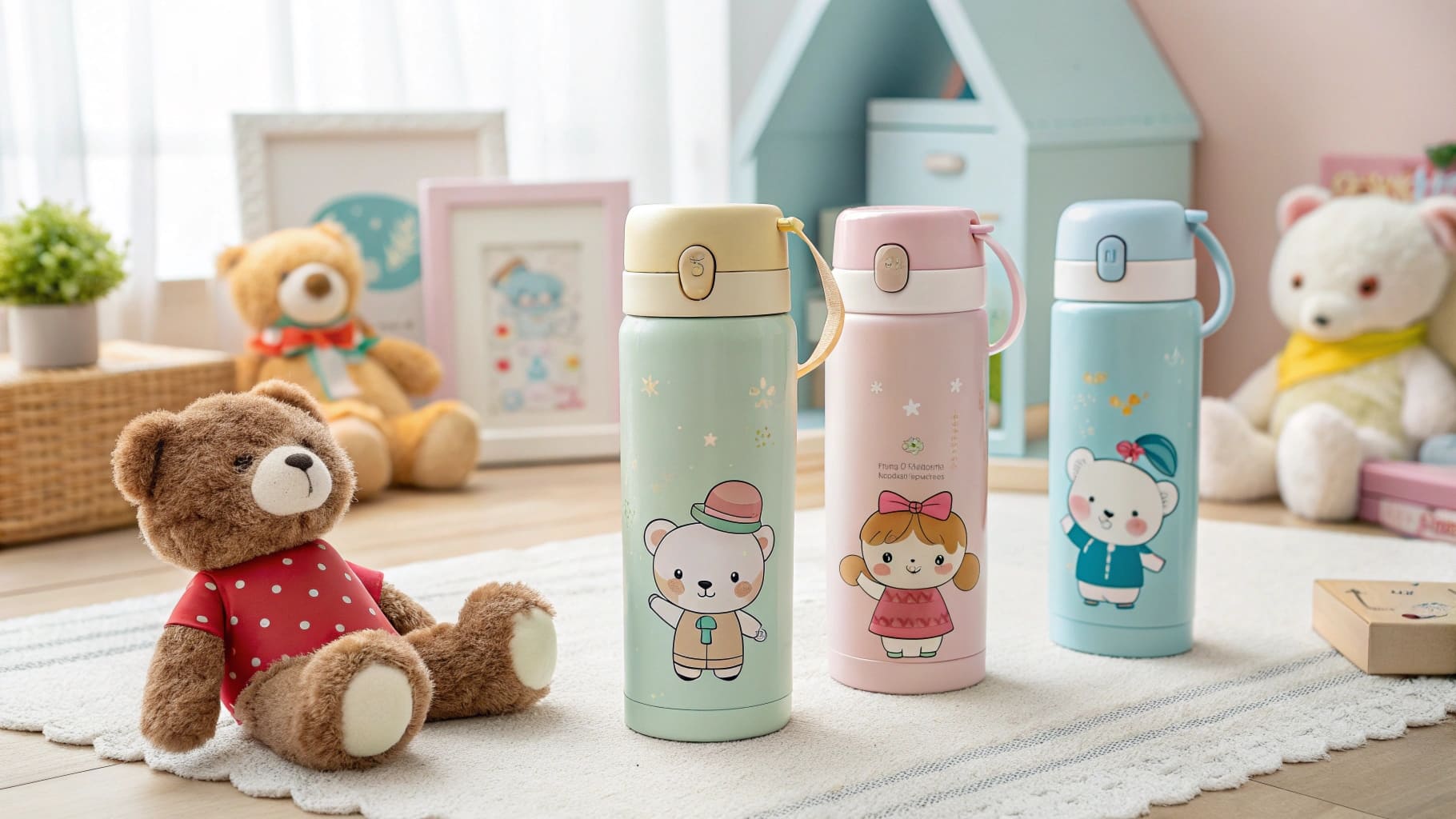
How I separate the straw from the bottle body
I look at a kids bottle as a small system. I do not call it one item when I write the care claim. I break it into the body, lid shell, straw tube, bite valve, gasket, and any small connector. The body is often made from food grade stainless steel. It can usually handle heat better. The straw and valve are different. They are soft parts. They bend, seal, and touch the mouth. Heat, detergent, and strong drying cycles can shorten their life.
I also ask how the parent will use the bottle. A parent may not read a long manual. So I prefer a short care line on the packaging. I write it in a way that avoids blame. I say the bottle body is dishwasher safe when the test supports it. I say the straw lid assembly is hand-wash recommended when the soft parts need care.
| Part I check | My usual dishwasher claim | Why I care |
|---|---|---|
| Stainless steel body | Dishwasher safe if tested | I expect stronger heat resistance |
| Powder coating | Dishwasher safe only after finish testing | I need the color to stay stable |
| Lid shell | Top rack or hand wash, based on material | I watch for warping and cracking |
| Silicone straw | Hand-wash recommended | I want the soft part to keep its shape |
| Bite valve | Hand-wash recommended | I need the seal to stay tight |
| Gasket | Hand-wash recommended or removable wash | I want to reduce odor and leakage |
What I ask a supplier before I accept the claim
I ask for the material list first. I want the body to use food grade stainless steel, such as eighteen over eight stainless steel2. I want the lid to use safe plastic, such as BPA-free Tritan or another tested food contact material3. I want the straw and valve to use food grade silicone. Then I ask for test records. I do not accept a short message that says “dishwasher safe” without details. I ask how many wash cycles were tested. I ask what temperature was used. I ask if the test included the printed logo, color coating, lid, straw, and gasket.
I learned this lesson through small problems that became large problems. A bottle can look perfect in a sample photo. But if the straw becomes loose after several hot wash cycles, the buyer receives complaints. The buyer then asks for replacement parts, credit, or a discount. I would rather spend time on the spec sheet than spend money on after-sale problems.
Is Yeti Kids Dishwasher Safe?
Big brand claims can look simple. But I still read the details. If I copy a claim without checking parts, I take a hidden risk.
I see Yeti kids bottles marketed as dishwasher safe, but I still confirm which parts the claim covers. In my own spec sheet, I separate body, lid, straw, and silicone parts so parents know what can handle heat.
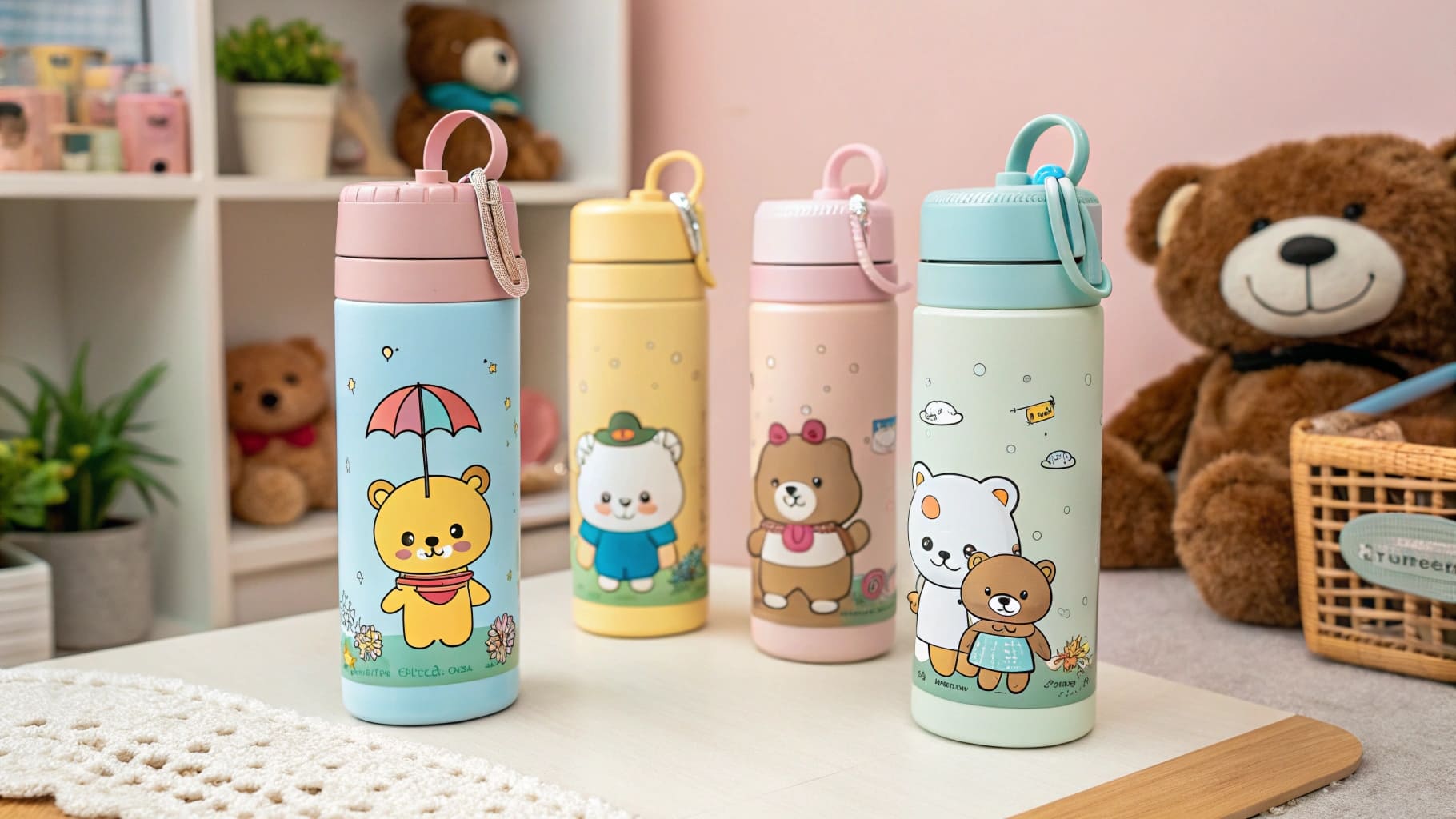
Why I do not copy a big brand claim word for word
I respect strong brands because they train the market. When a brand says a kids bottle is easy to clean, parents expect the same from private label products. But I do not treat a brand claim as a free pass. A brand may have its own materials, mold design, coating process, and test standard. My factory line may not be the same. My lid structure may not be the same. My straw valve may use a different silicone hardness. So I must prove my own claim.
I also know how buyers think. A Canadian buyer once told me that parents in his market want convenience first. They want the bottle to go into a lunch bag, a backpack, and a dishwasher. I agreed with him. But I also told him that convenience must be written with limits. If a whole product is not tested as one complete set, I should not write “fully dishwasher safe” on the carton.
| Claim I see in the market | What I write in my spec sheet | My reason |
|---|---|---|
| Dishwasher safe | Body dishwasher safe after test | I make the claim more exact |
| Lid is easy to clean | Lid is removable and hand-wash recommended | I reduce confusion |
| Straw is safe for kids | Food grade silicone straw | I focus on material and use |
| Durable coating | Coating passes wash and scratch checks | I protect the brand image |
| Leak resistant | Leak tested with lid closed4 | I avoid overpromising |
How I use brand claims as a benchmark
I use leading brands as a market signal. I study their size range, lid style, handle design, color tone, and cleaning words. I do not copy them. I compare them with my own product plan. If a buyer wants a bottle like a well-known kids model, I ask what feature matters most. Is it the carry handle? Is it the straw lid? Is it the color? Is it the dishwasher claim? This question saves time because each feature affects cost and risk.
For kids bottles, I see eight to twelve ounces as a useful core range. It fits school bags. It feels light enough for small hands. It also gives enough water for normal school use. I do not push a much larger size unless the buyer has a clear retail reason. A large bottle may look better in photos, but it may feel heavy when filled5. I prefer a size that a child can carry without help. That detail lowers returns because parents can see the product fits the real day of a child.
What Water Bottle Brands Are Dishwasher Safe?
Many brands say “dishwasher safe.” Buyers hear comfort. I hear a question. I always ask, “Which part, which material, and which test?”
I see brands like Yeti, Hydro Flask, and Contigo offer kids bottles with dishwasher safe claims on some models. I still check each model because the body, lid, straw, coating, and care rule can differ.
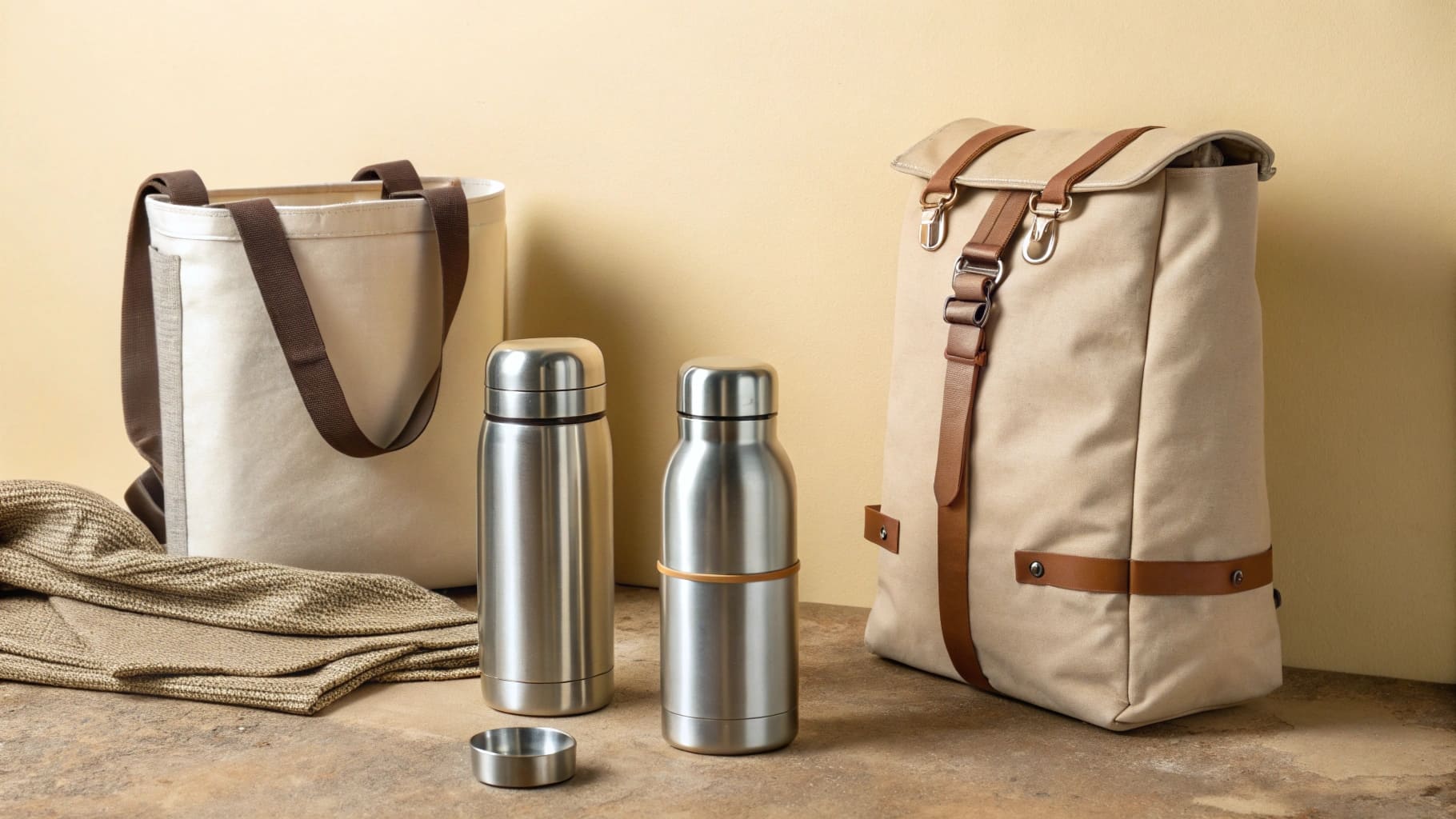
How I compare dishwasher safe brands for private label work
I compare brands by parts, not by name only. A brand may have one model with a stainless body and straw lid. Another model may have a different cap, a printed finish, or a soft bumper. These changes matter. A dishwasher claim is not only about stainless steel. It is also about coating adhesion, plastic heat resistance, gasket fit, straw shape, and logo durability. A private label buyer needs this detail because the product will carry the buyer’s name.
I also compare how clear the care message is. A clear claim can lower customer service pressure. A vague claim can create arguments. If a parent reads “dishwasher safe,” the parent may place every part into the machine. If the straw changes shape, the parent may feel misled. So I prefer a product page and packaging line that tells the same story. I keep the message short and direct.
| Brand-style feature I review | My private label checkpoint | What I want to avoid |
|---|---|---|
| Stainless body | Food contact grade and wash tested | Rust concern or weak claim |
| Straw lid | Removable parts and hand-wash guidance | Hidden dirt or heat damage |
| Color finish | Coating test after wash cycles | Fading or peeling |
| Logo printing | Dishwasher and abrasion check | Brand mark loss |
| Kids handle | Drop and pull test | Breakage during school use |
| Replacement parts | Extra straws and lids available | High return cost |
What I put into a kids water bottle spec sheet
I build the spec sheet so a buyer can read it fast. I include capacity, diameter, height, mouth size, weight, body material, lid material, straw material, gasket material, coating type, logo method, packing method, and care claim. I also add the carton packing plan because logistics matter. A beautiful bottle can still miss the sales season if packing, inspection, and shipment are weak.
I pay special attention to certificates. Some buyers have seen fake or weak papers before. I understand why they ask hard questions. I provide material reports and food contact test records when the project needs them. I also make sure the certificate name, product description, and material match the actual bottle. A report for a different lid does not support my current lid. A report for a plain bottle does not always support a coated bottle with a printed logo.
How I balance quality and price for buyers
I know many buyers want high quality and a competitive price at the same time. I do not argue with that. I only explain where the money goes. A stronger coating, better silicone, thicker stainless steel, cleaner welding, and better packing all affect cost. The question is not only “Can I make it cheaper?” The better question is “Which cost protects the brand?”
For a kids bottle, I rarely cut cost on the straw, valve, gasket, or lid fit. These parts affect leakage and daily use. I can discuss color options, packaging level, carton quantity, and accessory sets to manage price. I can also suggest a standard mold if the buyer wants faster delivery. If the buyer wants a custom lid or special shape, I plan more time for testing. This planning helps avoid delayed shipments before the peak sales season.
Conclusion
I treat kids bottle specs as risk control. I define capacity, parts, materials, claims, tests, and care words before I quote or ship.
-
"Fast Facts: Data on Water Consumption | Nutrition", https://www.cdc.gov/nutrition/php/data-research/fast-facts-water-consumption.html. Health authorities including the National Academies of Sciences and the World Health Organization have published age-specific adequate intake values for total water consumption in children, which provide a reference framework for evaluating whether a given bottle capacity meets a meaningful portion of daily hydration needs. Evidence role: general_support; source type: institution. Supports: That children of school age have defined daily fluid intake needs that inform appropriate bottle sizing. Scope note: Published guidelines address total daily fluid intake from all sources, not single-bottle capacity; the 8–12 oz range as a product specification is a commercial convention not directly derived from these guidelines. ↩
-
"Stainless Steel (SS) Safety Profile", https://www.fda.gov/media/165146/download. Regulatory guidance from food safety authorities such as the U.S. FDA classifies certain stainless steel alloys, including 304-grade (18% chromium, 8% nickel), as acceptable for food-contact applications due to their corrosion resistance and chemical stability. Evidence role: definition; source type: government. Supports: That 18/8 (304-grade) stainless steel meets food-contact material safety standards. Scope note: Regulatory acceptance may vary by jurisdiction; compliance with one national standard does not automatically satisfy all international requirements. ↩
-
"Food Packaging & Other Substances that Come in Contact ...", https://www.fda.gov/food/food-ingredients-packaging/food-packaging-other-substances-come-contact-food-information-consumers. Independent studies and regulatory submissions have examined Tritan copolyester for estrogenic and androgenic activity, with some research supporting its BPA-free status, though findings on broader endocrine effects have been contested in peer-reviewed literature. Evidence role: general_support; source type: research. Supports: That Tritan copolyester is free of bisphenol A and has been evaluated for food-contact safety. Scope note: The scientific record on Tritan's full safety profile is not entirely settled; some independent studies have raised questions that the manufacturer disputes. ↩
-
"Protocols for leakage testing", https://tsapps.nist.gov/publication/get_pdf.cfm?pub_id=934652. ASTM International has published performance standards for beverage containers, including test methods addressing leak resistance under defined pressure and orientation conditions; such standards provide a reproducible basis for evaluating whether a closed lid assembly prevents unintended liquid release. Evidence role: definition; source type: institution. Supports: That standardized leak testing protocols exist for evaluating the performance of children's drinkware. Scope note: Not all markets mandate compliance with ASTM drinkware standards; some manufacturers apply proprietary internal test protocols that may not be directly comparable. ↩
-
"School Bag Weight and the Occurrence of Shoulder, Hand/Wrist ...", https://pmc.ncbi.nlm.nih.gov/articles/PMC3963609/. Pediatric ergonomics research and guidelines from organizations such as the American Academy of Pediatrics have examined load-carrying thresholds for children, generally recommending that carried loads not exceed a defined percentage of body weight to avoid musculoskeletal strain. Evidence role: general_support; source type: research. Supports: That the weight of items carried by children has ergonomic implications relevant to product design. Scope note: This research primarily addresses backpack total load rather than individual item weight; its application to bottle sizing is inferential rather than direct. ↩