
Are stainless steel cups for toddlers CPSIA, LFGB, and Prop 65 compliant?
I have seen buyers lose trust fast when toddler cups look safe, but the supplier cannot prove the safety with real test reports.
Stainless steel cups for toddlers can be CPSIA, LFGB, and Prop 65 compliant when they use food-grade stainless steel, lead-free parts, safe coatings, and tested accessories. I always check the full cup, including lid, seal, paint, print, and weld area, not only the metal body.
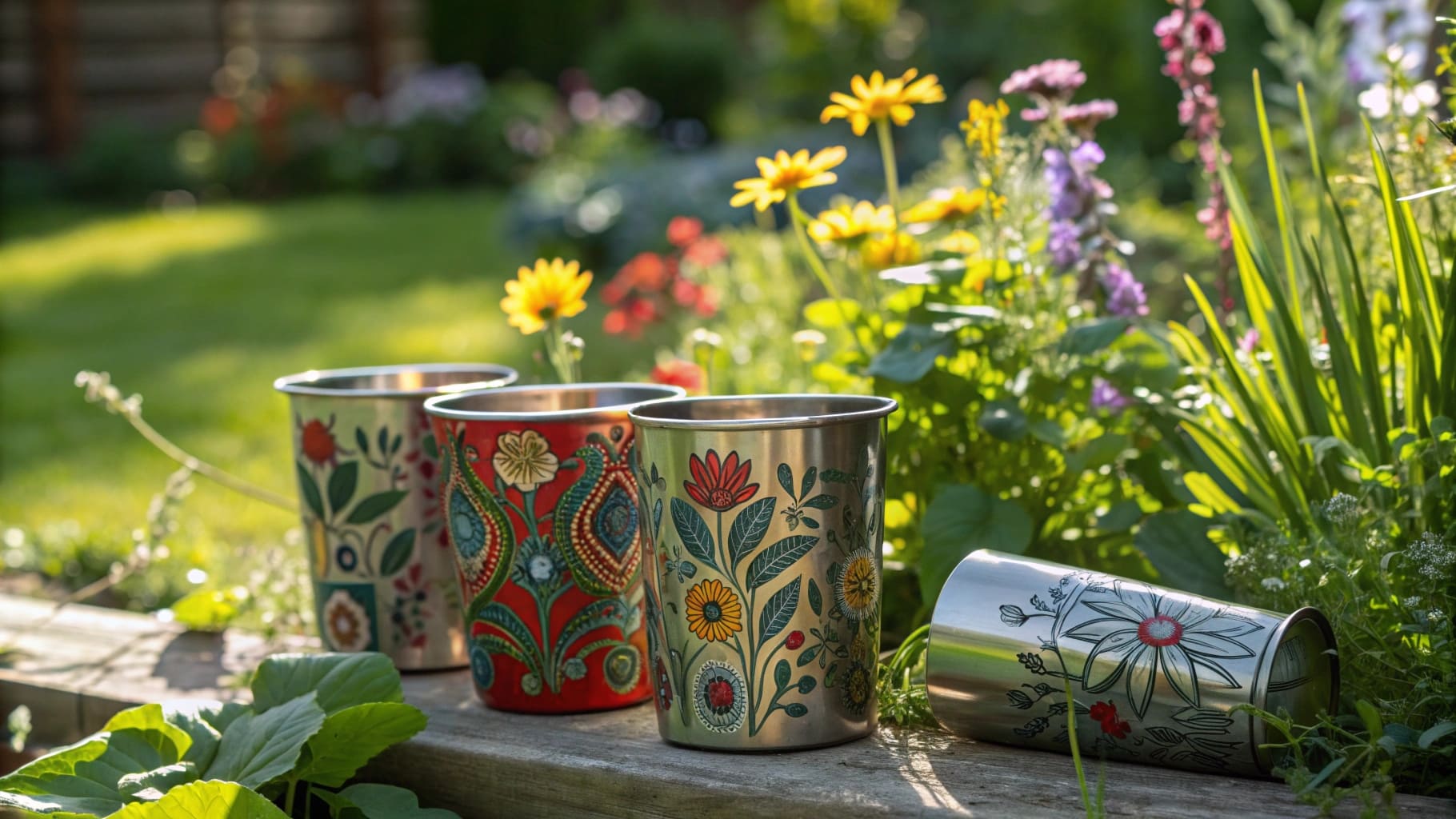
I learned in my own export work that child drinkware safety is not a slogan. It is a system. A cup may look clean. A factory may sound confident. A sample may feel solid in the hand. Yet a buyer in Canada, America, or Europe still needs proof before placing a wholesale order. I take this seriously because one weak lid, one unsafe coating, or one fake certificate can hurt a brand. It can also delay shipping and miss a peak sales season. That is why I do not treat CPSIA, LFGB, and Prop 65 as extra documents. I treat them as the starting point for any toddler cup project.
Is it safe for kids to drink out of stainless steel?
I understand why parents worry. A toddler puts the cup in the mouth many times each day, so even a small material mistake can matter.
I consider food-grade stainless steel safe for kids when the cup is made correctly and tested as a full product. The safest choice is usually high-quality stainless steel with lead-free welding1, food-safe accessories, and verified migration results for heavy metals and harmful chemicals2.
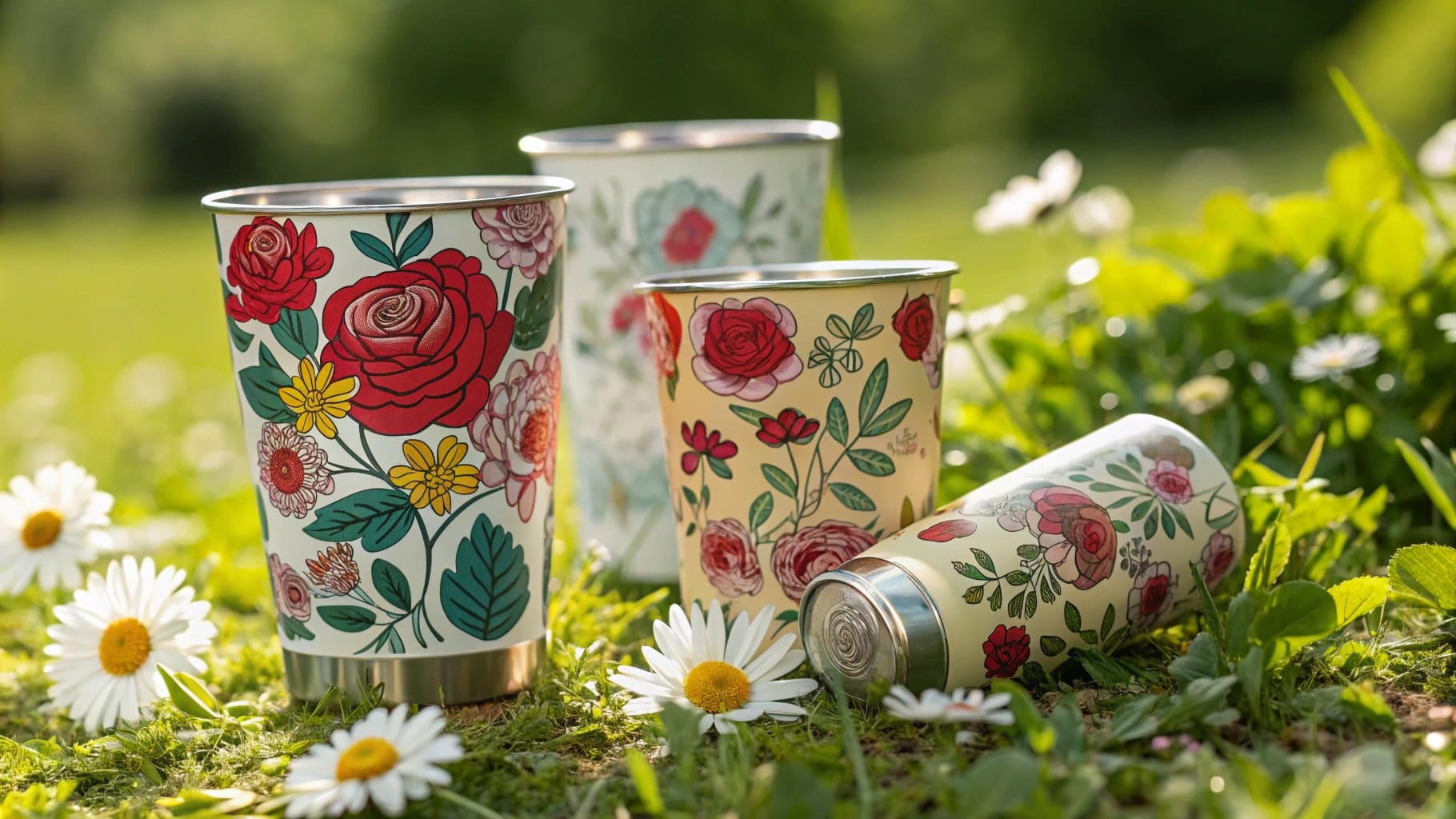
How I judge safety beyond the word “stainless”?
I do not accept the word “stainless” as enough. I ask what grade the steel is. I ask how the cup is formed. I ask whether the inside surface touches any coating. I also ask whether the lid, seal, straw, handle, and printed logo have been tested. In my work with stainless steel water bottles and cups, I have seen that most serious risks come from the parts around the steel, not from the steel wall itself.
Food-grade stainless steel, such as the common three zero four and three one six grades, is stable for normal drink use. It does not need a plastic lining. It also resists odor and stains better than many other materials. Still, I never tell a buyer to trust the material name alone. I prefer a current test report from an accredited lab. I also prefer reports that match the real product style, color, lid type, and decoration method.
| What I check | Why I care | What I ask to see |
|---|---|---|
| Steel grade | I need a stable food contact body | Material declaration and food contact test |
| Inner surface | I want no hidden coating risk | Clear photo or sample cut check |
| Lid and seal | I know toddlers touch these parts often | Silicone and plastic test report |
| Logo process | I want no unsafe ink or paint | Lead, cadmium, and phthalate results |
| Supplier history | I need stable quality after the first order | Past reports and production records |
Why do CPSIA, LFGB, and Prop 65 matter to me?
I see each rule from a different angle. CPSIA matters when the product is sold as a children’s product in the United States. It focuses on safety limits for materials like lead and phthalates. LFGB matters for food contact expectations in Germany and wider European trade. Prop 65 matters for California because it deals with warning duties for listed chemicals. I do not see these as simple stamps. I see them as proof that the buyer has done basic risk control before a product reaches a child.
For a B2B buyer, this proof also protects the business side. A retailer may ask for it. A customs broker may ask for it. A brand customer may ask for it before confirming a rebranded order. If the supplier gives vague answers, I treat that as a warning sign. I would rather spend time checking before mass production than argue after a shipment lands.
Can stainless steel cups have lead?
I have heard this question many times, and I think it is a fair question because some old or low-quality products have created real concern.
Stainless steel itself should not contain intentionally added lead3 in food-grade cup bodies. Lead risk usually comes from paint, printed decoration, solder, low-quality welded bases, or unsafe accessories. I reduce this risk by checking the full assembly with third-party testing.

Where I look for lead risk first?
I do not start by blaming the stainless steel sheet. I start by checking every non-metal part and every hidden process. Many buyers only touch the cup body and feel safe. I do not stop there. I look at the bottom cap. I look at the seam. I look at colorful coating. I look at cartoon prints. I look at silicone boots and plastic lids. I also ask whether the supplier uses lead-free welding and modern production methods.
In my experience, a plain brushed stainless steel toddler cup is usually easier to control than a highly decorated cup. A bright color may sell well. A cute logo may help a brand. But every extra process creates another point that needs testing. I do not reject decoration. I only want it done in a safe way. I prefer laser engraving, controlled powder coating4, or tested food-safe printing. I also prefer suppliers who can test the final decorated sample, not only a raw metal sample.
| Possible lead source | How I reduce the risk | What I do not accept |
|---|---|---|
| Painted surface | I ask for coating test results | Verbal claims only |
| Printed logo | I test the decorated area | Unknown ink source |
| Bottom weld | I confirm lead-free process | Old solder methods |
| Lid pigment | I test plastic or silicone color | No material trace record |
| Supplier certificate | I check report details | A report for another item |
How I read a test report before I trust it?
I do not only look at the first page of a certificate. I read the product description. I check whether the report names a toddler cup, a stainless steel cup, or just a random sample. I compare the photo on the report with the actual sample on my desk. I check the test date. I check the tested parts. I also check whether the colors are the same. A white cup report does not always prove a red cup is safe. A cup body report does not always prove the lid is safe.
This step matters because certificate fraud is a real pain point for many importers. I have met buyers who were shown clean reports during negotiation, but the reports did not match the final product. I also have seen reports that covered stainless steel only, while the order included silicone straws, plastic lids, and printed cartoon artwork. That is not enough for a toddler cup. I prefer a clear test plan before bulk production. I prefer to test the actual finished sample. This approach costs time, but it prevents bigger cost later.
Why does this matter for wholesale buyers?
I know a company owner or procurement officer needs both safety and price. I also know that a cheaper quotation can look attractive when margins are tight. But lead risk is not a normal quality issue like a small scratch. It can damage a brand and stop future sales. If a buyer sells into Canada, America, or Europe, the retailer will not care that the supplier was cheap. The retailer will ask why the importer did not control the product.
That is why I talk about test cost early in the project. I do not hide it at the end. I want the buyer to compare real cost with real risk. If a supplier says every color and every part is compliant, but the supplier cannot explain the testing scope, I slow down. I want a good price, but I also want a shipment that can enter the market with confidence.
What is the safest cup material to drink from?
I do not think one material wins in every case. I think the safest choice depends on the user, the use scene, and the control level.
For toddlers, I often choose food-grade stainless steel because it is durable, non-reactive, easy to clean, and free from common plastic leaching concerns. Glass is pure but breakable. Plastic is light but can scratch. Silicone is soft but less rigid and less insulating.

How I compare stainless steel, plastic, glass, and silicone?
I compare materials from a practical buyer’s view, not only a laboratory view. A toddler cup must be safe, but it also must survive drops, washing, travel, and daily use. Parents want a cup that does not smell. Retailers want few complaints. Importers want stable quality and clear documents. This is why stainless steel is often a strong choice for premium toddler drinkware.
Plastic has real advantages. It is light and low cost. It also allows many shapes. Yet plastic can scratch, and scratches can hold dirt. Some plastic can also age after heat, sunlight, or strong washing. Glass is very clean from a taste point of view. Yet I do not like glass for active toddlers because breakage is a serious issue. Silicone is soft and safe when properly made. Yet it can absorb smell more easily, and it does not give the same hard protection or insulation as stainless steel.
| Material | Why I may choose it | Main concern I watch |
|---|---|---|
| Stainless steel | I get durability and stable food contact | I must test coatings and accessories |
| Plastic | I get low weight and low cost | I watch scratches, aging, and additives |
| Glass | I get clean taste and material purity | I worry about breakage |
| Silicone | I get softness and drop resistance | I watch odor, dust, and shape stability |
Why I often recommend stainless steel for toddler cups?
I recommend stainless steel when the buyer wants a durable product with a higher brand image. Stainless steel gives a solid feel. It supports custom logo work. It can use powder coating, laser engraving, or polished finishes. It also fits rebranding well because the product looks more premium than basic plastic. For a buyer who imports from China or Vietnam and sells under a local brand, this matters. The material helps support a higher retail price.
I also like stainless steel because it does not need the buyer to explain BPA concerns. Many parents already ask about BPA-free plastic. With stainless steel, the discussion becomes more direct. I can focus on food-grade material, lead-free decoration, lid safety, and full product testing. This is a cleaner message for marketing and retailer review.
Still, I do not call stainless steel perfect. A poorly made stainless steel cup can still fail. A sharp rim is unsafe. A weak weld can leak. A bad coating can chip. A low-quality lid can smell. A supplier with poor communication can delay production. So I treat stainless steel as a strong base, not a magic answer. Good design, good production control, and honest testing are still needed.
What I ask before I approve a toddler cup order?
I ask clear questions before I approve a project. I ask if the cup is for toddlers or general users. I ask which market it will enter. I ask whether the buyer needs CPSIA, LFGB, Prop 65, or all of them. I ask which parts touch the mouth. I ask whether the color, print, lid, straw, and silicone boot will be included in the test. I ask for a production schedule that leaves time for inspection and lab testing.
This process also helps with logistics. Many shipment delays happen because testing starts too late. A factory may finish production, then the buyer asks for documents. If the documents are missing or wrong, the goods sit in the warehouse. I prefer to set the test plan before mass production. I prefer to confirm packaging claims before printing cartons. I also prefer to check payment steps with the inspection schedule. This keeps the supplier and buyer working on the same map.
For a buyer like a Canadian company owner who understands sales but lacks deep technical knowledge, this structure is important. It makes the project easier to control. It also reduces the chance that a sales representative gives a fast answer without real proof. I believe good sourcing is not only about finding the lowest price. It is about making the final product safe, sellable, and ready for the market on time.
Conclusion
I choose tested food-grade stainless steel because it gives toddlers safety and buyers proof when the whole cup, lid, coating, and logo are checked.
-
"Use of Lead Free Pipes, Fittings, Fixtures, Solder, and Flux for ...", https://www.federalregister.gov/documents/2020/09/01/2020-16869/use-of-lead-free-pipes-fittings-fixtures-solder-and-flux-for-drinking-water. Modern stainless steel welding for food contact applications typically uses TIG (tungsten inert gas) or laser welding processes that do not require lead-containing filler materials. Lead-based solders, once common in metal fabrication, have been largely replaced in food contact applications due to toxicity concerns. Evidence role: general_support; source type: research. Supports: The availability and use of lead-free welding methods for stainless steel food contact items. Scope note: The term 'lead-free' in welding contexts may allow trace lead content, and verification requires testing of the welded joint area ↩
-
"Food Packaging & Other Substances that Come in Contact with Food", https://www.fda.gov/food/food-ingredients-packaging/food-packaging-other-substances-come-contact-food-information-consumers. Migration testing evaluates the transfer of chemical substances from food contact materials into food simulants under specified conditions of time, temperature, and contact medium. Regulatory frameworks including FDA guidelines and European standards (EN 1186 series) establish testing protocols and acceptable migration limits for various substances including heavy metals. Evidence role: mechanism; source type: government. Supports: The purpose and methodology of migration testing for food contact materials. ↩
-
"Stainless steel", https://en.wikipedia.org/wiki/Stainless_steel. Standard austenitic stainless steels (304, 316) are iron-chromium-nickel alloys that do not include lead as an intentional alloying element according to ASTM specifications; trace lead presence would typically result from contamination rather than compositional design. Evidence role: general_support; source type: research. Supports: The typical composition of food-grade stainless steel and absence of lead. Scope note: This addresses intentional composition but does not exclude trace contamination from raw materials or processing ↩
-
"Powder Coat Applications Final Report", https://nepis.epa.gov/Exe/ZyPURL.cgi?Dockey=P10120TC.TXT. Powder coating is an electrostatic finishing process that can be formulated for food contact applications using resins and pigments that comply with FDA regulations (21 CFR 175.300) or EU Framework Regulation (EC) No 1935/2004. Food-safe powder coatings must be tested for migration and heavy metal content to ensure compliance with children's product standards. Evidence role: general_support; source type: research. Supports: The use and safety considerations of powder coating on food contact surfaces. Scope note: Not all powder coatings are food-safe; the specific formulation and testing determine suitability for drinkware applications ↩