
Which 20oz–40oz tumbler profiles fit cup holders: straight vs tapered in 2026?
I see buyers lose orders when a beautiful 40oz tumbler cannot sit in a car cup holder. The problem looks small, then returns rise fast.
For 20oz–40oz tumblers in 2026, tapered profiles fit standard cup holders more reliably than straight profiles1. I aim for a bottom diameter near 2.75–3.0 inches. Straight 40oz designs can work, but they often need a stepped or narrowed base.
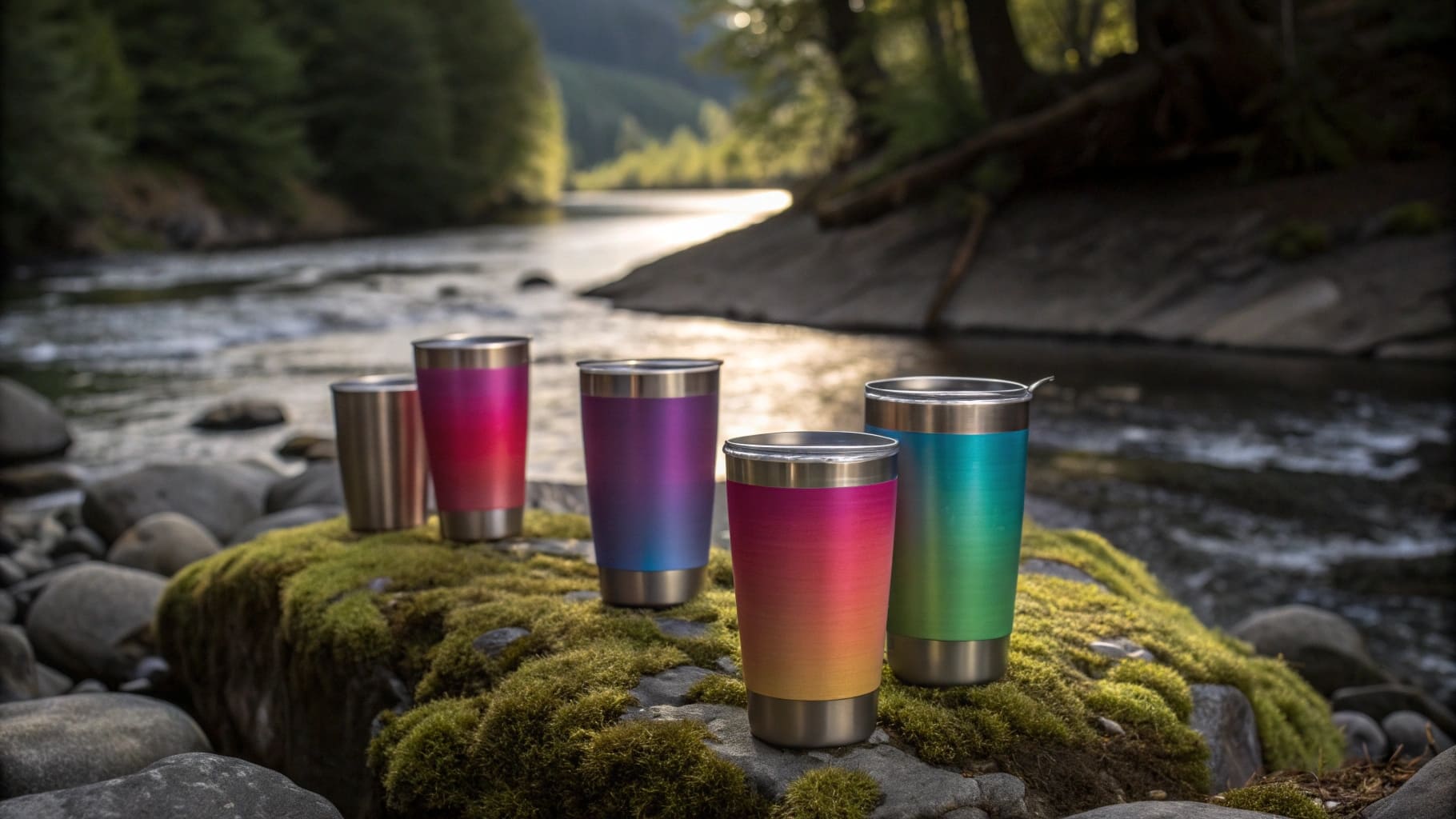
I learned this lesson from real B2B orders. A buyer may approve the color, logo, lid, and price. Then the end customer places the tumbler in a car cup holder and finds that it does not fit. That single moment can damage the whole product plan. I now treat the bottom diameter as a core design point, not a small detail. The small base often decides if a tumbler becomes a repeat order or a complaint.
What is the best 40 oz tumbler?
I hear this question after every trade show. A low price looks strong, but weak fit, poor coating, and late shipments can erase the margin.
The best 40 oz tumbler balances cup holder fit, vacuum insulation, grip comfort, safe materials, stable coating, and predictable production. I prefer a tapered body, 304 or 316 stainless steel2, leak-resistant lid options, and a base that fits common North American and European cup holders.
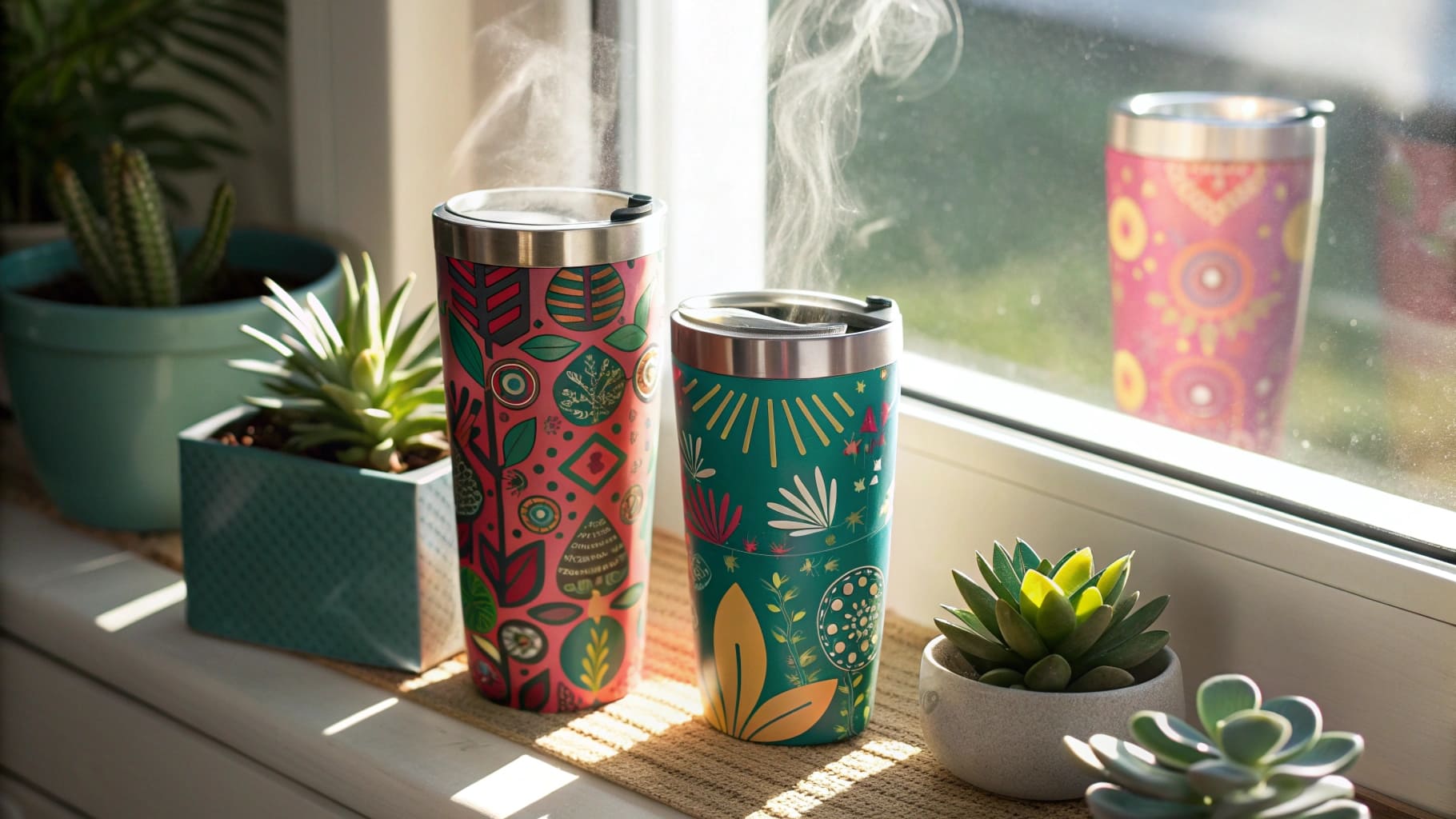
How I define “best” for a B2B 40 oz tumbler
I do not define the best 40 oz tumbler by one feature. I define it by the total buying result. A company owner may want a premium look. A procurement officer may want a safe certificate. A retail buyer may want fewer returns. I need one profile that supports all of these needs.
A straight 40oz tumbler gives a clean shelf look and easy capacity control. It can also lower mold difficulty. But the base may become too wide. A tapered 40oz tumbler solves more daily-use problems. It can keep close to full capacity while still fitting many car cup holders. It also gives the hand a better grip.
| My check point | Why I check it | My preferred direction |
|---|---|---|
| Cup holder fit | I want fewer daily-use complaints | I use a tapered or stepped lower body |
| Steel material | I want safe food contact and long service life | I use 304 or 316 stainless steel |
| Coating | I want better retail look and less scratching | I use powder coating for most premium orders3 |
| Lid design | I want fewer leak complaints | I match straw lids, flip lids, or slider lids to the use case |
| Production plan | I want delivery before the peak season | I confirm mold, sample, mass production, and inspection dates early |
I also ask for clear test standards before production. I do not accept vague words like “good quality” or “premium grade.” I ask my team to confirm material, coating thickness, vacuum test method, carton drop test4, and certificate files. This habit protects both sides. It also avoids the common problem where a nice sample becomes a weaker bulk order.
Which 40oz tumbler holds ice the longest?
I have seen buyers chase the longest ice time and forget weight. The customer likes cold drinks, but the carton cost still matters.
A 40oz tumbler holds ice longest when it has double-wall vacuum insulation5, a tight lid, good steel thickness, and sometimes copper lining. In normal use, premium models can reach 24–36 hours, but opening frequency, ice ratio, and room temperature change the result.
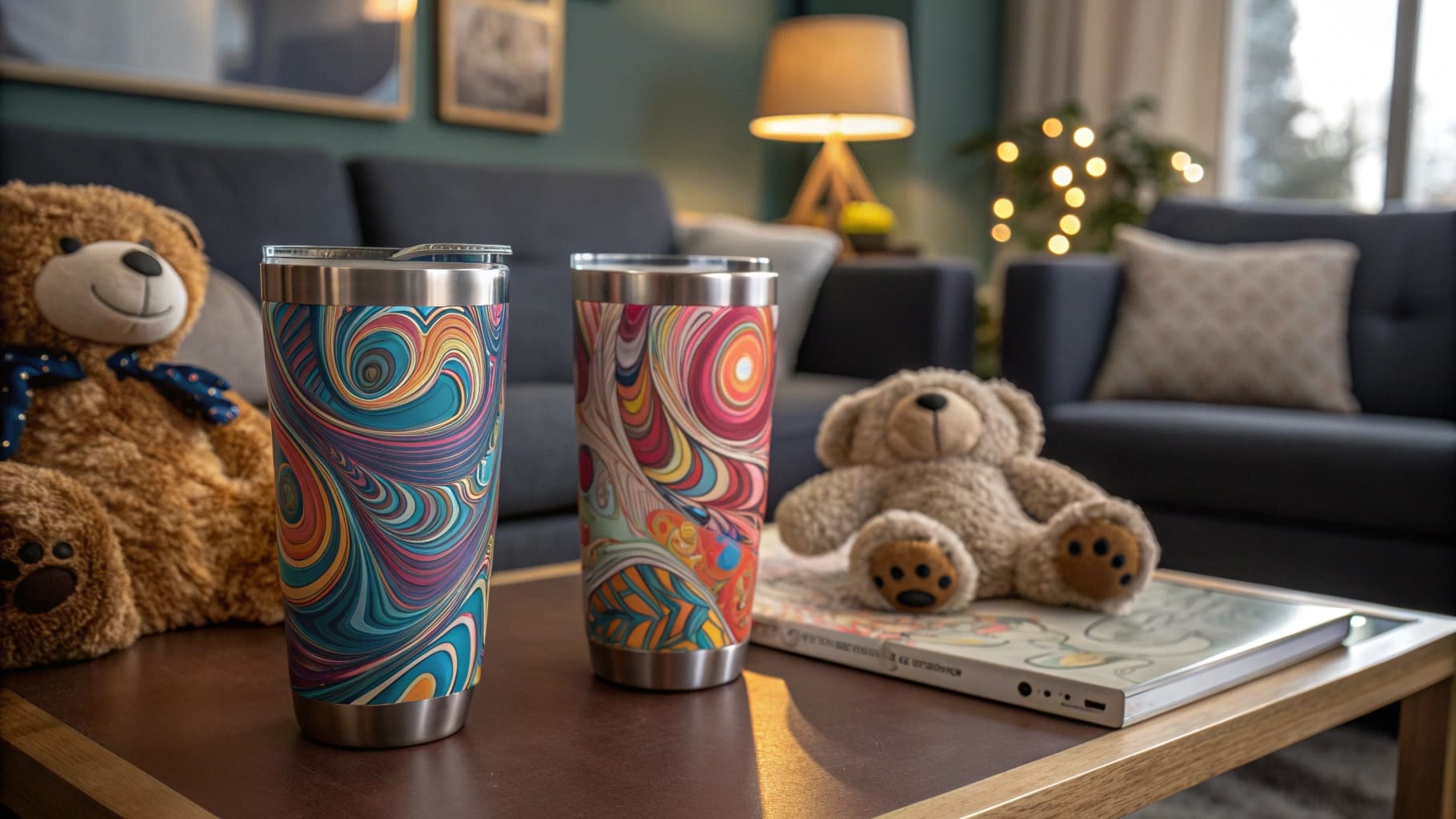
How I compare ice retention without falling for empty claims
I treat ice retention as a real test, not only a sales promise. A supplier may claim very long ice time. I still ask how the test was done. I want to know the starting water temperature, ice ratio, room temperature, lid type, and how often the lid was opened. If the test conditions are not clear, the number does not help me much.
A 40oz tumbler can hold ice longer than a smaller tumbler because it has more internal volume. It can hold more ice and more cold liquid. But the structure still matters. A poor vacuum layer will lose heat faster. A loose lid will also lose performance. Copper lining can help, but it adds cost. Thicker steel can feel stronger, but it can add weight and freight cost.
| My test factor | What it changes | My buying view |
|---|---|---|
| Vacuum quality | It controls heat transfer | I request a vacuum test in production |
| Lid seal | It affects real use performance | I check lid fit before I approve bulk goods |
| Ice ratio | It changes test results fast | I compare samples under the same conditions |
| Steel thickness | It affects strength and weight | I balance premium feel with shipping cost |
| Copper lining | It may improve insulation | I use it when the target price can support it |
I have seen buyers choose the heaviest sample because it felt more expensive. I do not always agree with that choice. A tumbler must feel solid, but it must also be easy to carry. If the weight is too high, the user may leave it at home. Then the product loses its daily value. I prefer a balanced design. I want strong insulation, stable vacuum performance, and a comfortable hand feel. I also want the packaging plan to support safe shipping. Long ice time is useful, but the best result comes when insulation, weight, lid design, and logistics work together.
What is a good size for a coffee tumbler?
I see coffee buyers overbuild capacity. A huge tumbler feels powerful on a spec sheet, but it can be heavy and awkward in daily use.
A good coffee tumbler size is usually 16–20oz for daily hot coffee6. It matches normal drinking volume, fits many cup holders, and stays easy to carry. A 24oz hybrid works when one tumbler must serve morning coffee and afternoon cold drinks.

How I choose coffee tumbler size for real daily use
I start with the drinking habit, not the factory catalog. A coffee tumbler is different from a water tumbler. The user often holds it during a commute, places it under a coffee machine, or drinks from it while working. A very large tumbler may look attractive online, but it can feel too bulky for hot drinks. It can also keep coffee too hot for too long if the lid opening is small.
For coffee, I often guide buyers toward 16oz or 20oz. These sizes match common coffee servings and still support a strong brand logo area. They also fit many cup holders when the lower body is designed well. A 24oz size is useful when the brand wants one tumbler for both hot and cold drinks. I see this hybrid demand growing because many customers do not want to carry two containers.
| My size choice | Best use case | My design note |
|---|---|---|
| 12oz | I use it for small coffee and gift sets | I keep it compact and easy to pack |
| 16oz | I use it for daily coffee programs | I focus on lid comfort and cup holder fit |
| 20oz | I use it for office and commute coffee | I balance capacity, grip, and logo space |
| 24oz | I use it for hybrid hot and cold drinks | I check weight and base diameter carefully |
| 30oz and above | I use it more for cold drinks | I avoid it for pure coffee projects |
I also think about the lid more carefully for coffee orders. A straw lid is popular for cold drinks, but it is not always the best choice for hot coffee. A flip lid or slider lid can feel safer and more natural. I also check whether the lid is easy to clean. If coffee oil stays inside small parts, the user may complain about smell. This can hurt repeat sales more than buyers expect.
I suggest that B2B buyers choose coffee sizes after they define the channel. A corporate gift order may need a clean 16oz tumbler with a logo. A retail brand may want a 20oz powder-coated tumbler with several colors. A travel-focused brand may test a 24oz hybrid. I do not choose size only by trend. I choose size by use, cup holder fit, lid type, carton cost, and the price point that the market can accept.
Conclusion
I choose tapered 40oz profiles for most B2B orders, then I match insulation and size to the real use case before I approve production.
-
"49 CFR Part 571 -- Federal Motor Vehicle Safety Standards", https://www.ecfr.gov/current/title-49/subtitle-B/chapter-V/part-571. Automotive interior cup holder dimensions are governed by vehicle design conventions; SAE and automotive ergonomics literature document typical cup holder diameters in the range of 3.0–3.5 inches, against which a tumbler base of 2.75–3.0 inches would generally fit. Evidence role: definition; source type: institution. Supports: Standard cup holder interior diameter ranges that determine whether a tumbler base fits. Scope note: No single universal standard mandates cup holder dimensions; measurements vary by vehicle make, model year, and market region. ↩
-
"Stainless Steel (SS) Safety Profile", https://www.fda.gov/media/165146/download. The U.S. Food and Drug Administration and equivalent European food safety authorities recognize austenitic stainless steel grades 304 (18/8) and 316 as suitable for food contact surfaces due to their corrosion resistance and low migration of metal ions under normal use conditions. Evidence role: expert_consensus; source type: government. Supports: Regulatory recognition of 304 and 316 stainless steel as acceptable materials for food contact applications. Scope note: Regulatory acceptability depends on surface finish, manufacturing process, and absence of prohibited coatings; grade alone does not guarantee compliance in all jurisdictions. ↩
-
"Guidance for Industry: Preparation of Premarket Submissions for Food ...", https://www.fda.gov/regulatory-information/search-fda-guidance-documents/guidance-industry-preparation-premarket-submissions-food-contact-substances-chemistry. Materials science and surface finishing literature documents that thermosetting powder coatings typically achieve higher film hardness and impact resistance than conventional liquid paints of equivalent thickness, contributing to improved scratch and chip resistance on metal consumer products. Evidence role: general_support; source type: research. Supports: Powder coating's mechanical durability and scratch resistance relative to liquid paint finishes on metal substrates. Scope note: Performance varies significantly by powder formulation, curing conditions, and substrate preparation; food contact compliance depends on specific coating chemistry and applicable regulations. ↩
-
"ASTM D5276 Package Drop Testing Services", https://www.micomlab.com/micom-testing/astm-d5276/. The International Safe Transit Association (ISTA) and ASTM International publish standardized drop test procedures—including ISTA Series 2A and ASTM D5276—that specify drop heights, orientations, and acceptance criteria for evaluating whether packaged consumer goods can withstand distribution hazards. Evidence role: definition; source type: institution. Supports: Standardized drop test protocols used to evaluate packaging integrity for consumer goods shipments. Scope note: The specific drop test protocol applicable to a given tumbler shipment depends on package weight, distribution channel, and buyer requirements; not all suppliers apply the same standard. ↩
-
"Heat transfer", https://en.wikipedia.org/wiki/Heat_transfer. As described in thermodynamics literature, a vacuum gap between two walls eliminates conductive and convective heat transfer pathways, leaving only radiative transfer, which is substantially lower; this principle, applied in Dewar flasks and modern vacuum-insulated drinkware, accounts for the extended temperature retention observed in double-wall stainless steel tumblers. Evidence role: mechanism; source type: encyclopedia. Supports: The physical mechanism by which a vacuum layer between two walls reduces heat transfer by conduction and convection. Scope note: Real-world performance deviates from ideal vacuum flask theory due to imperfect vacuum levels, conductive pathways at the neck and base, and lid seal quality. ↩
-
"How Many Ounces Are In A Cup Of Coffee?", https://presscoffee.com/pages/how-many-ounces-in-a-cup-of-coffee?srsltid=AfmBOooKPXPIZuhTgE_uCMpRlmGq_vQDeMlZgC5wWgSKpT9l9EmQlb10. Industry surveys by coffee trade associations and market research firms indicate that the most commonly consumed coffee serving sizes in North American foodservice range from 12 to 20 fluid ounces, supporting the alignment of a 16–20oz tumbler with typical daily consumption volumes. Evidence role: statistic; source type: institution. Supports: Typical coffee serving sizes consumed by daily coffee drinkers in North American and European markets. Scope note: Serving size norms vary by country, coffee type (espresso-based versus drip), and consumption occasion; the cited range reflects North American conventions and may not apply universally. ↩
