
Do Insulated Coffee Mugs Need Gift Box Specs, Inserts, and Drop Tests for FCL?
You ordered thousands of mugs. They arrive dented, loose, and packed in plain brown boxes. Your retail client cancels the reorder. This happens more than you think.
For FCL shipments of insulated coffee mugs, you need clear gift box specs, proper inserts, and drop test reports. These three things protect your product during ocean transit and protect your brand when the box reaches your end customer.
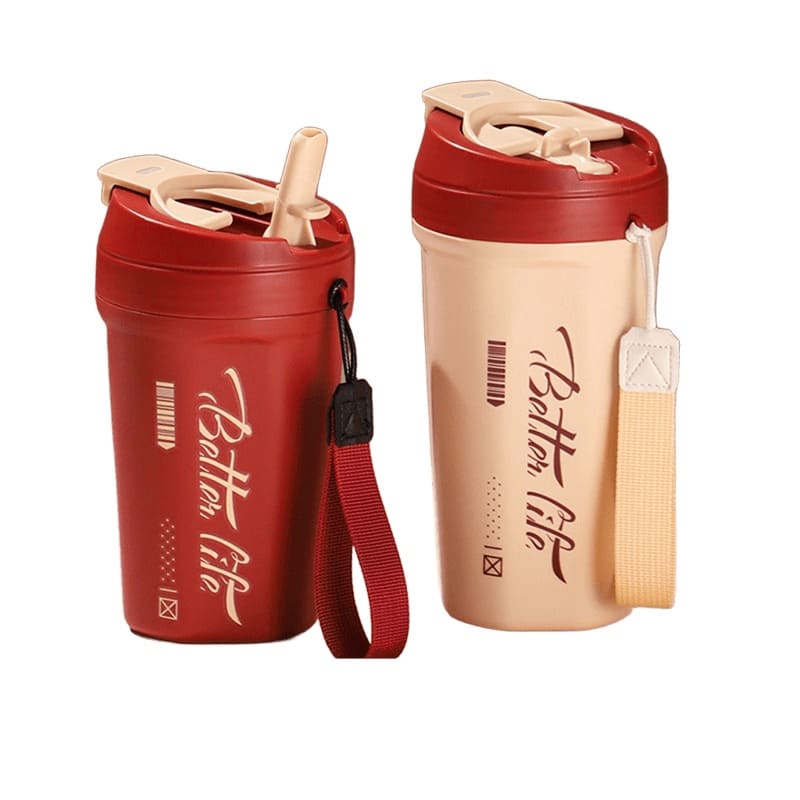
Packaging decisions feel like small details when you are placing a large order. They are not. Every choice you make about the box, the insert, and the test data will either save you money or cost you money. I have seen both outcomes. Here is what you need to know before you approve your next production run.
How to Package a Coffee Mug for Shipping?
A mug arrives broken. Your customer sends photos. You contact the factory. The factory says the mug was fine when it left. You are stuck in the middle with no proof and a refund to issue.
Packaging an insulated coffee mug for shipping means choosing the right box material, the right insert type, and the right finish—then verifying it all holds up with a drop test before mass production starts.

Gift Box Specifications
The gift box is the first physical thing your end customer touches. A weak or generic box signals that the product inside is also weak and generic. For insulated coffee mugs sold through retail channels, I recommend gift boxes made from 350–400gsm paperboard. This weight is stiff enough to hold its shape during stacking and transit.
Here are the main spec decisions you need to lock in before production:
| Spec | Options | Recommendation |
|---|---|---|
| Board weight | 300gsm / 350gsm / 400gsm | 350–400gsm for retail |
| Printing | CMYK / Pantone | Pantone for brand color accuracy |
| Finish | Matte lamination / Gloss / UV spot | Matte lamination for premium feel |
| Box style | Lid and base / Magnetic closure / Sleeve | Lid and base for cost efficiency |
Insert Types
The insert keeps the mug from moving inside the box. Movement during transit causes dents, scratches, and broken lids. You have three main options.
Foam inserts hold the mug tightly and give a premium unboxing feel. They cost more but work well for high-end retail positioning.
Molded pulp trays are eco-friendly and increasingly preferred by North American retailers. They are lighter and cheaper than foam.
Corrugated dividers are the lowest-cost option. They work for bulk inner packs but do not give the same unboxing experience as the other two.
Drop Test Requirements
For an FCL order, your cartons go through many handling points. Factory floor. Forklift to container. Sea transit vibration. Unloading at port. Final truck delivery to your warehouse. Each step is a chance for damage.
A drop test simulates these conditions before your goods ship. Standard protocols like ISTA 3A or ASTM D4169 test cartons by dropping them from heights of 30–76cm, depending on package weight1. The test checks corners, edges, and flat faces.
I always ask suppliers to send a drop test report before I approve mass production. If a supplier cannot provide one, I treat that as a red flag. The cost of a failed packaging design shows up in your damage rate, your customer disputes, and your reorder volume.
What Size Box Do I Need to Ship a Mug?
You got your packaging right. Now you book your container. But the carton dimensions were never optimized. You end up with wasted space, extra pallets, and a higher freight cost per unit than you planned.
The right outer carton size depends on your mug dimensions, your desired quantity per carton, and how those cartons stack inside a standard shipping container.
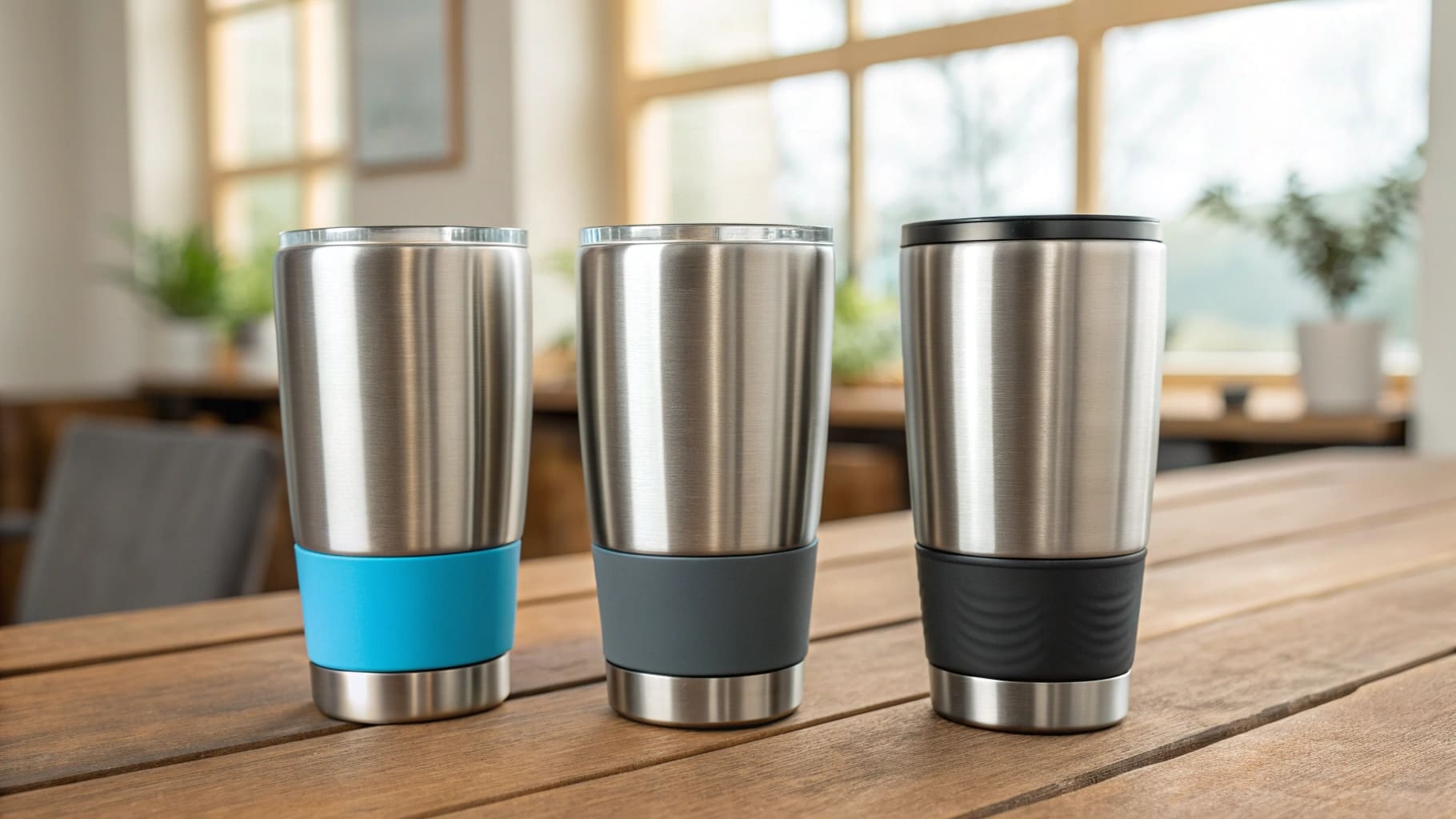
Inner Pack vs. Outer Carton
Most B2B orders use a two-layer system. The gift box holds one mug. The outer carton holds a set number of gift boxes. The outer carton is what gets palletized and loaded into the container.
Getting this sizing right has a direct effect on your container utilization and your total freight cost.
| Configuration | Impact |
|---|---|
| Oversized outer carton | Higher dimensional weight, wasted container space |
| Undersized outer carton | More cartons to handle, higher labor cost |
| Optimized outer carton | Maximum units per pallet, better container fill rate |
Container Utilization
A standard 20GP container holds roughly 2,300–2,800 insulated coffee mugs2 depending on mug size, gift box dimensions, and how the outer cartons are stacked. A 40HQ container can hold close to double that volume.
The difference between a well-sized and a poorly sized carton can mean fitting 26 pallets versus 28 pallets into the same container3. At scale, that is hundreds of units per shipment that you either gain or lose based on a box dimension decision made before production.
Here is a simple way to think about it. Before you finalize your outer carton spec, ask your supplier to run a container loading plan. Most factories that handle regular export orders can provide this. It shows you exactly how many cartons fit per layer, how many layers per pallet, and how many pallets fit per container. If your supplier cannot do this, you can request it from your freight forwarder instead.
The goal is to keep your cost per unit as low as possible. Box size is one of the levers you control directly.
How Much Does It Cost to Ship a Coffee Mug USPS?
You are importing thousands of mugs at a time. But your retail partners or end customers ask about individual shipping costs. You need to understand the math so you can price your product correctly across every channel.
USPS shipping cost for a single coffee mug depends on weight, box dimensions, and destination. For a typical insulated mug in a gift box, the total package weight is around 500–700 grams, and USPS rates for that weight range from roughly $5–$10 for domestic US delivery depending on service level4.

Why This Matters for B2B Buyers
You are not shipping mugs one by one. You are importing full containers and distributing at wholesale. But understanding unit-level shipping economics helps you build a complete cost model, especially if any of your retail clients use direct-to-consumer or omnichannel fulfillment.
Here is how packaging cost fits into the bigger picture of your total landed cost:
| Cost Component | Typical Range |
|---|---|
| Product FOB price | Base cost |
| Gift box and insert | 8–15% of FOB |
| Outer carton and packing | 2–4% of FOB |
| Ocean freight (per unit, FCL) | Varies by route and season |
| Import duties and customs | Varies by HS code and country |
| Last-mile delivery (if DTC) | $5–$10 per unit via USPS |
FOB vs. CIF and What It Means for Your Packaging Costs
When you buy on FOB terms, you take responsibility for the goods once they are loaded onto the vessel5. This means any damage during ocean transit is your risk. Proper packaging and drop-tested cartons are not optional under FOB—they are your financial protection.
When you buy on CIF terms, the supplier covers freight and insurance to your destination port6. This sounds easier, but it gives the supplier control over freight routing and packaging standards. I have seen CIF shipments arrive with under-spec cartons because the supplier optimized for their own freight cost, not for your damage rate.
My recommendation is to negotiate FOB terms, specify your own packaging standards in writing, request drop test reports before production approval, and use a freight forwarder you trust. This gives you control over every variable that affects your total landed cost.
Understanding what a mug costs to ship at the unit level also helps you have informed conversations with your retail clients about pricing, margins, and fulfillment options. That kind of knowledge builds your credibility as a supplier and makes you harder to replace.
Conclusion
Specify your gift box, inserts, and drop tests before production. Get your carton dimensions right. Know your unit shipping costs. These decisions protect your margins and your brand.
-
"[PDF] 3A 2 - International Safe Transit Association", https://ista.org/docs/3Aoverview.pdf. ASTM D4169 and ISTA 3A are standardized test protocols for distribution packaging; both specify drop heights as a function of package weight, with ASTM D4169 Cycle II drop heights ranging from approximately 30cm to over 76cm for packages under 68kg. Evidence role: definition; source type: institution. Supports: The drop height parameters specified in ISTA 3A and ASTM D4169 test protocols as a function of package weight. Scope note: Exact drop height tables are defined within the full paid standards documents; the figures cited in the article should be verified against the current published versions of each protocol. ↩
-
"ISO 668 - Wikipedia", https://en.wikipedia.org/wiki/ISO_668. A standard ISO 20-foot general purpose container has an internal volume of approximately 33 cubic meters and a maximum payload of approximately 28,000kg; actual unit counts for any given product depend on individual item and carton dimensions, stacking configuration, and weight constraints. Evidence role: general_support; source type: institution. Supports: The internal volume and payload capacity of a standard 20-foot general purpose (20GP) ISO shipping container. Scope note: The 2,300–2,800 mug estimate in the article is product-specific and cannot be verified without knowing the exact mug dimensions, gift box size, and outer carton configuration used in the calculation. ↩
-
"GMA Pallet Standards and Specifications | ProStack", https://prostack.com/gma-pallet-grades/. A standard 40-foot container floor measures approximately 12 meters by 2.35 meters; using standard GMA pallets (1,016mm × 1,219mm), a typical floor configuration accommodates 20–24 pallets in a single layer, with actual counts varying based on pallet orientation and carton overhang. Evidence role: general_support; source type: institution. Supports: How standard pallet dimensions and container floor dimensions determine the number of pallets that can be loaded per container. Scope note: The 26 vs. 28 pallet figures cited in the article are illustrative and depend on specific pallet dimensions, carton footprint, and stacking height; they are not directly verifiable without the specific carton dimensions referenced. ↩
-
"United States Postal Service (USPS) Charges and Rates", https://www.macalester.edu/mailing-services/chargesrates/. USPS publishes current domestic parcel rates for services including First-Class Package Service and Priority Mail; rates are determined by package weight, dimensions, and destination zone, and are subject to periodic adjustment. Evidence role: statistic; source type: government. Supports: Current USPS domestic parcel shipping rates for packages in the 500–700 gram weight range. Scope note: The $5–$10 range cited in the article reflects a point-in-time estimate; actual rates depend on the specific service selected, origin-destination zone, and whether commercial or retail pricing applies, and should be verified against current USPS rate tables. ↩
-
"Know Your Incoterms - International Trade Administration", https://www.trade.gov/know-your-incoterms. Under Incoterms 2020 published by the International Chamber of Commerce, FOB (Free On Board) specifies that risk transfers from seller to buyer when the goods are placed on board the nominated vessel at the named port of shipment. Evidence role: definition; source type: institution. Supports: The point at which risk transfers from seller to buyer under FOB (Free On Board) terms as defined by Incoterms. ↩
-
"Know Your Incoterms - International Trade Administration", https://www.trade.gov/know-your-incoterms. Under Incoterms 2020, CIF (Cost, Insurance and Freight) requires the seller to contract and pay for freight and minimum insurance cover to the named destination port, though risk transfers to the buyer once goods are on board the vessel at the port of origin. Evidence role: definition; source type: institution. Supports: The obligations of the seller under CIF (Cost, Insurance and Freight) terms as defined by Incoterms. Scope note: The article's characterization that CIF 'covers freight and insurance to your destination port' is accurate for cost responsibility but may be misread as implying risk also transfers at destination, which is not the case under Incoterms 2020. ↩