
Which Coatings Keep Insulated Coffee Mugs Stain-Free From Tea and Syrups?
Tea and syrup stains are killing your product reviews. Your customers complain. Your return rates climb. And your brand takes the hit — not the supplier who sold you the mug.
The best coatings for stain resistance in insulated coffee mugs are ceramic interior coatings and electropolished 316 stainless steel surfaces. Ceramic coatings block tannins and syrup residue from bonding to the metal. Electropolishing removes surface defects where stains form. Both options reduce cleaning complaints and protect your brand reputation.
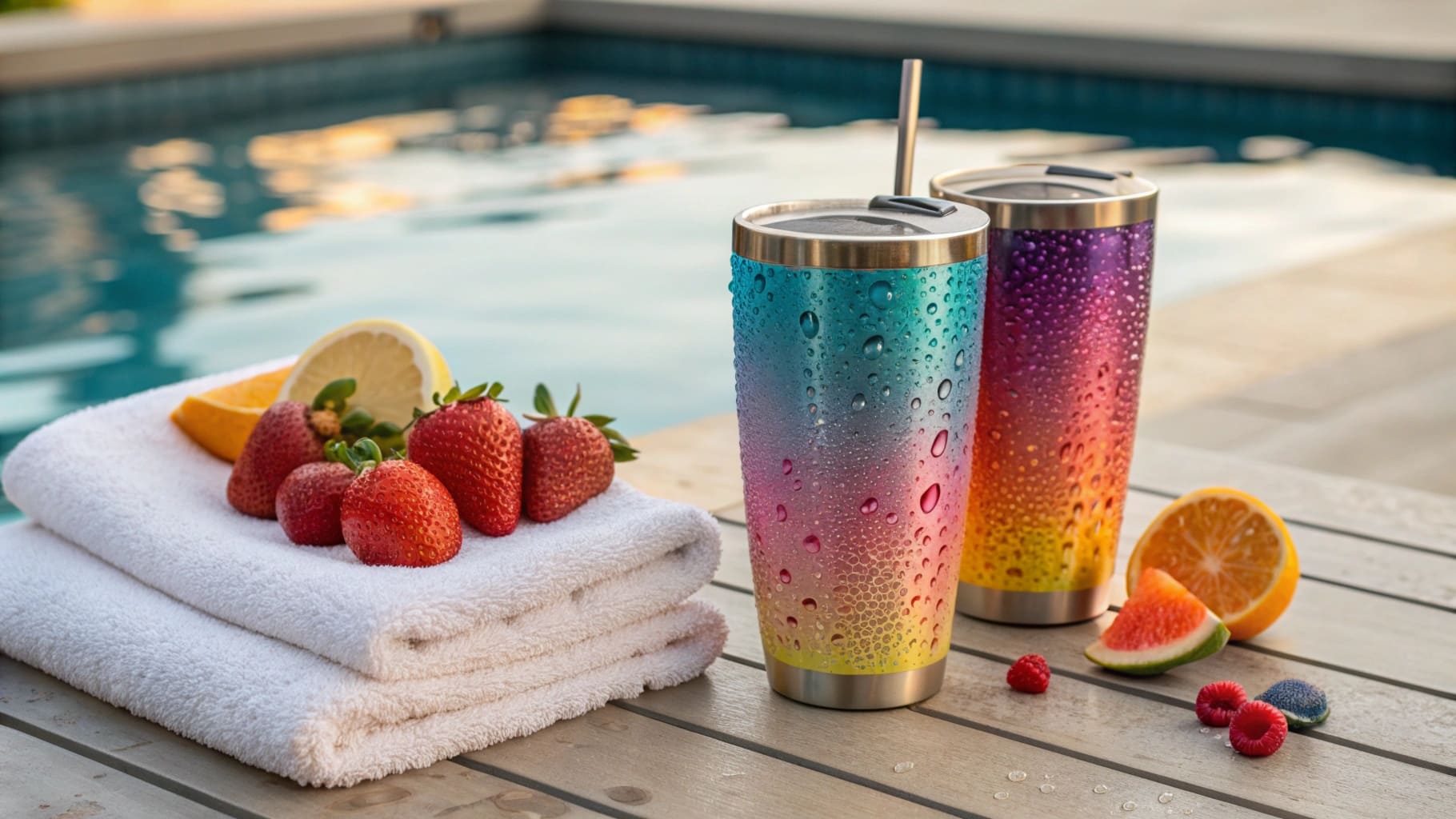
Stain resistance is no longer a bonus feature. It is a baseline expectation. Brands like Yeti have trained consumers to expect mugs that stay clean and look new after months of daily use. If you are sourcing insulated mugs for the North American or European market, the coating inside the mug will directly affect your return rates, your reviews, and your repeat orders. I want to walk you through the coatings that actually work, why they work, and what questions you should be asking your supplier before you place an order.
How Do You Choose the Right Interior Coating for Stain Resistance?
Most buyers focus on the outside of a mug — the color, the finish, the logo placement. But the inside is where the real quality gap between suppliers shows up.
Ceramic interior coatings and electropolished 316 stainless steel are the two most reliable options for stain resistance. Ceramic creates a smooth, non-porous barrier. Electropolishing removes micro-defects on the steel surface.1 Both prevent stain compounds from bonding to the interior wall.
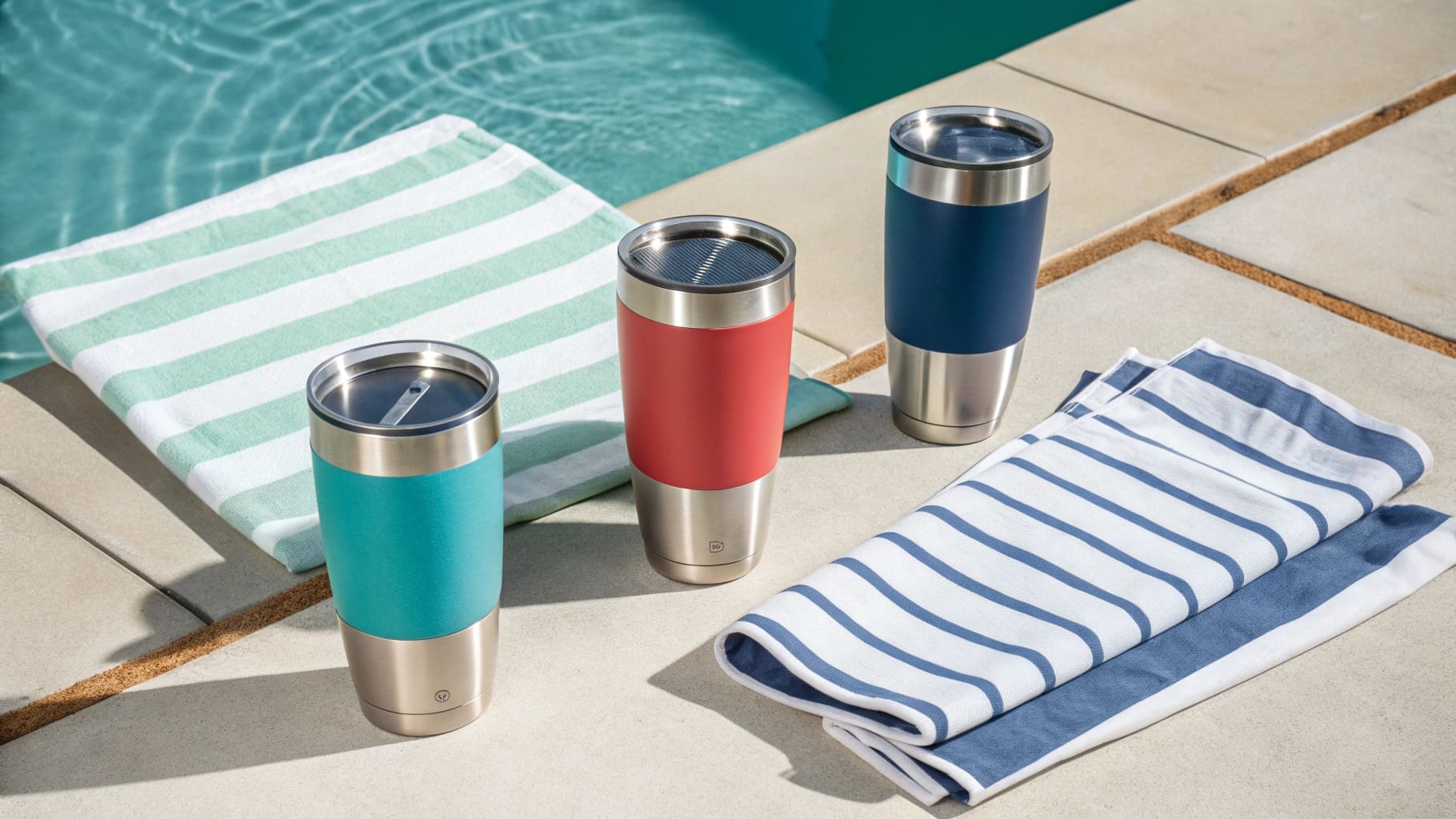
Ceramic Coatings
Ceramic coatings work by creating a sealed, non-porous layer on the inside of the mug. Tea contains tannins. Syrups leave sticky, sugar-based residue. Both of these bond easily to raw or rough metal surfaces. A good ceramic coating stops that bonding from happening.
The problem is that not all ceramic coatings are equal. I have seen samples from suppliers that look identical on the surface but perform very differently after 60 thermal cycles — the kind of repeated heating and cooling that happens when a customer uses their mug every day. Lower-quality ceramic finishes chip, crack, or peel after this kind of stress. Once the coating breaks down, the exposed metal underneath stains fast and is almost impossible to clean.
Here is what I look for when evaluating ceramic coating quality from a supplier:
| Evaluation Criteria | What to Look For | Red Flag |
|---|---|---|
| Adhesion test | Coating stays intact after thermal cycling | Peeling or flaking after 50+ cycles |
| Thickness consistency | Even coverage across the full interior surface | Thin spots near the base or seam |
| Food safety certification | FDA or LFGB compliance documentation | No third-party test reports provided |
| Surface smoothness | Low surface roughness rating (Ra value) | Rough or uneven texture when inspected |
Electropolished 316 Stainless Steel
Electropolishing is a different approach. There is no coating added. Instead, the steel surface itself is refined at a microscopic level. The process removes tiny peaks and valleys in the metal where stains typically settle and accumulate. What is left is an ultra-smooth, passivated surface that resists discoloration naturally.
316-grade steel is more expensive than the standard 304 grade, but it offers better corrosion resistance2 and performs better after long-term contact with acidic drinks like tea or coffee with citrus. For buyers targeting premium retail channels, electropolished 316 interiors justify a higher price point and generate fewer complaints from end customers.
How to Get Rid of Tea Stains in a Thermos?
Your end customer just found a brown ring at the bottom of their thermos. They blame the product. They leave a one-star review. This is a common situation, and it is mostly preventable.
Tea stains in a thermos can be removed using white vinegar, baking soda, or denture cleaning tablets.3 These methods work without damaging the interior surface. Rinsing the thermos after each use prevents stains from setting in the first place.
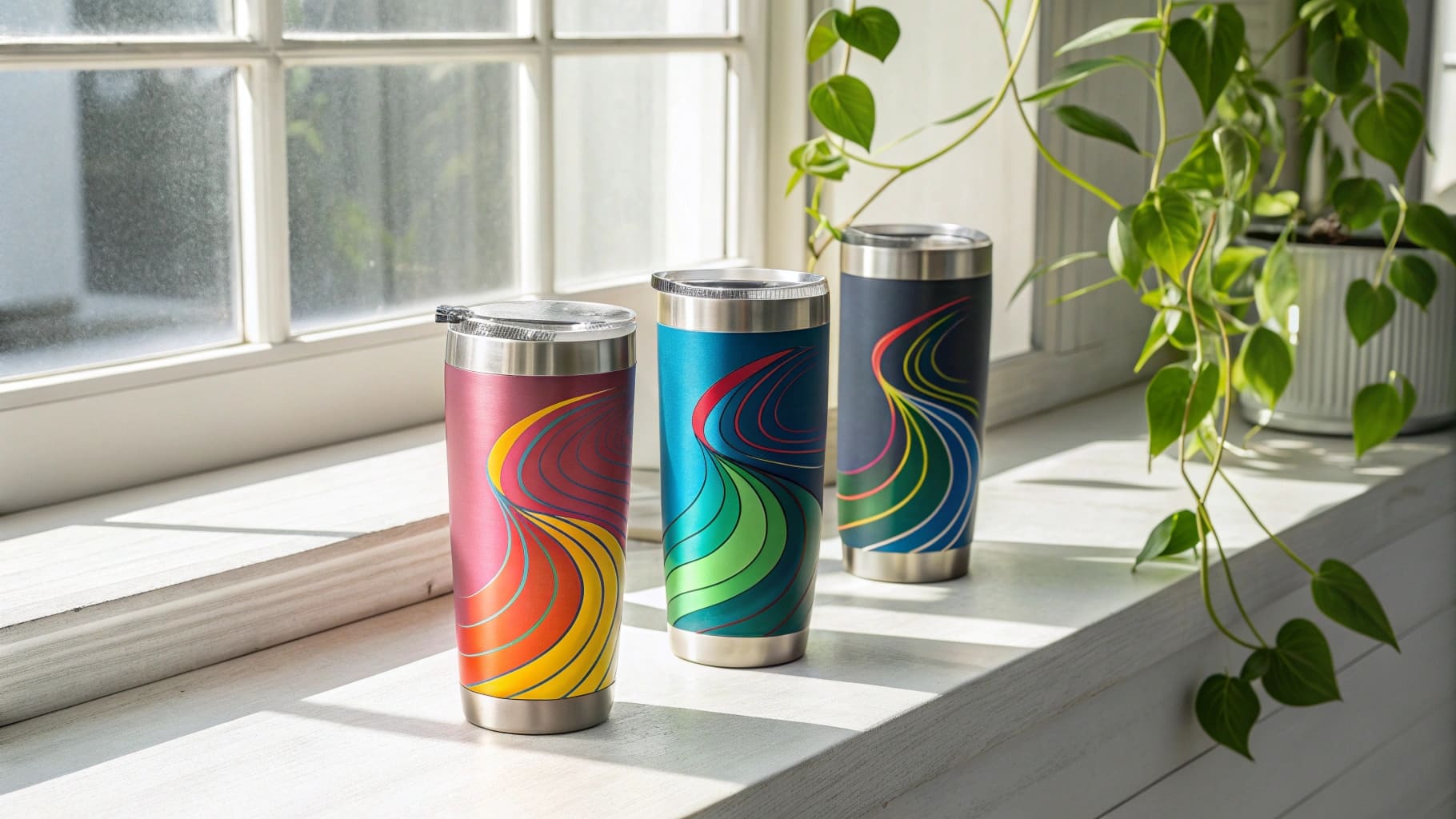
The root cause of tea staining inside a thermos is tannin buildup. Tannins are natural compounds in tea. They bond to surfaces over time, especially when the interior is rough, porous, or has microscopic surface damage.4 Heat accelerates this bonding, which is why thermos users see staining faster than people using regular open cups.
Here is a breakdown of the most common cleaning methods and when to use them:
| Cleaning Method | How It Works | Best For | Limitation |
|---|---|---|---|
| White vinegar soak | Acetic acid breaks down tannin compounds | Light to moderate staining | Strong smell during use |
| Baking soda paste | Mild abrasion lifts surface stains | Surface-level discoloration | Less effective on deep stains |
| Denture tablets | Effervescent action loosens residue in hard-to-reach areas | Deep interior staining | Cost per use adds up |
| Bottle cleaning brush | Physical scrubbing removes loose residue | Regular maintenance | Cannot fix bonded stain buildup alone |
From a B2B sourcing perspective, this matters. If you can pair a stain-resistant interior coating with a clear care guide, you reduce customer complaints before they happen. Including a care card or printing brief care instructions on the packaging is a small investment. It signals product quality and reduces your after-sales workload.
At Icobottle, I always recommend that buyers include basic care guidance with their branded drinkware. It costs almost nothing. It prevents a large share of the one-star reviews that are actually caused by user behavior, not product defects.
How Do You Get Tea Stains Out of Yeti Cups?
Yeti is the benchmark brand for insulated drinkware in North America. Consumers trust the brand, and they expect the product to hold up. But even Yeti cups stain if the user does not rinse them after use.
Tea stains in Yeti cups respond well to a white vinegar and water soak followed by a soft brush scrub. The interior coating on most Yeti cups is designed to resist staining, but tannin buildup can still occur with heavy use. Vinegar breaks the tannin bond. Gentle scrubbing removes what is left.

Yeti's product success gives a useful reference point for B2B buyers. The brand does not compete on price. It competes on product performance and brand perception. One of the things that supports their premium positioning is the quality of the interior surface — it cleans up well and does not show staining easily under normal use.
If you are building a brand that competes in the same retail tier, or even targets buyers who compare your product to Yeti, the interior surface quality matters more than most buyers realize. Here is how the interior surface choices compare directly:
| Interior Surface Type | Stain Resistance | Cleaning Ease | Price Impact | Best Market Fit |
|---|---|---|---|---|
| Standard 304 SS (no treatment) | Low | Moderate | Low | Entry-level / budget products |
| High-quality ceramic coating | High | Easy | Medium | Mid-range and premium branded products |
| Electropolished 316 SS | Very High | Very Easy | High | Premium and corporate gifting market |
| Low-quality ceramic coating | Low (degrades fast) | Hard after coating fails | Medium (misleading) | Avoid — high return risk |
The gap between a standard 304 interior and an electropolished 316 interior is significant in terms of long-term stain performance. The price difference at the manufacturing level is smaller than most buyers expect. The difference in customer satisfaction and return rates is much larger.
One thing I tell buyers directly: do not let a supplier show you a new, clean sample and use that as your quality benchmark. Ask for a sample that has been through 60 thermal cycles. Fill it with strong black tea for 24 hours. Then inspect the interior. That is what your customers will experience after three months of use. That is the test that matters.
Does White Vinegar Remove Tea Stains From Cups?
White vinegar is one of the most recommended household cleaners for tea-stained drinkware. Customers ask about it constantly. It is worth understanding exactly why it works — and where its limits are.
Yes, white vinegar removes tea stains from cups. The acetic acid in white vinegar breaks down tannin compounds, which are the main cause of brown staining from tea. A 30-minute soak in diluted white vinegar, followed by rinsing, is enough for most stain cases.

White vinegar works because tannins are organic compounds, and acetic acid reacts with them chemically. The acid does not scratch or damage a well-applied ceramic coating or a passivated steel surface.5 This makes it safe for regular use inside quality insulated mugs.
Here is where it gets relevant for B2B buyers. The fact that white vinegar works so well creates a marketing angle that is easy to overlook:
| Marketing Angle | What It Communicates | Target Consumer |
|---|---|---|
| "Clean with just vinegar and water" | Chemical-free maintenance routine | Health-conscious consumers |
| "No harsh scrubbing needed" | Durable, low-maintenance interior | Busy professionals |
| "Stays clean longer between washes" | High-quality interior coating | Premium product buyers |
| "Simple care, long product life" | Value and sustainability | Eco-aware consumers |
These are not complicated messages. They are honest descriptions of what a good stain-resistant interior actually delivers. If your product can back up these claims, they become part of your product positioning.
There is also a practical limit to vinegar. It handles tannin stains well. It is less effective on mineral deposits or protein-based residue from dairy.6 For buyers whose end customers use their mugs for lattes or protein shakes, a broader care guide that covers different stain types will serve better.
The brands that reduce returns are the ones that treat the product experience as extending beyond the mug itself — into the information they give customers about how to keep it performing well.
Conclusion
The right interior coating prevents stains, protects your brand, and reduces returns. Pair ceramic or electropolished 316 steel with clear care guidance to turn a common complaint into a competitive edge.
-
"Electrochemical Polishing of Austenitic Stainless Steels - PMC - NIH", https://pmc.ncbi.nlm.nih.gov/articles/PMC7321480/. Technical descriptions of electropolishing explain that the process preferentially dissolves microscopic surface asperities, lowers roughness, and improves passive stainless-steel surfaces, supporting the claim that it removes micro-defects. Evidence role: mechanism; source type: institution. Supports: Electropolishing removes micro-defects on the steel surface.. Scope note: The evidence supports the electropolishing mechanism generally; stain-resistance outcomes depend on alloy, process control, and use conditions. ↩
-
"[PDF] Studies Related to Microbially Induced Corrosion of Stainless Steel ...", https://openprairie.sdstate.edu/cgi/viewcontent.cgi?article=2758&context=etd. Stainless-steel reference sources distinguish 316 stainless steel from 304 by its molybdenum content and generally higher corrosion resistance, especially in more aggressive environments. Evidence role: expert_consensus; source type: education. Supports: 316-grade steel offers better corrosion resistance than standard 304 grade.. Scope note: This supports comparative corrosion resistance, not a universal cost differential or direct stain performance in insulated mugs. ↩
-
"Remove Stains From Coffee, Tea | Textiles - University of Georgia", https://site.extension.uga.edu/textiles/care/stain-removal/remove-stains-from-coffee-tea/. Household and extension cleaning guidance commonly identifies dilute vinegar, baking soda, and effervescent denture cleaners as methods for removing beverage stains from cups or bottles. Evidence role: general_support; source type: education. Supports: Tea stains in a thermos can be removed using white vinegar, baking soda, or denture cleaning tablets.. Scope note: Such guidance supports household cleaning practice; effectiveness varies with stain age, surface condition, and coating durability. ↩
-
"Combined Effects of Surface Roughness, Solubility Parameters, and ...", https://pmc.ncbi.nlm.nih.gov/articles/PMC11596770/. Studies of surface fouling and adsorption show that organic compounds adhere more readily to rough or porous surfaces because increased surface area and defects provide more sites for retention. Evidence role: mechanism; source type: paper. Supports: Tannins and related stain compounds bond more readily to rough, porous, or damaged interior surfaces over time.. Scope note: This is contextual support from surface science and fouling literature rather than direct proof for every tea-stain scenario in thermos interiors. ↩
-
"Corrosion resistance of stainless steels in hot acetic acid", https://www.sciencedirect.com/science/article/abs/pii/S0010938X25004895. Materials compatibility and stainless-steel passivation sources indicate that dilute acetic acid is generally compatible with properly passivated stainless steel and inert ceramic surfaces under ordinary household exposure. Evidence role: general_support; source type: institution. Supports: Dilute vinegar is unlikely to scratch or damage well-applied ceramic coatings or passivated stainless-steel surfaces under normal cleaning conditions.. Scope note: Compatibility depends on concentration, contact time, temperature, coating defects, and manufacturer care instructions. ↩
-
"Basic Elements of Equipment Cleaning and Sanitizing in Food ...", https://ask.ifas.ufl.edu/publication/FS077. Cleaning chemistry sources distinguish between mineral scale, organic tannin stains, and protein soils, noting that different soil types often require different cleaning chemistries or processes. Evidence role: mechanism; source type: education. Supports: Vinegar may not address mineral deposits or protein-based dairy residues as effectively as it addresses tannin stains.. Scope note: This supports the need for differentiated care guidance; it does not rank vinegar's effectiveness for every mineral or dairy residue condition. ↩