
Are Non-Insulated Water Bottles Viable for Promos? MOQ and Unit Economics
You want to run a big promo campaign. But the budget doesn't stretch to insulated bottles. You wonder if cutting down on specs means cutting down on results.
Non-insulated stainless steel water bottles are a strong choice for promotional campaigns. They cost 40–60% less than insulated options, start at MOQs of 500–1,000 units, and weigh less, which reduces shipping costs. For volume-based campaigns, the unit economics work clearly in their favor.
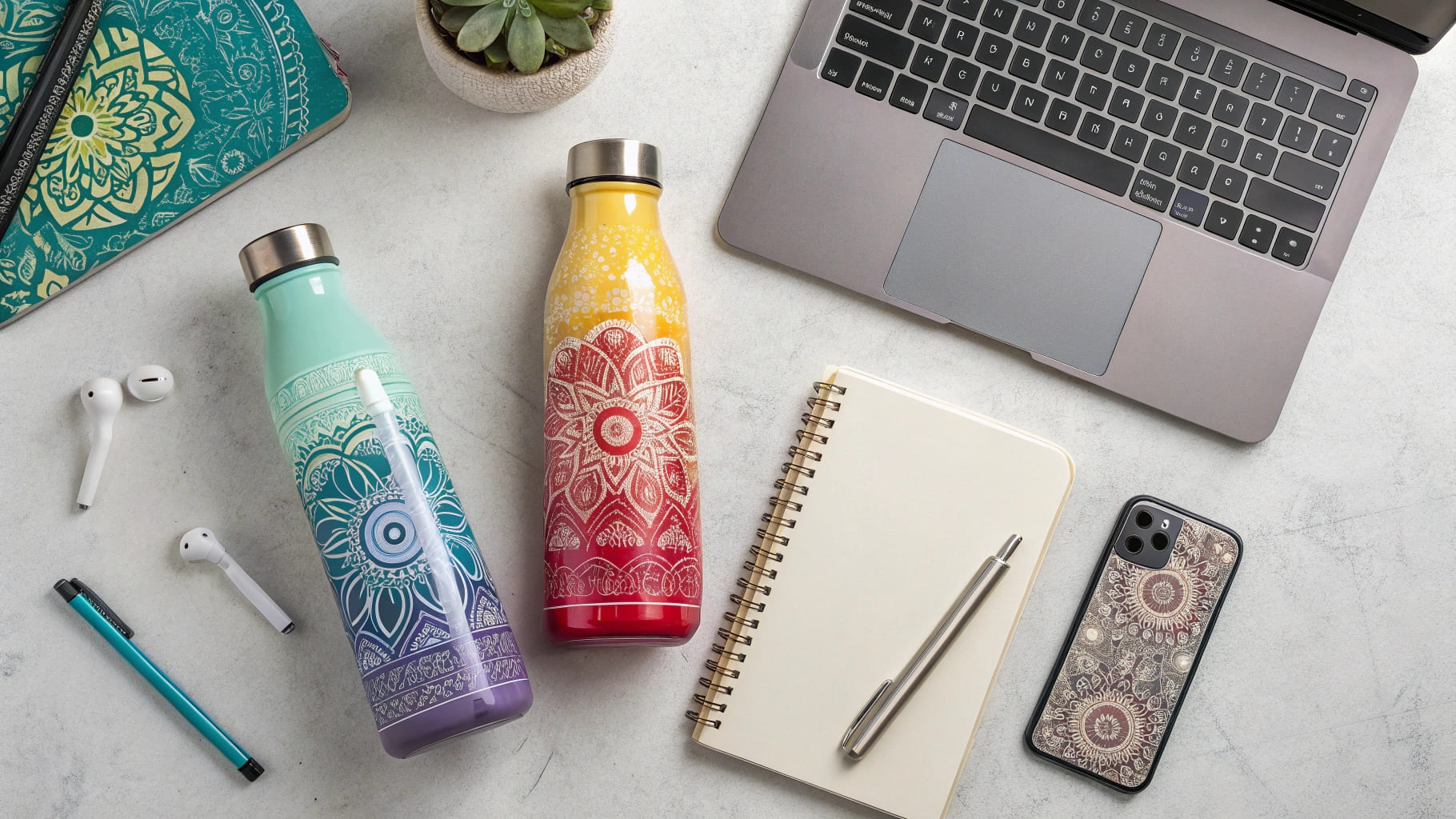
Most buyers I talk to assume they need insulated bottles to impress their audience. That assumption costs them more than it needs to. Once you break down the numbers—and match the bottle type to the actual use case—non-insulated bottles often make more sense. The rest of this article walks through exactly how that decision works.
Are Insulated Water Bottles Worth It?
You've seen insulated bottles priced two or three times higher than basic ones. You're not sure if the extra cost delivers real value, or if it's just marketing.
Insulated bottles are worth it when temperature retention matters to the end user. They keep cold drinks cold for up to 24 hours and hot drinks hot for up to 12 hours1. But when the end user doesn't need that, you're paying for a feature they won't use.

When Insulation Adds Real Value
Insulated bottles use double-wall vacuum construction2. This traps air between two walls and slows heat transfer. The result is a bottle that holds temperature much longer than a single-wall bottle. For a premium client gift or a high-end loyalty reward, that feature justifies the price.
But for a trade show giveaway or a company event, the story changes. Most people at those events fill the bottle with water and finish it within an hour. Temperature retention over 12 hours means nothing in that context.
Here's how the two options compare on the factors that matter most in a B2B promo context:
| Factor | Insulated Bottle | Non-Insulated Bottle |
|---|---|---|
| Unit cost | Higher (2–3x more) | Lower |
| MOQ | 3,000–5,000 units | 500–1,000 units |
| Weight | Heavier | Lighter |
| Shipping cost | Higher | Lower |
| Temperature retention | 6–24 hours | Room temperature only |
| Best use case | Premium gifts | Large-scale giveaways |
The cost gap compounds fast at scale. If you order 5,000 units and the non-insulated version saves you $3 per unit, that's $15,000 back in your budget. That money can go toward better packaging, a stronger branding execution, or simply better margin. I've seen buyers make this switch and immediately improve their campaign ROI without any drop in audience reception. The choice isn't about which bottle is better overall. It's about which bottle fits the job you're actually trying to do.
Is Selling Water Bottles a Good Business?
You're thinking about sourcing and reselling branded water bottles. But you're not sure if the market is worth entering, or if it's already too crowded.
Selling water bottles is a viable business when you focus on a clear segment. The reusable bottle market continues to grow, driven by sustainability trends and corporate wellness programs. The key is not selling bottles in general — it's selling the right bottle to the right buyer.
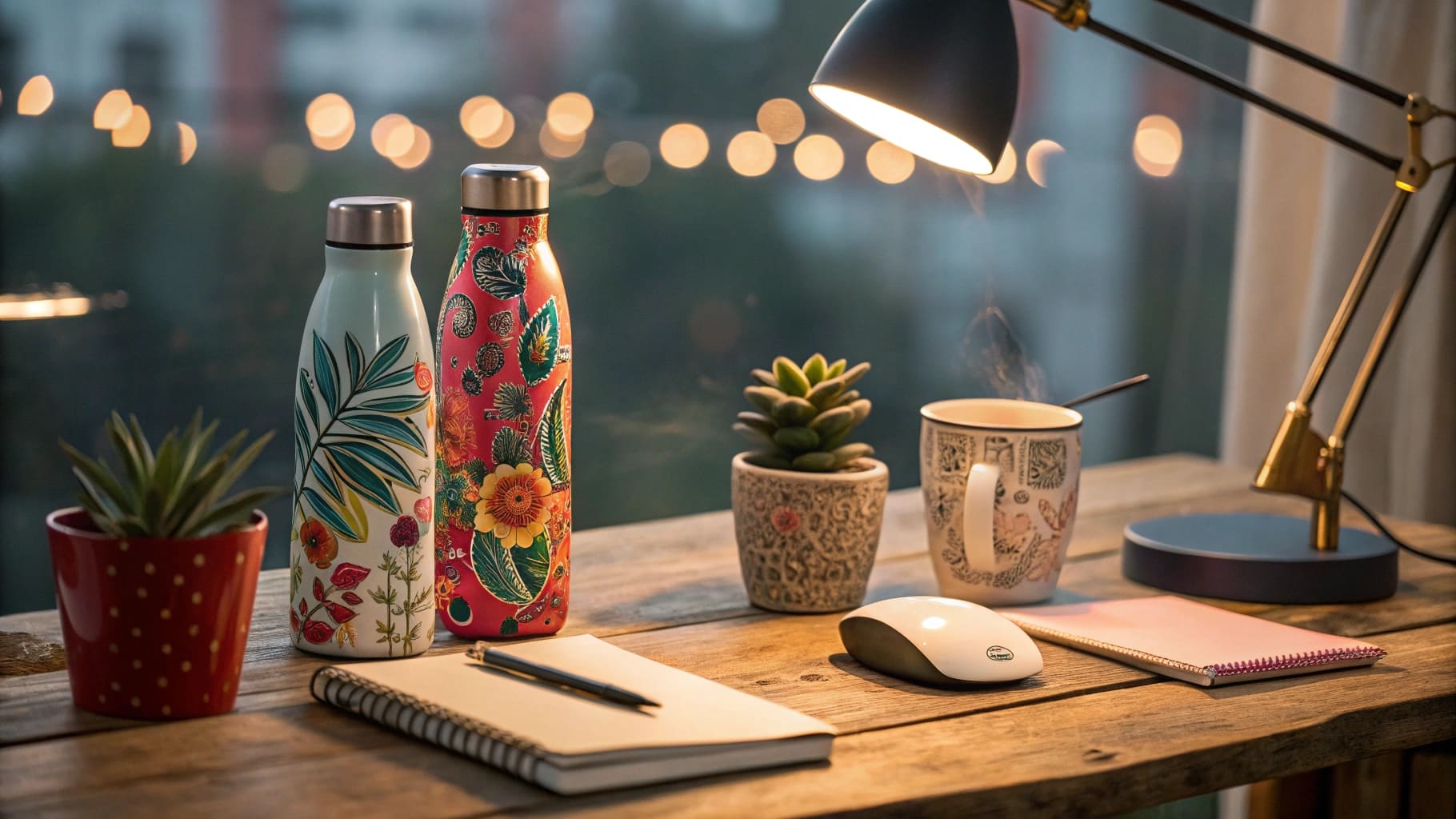
What Makes the Business Model Work
The profit model for water bottle resellers is straightforward. You source from a manufacturer in a country like China, apply your brand, and sell at a premium in your home market. The margin lives in the gap between your landed cost and your retail or wholesale price.
Non-insulated bottles give you a wider margin window because your starting cost is lower. This matters especially when you're testing a new market or a new customer segment. Lower MOQs also mean less cash tied up in inventory.
Here's a basic breakdown of what the economics can look like:
| Cost Item | Insulated Bottle | Non-Insulated Bottle |
|---|---|---|
| Unit FOB price (est.) | $4.00–$7.00 | $1.50–$3.50 |
| Shipping cost per unit | Higher (heavier) | Lower (lighter) |
| Branding / customization | Similar | Similar |
| Typical resale price | $20–$40 | $8–$18 |
| Margin potential | Moderate to high | High |
The risks in this business are real. Delayed shipments can cost you a peak sales season. Certificate fraud does happen — I've heard of buyers receiving fake FDA or LFGB documentation. And quality inconsistencies between a sample and a bulk order are a common complaint I hear from new buyers.
The way to manage these risks is to work with suppliers who can show verified certifications, have a clear production timeline, and communicate well throughout the process. When those three things are in place, the business model holds up well. At Icobottle, that's exactly how I run things, and it's what I'd tell any serious buyer to look for before placing an order.
What Is the Difference Between Insulated and Non-Insulated Water Bottles?
You've heard both terms but you're not fully sure what separates them. You want to know exactly what you're buying before you commit to an order.
The main difference is wall construction. Non-insulated bottles use a single wall of stainless steel. Insulated bottles use two walls with a vacuum layer in between. That vacuum layer slows heat transfer and keeps beverages at their starting temperature for hours.
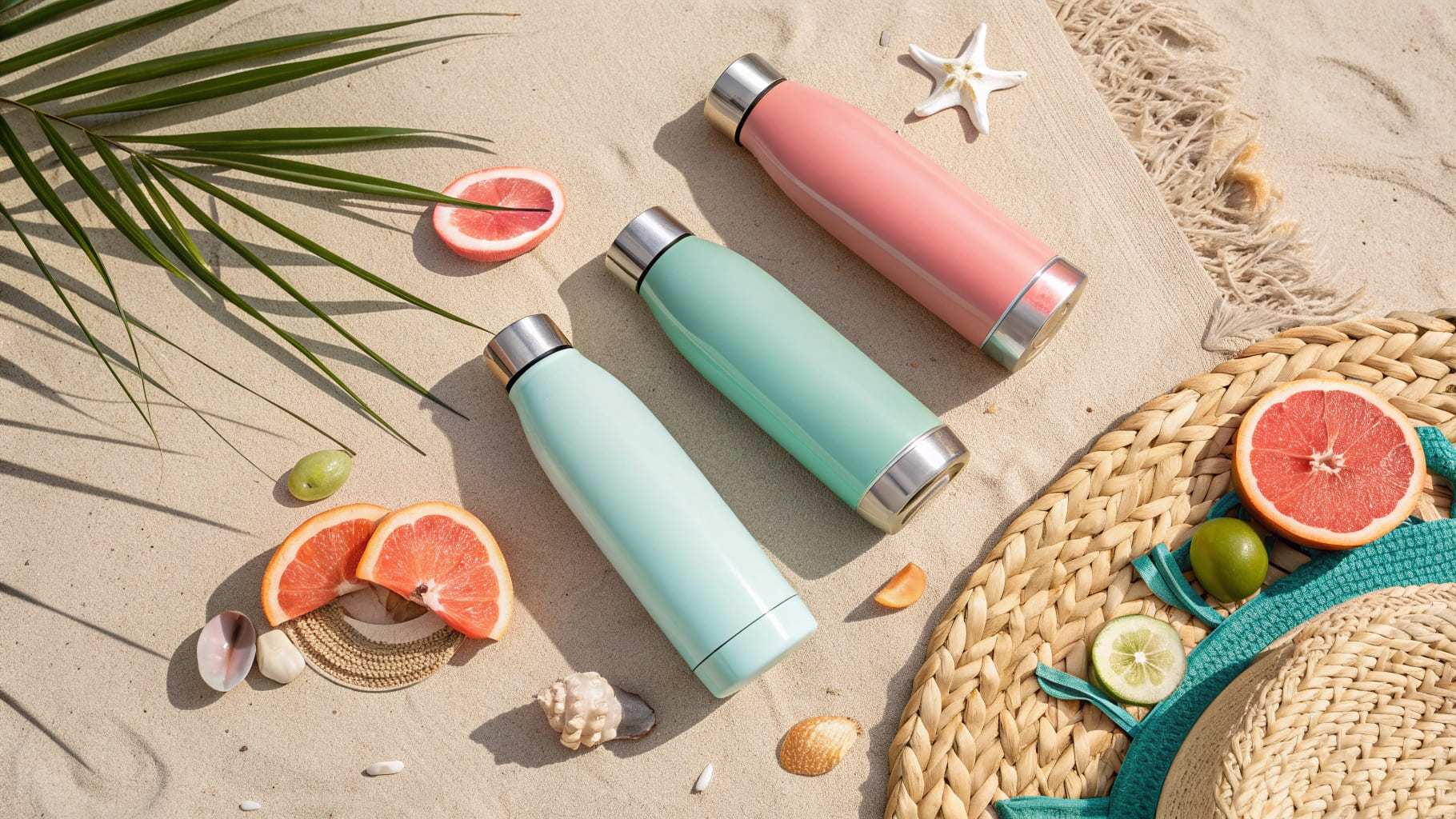
Breaking Down the Construction Difference
Single-wall bottles are simpler to make. They use less material, weigh less, and cost less. The steel used is typically 304 stainless steel, also called 18/8, which is food-safe and durable3. The outside of the bottle will feel warm if you fill it with a hot drink, and cold if you fill it with a cold drink. There is nothing between the contents and the outer wall to block heat from moving through.
Double-wall vacuum-insulated bottles add a second wall and remove the air between the two walls. That vacuum acts as an insulator. The outside of the bottle stays close to room temperature no matter what's inside. That's why condensation doesn't form on the outside — a detail that matters to desk users and bag carriers.
Here's a side-by-side on the construction and performance differences:
| Feature | Single-Wall (Non-Insulated) | Double-Wall Vacuum (Insulated) |
|---|---|---|
| Wall construction | One layer | Two layers + vacuum |
| Weight | Light | Heavier |
| Cold retention | No — matches ambient temp | Up to 24 hours |
| Hot retention | No — matches ambient temp | Up to 12 hours |
| Condensation on outside | Yes, with cold drinks | No |
| Manufacturing complexity | Low | High |
| Unit cost | Low | High |
| Best for | Room-temp drinks, promos | Hot or cold drinks, daily use |
For a B2B buyer, this difference matters at the sourcing level too. Single-wall bottles have fewer production steps, which means shorter lead times and less room for quality issues. The lid and seal construction is also simpler, which reduces the chance of leaks or defects in bulk orders. If your end user just needs a clean, durable, branded bottle for daily water intake, the single-wall bottle does that job completely. You don't need a vacuum layer for someone drinking water at a desk or carrying a bottle to a gym class where they'll finish it in one session.
Conclusion
Non-insulated bottles win on cost, MOQ, and shipping. Match the bottle to the use case, and they deliver strong ROI for most promotional campaigns.
-
"Vacuum flask", https://en.wikipedia.org/wiki/Vacuum_flask. A neutral source on vacuum flasks should support that vacuum-insulated containers substantially slow heat transfer and can maintain beverage temperature for many hours; if the source does not verify the exact 24-hour cold and 12-hour hot figures, those numbers should be treated as product-dependent examples rather than universal performance values. Evidence role: mechanism; source type: encyclopedia. Supports: Insulated bottles can retain cold or hot beverage temperatures for extended periods.. Scope note: Temperature-retention times vary by bottle design, lid design, starting temperature, fill volume, ambient temperature, and test method. ↩
-
"Vacuum flask - Wikipedia", https://en.wikipedia.org/wiki/Vacuum_flask. A reference on vacuum flasks should document that these containers typically use two walls separated by a vacuum to reduce heat transfer between the contents and the environment. Evidence role: definition; source type: encyclopedia. Supports: Insulated bottles use double-wall vacuum construction.. ↩
-
"Stainless Steel Leaches Nickel and Chromium into Foods ...", https://pmc.ncbi.nlm.nih.gov/articles/PMC4284091/. A materials or food-safety source should confirm that Type 304 stainless steel is commonly designated 18/8 because of its chromium and nickel composition and is widely used for food-contact applications due to corrosion resistance. Evidence role: definition; source type: institution. Supports: 304 stainless steel is also called 18/8 and is commonly used for food-safe, durable drinkware.. Scope note: Food-contact suitability also depends on surface finish, manufacturing quality, and compliance with applicable migration or contact-material regulations. ↩