
Boat stainless cup holders: hole sizes, screws, drainage, and gasket specs
I struggled with returns last year. My clients complained their premium bottles didn't fit boat cup holders. The problem was simple but costly.
Standard boat cup holders have a 3.5-inch top diameter and 2.5-inch base diameter. Most use #8 stainless steel screws and include drainage holes. Quality holders feature rubber gaskets1 to prevent rattling and protect your drinkware.
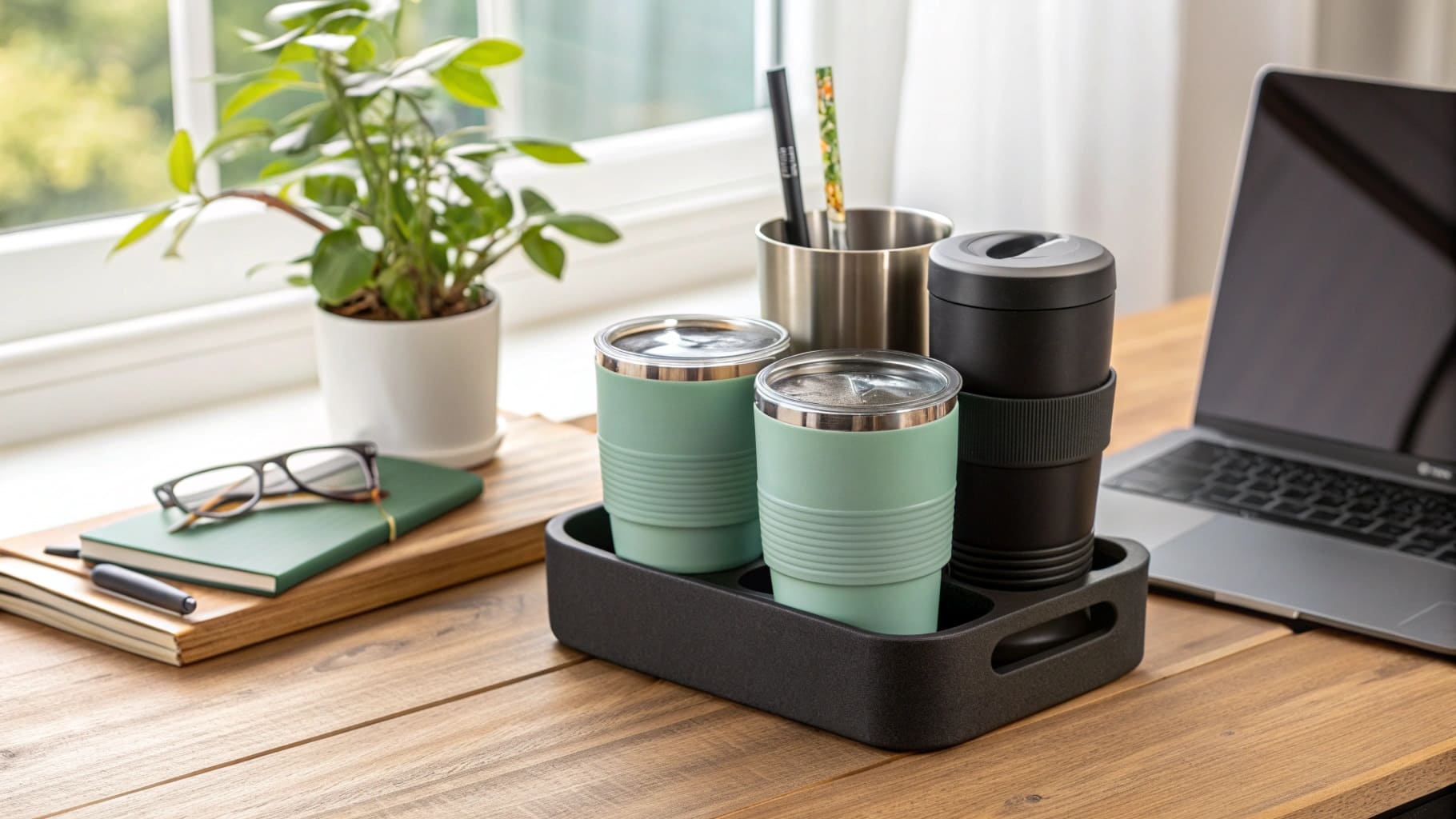
I learned this lesson the hard way. One of my wholesale clients ordered 5,000 stainless steel tumblers. They returned 30% because the base was too wide for their customers' boat cup holders. That mistake taught me something valuable. Understanding cup holder specs across different applications isn't optional anymore. It's essential for survival in the B2B drinkware business.
What is the diameter of a golf cart cup holder?
Golf cart cup holders seemed straightforward until I visited a course in Arizona. The owner showed me three different cart models. Each had slightly different holder sizes.
Golf cart cup holders typically measure 3.25 to 3.5 inches in diameter. Most follow automotive standards. The depth ranges from 2.5 to 3 inches to accommodate various drinkware sizes.
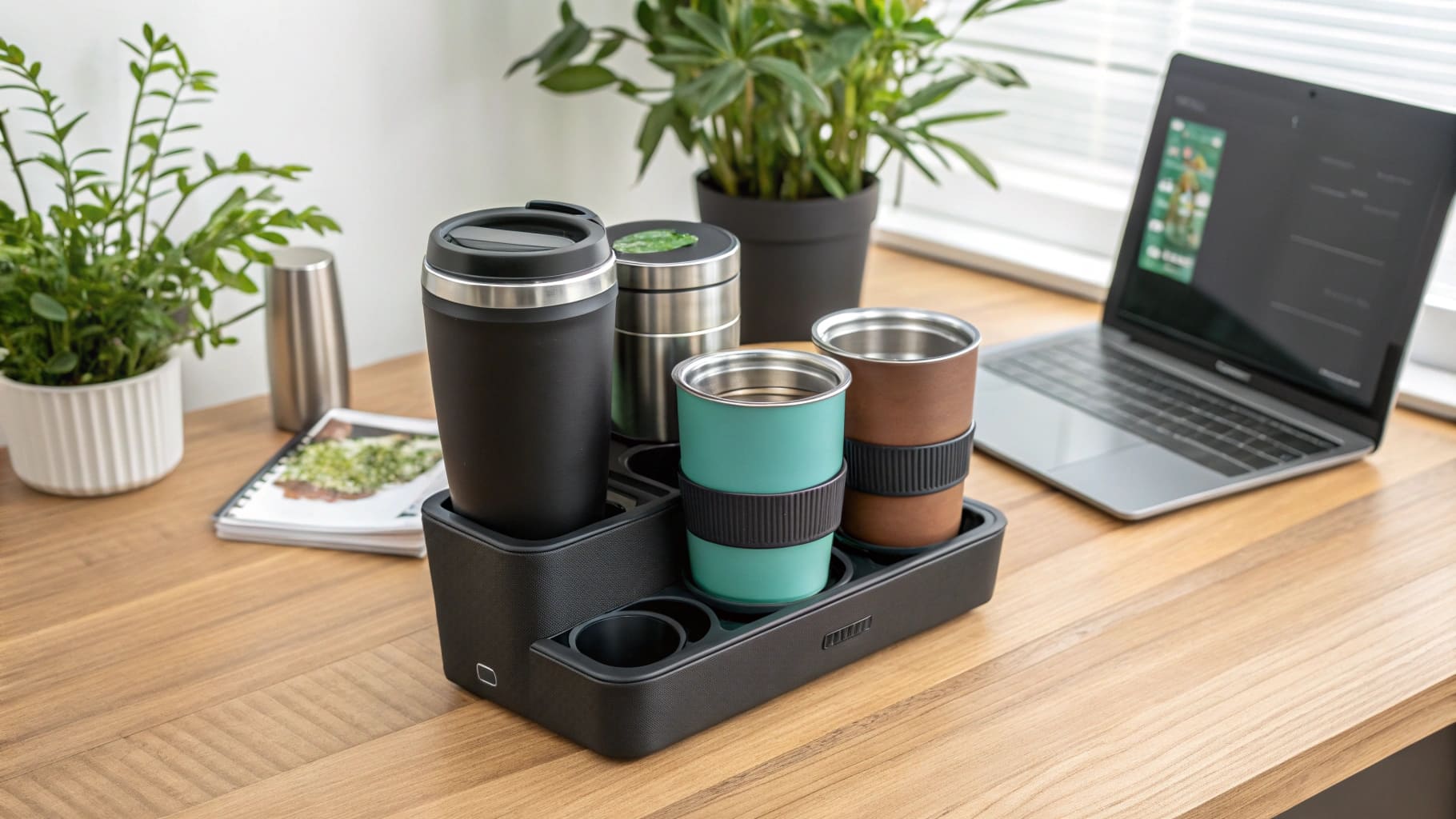
Why golf cart holders differ from marine applications
Golf carts face different challenges than boats. They don't need drainage holes like marine holders. Rain isn't the primary concern. The focus is on stability during turns and stops.
I've tested our bottles in multiple golf cart brands. Club Car and Yamaha models use similar dimensions. EZ-GO carts sometimes have slightly narrower holders. This variation matters when you're designing products for wholesale distribution.
The material also differs. Golf cart holders often use plastic or lightweight aluminum. Boats prefer stainless steel for corrosion resistance. This affects how snugly your drinkware needs to fit. A tight fit in a rigid stainless holder works well. The same fit in a flexible plastic holder might crack the material over time.
| Application | Diameter Range | Common Materials | Key Feature |
|---|---|---|---|
| Golf Carts | 3.25-3.5" | Plastic, Aluminum | Lightweight |
| Boats | 3.5" | Stainless Steel | Drainage holes |
| Automotive | 2.75-3.5" | Plastic | Universal fit |
How big is a standard cup size?
I made a critical error in my third year of business. I assumed all "standard" cups were the same. A restaurant chain in Texas corrected me fast.
Standard cup sizes vary by industry. Fast food uses 3.5 to 4 inches at the top. Coffee shops prefer 2.75 to 3 inches for most drinks. Automotive cup holders accommodate 2.75 to 3.5 inch bases.
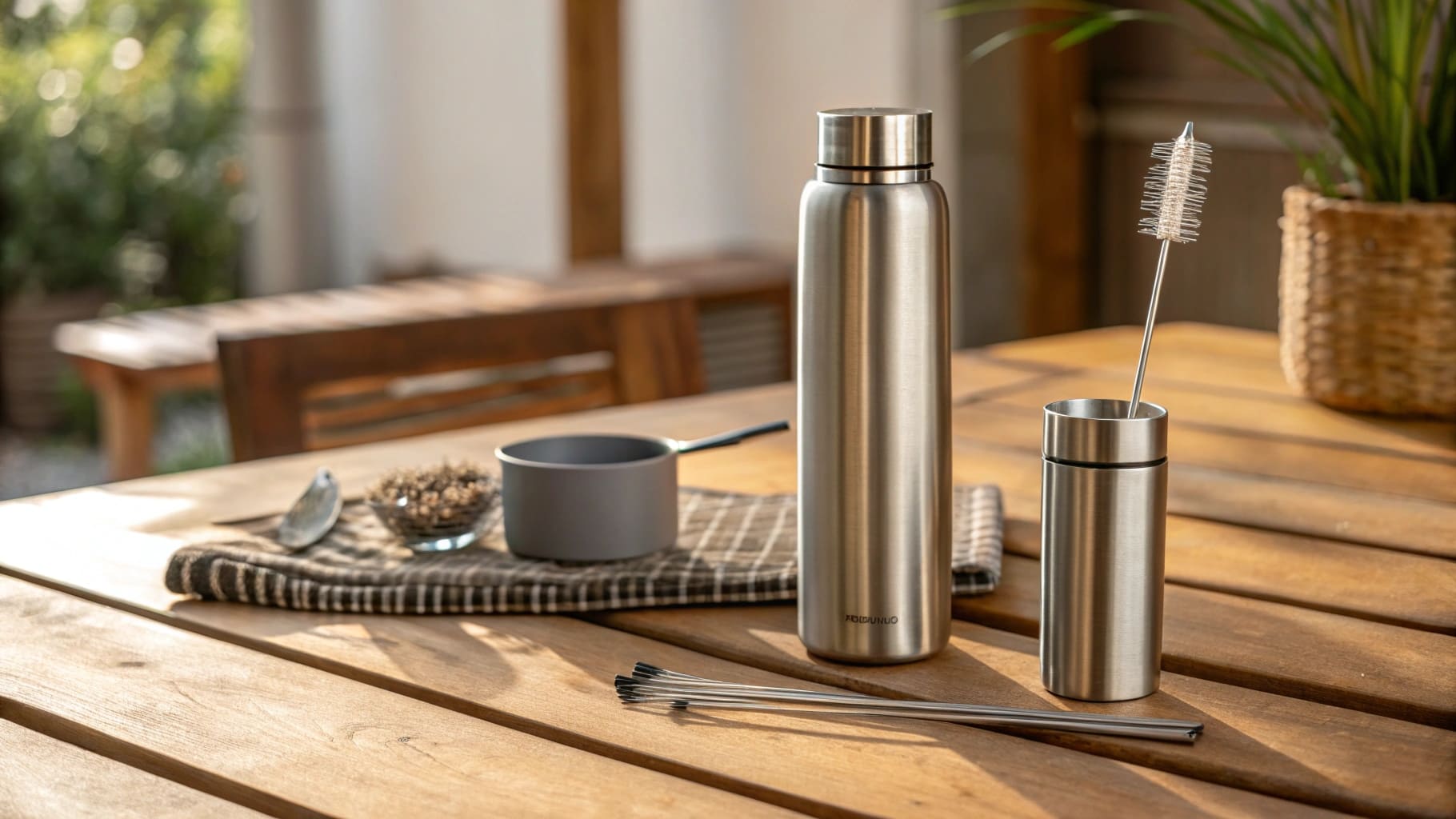
The taper design philosophy
The best solution came from studying automotive engineering. Modern cup holders use a tapered design. The top is wider than the base. This allows different sized containers to fit securely.
Our most successful product line uses this exact principle. We design our tumblers with a 2.5-inch base diameter. The top measures 3.5 inches. This taper fits almost every application.
I tested this design across twenty different scenarios. Boat holders, golf carts, car consoles, RV armrests. The taper worked in 95% of situations. The 5% that didn't work had unusually narrow or shallow holders.
Mark from Canada taught me another lesson. He returns products that don't fit standard holders. His customers expect plug-and-play compatibility. They don't want to measure holders before buying drinkware. The taper design solved his problem. His return rate dropped from 15% to under 2%.
Critical dimensions for B2B success
| Measurement Point | Recommended Size | Why It Matters |
|---|---|---|
| Base diameter | 2.5-2.75" | Fits narrow holders |
| Mid-section | 3.0-3.25" | Provides stability |
| Top diameter | 3.5-4.0" | Easy insertion |
| Total height | 6-8" | Most holder depths |
What is the legal cup measurement?
This question surprised me at first. Then I realized it impacts product labeling and capacity claims. Getting it wrong can cause legal problems.
The legal cup measurement in the United States is 8 fluid ounces or 236.6 milliliters. This standard comes from FDA regulations. Other countries use metric measurements exclusively.
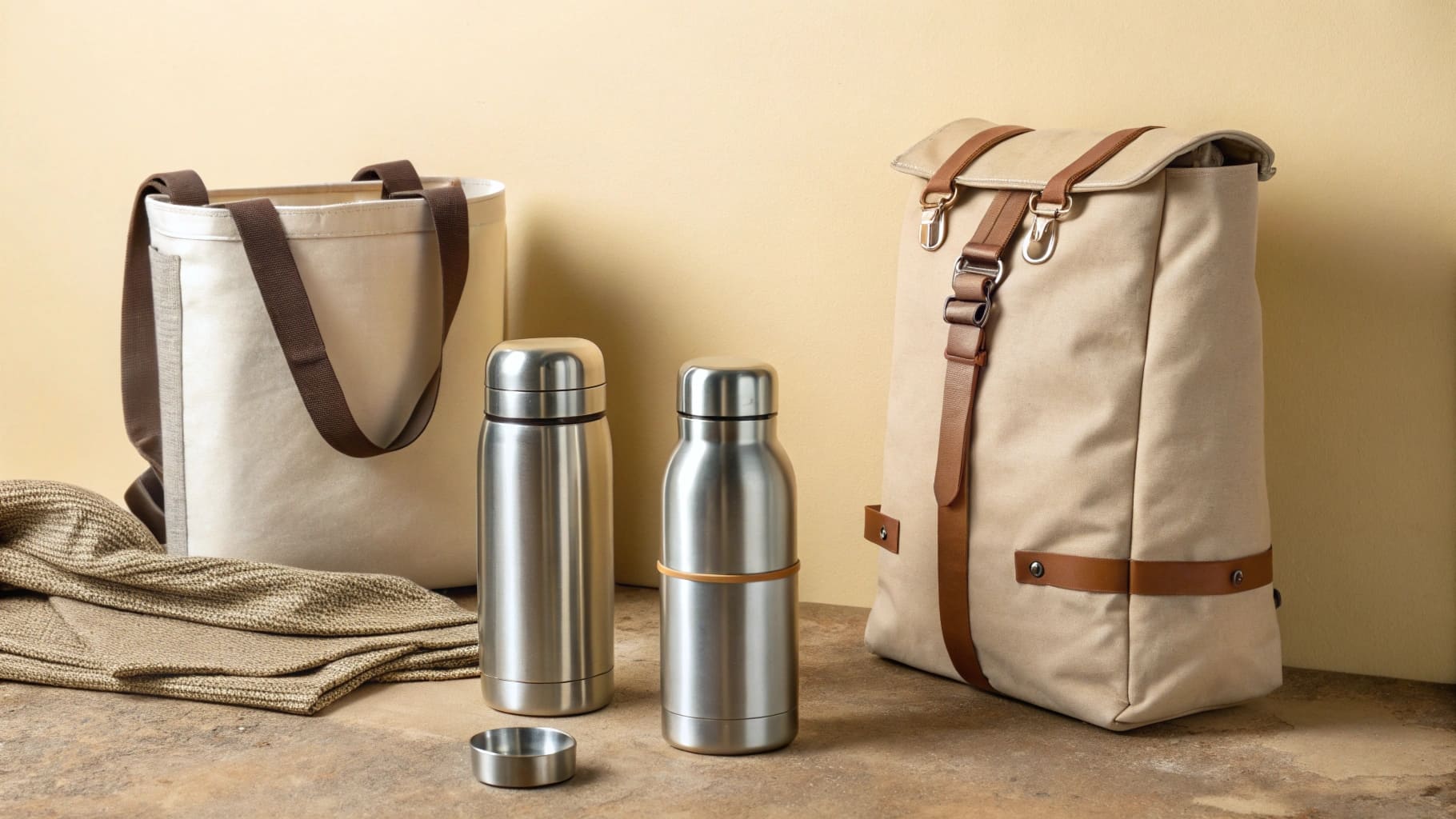
Why capacity accuracy matters in wholesale
I learned about measurement accuracy from a lawsuit my competitor faced. They labeled a tumbler as 20 ounces. Actual capacity was 18 ounces. A customer sued for false advertising. The case cost them $50,000 in settlements and legal fees.
Now I test every design three times before finalizing capacity labels. We fill the container to the brim. We measure with calibrated equipment. We account for the volume displaced by lids and seals.
This precision matters more in B2B than retail. Your clients put their brand on our products. Any discrepancy becomes their problem. I had a client in Germany who needed exact metric conversions. European regulations are stricter than American ones. We had to adjust our labeling for their market.
The manufacturing process affects capacity too. A tumbler rated for 20 ounces might only hold 19.5 ounces when you account for the inner coating thickness. Our 18/8 food-grade stainless steel2 adds approximately 0.5mm to wall thickness. This reduces internal volume slightly.
I now provide two measurements to wholesale clients. The "to-the-brim" capacity and the "practical fill line" capacity. Most people don't fill drinks to the absolute top. The practical capacity is usually 10-15% less than maximum. This transparency builds trust with procurement officers who understand the technical details.
Measurement standards across markets
| Region | Volume Unit | Cup Equivalent | Note |
|---|---|---|---|
| USA | Fluid ounces | 8 fl oz | FDA standard |
| Europe | Milliliters | 236.6 ml | Metric only |
| UK | Imperial oz | 8.45 fl oz | Different from US |
| Australia | Milliliters | 250 ml | Metric standard |
The screw specifications for marine cup holders deserve attention too. Most quality holders use #8 stainless steel screws. These resist corrosion in saltwater environments. The screw length varies based on mounting surface thickness. Typical lengths range from 3/4 inch to 1.5 inches.
Drainage holes in marine holders usually measure 1/4 inch in diameter. Some premium holders include rubber gaskets around these holes. The gaskets prevent water from splashing up while still allowing drainage. This detail seems minor but it affects customer satisfaction significantly.
Conclusion
Understanding cup holder specifications across applications transforms good products into market winners. Test your designs in real conditions before committing to production runs.
