
Do metal straw bottle lids meet BPA-free claims and AQL for child safety?
As a B2B supplier, I face constant questions from clients about child safety in water bottles. Parents worry about harmful chemicals. Distributors need reliable quality standards. The stakes are high when children's health is involved.
Metal straw bottle lids made from food-grade stainless steel1 and certified BPA-free silicone components meet child safety standards when they pass AQL inspections2 and hold proper certifications like FDA and LFGB. The metal itself contains no BPA, but all plastic and silicone parts require separate verification.
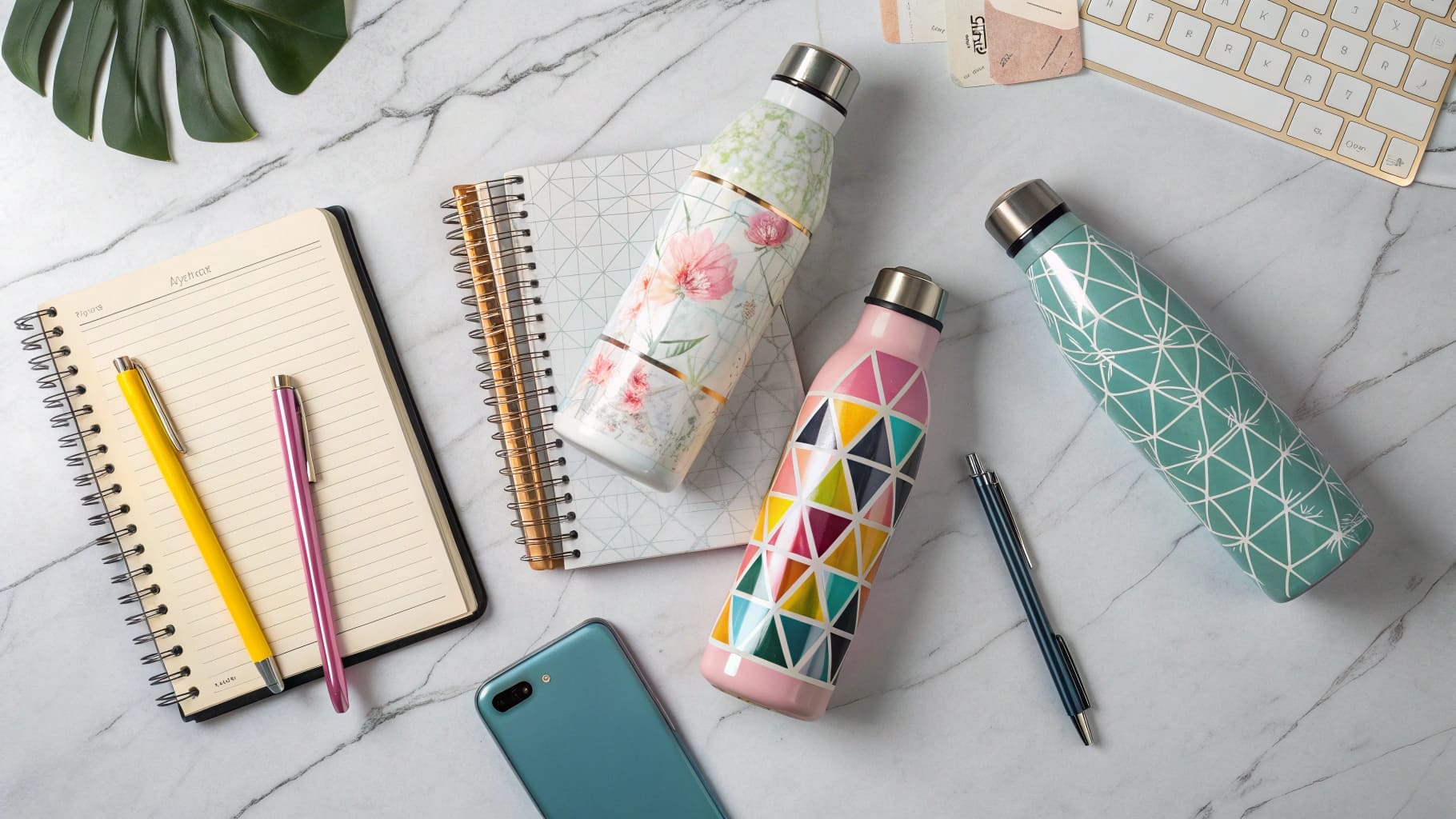
I learned this lesson three years ago when a Canadian distributor returned an entire shipment. The bottles were perfect, but the documentation was incomplete. Mark taught me that safety claims mean nothing without proper proof. Since then, I have changed how I approach child safety products.
Can stainless steel contain BPA?
You might wonder if the metal bottle body poses any BPA risk. Many buyers ask me this question. The confusion comes from incomplete product knowledge and mixed marketing messages about materials.
Stainless steel cannot contain BPA because it is a metal alloy, not plastic. BPA only exists in certain plastic manufacturing processes. Food-grade 304 and 316 stainless steel are naturally BPA-free by their chemical composition.
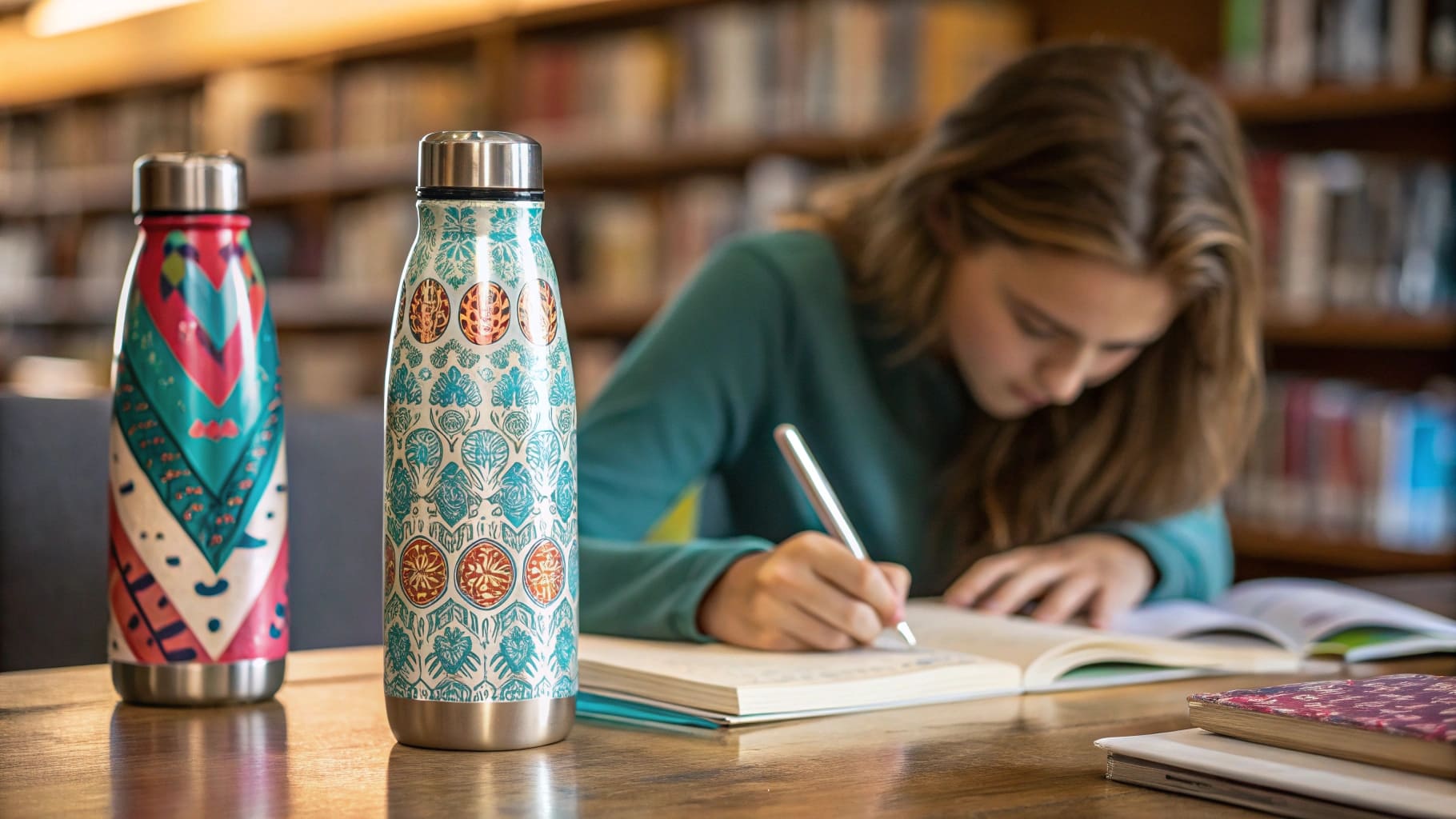
Why the confusion exists
The problem starts with bottle design. A stainless steel bottle is not just metal. It has multiple components. I see this breakdown in every order:
- Bottle body: 304 or 316 stainless steel
- Lid components: Often PP or Tritan plastic
- Straw: Silicone or plastic materials
- Sealing rings: Food-grade silicone
- Anti-leak gaskets: TPE or silicone materials
The metal body is safe. But the other parts need checking. I once shipped bottles to a US client. They tested everything. The steel passed. But one small plastic washer in the lid contained traces of BPA. That mistake cost me $12,000 in replacements and damaged trust.
Material verification process
I now verify each component separately. For the metal, I provide mill certificates showing the exact steel grade. These documents prove the alloy composition. No plastics involved means no BPA possible.
For plastic and silicone parts, I request specific BPA-free certifications. The supplier must show lab test results. I learned to check the test date too. Some factories show old certificates for new products. I reject any certificate older than 12 months.
Common misconceptions in the market
Some buyers think all stainless steel products are automatically safe. This is wrong. The metal is safe, but a complete bottle assembly needs full verification. I explain this to every new client. The bottle is a system, not just a metal tube.
Is BPA-free safe for kids?
Parents want absolute safety for their children. Distributors targeting the kids' market need clear answers. The question goes beyond just avoiding BPA—it covers all potential chemical risks in drinking products.
BPA-free materials are safe for children when they meet international food-contact standards like FDA, LFGB, and CA65. Premium kids' bottles use 304 stainless steel bodies with food-grade silicone straws that resist chewing and contain no harmful chemicals.
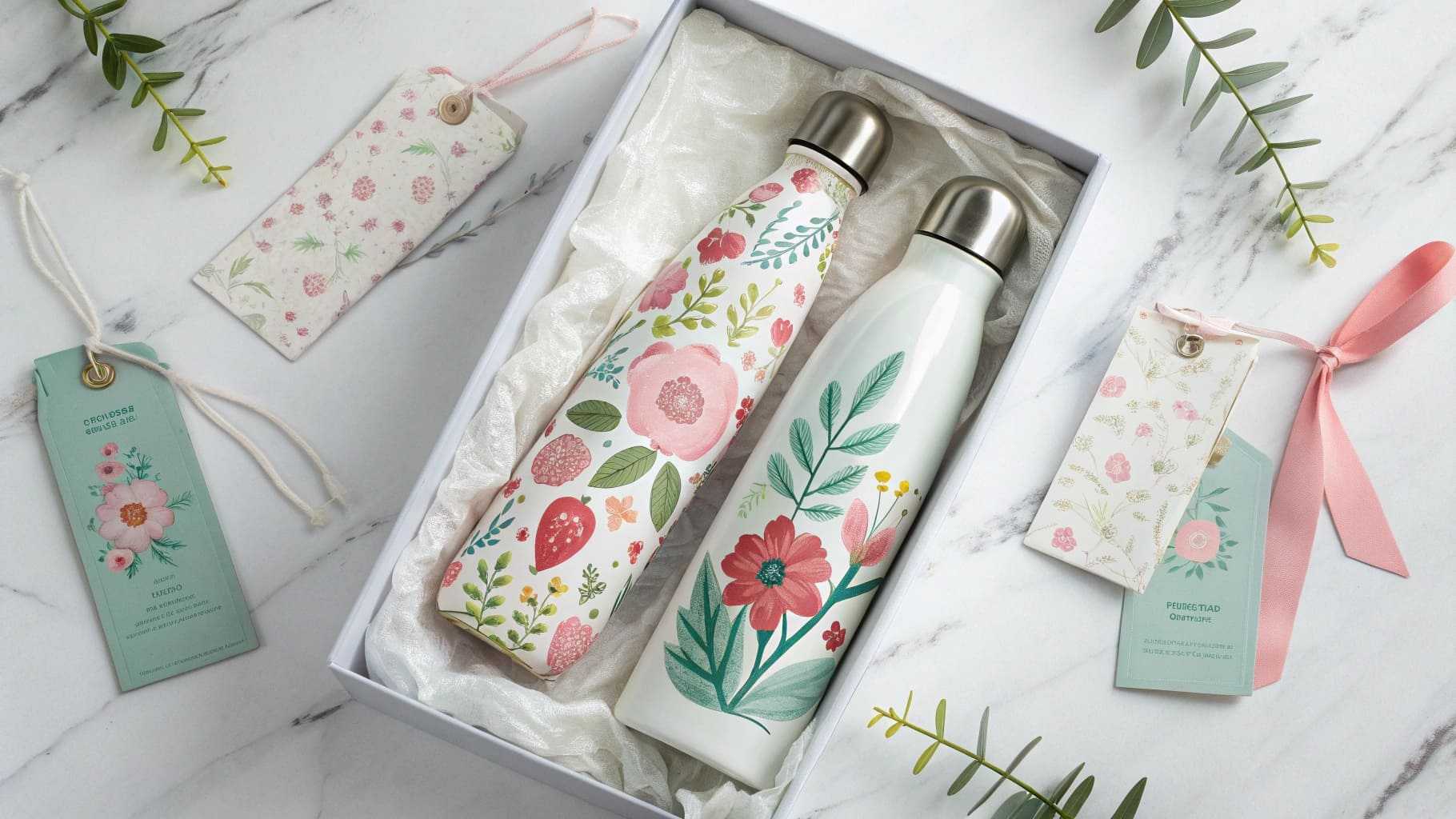
Understanding BPA-free certifications
I work with three main certification bodies. Each has different testing requirements:
| Certification | Testing Focus | Key Requirements | Market Coverage |
|---|---|---|---|
| FDA (USA) | Food contact safety | Migration testing, material composition | United States market |
| LFGB (Germany) | Chemical migration | Strict heavy metal limits, sensory testing | European Union |
| CA65/Prop 65 | Carcinogen presence | Lead, cadmium, phthalates testing | California, USA |
These certifications cost money. A full certification package runs $3,000 to $5,000 per product design. Some buyers resist this cost. I tell them one lawsuit costs much more. One US client skipped certification to save money. Six months later, a retailer demanded proof. They lost shelf space in 200 stores. The lost revenue was over $80,000.
Beyond BPA concerns
BPA is not the only risk. Food-grade silicone straws must pass additional tests. I check for:
- Phthalates in soft plastics
- Heavy metals in colored components
- Volatile organic compounds in sealing materials
- Chemical stability at high temperatures
A two-year-old will chew the straw. A five-year-old might leave juice in the bottle for days. These real-world conditions matter. I once tested a silicone straw by leaving it in orange juice at 40°C for one week. The material stayed stable. No odor, no degradation. That is the quality level kids need.
AQL standards for child products
AQL (Acceptable Quality Level) inspection ensures consistent quality. For children's products, I use stricter standards. A normal water bottle might use AQL 2.5. For kids' bottles, I recommend AQL 1.5 or even 1.0.
The inspection covers safety-critical points: sharp edges on metal rims, loose small parts that pose choking hazards, straw attachment strength, and lid seal integrity. I failed my own products twice during development. Better to catch problems in my factory than in a child's hands.
Is it better to drink from stainless steel or BPA-free plastic?
Your product positioning depends on this choice. Price-sensitive markets prefer plastic. Premium brands choose stainless steel. Understanding the real differences helps you target the right customers and set appropriate pricing.
Stainless steel offers superior durability and temperature retention compared to BPA-free plastic. For children's products, stainless steel with food-grade silicone components provides the best combination of safety, longevity, and performance, though at a higher price point than plastic alternatives.
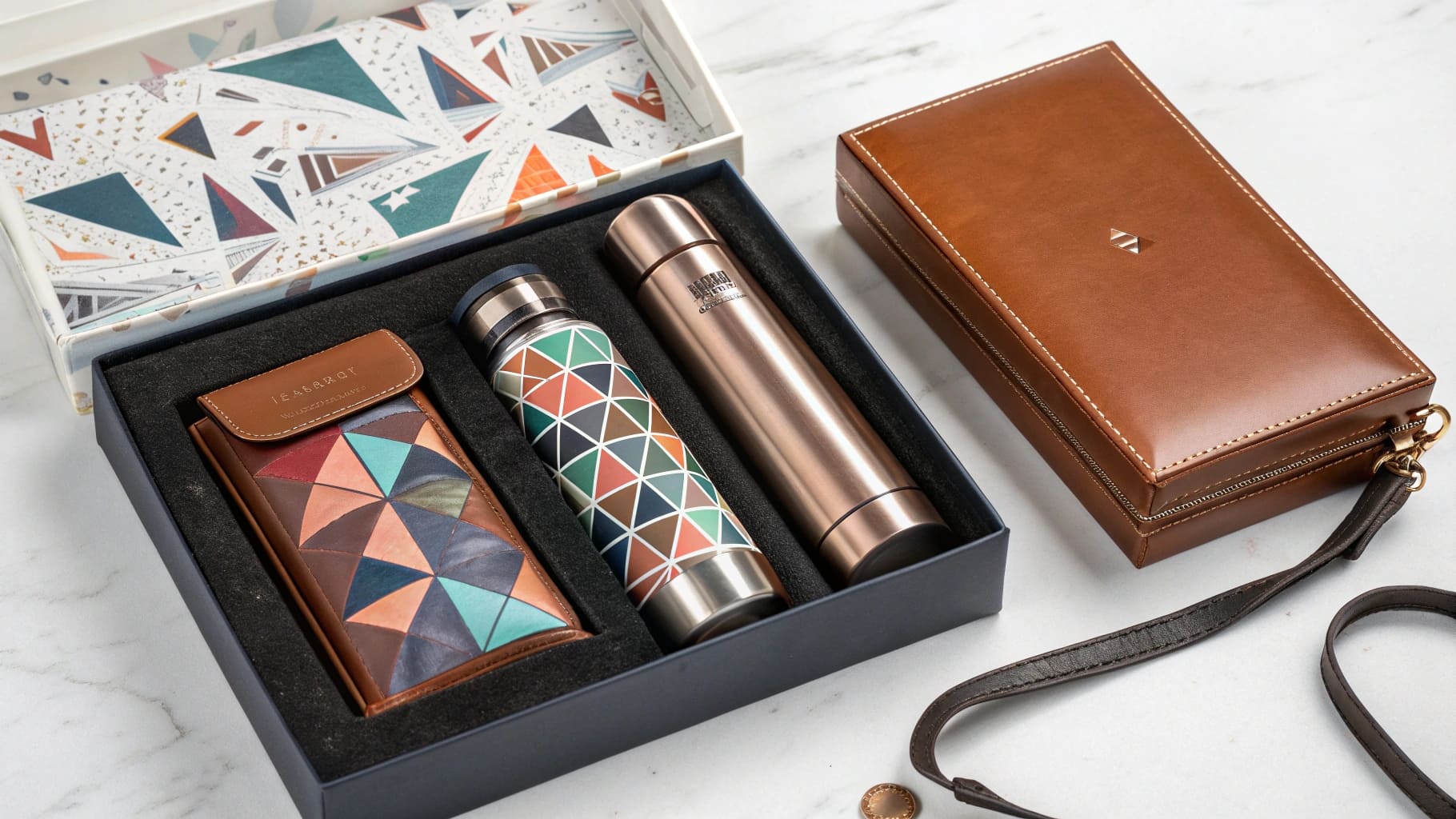
Performance comparison
I manufacture both types. The differences are clear from production to customer feedback:
Durability factors
Stainless steel bottles survive drops that destroy plastic ones. A 304 steel bottle can fall from a school desk dozens of times. The exterior might get dents, but the bottle stays functional. BPA-free plastic bottles crack or deform after similar impacts. I tested this myself—dropped 20 plastic bottles and 20 steel bottles from 1.5 meters onto concrete. After 10 drops, 15 plastic bottles showed cracks. All steel bottles remained intact.
Children are rough with products. A durable bottle means fewer replacements. This matters for your total cost and customer satisfaction.
Temperature performance
Double-wall vacuum insulation in stainless steel keeps cold drinks cold for 24 hours. Hot liquids stay warm for 12 hours. BPA-free plastic cannot do this. Single-wall plastic might keep cold for 2-3 hours at most.
For schools and outdoor activities, temperature retention matters. Parents pay more for bottles that keep water cold during sports practice. I price my insulated steel bottles 40% higher than plastic ones. The sales ratio is 3:1 in favor of steel.
Long-term cost analysis
A BPA-free plastic bottle costs $2-4 wholesale. A stainless steel bottle costs $6-12. The steel bottle lasts 5+ years. The plastic bottle might last 1-2 years before yellowing, retaining odors, or cracking.
For your customers, the math works like this:
| Product Type | Initial Cost | Lifespan | Replacements Needed (5 years) | Total Cost |
|---|---|---|---|---|
| BPA-free Plastic | $3.00 | 18 months | 3 bottles | $9.00 |
| Stainless Steel | $8.00 | 5+ years | 1 bottle | $8.00 |
Steel bottles offer better value over time. This message helps premium positioning. I tell distributors to educate end customers about long-term value. It works better than just pushing low prices.
Material limitations
BPA-free plastics like Tritan, PP, and PETG are safe. They meet food standards. But they have limits. High temperatures can degrade plastic faster. Dishwasher heat cycles cause yellowing over time. Acidic drinks like lemonade can leach plastic taste.
I tested Tritan plastic with hot tea at 80°C. After 100 uses, the plastic showed slight discoloration. The material remained food-safe, but appearance suffered. For premium kids' products, appearance matters to parents.
Market positioning strategy
For your B2B strategy, I recommend this approach:
Choose stainless steel when:
- Targeting premium market segments
- Selling to eco-conscious buyers
- Marketing 5-year or lifetime warranties
- Focusing on thermal performance features
- Building long-term brand loyalty
Choose BPA-free plastic when:
- Competing on price in value markets
- Offering promotional or giveaway products
- Selling lightweight designs for young children
- Testing new market entry with lower investment
- Providing transparent design options
I manufacture both. But my margins are better on stainless steel. The perceived value is higher. Customers complain less. Returns are lower. If you want sustainable business, steel wins.
Conclusion
Metal straw bottle lids meet child safety standards when all components carry proper certifications and pass AQL inspections. Stainless steel provides superior safety and durability compared to plastic alternatives, making it the best choice for children's drinkware.