
What AQL should you set for lid seals on travel coffee mugs OEM with leak tests?
A leaky travel mug destroys your brand reputation overnight. One bad shipment means angry customers, costly returns, and lost trust. The right AQL standard protects your business before problems reach your market.
Set AQL 0.65 or stricter for lid seal leak tests. Complete seal failures need AQL 0, which means zero tolerance. Minor seal imperfections can use AQL 0.65, and cosmetic lid defects can use AQL 2.5.
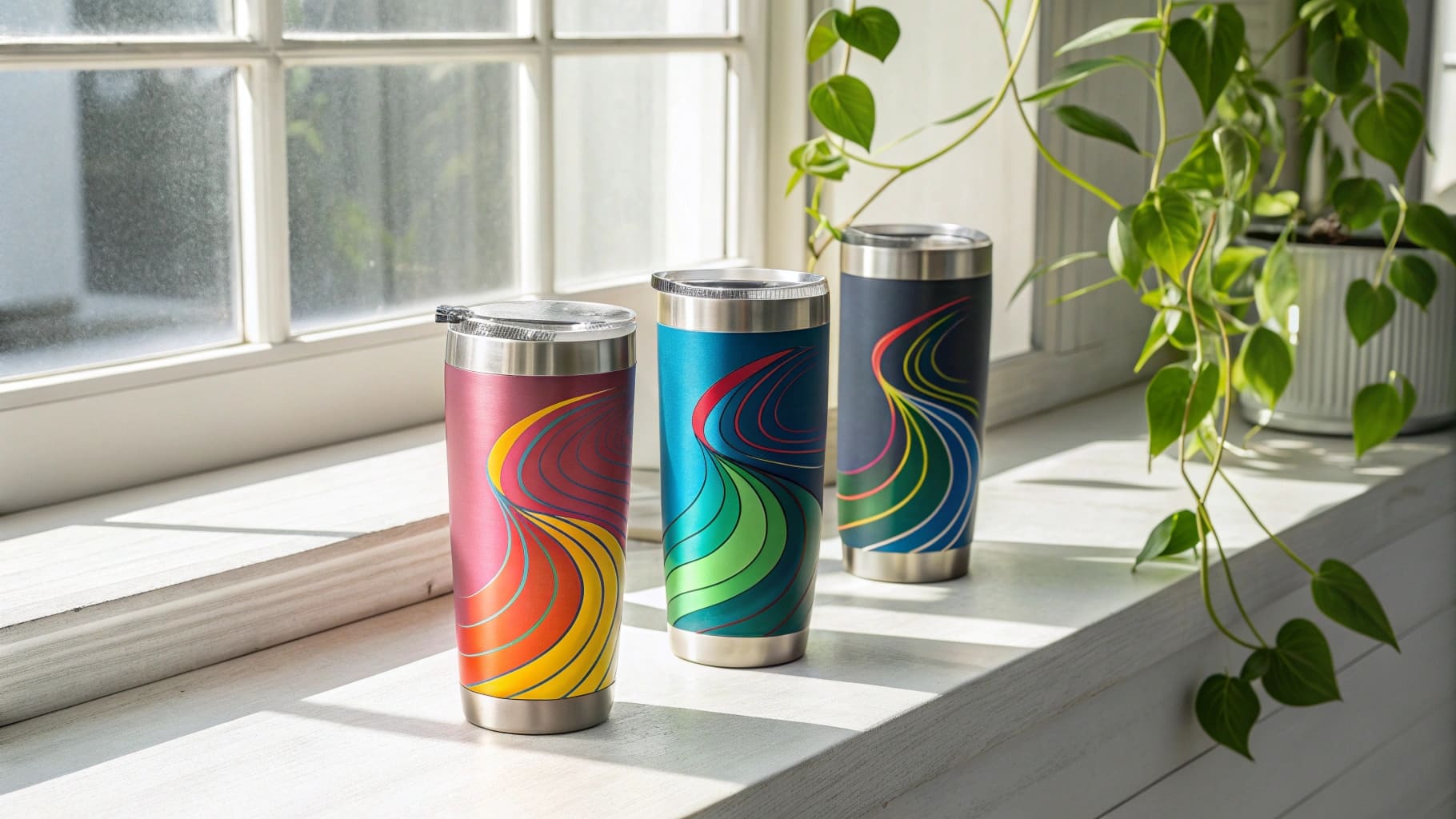
I learned this the hard way years ago. A client ordered 10,000 travel coffee mugs with our branding. We used a loose AQL standard. Half the batch leaked. That mistake taught me lid seals are not negotiable. They make or break your product. Today I want to share what I know about setting the right AQL for seal inspections.
What is the AQL guideline?
Your seal quality affects every customer who buys your mug. Most buyers worry about leaks but do not know how to prevent them. AQL guidelines give you the tool to catch defects before shipping.
AQL stands for Acceptable Quality Limit. It tells you how many defective units you can accept in a batch. Lower AQL means stricter standards and fewer defects allowed.
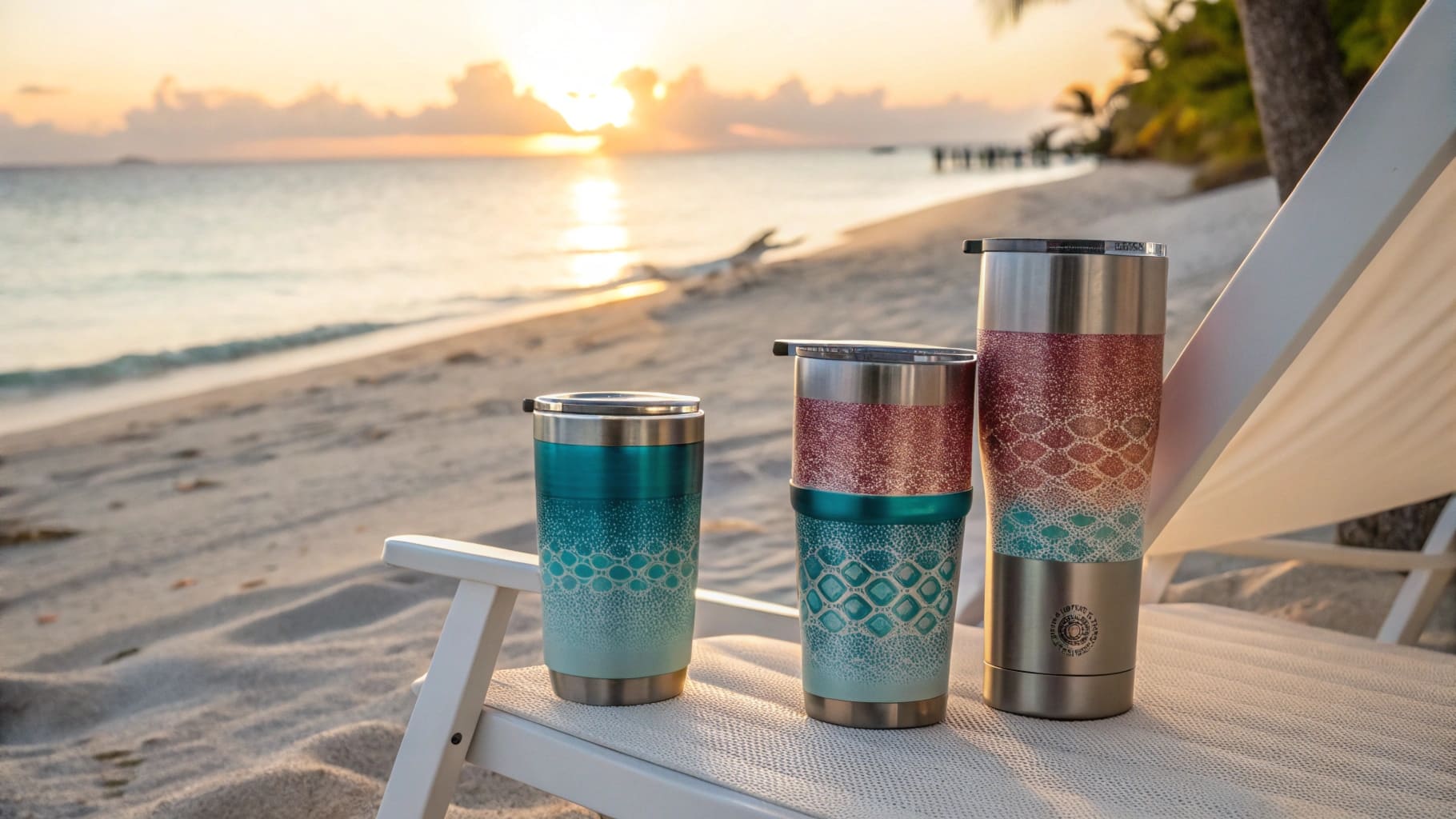
The standard comes from ANSI/ASQ Z1.4, which was called MIL-STD-105E before. This system divides defects into three groups. Critical defects affect safety, like a seal that causes burns from hot liquid. Major defects affect function, like a seal that drips slowly. Minor defects are cosmetic only, like a small scratch on the lid.
For travel mug seals, I always treat them as critical or major. A seal is not decoration. It has one job. When the seal fails, the whole mug fails. I have seen suppliers argue that small leaks are minor defects. I do not accept this. Your customer will not accept it either.
The AQL table shows you sample sizes based on lot size. For example, with 5,000 mugs and AQL 0.65, you inspect about 200 units. If you find more than 2 defective seals, you reject the batch. The math protects you while keeping inspection practical.
How to choose AQL limit?
You need different limits for different defect types1. I use a three-level system that has worked for hundreds of orders. This approach balances quality with realistic production standards.
Start with AQL 0 for complete seal failures. This means any mug that leaks water during a standard test gets rejected. Zero tolerance sounds harsh but it protects your brand.
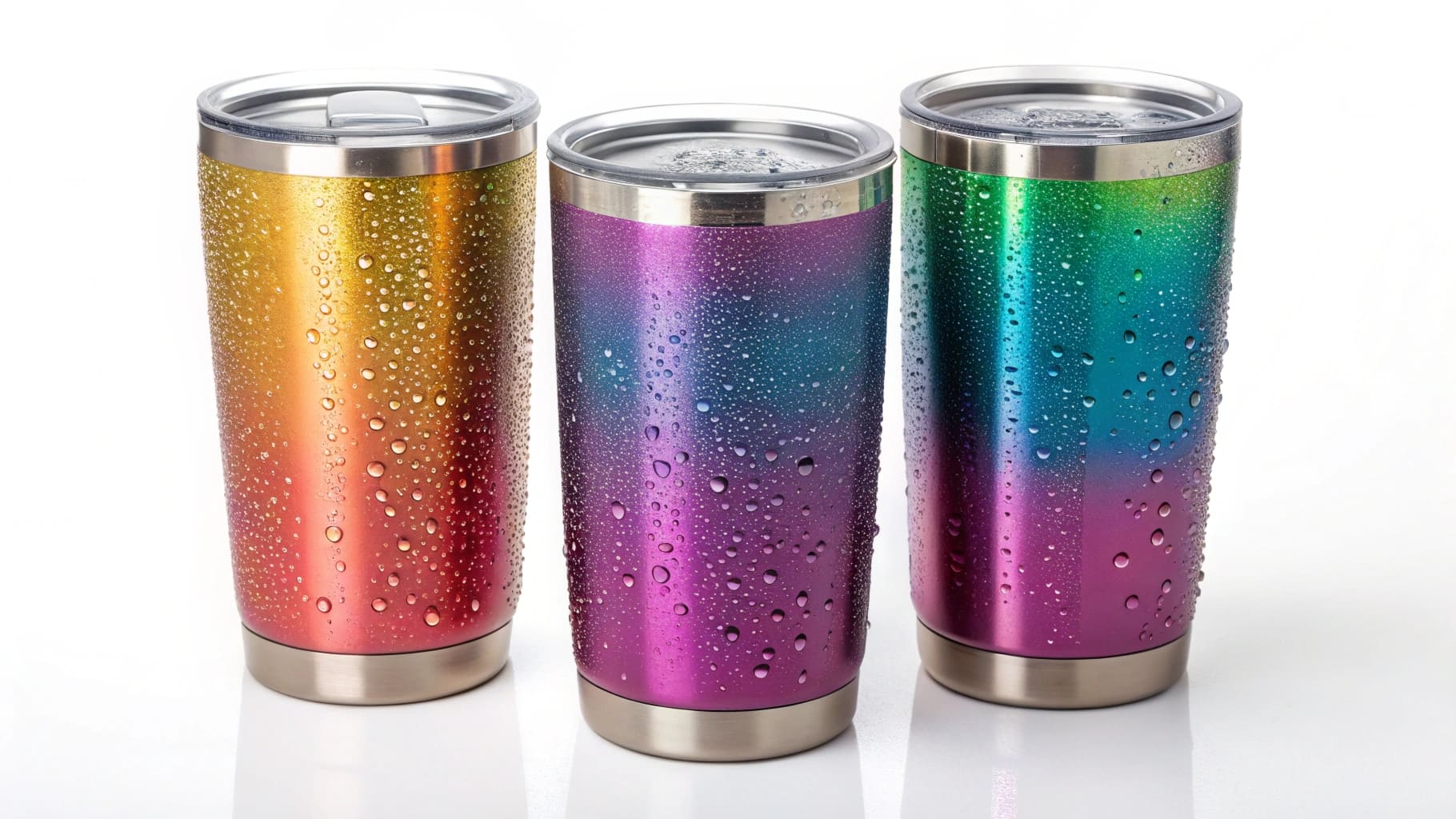
For major seal issues, I use AQL 0.65. This covers problems like slow drips under pressure or seals that feel loose but pass a quick test. These defects might not show up right away. They appear after customers use the mug a few times. You want to catch them early.
Minor cosmetic issues on the lid assembly can use AQL 2.5. Small scratches on the plastic, slight color variations, or tiny marks that do not affect function fall here. These matter less but still need limits.
I remember working with Mark, a client from Canada who orders large volumes. He once told me his biggest mistake was using AQL 2.5 for all defects. His first shipment had 15% leak rate. Customers returned half the order. He lost the peak season and thousands in profit. After that, he switched to my tiered system. His leak complaints dropped to nearly zero.
When you negotiate with factories, put these limits in your contract. Good manufacturers can meet strict seal standards. They already test for leaks if they care about quality. If a supplier pushes back on AQL 0 for major leaks, find another supplier. That resistance is a red flag.
Is there a free AQL calculator?
Yes, free AQL calculators exist online and they help a lot. I use them for every order to check sample sizes and acceptance numbers. You input your lot size and AQL level. The calculator tells you how many units to inspect.
These tools follow the ANSI/ASQ Z1.4 standard. They save time and prevent math errors. I find them most useful when explaining requirements to clients or factory teams.
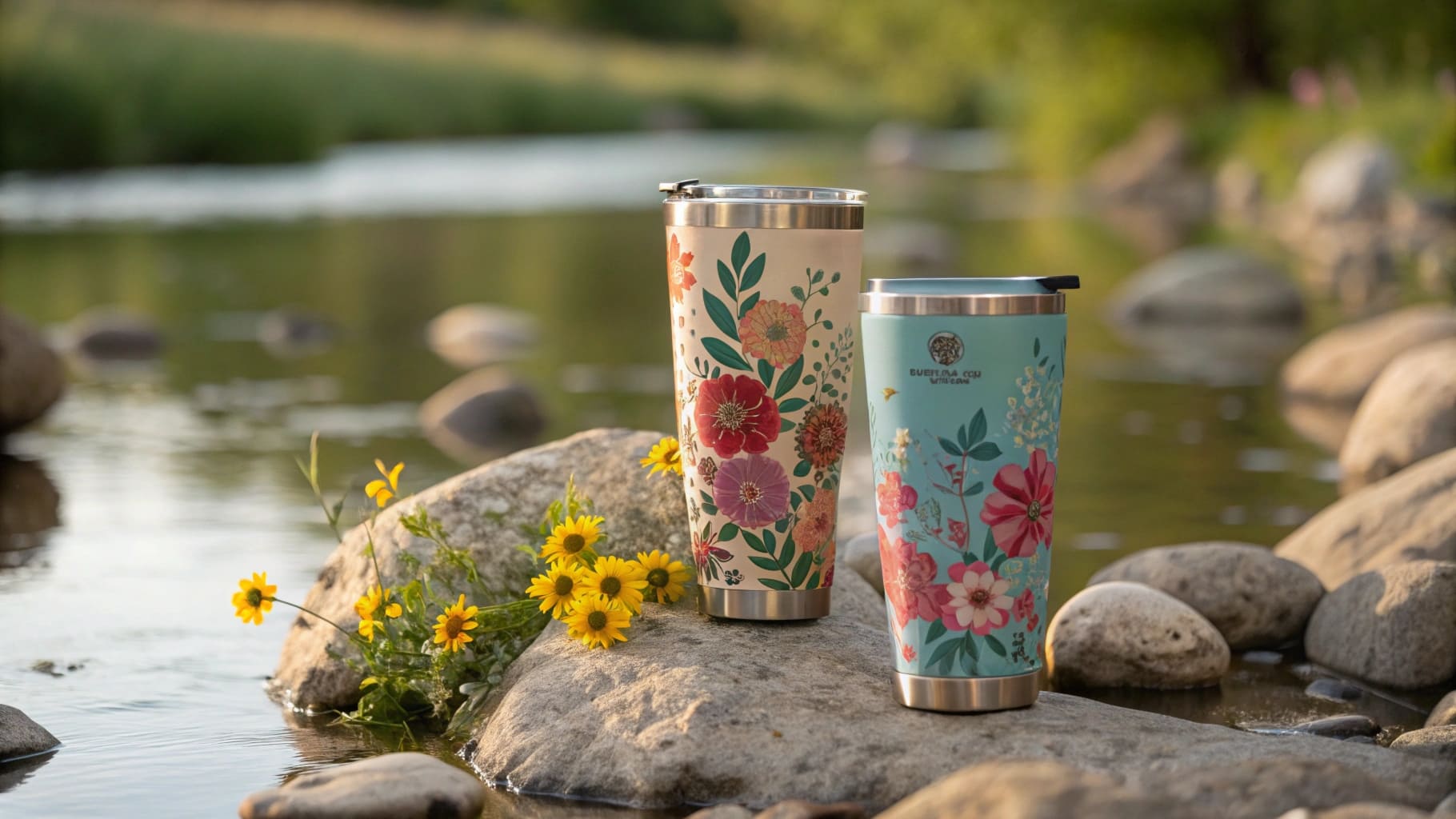
The calculator is only helpful if you define defects clearly first. Before you use any tool, write down exactly what counts as a defect. For lid seals, I document these points in a specification sheet:
| Test Type | Method | Pass Criteria |
|---|---|---|
| Water leak test | Fill mug, seal, invert for 2 minutes | Zero water escape |
| Pressure test | Apply 5 PSI for 30 seconds | No bubbles in water bath |
| Seal compression | Measure gasket thickness before and after | Returns to 95% original height |
| Temperature cycling | Hot water then ice water, repeat 5 times | No seal deformation |
I share this table with suppliers during sampling. It removes confusion. Everyone knows what we test and how we measure it. The factory can run the same tests during production. This prevents surprises during final inspection.
I also specify the silicone material requirements. Food-grade silicone is not enough. I need the hardness range, usually 40-50 Shore A for coffee mug seals. Too soft and the seal deforms. Too hard and it does not compress properly. These details matter more than the calculator itself.
When you talk with your supplier about the seal design, discuss testing frequency too. I ask factories to test every batch of silicone rings when they arrive. Then test again during assembly. Then final test on finished mugs. This three-stage approach catches problems early.
The calculator shows you need 200 samples from 5,000 units at AQL 0.65. But what if your supplier mixes good and bad products in the warehouse? I learned to ask inspectors to sample randomly from different production dates and cartons. This gives you a true picture of quality across the whole order.
Conclusion
Set strict AQL limits for mug seals to protect your brand and your customers. Use the three-level system and test thoroughly before shipping.
-
Understanding defect types is crucial for setting appropriate quality limits and ensuring product reliability. ↩
