
Stainless cups vs plastic disposables: TCO, sustainability, and channel fit
I get calls from buyers every week. They ask about unit prices. They miss the bigger picture. The real cost shows up months later.
Stainless steel cups cost more upfront but last years longer than plastic. They work better for corporate gifts and brand building. Plastic cups suit short-term promotions where low cost matters most.

I learned this lesson the hard way. A client once ordered 5,000 plastic tumblers for employee gifts. Six months later, he called back. Half the cups cracked. His brand looked cheap. He switched to stainless steel and never looked back.
Are Stainless Steel Cups Better Than Plastic?
Your choice depends on how your customers will use the cups. Both materials work. The question is which one fits your channel and budget.
Stainless steel cups1 outlast plastic by years. They keep drinks hot or cold longer. They look premium. Plastic cups weigh less. They cost less. They break easier.

Material Quality Matters More Than You Think
I work with 304 stainless steel. We call it 18/8 stainless steel in the industry. The numbers mean something important. The material contains more than 18% chromium and more than 8% nickel. This combination stops rust. It stays safe for food and drinks. No chemicals leak into your beverage.
Modern plastic tumblers use BPA-free materials2. They meet food safety standards. They do not add taste or smell to drinks. But they have limits. Heat can warp them. Drops can crack them. The material degrades over time.
I ran a test last year. I filled both cup types with hot coffee. The stainless steel kept the coffee hot for 6 hours. The plastic tumbler held heat for maybe 2 hours. The difference matters when you sell to office workers or travelers.
Cost Analysis Over Time
Let me show you the real numbers:
| Factor | Stainless Steel | Plastic |
|---|---|---|
| Unit Cost | $8-15 | $2-5 |
| Lifespan | 5-10 years | 6-18 months |
| Replacement Need | Rare | Frequent |
| Brand Perception | Premium | Budget |
| Customization Quality | Laser engraving lasts forever | Print fades over time |
Your upfront investment looks higher with stainless steel. But divide that cost by years of use. The price per year drops below plastic. This matters when you pitch to corporate buyers who think long-term.
What Is the Most Eco-Friendly Cup?
The greenest cup is the one that gets used the most. A cheap cup in a landfill helps nobody. A quality cup used daily for years beats any disposable.
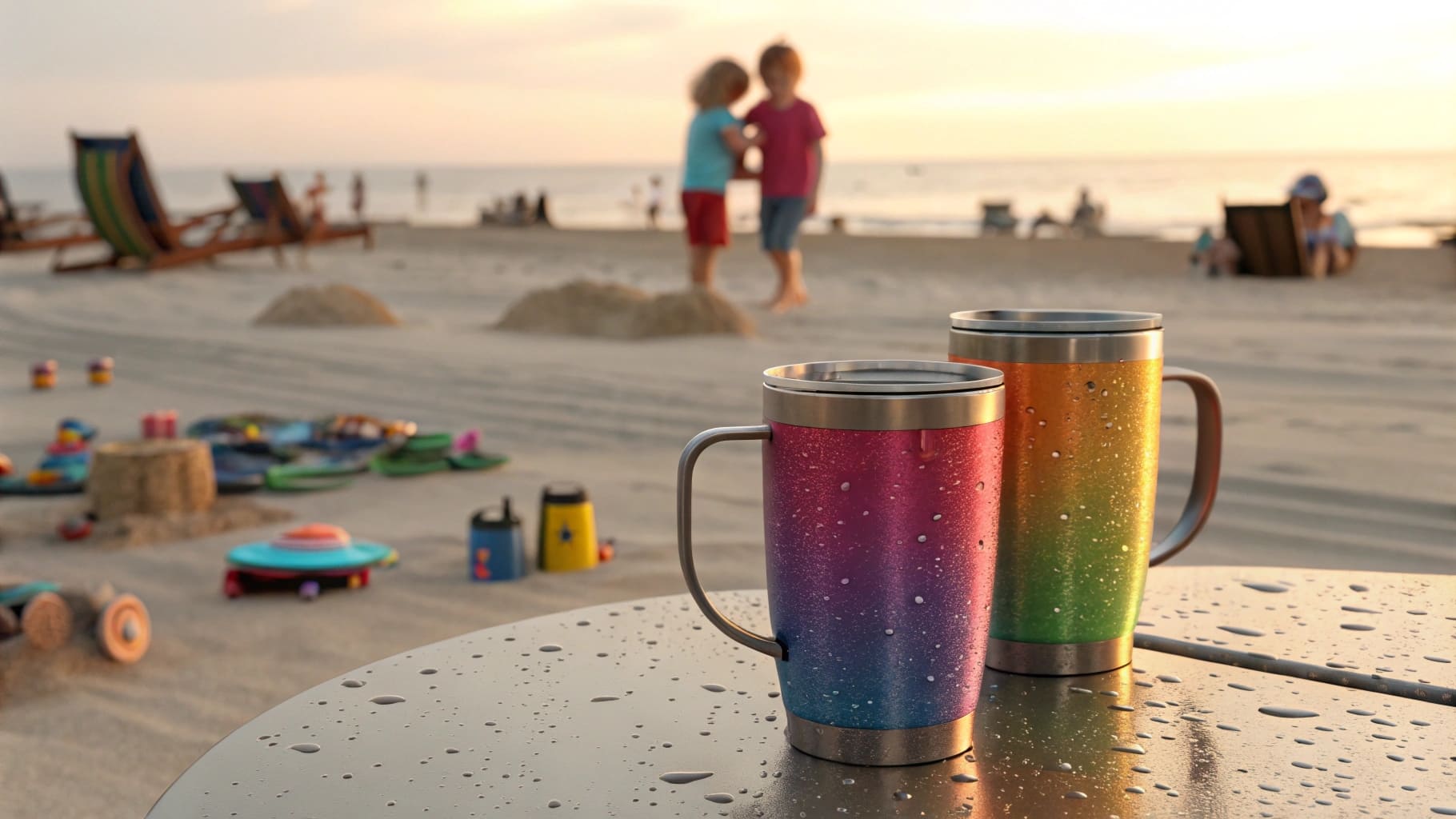
Stainless steel cups reduce plastic waste dramatically. One steel cup replaces hundreds of disposable cups. Metal recycles forever without losing quality. This appeals to brands that care about sustainability messaging.
Environmental Impact Beyond Material Choice
I ship containers to North America and Europe every month. My buyers ask about carbon footprint. They want to know the full story. The answer surprises most people.
Making stainless steel uses more energy than making plastic. But this one-time cost spreads over years of use. Plastic cups3 need replacing constantly. Each replacement adds manufacturing emissions. Add shipping emissions for multiple orders. The total impact adds up fast.
Ocean pollution tells another story. Plastic breaks down into microplastics. These particles harm marine life. They enter the food chain. Stainless steel does not do this. Drop a steel cup in the ocean and it stays steel. It does not create toxic particles.
I suggest this to my B2B buyers: calculate waste over 5 years. One employee using disposable cups creates roughly 500 cups of waste per year. That equals 2,500 cups over 5 years. One stainless steel cup prevents all that waste. The environmental case writes itself.
Certification and Compliance
Your customers care about proof. I provide multiple certifications with every order:
| Certificate Type | Purpose | Market Requirement |
|---|---|---|
| FDA Approval | Food safety for US market | Required for North America |
| LFGB | German food law compliance | Required for EU market |
| REACH | Chemical safety | Required for EU market |
| RoHS | Hazardous substance restriction | Electronics components only |
These documents matter when your customers face audits. Corporate procurement teams check every supplier. Missing paperwork kills deals. I learned this from Mark. He lost a big contract once because his supplier could not prove FDA compliance. He now asks for certificates before placing any order.
Is Metal More Eco-Friendly Than Plastic?
Metal wins on recyclability and lifespan. Plastic wins on initial production energy. The real answer depends on usage patterns and disposal behavior.
Metal cups can be recycled infinitely. The material quality stays the same. Plastic degrades each time it gets recycled. After a few cycles, plastic becomes unusable waste.
Real-World Channel Applications
I work with different buyer types. Each channel needs a different approach. Let me break down what works where.
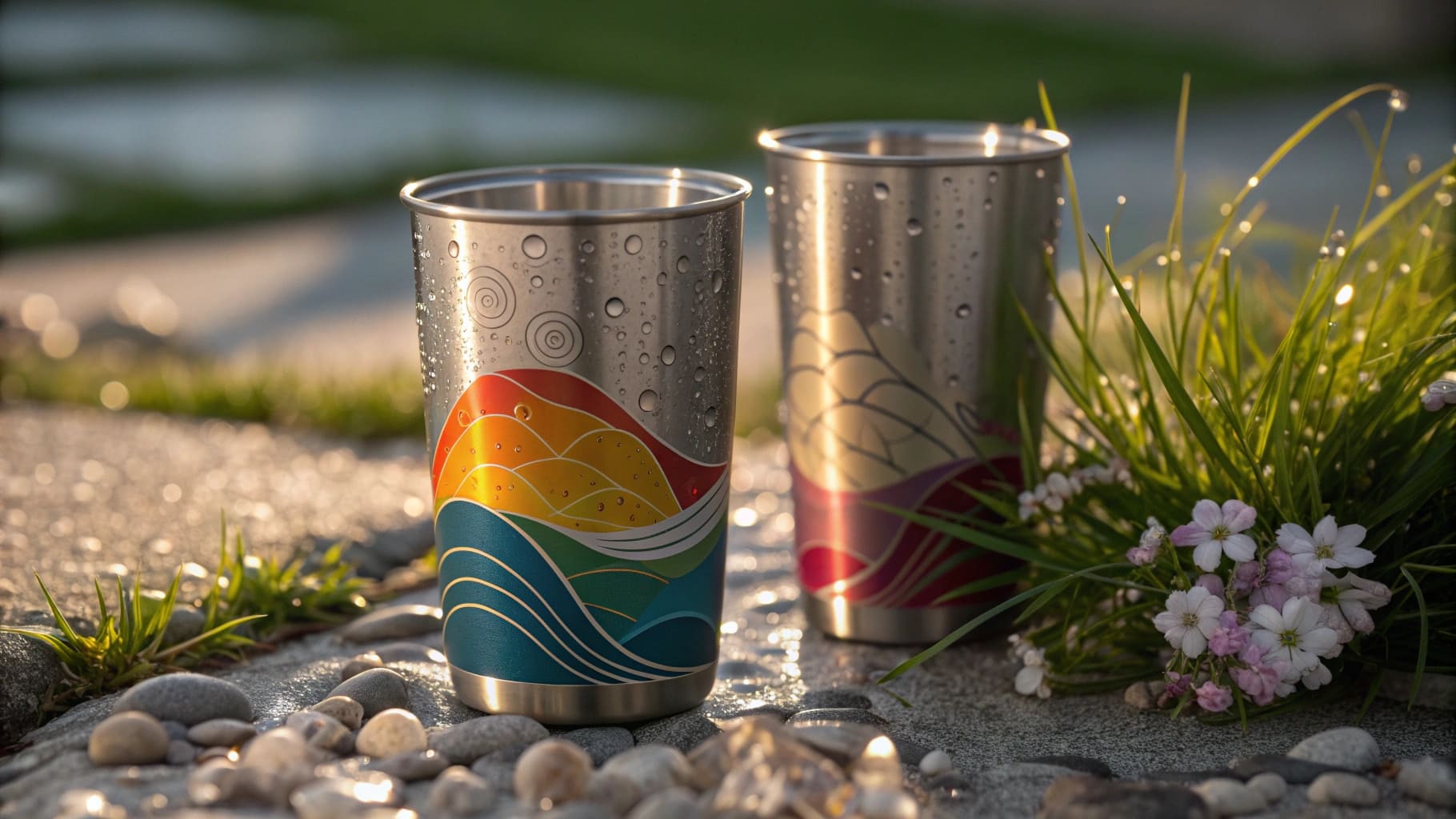
Corporate gift programs4 love stainless steel. Companies want their logo visible for years. They want quality that reflects their brand. A premium cup sitting on an employee desk creates daily brand exposure. This justifies the higher price tag.
Event promotions face different math. A music festival or sports tournament might prefer plastic. Why? The organizer expects some loss. People leave cups behind. Theft happens. Lower unit costs make sense here. But even festivals shift toward steel now. Sustainability pressure changes the equation.
Retail channels split based on positioning. Premium outdoor brands sell steel exclusively. Budget retailers stock plastic. The middle market mixes both. They let price point determine material choice.
Logistics and Distribution Costs
Weight matters in B2B shipping. Stainless steel weighs more than plastic. This affects freight costs. A 20-foot container holds fewer steel cups than plastic cups. Your per-unit shipping cost goes up.
But damaged goods cost more than shipping. I see this constantly. Plastic cups3 crack during transit. Customers reject partial shipments. You eat the cost of replacements. You pay rush shipping to meet deadlines. Steel cups arrive intact. The extra shipping cost looks small compared to damage claims.
I also consider storage. Steel cups stack without crushing. They survive warehouse handling. Plastic cups need careful packing. They take more space for safe storage. This affects your inventory costs and warehouse efficiency.
Making the Right Choice for Your Channel
Start with your end customer. Ask these questions:
Who uses the cup? Office workers want durability. Students want lightweight. Travelers want insulation.
How long do they keep it? Short-term giveaways can use plastic. Long-term brand tools need steel.
What message do you send? Premium brands avoid plastic. Budget brands accept it.
Where do they use it? Cars need secure lids. Offices need desk stability. Outdoor activities need durability.
I guide my buyers through these questions. The answers reveal the right choice. Sometimes plastic makes sense. Often steel wins. The key is matching material to channel strategy.
Your purchase decision extends beyond the cup itself. You buy into a supply chain. You commit to a brand position. You accept a cost structure. Make this choice with full information. Your business results depend on it.
Conclusion
Choose steel for brand value and longevity. Choose plastic for low-cost volume plays. Match your material to your channel strategy and customer expectations.
-
Explore the advantages of stainless steel cups, including durability and brand perception, to make informed purchasing decisions. ↩
-
Understand the significance of BPA-free materials in ensuring safety and health in food and drink products. ↩
-
Learn why plastic cups are favored for temporary events and promotions, focusing on cost-effectiveness and convenience. ↩ ↩
-
Discover effective strategies for corporate gifting that enhance brand visibility and employee satisfaction. ↩
