
What finishes and coatings resist spirits in stainless steel hip flasks best?
I have worked with hip flasks for years. Many buyers ask me why their flasks corrode or lose their finish. The problem is simple. They choose the wrong coating.
The best finishes for spirit resistance are 18/8 stainless steel, powder coating, and electroplating1. These create a protective barrier against acidic spirits. The coating you choose directly impacts how long your flask lasts and how safe your drinks remain.
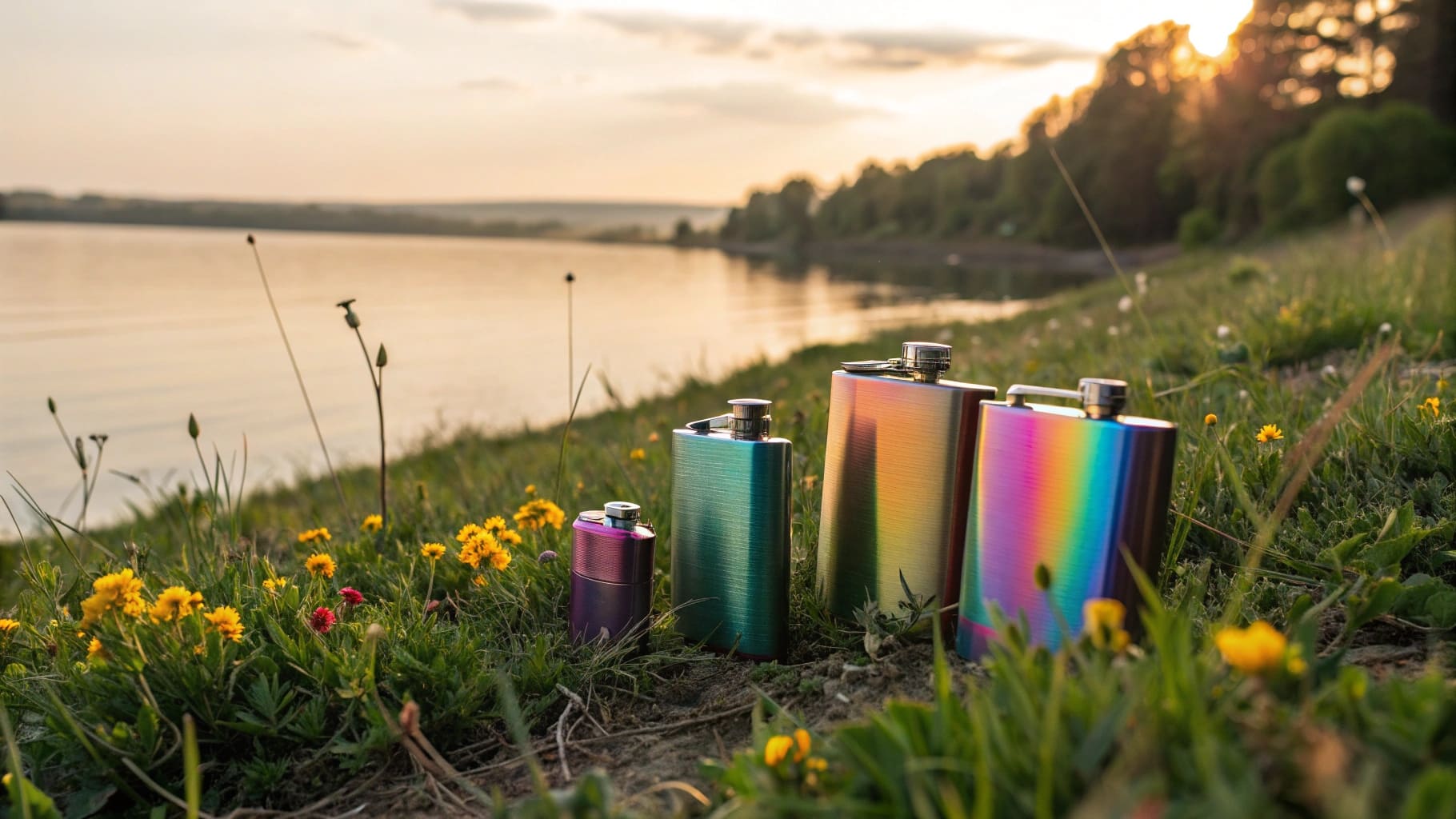
I have seen many flasks fail because buyers did not understand coating properties. Some coatings look beautiful but break down when exposed to whiskey or rum. Others provide excellent protection but cost more. Let me share what I have learned from manufacturing thousands of hip flasks at Icobottle.
How does 18/8 stainless steel protect against spirit damage?
I always recommend 18/8 stainless steel as the foundation. Many new buyers do not understand what these numbers mean. The flask corrodes quickly without this base material.
18/8 stainless steel contains 18% chromium and 8% nickel. This combination creates a natural barrier against corrosion. The chromium forms a thin oxide layer on the surface that protects against acidic spirits.
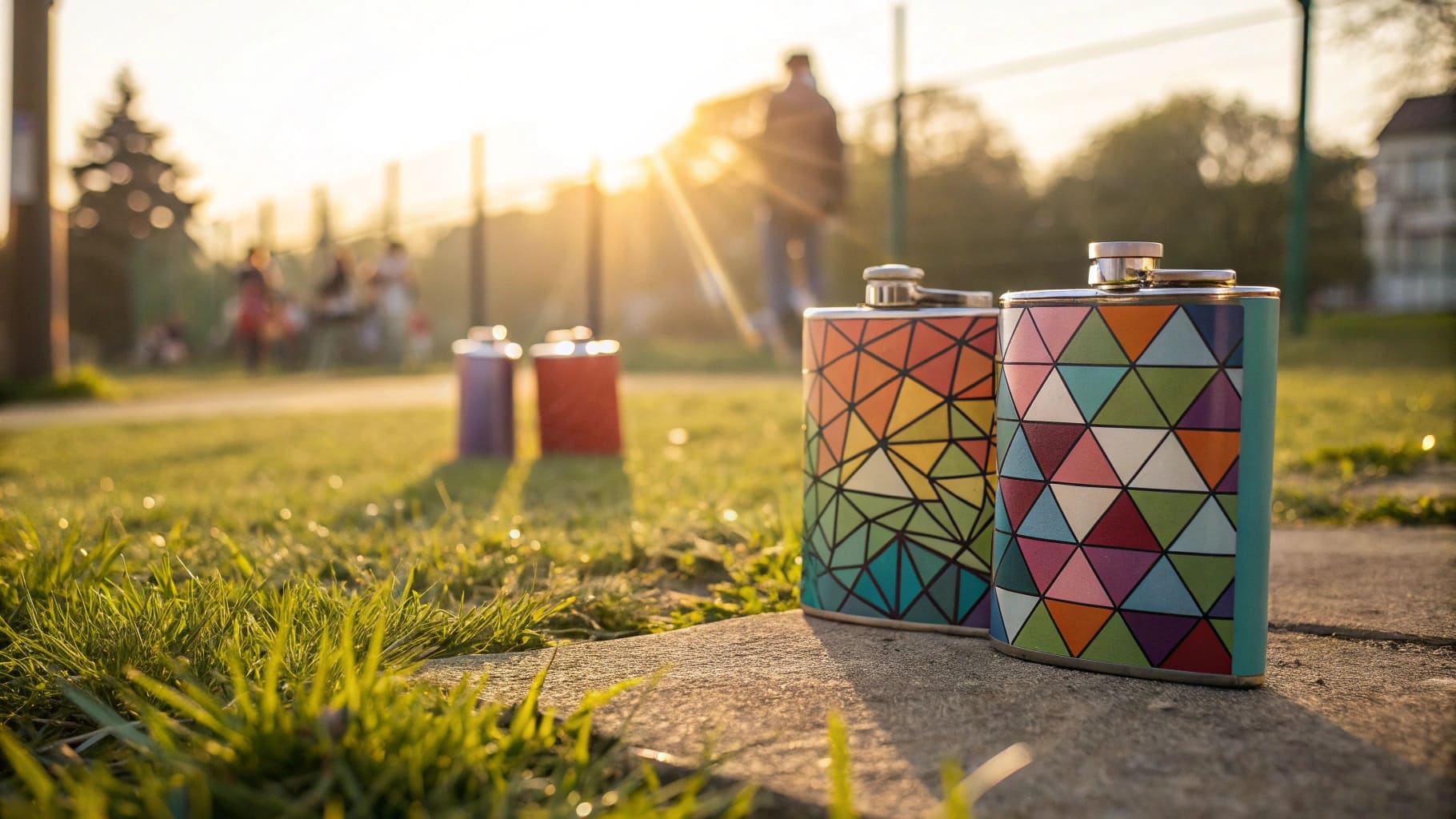
I work with suppliers across China who manufacture hip flasks. The quality difference between 18/8 and lower grades is massive. Let me break down why this matters for your business.
The chromium content determines corrosion resistance. When chromium meets oxygen, it forms chromium oxide. This invisible layer seals the metal surface. Spirits contain acids and alcohol that attack metal. The oxide layer prevents this chemical reaction.
Nickel adds strength and improves the corrosion resistance further. It also gives the flask a smooth, polished appearance. I have tested flasks with different nickel levels. Those below 8% showed rust spots within months.
| Material Grade | Chromium % | Nickel % | Spirit Resistance | Cost Level |
|---|---|---|---|---|
| 18/8 (304) | 18 | 8 | Excellent | Medium |
| 18/0 (430) | 18 | 0 | Poor | Low |
| 18/10 (316) | 18 | 10 | Superior | High |
The base material is your first line of defense. No coating can save a flask made from poor quality steel. I learned this the hard way when a customer returned 500 units. The steel corroded through the coating. We lost money and damaged our reputation.
What coating options provide the best protection for spirits?
I offer three main coating types at Icobottle. Each serves different customer needs. Your choice depends on your market and price point.
Powder coating creates the thickest protective layer. We apply dry powder to the flask surface and bake it at high temperature. The powder melts and forms a hard shell. This coating resists scratches and provides a comfortable grip.
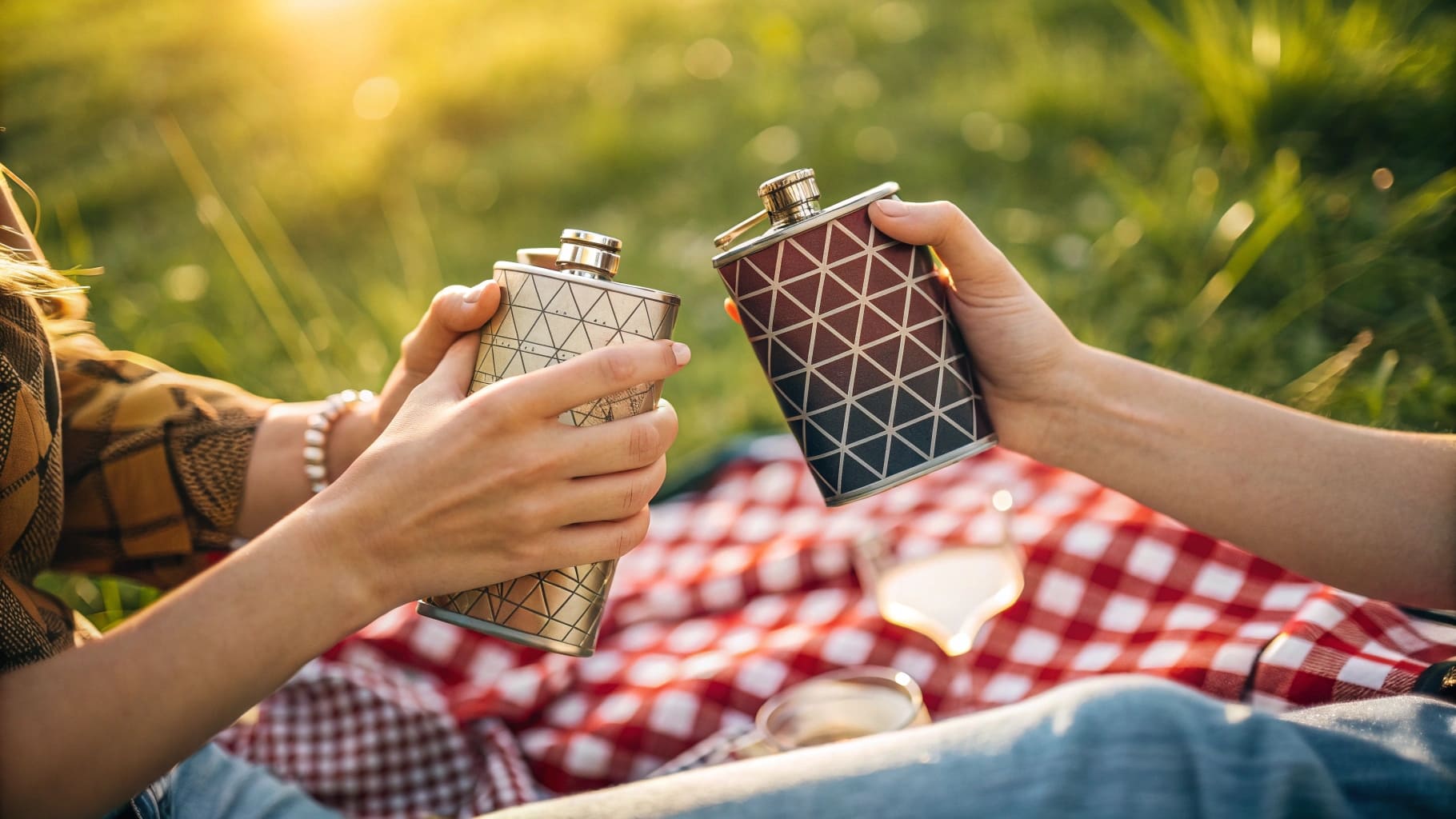
Different coatings serve different purposes. I spend hours explaining these options to new buyers. The coating you choose affects your profit margin and customer satisfaction.
Powder coating thickness ranges from 60 to 120 microns. We test our coatings with salt spray tests. Good powder coating survives 500 hours without showing corrosion. The coating bonds mechanically to the steel surface through electrostatic attraction.
I recommend powder coating for most markets. The color options are endless. We can match any Pantone color. The coating withstands drops and scratches better than other options. One customer sells flasks to outdoor enthusiasts. They chose powder coating because hikers drop their flasks frequently.
Spray painting costs less than powder coating. We apply liquid paint in multiple thin layers. The paint dries quickly and creates a smooth finish. However, the coating is thinner. It ranges from 20 to 40 microns. This makes it less durable for rough use.
Electroplating adds a thin metal layer through electrical current. We commonly use copper, gold, or chrome plating. The plated layer is very thin, usually 5 to 15 microns. This coating looks premium but offers less protection than powder coating.
| Coating Type | Thickness | Durability | Spirit Resistance | Cost |
|---|---|---|---|---|
| Powder Coating | 60-120 microns | Excellent | Very Good | Medium |
| Spray Paint | 20-40 microns | Good | Good | Low |
| Electroplating | 5-15 microns | Fair | Excellent | High |
| Brushed Finish | N/A | Excellent | Excellent | Low |
Brushed stainless steel is my personal favorite for spirit resistance. We do not add any coating. Instead, we brush the steel surface with abrasive pads. This creates a pattern that hides fingerprints. The steel remains fully exposed, which means maximum corrosion resistance.
I have one client in Toronto who only orders brushed finish2 flasks. He sells premium whiskey. His customers prefer the industrial look. The flasks last decades without any coating damage because there is no coating to damage.
How to clean a stainless steel hip flask?
I get this question constantly from buyers. They want to advise their customers properly. Poor cleaning destroys flasks faster than daily use.
Use mild dish soap with warm water for regular cleaning. Fill the flask halfway. Add a few drops of soap. Shake vigorously for 30 seconds. Rinse thoroughly with clean water.
Cleaning seems simple but many people make critical mistakes. I have seen beautiful flasks ruined by wrong cleaning methods3. Let me share the proper approach I teach all my customers.
The soap you choose matters. I use regular dish soap, nothing fancy. The key is choosing soap without bleach or harsh chemicals. Some buyers use antibacterial soap. This works fine as long as it does not contain chlorine.
The water temperature is important. I use warm water, not hot. Hot water can damage some coatings over time. Warm water dissolves oils and residue without stressing the metal. I fill the flask only halfway because I need room to shake it properly.
Shaking removes residue from the bottom and corners. I shake for at least 30 seconds. Some spirits leave sticky residue. Sweet liqueurs are the worst. They require longer shaking time. I sometimes need to repeat the process twice.
Rinsing is where most people fail. You must rinse until no soap smell remains. Soap residue affects the taste of your next drink. I rinse at least three times. I fill the flask completely with clean water each time. Then I pour it out and check for soap bubbles.
Drying prevents moisture buildup. I always leave the cap off when drying. Moisture trapped inside causes odors and potential corrosion. I place the flask upside down on a clean towel. This lets water drain completely. I wait at least 12 hours before putting the cap back on.
For deep cleaning, I use white vinegar. I add 2 to 3 tablespoons of white vinegar to warm water. I let it sit for 5 to 10 minutes. The acid in vinegar breaks down mineral deposits and odors. Then I rinse thoroughly.
Baking soda works for stubborn stains. I make a paste with water and baking soda. I use a soft bottle brush to scrub gently. The baking soda is abrasive enough to remove stains but soft enough not to scratch the steel. I learned this method from a customer in California. She cleans hundreds of flasks for her business.
What is not recommended to clean stainless steel?
I must warn you about dangerous cleaning methods3. These mistakes cost my customers money and damage their reputation. Some methods seem logical but destroy flasks quickly.
Never use bleach or chlorine-based cleaners. These chemicals attack stainless steel aggressively. They break down the chromium oxide layer. The flask corrodes within weeks of exposure.
Many buyers ignore cleaning warnings until problems appear. I have handled countless complaints about damaged flasks. The damage always traces back to improper cleaning. Let me explain what to avoid and why.
Bleach is the worst enemy of stainless steel. The chlorine in bleach reacts with chromium. This reaction destroys the protective oxide layer. I tested this once with a sample flask. After three bleach cleanings, rust spots appeared. The flask became unusable.
Some customers use bleach because they want to sterilize their flasks. I understand the concern but bleach is not the answer. Vinegar or boiling water sterilizes safely. One customer used bleach to clean flasks before reselling them. He destroyed 200 units. The loss was significant.
Dishwashers seem convenient but I advise against them. The high heat damages many coatings. The harsh detergents contain chemicals that attack metal. The spray pressure can also compromise coating adhesion. I only recommend dishwashers if the flask is specifically rated for it.
I learned about dishwasher damage from a customer in New York. She cleaned her entire inventory in a commercial dishwasher. The powder coating started peeling within days. We had to replace the entire order. Now I always emphasize hand washing in my documentation.
Abrasive scrubbers destroy finishes. Steel wool and hard bristle brushes scratch coatings. These scratches create paths for corrosion. I use only soft bottle brushes or cloth. Even if scratches seem minor, they compromise protection.
Acidic cleaners other than vinegar can damage flasks. Lemon juice works for cleaning but is too strong. Citric acid cleaners attack the metal if left too long. I stick to vinegar because I can control the concentration easily.
Metal utensils inside the flask cause scratches. Some people use spoons or forks to scrape residue. This creates deep scratches in the interior. These scratches trap bacteria and residue. I tell customers to use soft bottle brushes only.
| Cleaning Method | Safe? | Reason |
|---|---|---|
| Bleach | No | Destroys protective oxide layer |
| Dishwasher | Avoid | High heat damages coatings |
| Steel Wool | No | Scratches expose metal to corrosion |
| Strong Acids | No | Attacks metal directly |
| Metal Utensils | No | Creates deep scratches |
| Mild Soap | Yes | Gentle and effective |
| White Vinegar | Yes | Natural acid in safe concentration |
| Baking Soda | Yes | Gentle abrasive action |
Temperature extremes during cleaning cause problems. Some people pour boiling water into cold flasks. The sudden temperature change can damage welds and coatings. I always use warm water, never boiling.
Storing flasks wet is another common mistake. Water trapped inside creates odors and potential corrosion. The cap must stay off until the interior dries completely. I have seen moldy flasks that were stored wet. The smell never fully disappears.
What is the best spirit for a hip flask?
I focus on manufacturing but customers often ask about spirit recommendations. The right spirit choice protects your flask investment. Some spirits damage flasks faster than others.
Whiskey and bourbon are the best choices for hip flasks. These spirits have stable chemistry that does not attack stainless steel. The alcohol content is high enough to prevent bacterial growth.
Spirit selection affects flask longevity. I work with many distributors who sell branded spirits with flasks. They need to know which combinations work best. Let me share insights from years of customer feedback.
Whiskey contains mostly ethanol and water with flavor compounds. These compounds do not react with stainless steel. The alcohol content typically ranges from 40% to 50%. This concentration preserves well without causing chemical reactions.
Bourbon has similar properties to whiskey. The American oak barrel aging adds vanilla and caramel notes. These natural compounds are stable in stainless steel. Many of my customers in America prefer bourbon. They report no taste changes even after weeks in the flask.
Vodka works perfectly in hip flasks. The spirit is nearly pure ethanol and water. No added flavors mean no potential for chemical reactions. One customer in Europe only sells flasks pre-filled with vodka. He has never reported corrosion issues.
Rum functions well in flasks. Light rum has simple composition like vodka. Dark rum contains more congeners from barrel aging. These compounds are stable enough for flask storage. I recommend consuming within a week for best taste.
Gin requires more caution. The botanical oils can interact with some coatings. I advise using brushed stainless steel or high-quality powder coating with gin. One customer reported taste changes with cheap spray-painted flasks. We switched him to powder coating and the problem disappeared.
Avoid acidic spirits in flasks. Citrus-flavored vodkas contain acids that attack metal over time. Sweet liqueurs leave sticky residue that is hard to clean. Cream-based liqueurs spoil quickly and can cause bacterial growth.
| Spirit Type | Flask Safety | Reason |
|---|---|---|
| Whiskey | Excellent | Stable chemistry, no reactive compounds |
| Bourbon | Excellent | Similar to whiskey, natural flavors |
| Vodka | Excellent | Pure ethanol, no additives |
| Rum | Very Good | Stable compounds, consume within week |
| Gin | Good | Botanicals need quality coating |
| Citrus Spirits | Poor | Acids attack metal |
| Cream Liqueurs | Avoid | Spoils quickly, bacterial risk |
I learned about spirit compatibility through customer complaints. One buyer filled flasks with cream liqueur for a wedding. The flasks developed odors within days. The cream spoiled and we could not remove the smell. Now I include spirit guidelines with every shipment.
The storage duration matters as much as the spirit type. Even safe spirits should not stay in flasks for months. I recommend consuming within two weeks. The alcohol may not damage the flask but taste can change. Oxidation affects flavor over time.
Temperature affects spirit stability in flasks. I tell customers to avoid extreme heat. A flask left in a hot car can cause pressure buildup. The heat also accelerates any chemical reactions between spirit and metal.
I have one customer who runs a whiskey club. He distributes pre-filled flasks monthly. He only uses whiskey because it stores safely. His customers appreciate the convenience and quality. This business model works because whiskey and stainless steel are compatible.
I test all my flasks with whiskey before shipping. I fill a sample flask and let it sit for two weeks. Then I taste the whiskey. Any metallic taste means the batch fails quality control. This testing has saved me from shipping defective products many times.
The spirit choice affects your customer satisfaction directly. A damaged flask from wrong spirit selection reflects poorly on your brand. I always educate my buyers about spirit compatibility. This knowledge protects both their business and mine.
Conclusion
Choose 18/8 stainless steel with powder coating or brushed finish for best spirit resistance. Clean with mild soap and warm water. Avoid bleach and harsh chemicals. Your flask will last for years.