
Stainless Cup Sets: Pack Counts, Pallets, and Cube Efficiency for FCL Loads
You plan a large stainless cup order but worry about shipping costs eating into profits. Container space management seems complicated. FCL calculations feel overwhelming.
Standard stainless cup sets typically pack 48-96 units per carton. A 20-foot container holds 600-800 cartons depending on cup size and packaging. Efficient cube utilization reduces per-unit shipping costs by 15-30%.
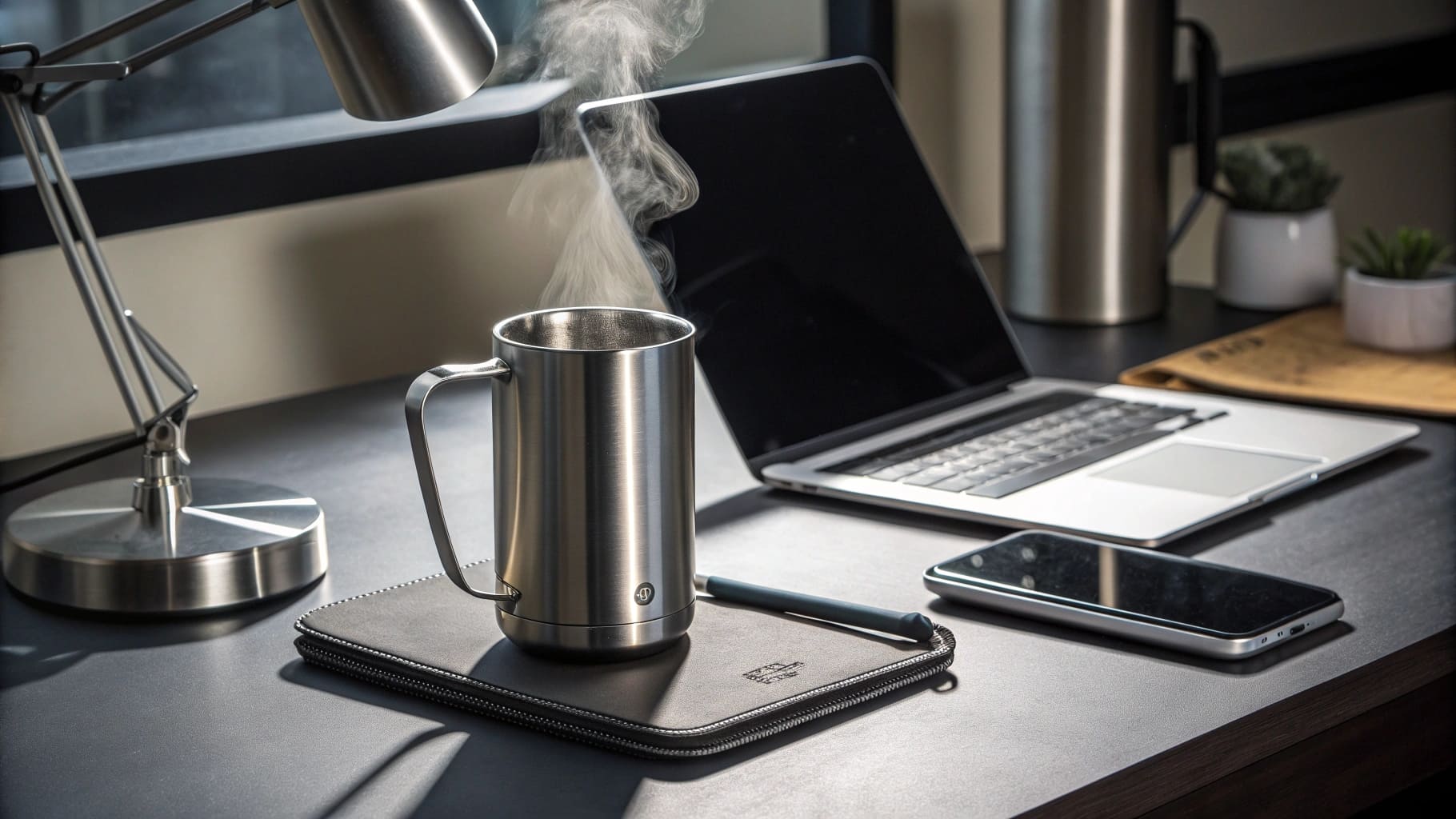
I ship hundreds of containers annually to buyers across North America and Europe. Every conversation starts with the same questions about pack counts and container loading. Let me walk you through the numbers that matter for your bottom line.
What are stainless steel cups used for?
Corporate gifting programs waste money when the products do not connect with recipients. Generic promotional items end up in storage closets. You need drinkware that people actually use daily.
Stainless steel cups serve corporate gifting, promotional events, retail sales, and everyday drinking needs. Companies customize these cups with logos for employees, clients, and event attendees. The products work equally well at home and in offices.

Breaking Down the Primary Use Cases
I sell to procurement officers who target different market segments. Each segment demands specific features and packaging approaches.
Corporate Gifting Programs
Companies buy stainless cups for employee appreciation events and client gift boxes. The products carry custom logos and brand colors. I worked with a tech startup last year that ordered 5,000 cups for their annual conference. They wanted something attendees would keep and use. The cups ended up on desks across three continents.
Retail Distribution
Retailers stock stainless cups for consumers who want durable drinkware. These buyers care about shelf appeal and packaging. The products need to stand out in stores while fitting standard retail displays.
Promotional Merchandise
Marketing teams distribute branded cups at trade shows and community events. The items create brand visibility. One buyer told me their stainless cups generated more social media posts than any other promotional item they tried.
| Use Case | Typical Order Size | Customization Level | Primary Concern |
|---|---|---|---|
| Corporate Gifting | 500-5,000 units | Full logo and color | Quality consistency |
| Retail Distribution | 1,000-10,000 units | Minimal or branded packaging | Shelf appeal |
| Promotional Events | 200-2,000 units | Logo printing | Fast turnaround |
| Everyday Personal Use | Bulk wholesale lots | Standard colors | Price point |
The diverse applications affect how you should approach packaging and container loading. Corporate orders often need individual gift boxes. Retail orders require display-ready packaging. Promotional items can use simpler bulk packing. These choices directly impact your cube efficiency and container utilization.
Are stainless steel cups good or bad?
You receive quotes from multiple suppliers with varying prices. Lower prices tempt you but quality concerns1 keep you awake at night. One bad batch can destroy your reputation with customers.
Quality depends entirely on the stainless steel grade used. Food-grade 304 SS and 316 SS deliver safe, durable products. These materials resist corrosion and meet FDA standards. Lower-grade 200-series steel saves money but compromises safety and longevity.

Material Grade Specifications That Matter
I test every production batch because I learned this lesson the hard way years ago. A buyer once returned an entire container because cups started showing rust spots after three months. The factory had switched to 201 stainless steel without telling anyone.
Understanding Steel Grades
304 stainless steel contains at least 18% chromium and 8% nickel. This composition creates what we call 18/8 stainless steel. The material resists most corrosive substances. It maintains structural integrity across temperature ranges from freezing to boiling.
316 stainless steel2 adds molybdenum to the mix. This element provides even better corrosion resistance. Marine environments and coastal areas benefit from 316 grade products. The material costs more but delivers superior longevity.
200-series stainless steel substitutes manganese for nickel. This reduces production costs significantly. The material works fine for decorative applications. Food contact raises concerns because the corrosion resistance drops.
Health and Safety Considerations
Stainless steel cups made from 304 or 316 grade contain no BPA. The material does not leach chemicals into beverages. FDA approval confirms these grades meet food safety standards.
| Steel Grade | Chromium % | Nickel % | Corrosion Resistance | Food Safety | Typical Price |
|---|---|---|---|---|---|
| 304 SS | 18-20% | 8-10.5% | Excellent | FDA approved | Baseline |
| 316 SS | 16-18% | 10-14% | Superior | FDA approved | +20-30% |
| 201 SS | 16-18% | 3.5-5.5% | Moderate | Not recommended | -15-25% |
I always recommend writing material specifications directly into purchase contracts. The contract should state "304 food-grade stainless steel" explicitly. This protects you from material substitution during production. Some factories try to cut corners when orders get large. Clear specifications prevent these problems before they start.
Are stainless steel cups better than glass?
Your target market includes both office workers and outdoor enthusiasts. Glass-lined options show up in competitor catalogs. You wonder which material truly serves customers better and reduces returns.
Stainless steel beats glass for durability and portability. Glass offers slightly better insulation but breaks easily during shipping and use. Stainless steel survives drops and impacts that would shatter glass alternatives.
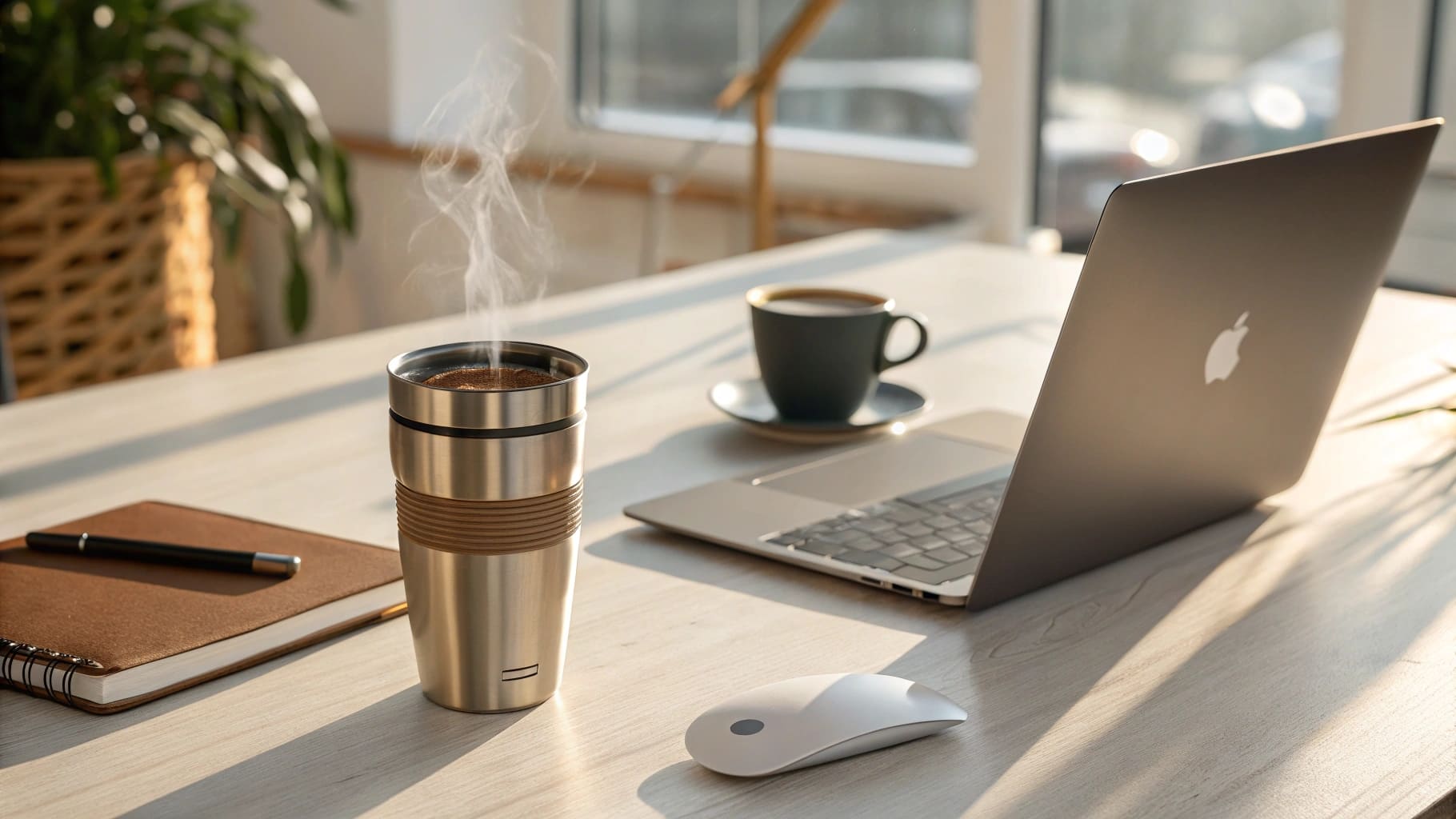
Comparing Performance Across Real-World Scenarios
I ship both stainless steel and glass-lined products. The return rates tell a clear story. Glass products come back damaged three times more often than stainless options.
Insulation Performance
Glass conducts heat more slowly than metal. A glass-lined vacuum cup keeps beverages hot or cold about 10-15% longer than stainless steel construction. This matters for people who drink slowly over several hours.
Stainless steel vacuum insulation still performs excellently. Double-wall construction with vacuum sealing maintains temperature for 6-8 hours for hot drinks and 12-24 hours for cold beverages. Most users find this more than adequate for daily needs.
Durability and Breakage Rates
Stainless steel cups survive falls from counter height. The material dents rather than shatters. Outdoor users and travelers prefer this resilience. One buyer distributes cups to construction crews. They reported zero breakage in two years of rough field use.
Glass liners crack from thermal shock. Pouring boiling water into a cold glass cup sometimes causes fractures. The material also breaks when cups tip over on hard surfaces. These failures generate customer complaints and warranty claims.
Shipping Damage Analysis
Container shipping subjects products to vibration, temperature swings, and handling stress. Glass-lined cups require extra protective packaging. This adds weight and reduces the number of units per container.
| Factor | Stainless Steel | Glass-Lined |
|---|---|---|
| Insulation Duration (Hot) | 6-8 hours | 8-10 hours |
| Drop Test Survival Rate | 95%+ | 20-30% |
| Shipping Damage Rate | 0.5-1% | 3-5% |
| Packaging Material Cost | Baseline | +25-40% |
| Units per Container | Higher | Lower (due to padding) |
| Target Market Fit | Outdoor, travel, active | Indoor, home, office |
I guide buyers through this decision based on their distribution channels. Retail stores see fewer returns with stainless steel products. Corporate gifting programs choose stainless for reliability. Home goods stores sometimes prefer glass-lined options for customers who prioritize insulation over durability.
The material choice affects your container loading strategy3 too. Glass-lined cups need more protective packaging. This increases carton size and reduces how many units fit in a container. Stainless steel products pack more efficiently. You get better cube utilization and lower per-unit shipping costs.
Conclusion
Smart container loading combines material choice, packaging design, and cube efficiency calculations. Stainless steel cups deliver the best balance of durability, cost, and shipping efficiency for most B2B applications.