
Stainless coffee tumbler vs plastic travel mug: TCO and channel placement
You spend hundreds on promotional drinkware each year. Your budget never seems to stretch far enough. What if the cheapest option actually costs you more?
Stainless steel coffee tumblers1 cost more upfront but last 5-10 years with proper care. Plastic travel mugs cost less initially but need replacement every 1-2 years. The total cost over five years favors stainless steel by 40-60% when you factor in replacement cycles and brand perception.
I have been selling drinkware to North American buyers for eight years now. My customers always ask me the same question: "Why should I pay three times more for stainless steel?" I show them the math. The numbers always tell the truth.
What Is the Difference Between a Tumbler and a Travel Mug?
You pick up a cup. You see the shape. But you cannot tell if it is a tumbler or a travel mug.
A tumbler has straight or slightly tapered walls and usually sits flat on surfaces. A travel mug features a handle, narrower base, and fits standard car cup holders. Both serve portable drinking needs but differ in design philosophy and use cases.

Design Philosophy and Structural Differences
The shape tells you everything about how people will use your product. I manufacture both types at my facility in China. Let me break down what makes each one unique.
Tumblers follow a simple design principle. The walls go straight up or taper slightly outward from bottom to top. The base sits flat and stable. You can place it on any surface without worry. The opening at the top matches the body width. This design maximizes liquid capacity while keeping the footprint compact.
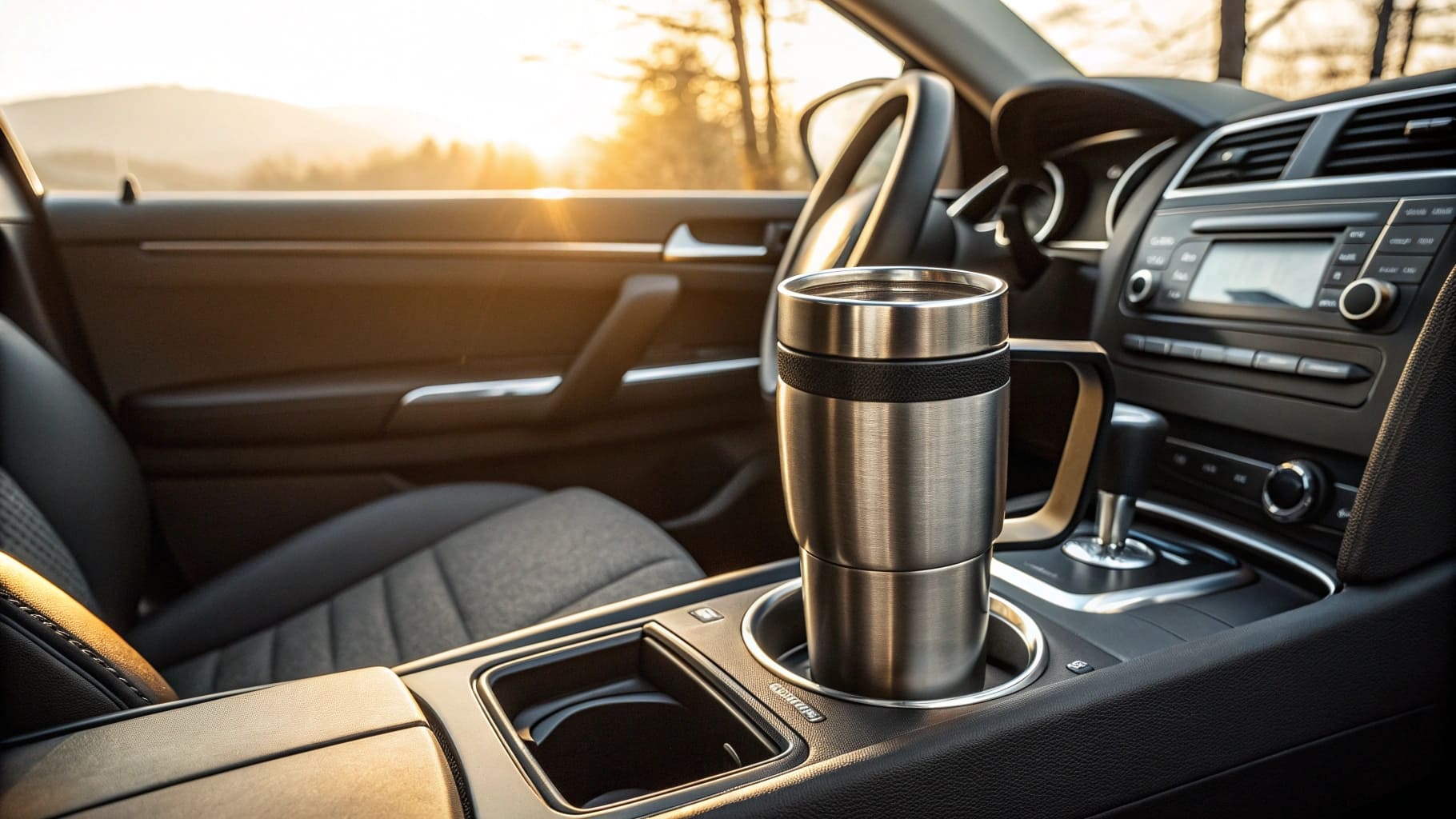
Travel mugs solve a different problem. They need to fit in car cup holders. The base narrows to match standard holder dimensions. Many include a handle for easy grip while driving. The tapered body provides stability and prevents spills during movement. The lid design emphasizes leak-proof sealing over easy access.
| Feature | Tumbler | Travel Mug |
|---|---|---|
| Wall Shape | Straight or tapered outward | Tapered inward toward base |
| Base Design | Wide and flat | Narrow to fit cup holders |
| Handle | Rarely included | Often included |
| Lid Type | Slide closure or straw lid | Screw-on or flip-top |
| Primary Use | Office, home, gym | Commuting, driving |
I remember a customer from Seattle. He ordered 5,000 tumblers for his coffee shop. Three months later he called me. "Aries, half my customers complain these don't fit their car cup holders." We switched his next order to travel mugs. His complaints dropped to zero.
What Is the Best Material for a Travel Coffee Mug?
Your marketing team wants eye-catching colors. Your finance team wants the lowest price. Your customers want their coffee to stay hot.
Stainless steel offers the best balance of durability, insulation performance2, and total cost of ownership. The material keeps beverages hot for 12 hours or cold for 24 hours. The product lasts 5-10 years with normal use. Plastic costs less upfront but requires replacement every 1-2 years.
Material Performance Analysis
I test every material in my factory before I recommend it to buyers. The results always surprise people who only look at the purchase price.
Stainless steel dominates the insulation category. My double-wall vacuum insulated tumblers3 use 304 or 316 food-grade stainless steel. The vacuum layer between walls blocks heat transfer. Your coffee stays at 60°C for 6-8 hours. Cold drinks maintain ice for a full day. The material resists dents and scratches. It never absorbs odors or stains. You can drop it from table height without damage.
Plastic serves a different market segment. Single-wall plastic costs 70-80% less than stainless steel. The weight drops by half. But the insulation fails after 2-3 hours. The material scratches easily. It absorbs coffee oils and tea tannins. After six months, even the best plastic shows wear. Some plastic types contain BPA or other chemicals that leach into hot liquids.
| Material | Initial Cost | Lifespan | Insulation Duration | Maintenance Level |
|---|---|---|---|---|
| 304 Stainless Steel | $5-8 wholesale | 5-10 years | 12 hours hot / 24 hours cold | Low - dishwasher safe |
| 316 Stainless Steel | $7-10 wholesale | 8-12 years | 12 hours hot / 24 hours cold | Low - dishwasher safe |
| Double-Wall Plastic | $2-3 wholesale | 1-2 years | 2-3 hours | Medium - hand wash only |
| Single-Wall Plastic | $1-1.5 wholesale | 6-12 months | 30-60 minutes | High - stains easily |
I sell to Mark in Canada. He runs a promotional products company. He tried plastic tumblers three years ago. The cost looked attractive. His clients complained after four months. The logos faded. The plastic cracked in cold weather. He lost two major accounts. Now he only orders stainless steel from me. His client retention rate jumped to 94%.
The TCO calculation reveals the truth. You buy a stainless steel tumbler for $7. It lasts eight years. Your cost per year is $0.88. You buy a plastic tumbler for $2. It lasts 18 months. You need five replacements over eight years. Your total cost reaches $12. Your cost per year hits $1.50. Stainless steel saves you 41% over the product lifecycle.
Which Is Better: Stainless Steel or Ceramic Travel Mugs?
You see ceramic mugs everywhere in offices. They look professional and stylish. But can they handle the road?
Stainless steel wins for travel applications due to superior durability and temperature retention. Ceramic works better for stationary use in offices or homes. The material choice depends on your distribution channel and end-user behavior patterns.
Channel-Specific Performance Requirements
I help buyers match materials to their sales channels. The right choice depends on where and how people will use the product.
Ceramic appeals to aesthetic buyers. The material accepts vibrant colors and detailed printing. You can create museum-quality graphics. The surface feels smooth and premium. It keeps coffee hot for 1-2 hours with double-wall construction. But ceramic has fatal flaws for travel use. It chips easily when bumped. It shatters when dropped. The weight makes it uncomfortable for commuting. Airlines and offices ban ceramic in many situations due to breakage risk.
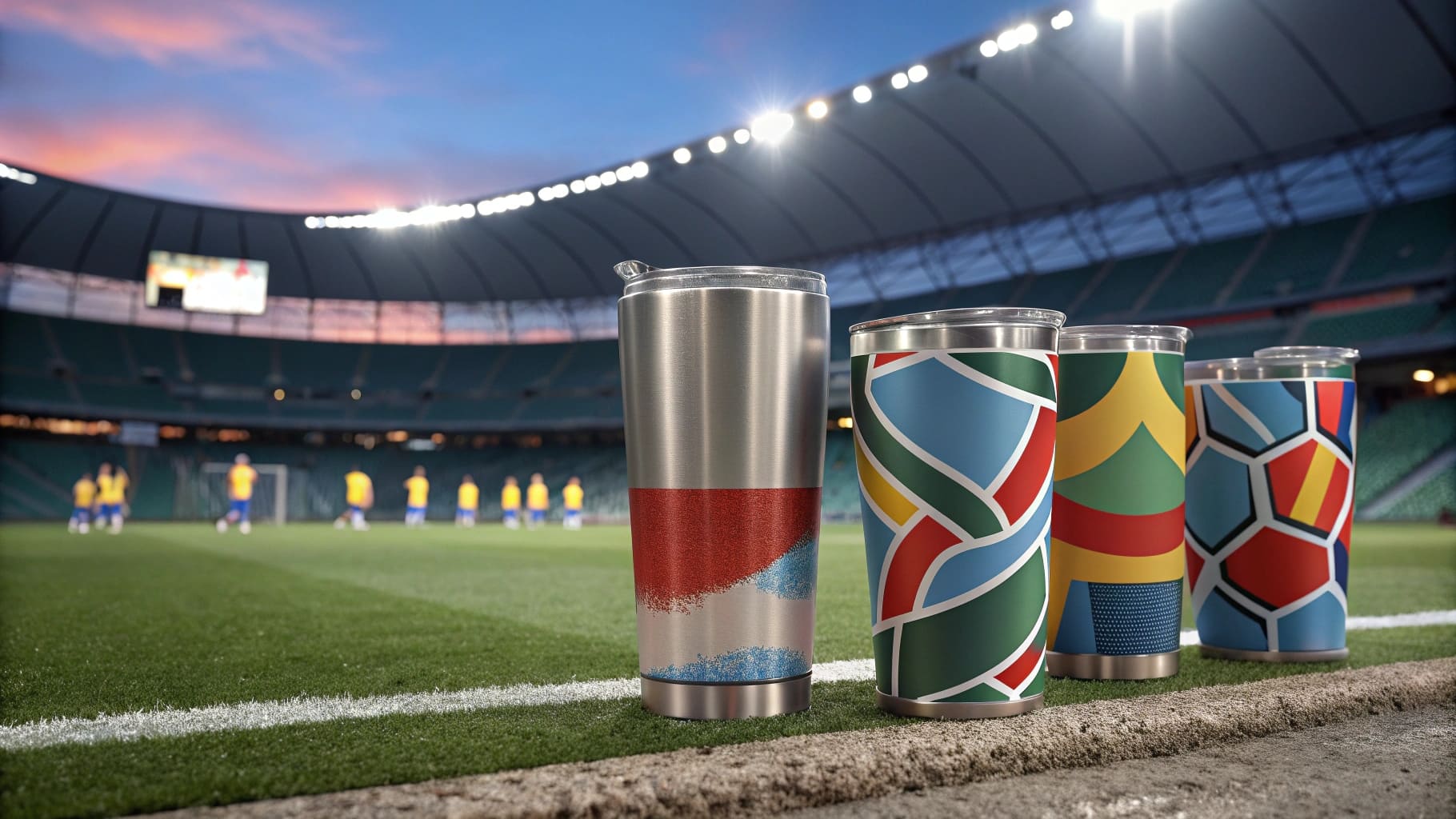
Stainless steel solves the portability problem. The material bounces instead of breaks. I have seen my tumblers fall from second-story windows without damage. The powder coating accepts any color or design you want. The insulation beats ceramic by 6-10 hours. The sweat-proof exterior protects documents and electronics. You can throw it in a bag without worry.
| Application | Best Material | Reason |
|---|---|---|
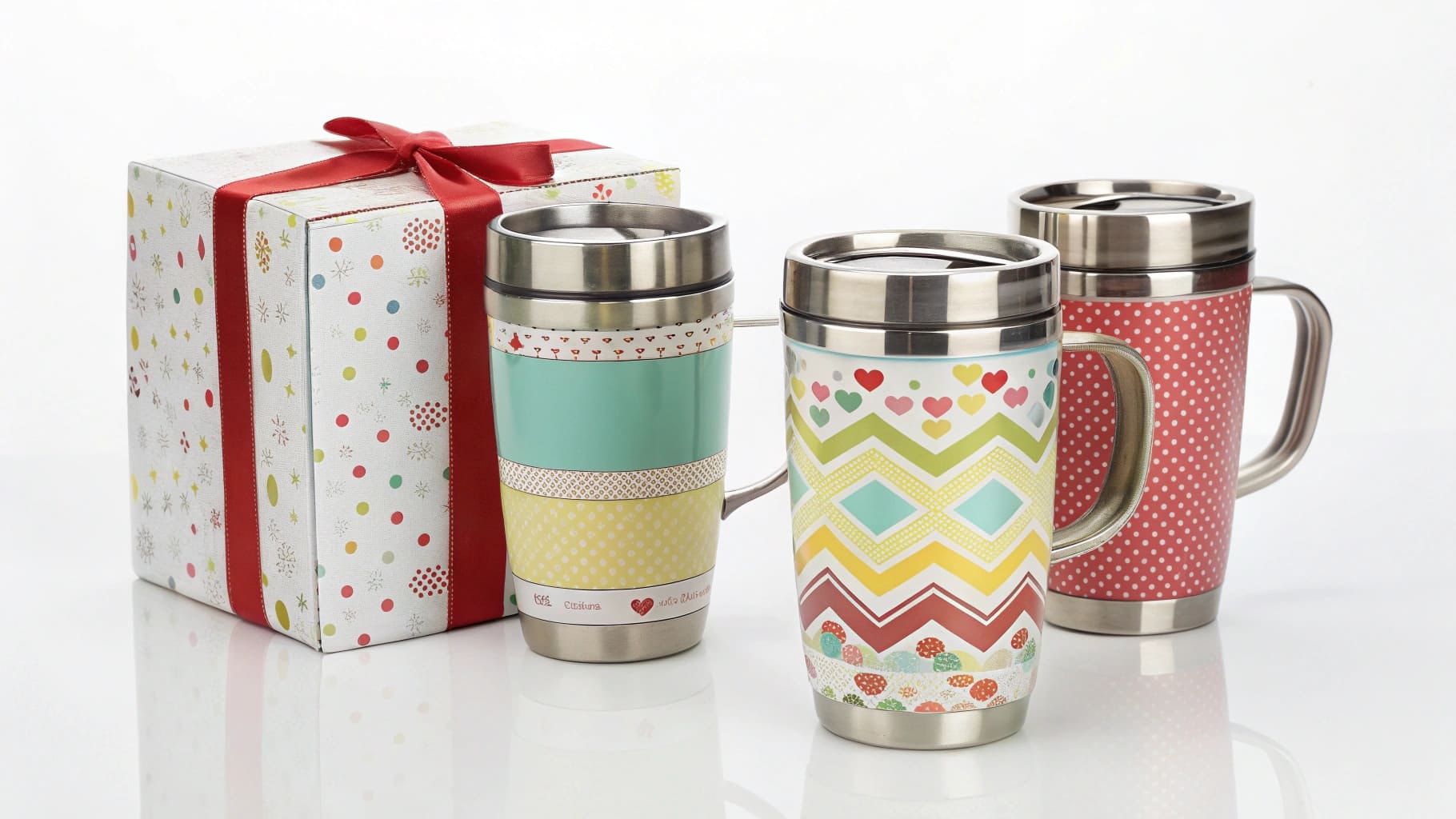
| Corporate Gifts | Stainless Steel | Durability implies quality and brand longevity |
| Office Use | Ceramic | Aesthetic appeal and desk stability |
| Gym Promotions | Stainless Steel | Impact resistance and cold retention |
| Event Giveaways | Plastic | Low cost for mass distribution |
| Retail Premium | Stainless Steel | Higher margins and customer satisfaction |
| Coffee Shop Retail | Ceramic | Matches coffee culture aesthetic |
I worked with a startup in Boston last year. They wanted to enter the corporate gifting space. They asked me about ceramic tumblers. I told them the truth: "Your clients will use these during commutes. Ceramic will break. You will get complaints." They trusted my experience. We went with powder-coated stainless steel4 in custom colors. Their reorder rate hit 78% in the first year. They now rank among my top five North American customers.
The channel placement strategy determines material choice. Premium retail channels demand stainless steel. The margin structure supports the higher cost. Budget retailers need plastic. The price point drives volume. Office supply channels can use either based on positioning. My factory produces 50,000 units monthly across all materials. I guide buyers to the right match for their channel strategy.
Conclusion
Stainless steel tumblers cost more upfront but deliver better TCO through extended lifespan and superior performance. Your material choice should align with your distribution channel and target customer behavior patterns for maximum ROI.
-
Explore the advantages of stainless steel tumblers, including durability and cost-effectiveness over time. ↩
-
Find out how insulation performance varies between materials and its impact on beverage temperature. ↩
-
Explore the technology behind double-wall vacuum insulation and its benefits for drinkware. ↩
-
Explore the advantages of powder-coated finishes for stainless steel drinkware. ↩