
Is whiskey safe in a flask for a month? Liner, headspace, and seal effects
I get this question almost daily from customers who want to carry their favorite whiskey without worry. Many people buy a flask and then hesitate, wondering if their expensive spirit will turn bad or pick up a metallic taste. The confusion around flask storage keeps good whiskey sitting on shelves instead of being enjoyed on the go.
Whiskey stays safe in a quality stainless steel flask for up to one month when the flask has proper food-grade liner material, minimal headspace, and an airtight seal. The key is using 18/8 stainless steel with certified silicone gaskets1 that prevent oxidation and chemical reactions.
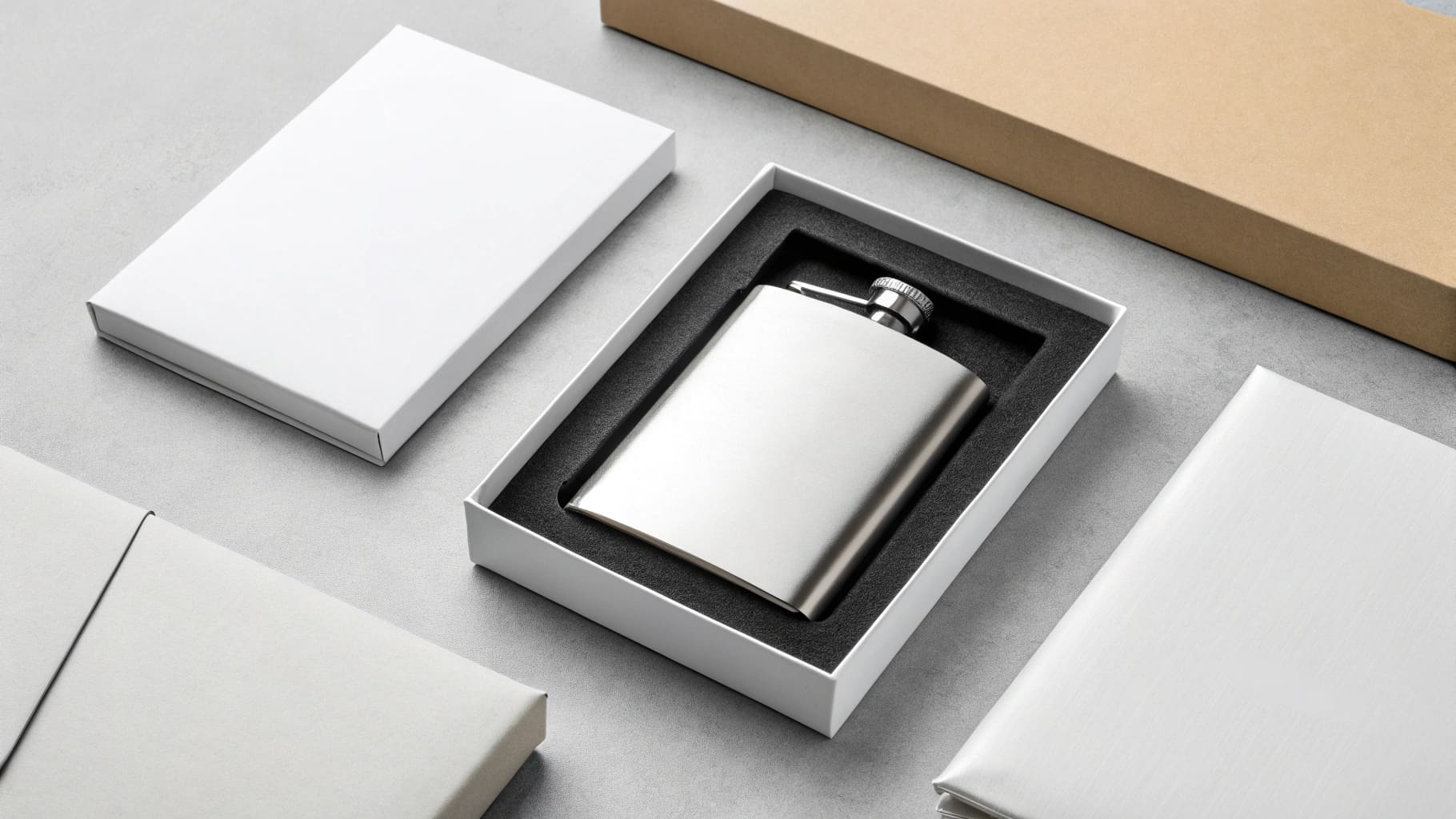
I have been making stainless steel flasks for years at Icobottle, and I have seen what happens when people use low-quality products. The material quality, seal design, and how you store the flask make all the difference between safe whiskey and spoiled spirits.
How long can you leave whiskey in a metal flask?
You just filled your flask before a camping trip, but now you worry whether the whiskey will taste strange after a few weeks. Bad information online tells you different things, and you cannot find a clear answer. This confusion makes you second-guess your purchase and wonder if you wasted money on a flask you cannot trust.
You can safely leave whiskey in a proper metal flask for 3 to 4 weeks without any taste change or safety concern. The whiskey maintains its original flavor profile when stored in certified 18/8 food-grade stainless steel with quality seals.
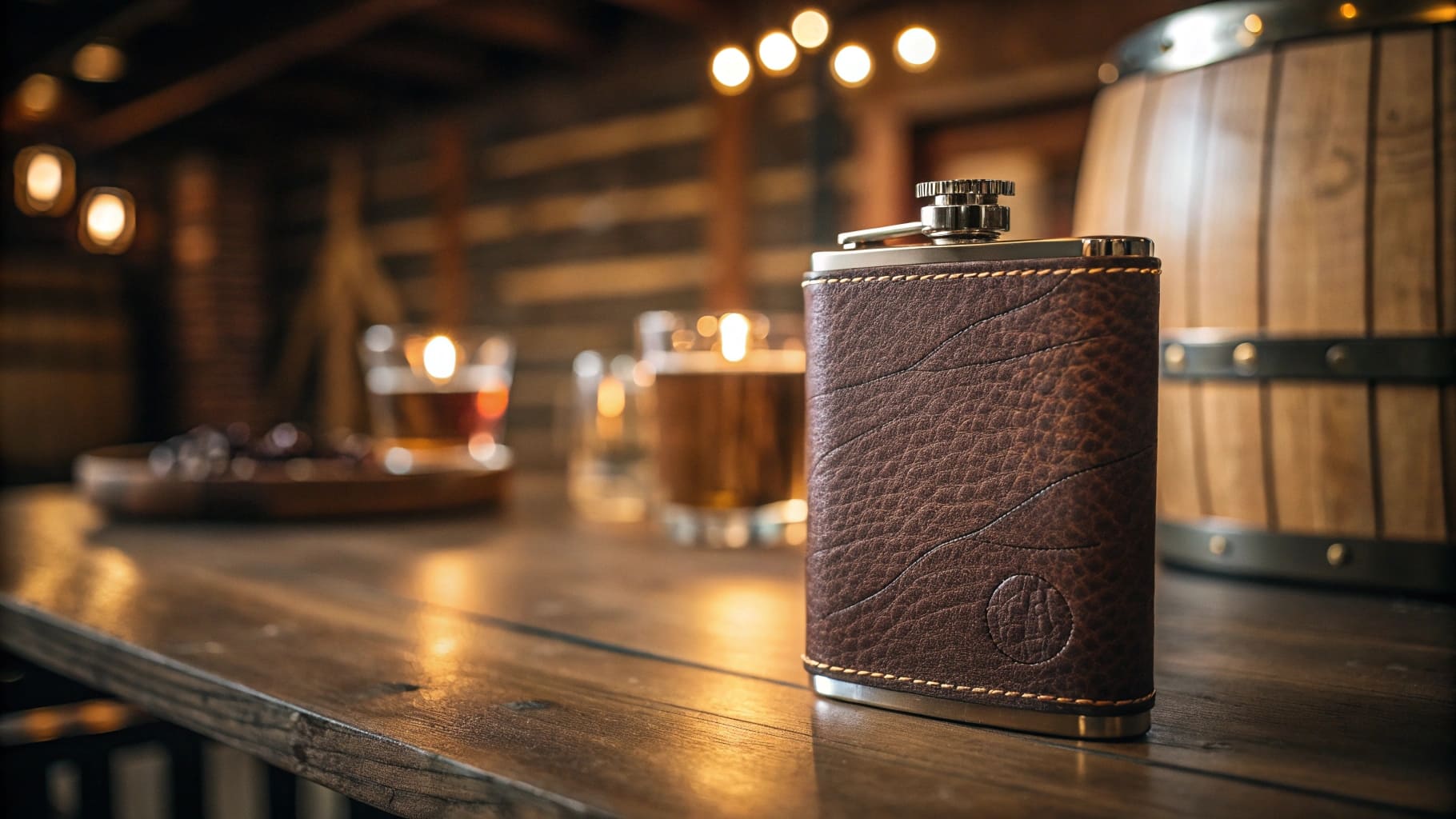
What factors determine safe storage duration?
The material composition matters most. I use 18/8 stainless steel in all my flasks because it contains 18% chromium and 8% nickel. This combination creates a passive layer that resists corrosion and prevents chemical reactions2 with alcohol. Cheap flasks use inferior metals that can leach into your whiskey, creating health risks and off-flavors.
The seal quality determines how long whiskey stays fresh. I install food-grade silicone gaskets in every flask cap because silicone does not degrade from alcohol contact. Rubber seals break down faster and can introduce strange tastes into your spirit. The table below shows how different seal materials perform:
| Seal Material | Alcohol Resistance | Average Lifespan | Safety Rating |
|---|---|---|---|
| Food-grade Silicone | Excellent | 5+ years | FDA/LFGB approved |
| Standard Rubber | Poor | 6-12 months | Not recommended |
| Cork | Moderate | 1-2 years | Can mold |
| Plastic | Very Poor | 3-6 months | May leach chemicals |
Temperature fluctuations shorten storage time. When you keep a flask in a hot car or direct sunlight, the heat accelerates oxidation and can compromise seal integrity. I recommend storing flasks at room temperature, away from heat sources. Cold temperatures do not harm whiskey, but extreme heat can expand the metal and create micro-gaps in the seal.
Alcohol content affects storage duration. Higher proof spirits like cask-strength whiskey stay stable longer because alcohol acts as a preservative. Lower proof whiskeys can develop off-flavors sooner, especially if the flask has any air inside. I suggest storing spirits above 40% ABV for the best results.
Is it okay to store whiskey in a flask?
You bought a beautiful flask but heard scary stories about metal contamination and chemical leaching. Friends warn you that whiskey belongs only in glass bottles, and you start doubting whether flasks are safe at all. This fear stops you from using a perfectly good product that cost you good money.
Yes, storing whiskey in a flask is completely safe when you use a certified stainless steel flask with proper seals. Quality flasks meet FDA, LFGB, and CA65 standards that guarantee no chemical leaching or metallic contamination occurs during normal use.
Understanding certification standards for safe storage
FDA approval means the stainless steel passes strict tests for food contact safety. When I manufacture flasks, every batch undergoes testing to verify that no chromium, nickel, or other metals leach into liquids, even acidic ones. The FDA specifically allows 18/8 stainless steel3 for direct contact with alcoholic beverages because decades of research show it remains inert.
LFGB certification from Germany represents one of the strictest food safety standards in the world. This certification requires testing for heavy metals, volatile compounds, and potential chemical migration under extreme conditions. I obtain LFGB certification4 for my products because European customers demand this level of safety assurance. The testing involves exposing stainless steel to alcohol at high temperatures for extended periods, simulating years of normal use in accelerated conditions.
California Prop 65 compliance5 ensures no carcinogenic or reproductive toxins exist in the flask materials. Many manufacturers avoid this certification because the testing costs money and reveals poor material quality. I proudly display Prop 65 compliance because I know my stainless steel contains no lead, cadmium, or other harmful substances. This certification specifically matters for whiskey storage because alcohol can extract contaminants that water cannot.
The BPA-free guarantee protects against hormone-disrupting chemicals. While stainless steel naturally contains no BPA, the sealing gaskets can be a source of contamination if made from cheap plastics. I use medical-grade silicone for all sealing components, which eliminates any BPA risk. The material cost runs higher than standard rubber, but safety cannot have a price tag.
Does whiskey in a flask ever go bad?
Your flask has been sitting in your desk drawer with whiskey for two months, and now you hesitate to drink it. You notice the liquid level dropped slightly and wonder if something went wrong inside. The thought of wasting expensive whiskey or worse, getting sick from bad alcohol, makes you anxious about what to do next.
Whiskey in a flask does not spoil or become unsafe, but it can lose flavor complexity and develop flat taste characteristics after 4-6 weeks due to oxidation and evaporation through imperfect seals. The whiskey remains drinkable, just less enjoyable.
The science behind whiskey degradation in flasks
Oxidation changes whiskey chemistry over time. When whiskey contacts air, oxygen molecules react with aromatic compounds that give whiskey its distinctive flavors. I have tested this by storing the same whiskey in multiple flasks with different headspace amounts. The flask with more air showed noticeable flavor changes after three weeks, while the flask filled to the top maintained taste quality for over a month. This happens because oxidation reactions need oxygen, and less air means slower degradation.
Evaporation concentrates flavors but reduces volume. Even with good seals, microscopic amounts of alcohol can escape through the seal interface. I measure this by weighing flasks over time, and quality flasks lose less than 1% volume per month under normal conditions. Poor quality flasks can lose 5% or more, which noticeably changes the drink's character. The higher alcohol vapors escape faster than water, slightly lowering the proof over time.
Headspace management preserves whiskey quality. The air pocket above the liquid acts as an oxidation chamber that slowly degrades your spirit. I always recommend filling flasks completely or as close to full as possible. The table below demonstrates the relationship between headspace and degradation:
| Headspace Amount | Noticeable Taste Change | Recommended Storage Time |
|---|---|---|
| Less than 5% | After 4-6 weeks | 1 month |
| 10-20% | After 2-3 weeks | 2 weeks |
| 30-50% | After 1-2 weeks | 1 week |
| More than 50% | Within days | Not recommended |
Seal wear introduces contaminants and accelerates degradation. I inspect returned flasks and often find mold growing on deteriorated rubber seals. This mold can fall into whiskey and create health hazards beyond just bad taste. Regular seal inspection and replacement every 1-2 years prevents this problem. I sell replacement seal kits because I know maintaining your flask extends its useful life and keeps your whiskey safe.
Temperature cycling stresses flask materials and compromises seals. When a flask goes from cold to hot repeatedly, the metal expands and contracts at different rates than the silicone seal. This creates temporary gaps where air enters and whiskey evaporates. I recommend keeping flasks at stable temperatures and avoiding extreme heat exposure that accelerates this wear process.
Conclusion
Whiskey stays safe in quality stainless steel flasks for up to one month when you use certified materials, minimize headspace, and maintain proper seals. Choose wisely, store correctly, and enjoy your spirit anywhere with confidence.
-
Explore the benefits of using certified silicone gaskets in flasks for safe whiskey storage. ↩
-
Understand the potential chemical reactions that can affect whiskey quality in metal flasks. ↩
-
Find out why 18/8 stainless steel is the preferred material for high-quality flasks. ↩
-
Explore the importance of LFGB certification for food safety in flask materials. ↩
-
Learn about California Prop 65 compliance and its relevance to flask safety. ↩