
30oz Insulated Tumbler Walls: What Vacuum Levels Hit Thermal Performance?
Ever ordered a batch of tumblers only to face customer complaints about poor temperature retention? Most B2B buyers blame the steel quality. But the real problem lies in the vacuum level between the walls.
A proper vacuum level between tumbler walls should reach 0.001 Pa or lower. This creates an effective thermal barrier1 by eliminating air molecules that transfer heat. The lower the pressure, the better your tumbler performs.
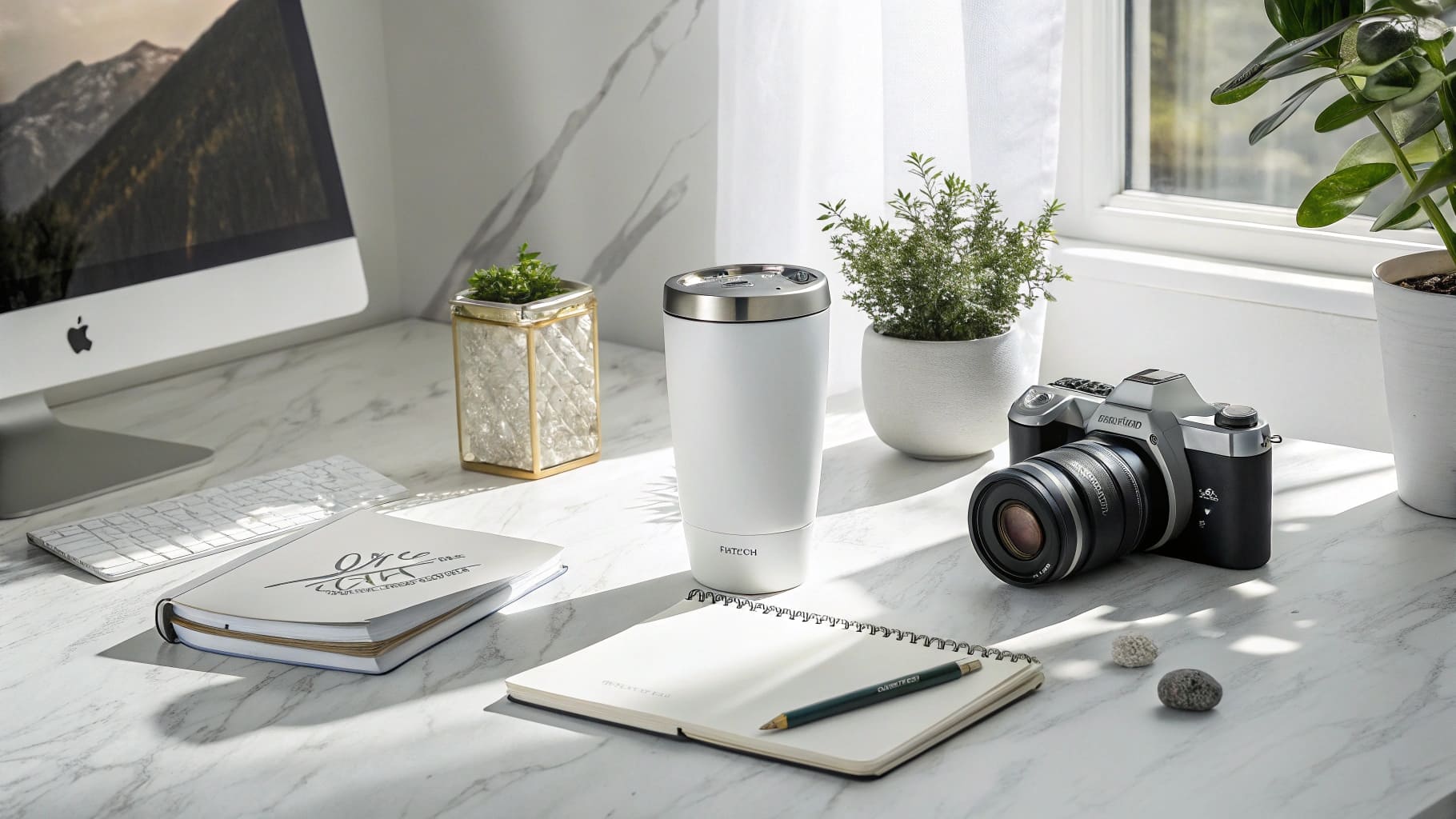
I learned this the hard way five years ago when a Canadian distributor returned 500 units. The tumblers looked perfect but failed basic ice retention tests. That experience taught me why vacuum quality matters more than material thickness.
Why Is It Important That Thermos Bottles Have a Partial Vacuum?
Your tumbler's thermal performance drops dramatically without a proper vacuum. Air molecules trapped between walls act as heat highways. They carry temperature from outside to inside faster than you can finish your morning coffee.
The partial vacuum removes most air molecules from the gap between walls. This stops heat transfer2 through convection and conduction. Without air, there's nothing to carry heat across the space.

I remember testing two identical tumblers from different suppliers. Both used 304 stainless steel. Both had the same wall thickness. But one kept ice for 9 hours while the other barely managed 4.
The difference was vacuum quality. The better performer had a vacuum level below 0.001 Pa. The weaker one measured around 0.1 Pa. That hundredfold difference in air pressure created a fivefold gap in performance.
Here's what happens at different vacuum levels:
| Vacuum Level | Ice Retention | Hot Retention | Market Grade |
|---|---|---|---|
| 0.001 Pa or lower | 9-10 hours | 4-5 hours | Premium |
| 0.01 Pa | 6-7 hours | 3 hours | Standard |
| 0.1 Pa | 3-4 hours | 1-2 hours | Below Standard |
I share this data with every new client. They often assume thicker steel means better insulation. But I've seen 0.5mm walls with excellent vacuum outperform 0.8mm walls with poor vacuum. The space between matters more than the walls themselves.
How Do Vacuum Insulated Tumblers Work?
Heat moves through three paths: conduction, convection, and radiation. Your tumbler must block all three. But most manufacturers only focus on one or two. This leaves thermal gaps that ruin performance.
Vacuum insulation blocks conduction and convection by removing air. The remaining challenge is radiation. Quality tumblers use copper coating on inner walls to reflect radiant heat back.
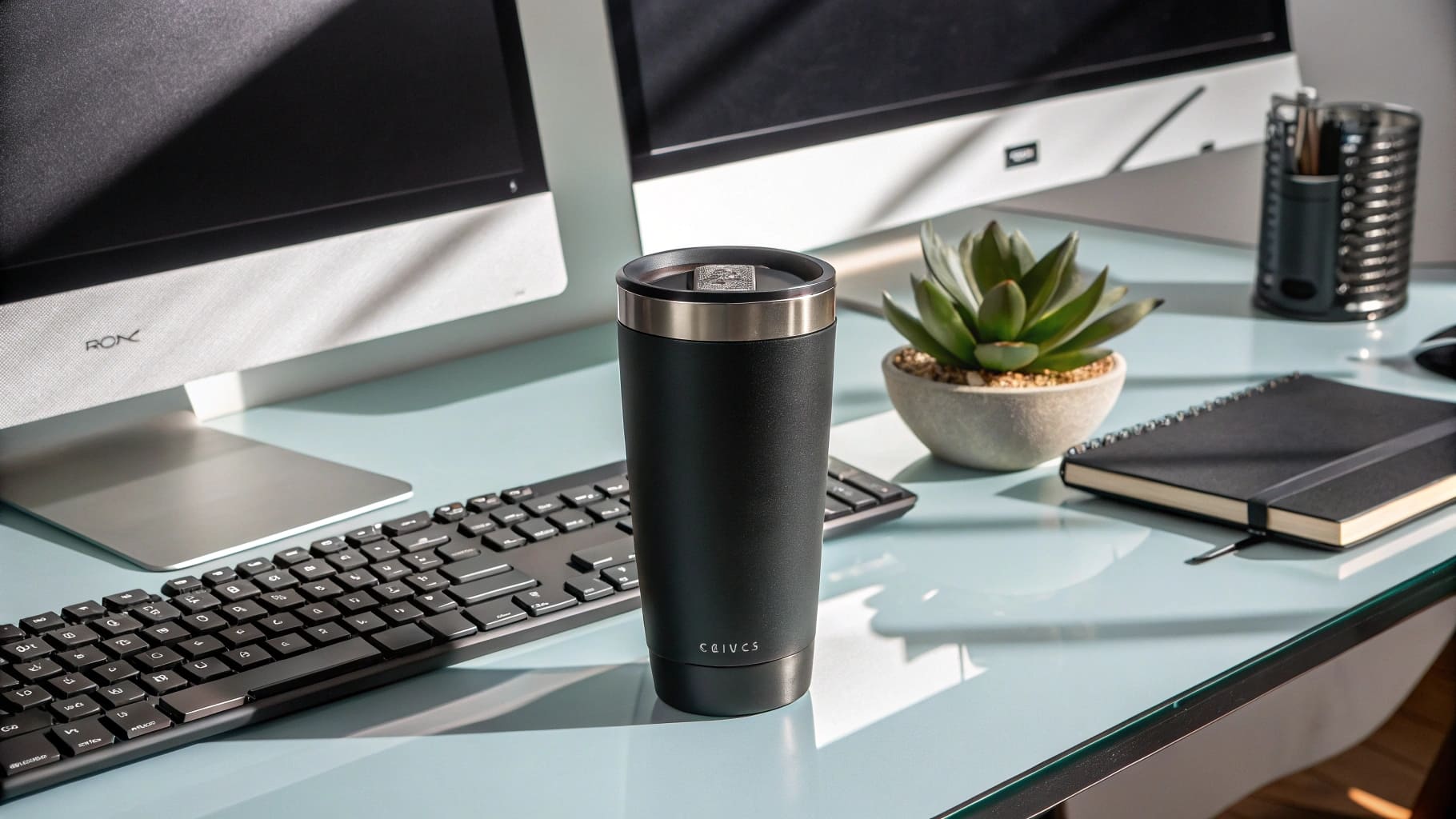
Let me break down each heat transfer method. Conduction happens when molecules touch and pass energy along. Think of a metal spoon heating up in hot soup. The handle gets hot because molecules in the metal transfer heat from end to end.
In a tumbler, conduction occurs through the steel walls and any air trapped between them. We can't eliminate the steel walls, but we can remove the air. A proper vacuum leaves so few molecules that conduction becomes nearly impossible.
Convection requires air movement. Hot air rises, cold air sinks. This creates circulation that moves heat around. In a normal cup, air between walls circulates constantly. Hot beverage warms the inner wall, which heats the air, which rises and touches the outer wall, making your tumbler hot to hold.
Remove the air through vacuuming and convection stops completely. No air means no circulation. The vacuum acts like an invisible barrier.
Radiation is trickier. Heat travels as electromagnetic waves that don't need air. Your hot coffee radiates heat outward even in a perfect vacuum. Quality factories apply a thin copper or aluminum layer inside. This reflects radiant heat back to your beverage instead of letting it escape.
What Is the Vacuum Between the Walls of the Thermos Flask Used For?
The vacuum creates a thermal dead zone. Heat can't cross empty space easily. This dead zone acts as an insulation layer that's better than foam, plastic, or air.
Without vacuum, even the best stainless steel performs poorly. The gap between walls fills with air at normal atmospheric pressure. This air conducts and convects heat rapidly, making insulation nearly worthless.
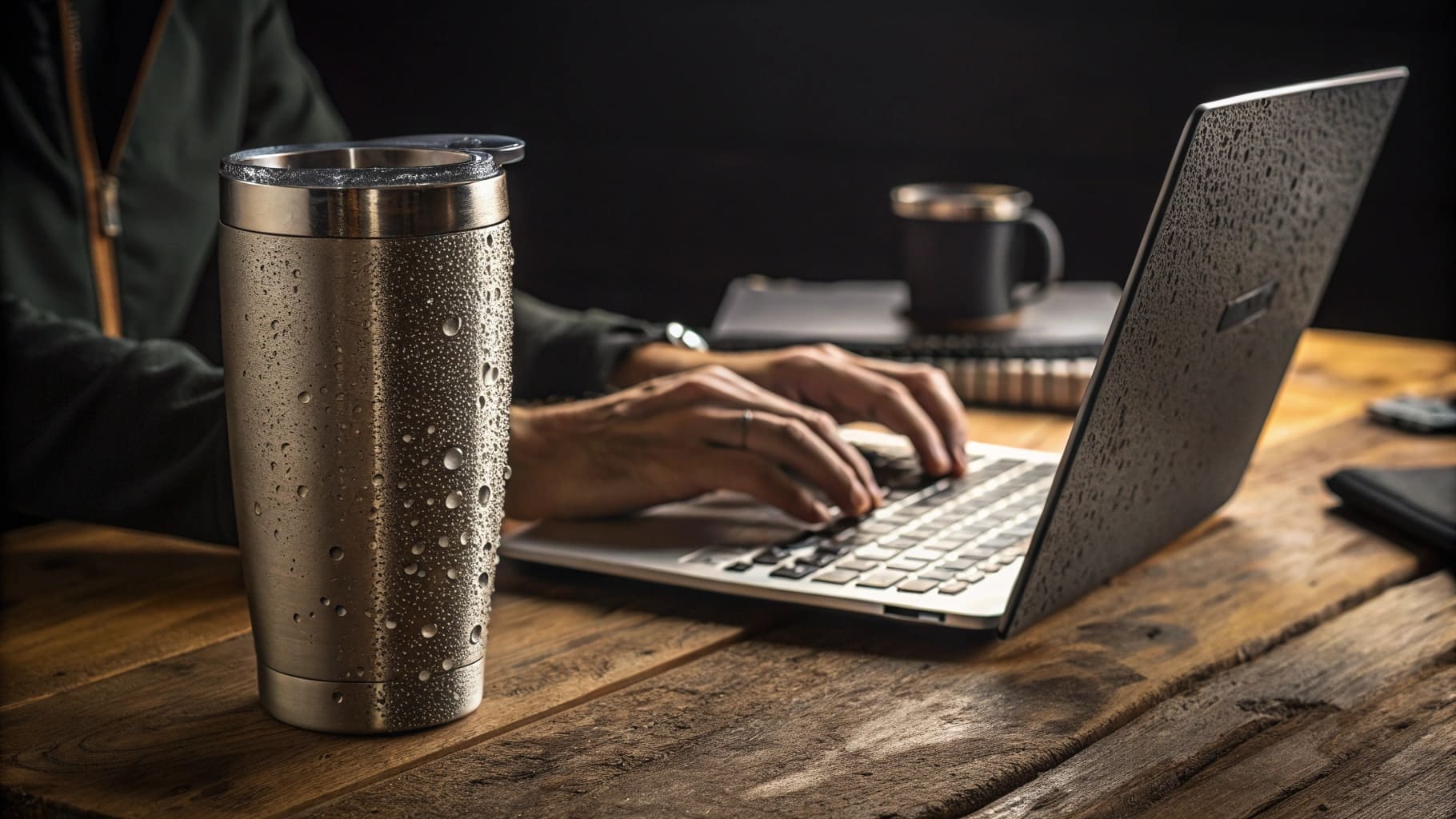
I once visited a factory that skipped vacuum processing3 to cut costs. They argued that sealed air gaps still provide insulation. I ran a simple test. We filled their tumbler and mine with ice water. Mine stayed cold for 8 hours. Theirs became room temperature in 2.
The physics is clear. Air at atmospheric pressure contains about 10^19 molecules per cubic centimeter. Each molecule can carry and transfer heat. Reduce pressure to 0.001 Pa and you remove 99.99999% of those molecules.
Here's the practical impact on your business:
| Feature | With Proper Vacuum | Without Vacuum |
|---|---|---|
| Customer Satisfaction | High | Low |
| Return Rate | Under 1% | 15-20% |
| Repeat Orders | Common | Rare |
| Price Premium | Possible | Difficult |
Mark, one of my Canadian partners, learned this during his first import. He bought 1000 units from a supplier who charged 30% below market rate. The price seemed great until his customers started complaining. Drinks went lukewarm within two hours.
He measured the vacuum level using specialized equipment. The result shocked him. The supplier had barely evacuated any air. The pressure inside measured close to atmospheric levels. Mark lost the entire batch plus his relationship with his retail partners.
Now he requires vacuum level testing before shipping. I provide certification and test reports for every order. This protects both of us. He gets reliable products. I maintain my reputation.
The vacuum serves another purpose too. It extends product life. Air trapped between walls can corrode the inner surfaces over time. Moisture in that air reacts with steel, creating rust spots you can't see until the tumbler fails. A proper vacuum removes this moisture and prevents internal corrosion.
Conclusion
Vacuum quality determines whether your tumblers succeed or fail in the market. Test every batch. Demand proof from your supplier. Your business reputation depends on it.
-
Learn how thermal barriers function to improve insulation and keep beverages at the desired temperature. ↩
-
Understanding heat transfer methods can help you design better insulated products and improve performance. ↩
-
Understanding vacuum processing can help you ensure high-quality products and reduce returns. ↩