
Worldwide Top 10 insulated coffee mug specs and buying tactics in 2026?
I remember when I first started exporting insulated mugs in 2015. Buyers only cared about price. Now in 2026, everyone asks about certifications, sustainability, and custom features. The market has changed completely.
The top 10 insulated coffee mug specs include 18/8 stainless steel construction, double-wall vacuum insulation, 12-hour hot retention, leak-proof lids, powder-coated finishes1, and capacities ranging from 12oz to 40oz. Smart buying tactics focus on MOQ negotiation, mold-sharing, and choosing manufacturers with full customization capabilities2.
I have been in this business for over 10 years. I have seen trends come and go. But 2026 is different. Buyers now need mugs that do more than just hold coffee. They want products that reflect their brand values. They want suppliers who understand their market. This article will show you exactly what specifications matter and how to buy smart.
What are the latest cup design trends?
Every trade show I attend, buyers ask me the same thing. They want to know what designs sell best. They worry about choosing styles that will be outdated in six months.
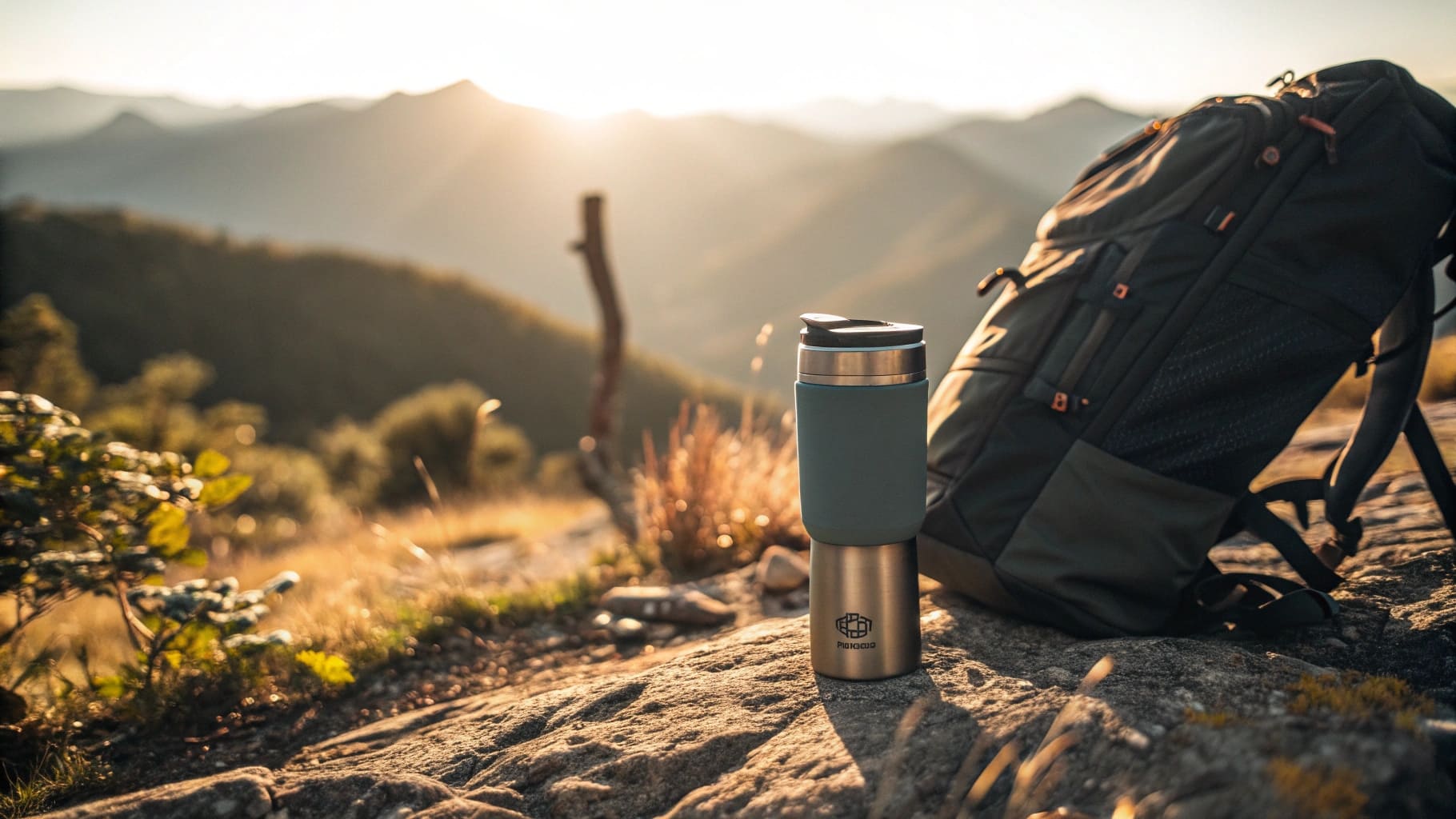
Latest cup design trends in 2026 emphasize multi-functional features like flip lids, straw compatibility, and ergonomic handles with silicone grips. Material innovation focuses on sustainable components like bamboo lids3 while maintaining 18/8 stainless steel bodies for thermal performance.
Design Elements That Define 2026
I just finished a project with a Canadian distributor last month. He wanted mugs that could work for both coffee and smoothies. This request is not unique anymore. Modern designs must serve multiple purposes.
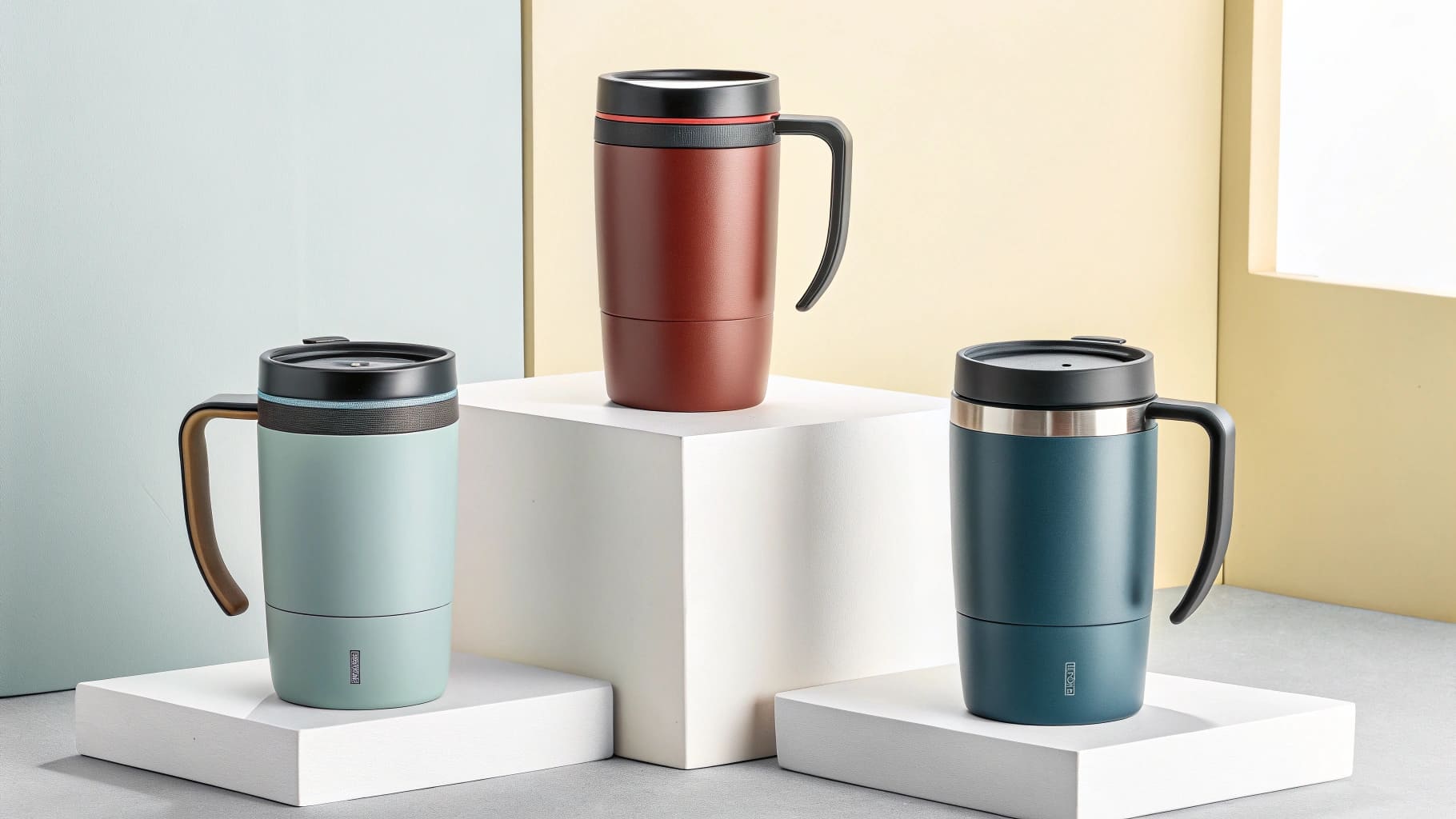
The shift toward versatility shows up in several ways. Lid systems have become more sophisticated. We now manufacture flip lids with one-handed operation, slider mechanisms that prevent spills, and interchangeable lids that fit multiple products in a line. One of my regular clients increased sales by 40% simply by offering three lid options for the same mug body.
Handle design has evolved beyond basic functionality. Buyers now specify ergonomic angles, non-slip silicone coverage, and foldable designs for compact storage. I worked with a startup last quarter who tested five handle prototypes before selecting one. The investment paid off. Their mug became their best seller.
Specialty features distinguish premium products from basic models. Built-in tea infusers, French press mechanisms, and removable fruit chambers add value without significantly increasing manufacturing costs. These features typically add $1.50-$3.00 to production costs but allow retail markups of $10-$15.
| Feature Category | 2024 Standard | 2026 Evolution | Cost Impact |
|---|---|---|---|
| Lid System | Simple screw-on | Multi-option (flip/slide/straw) | +$0.80-$1.50 |
| Handle Design | Basic loop | Ergonomic with silicone grip | +$0.60-$1.20 |
| Body Finish | Single color | Gradient/pattern options | +$0.40-$2.00 |
| Special Features | None | Infusers/press mechanisms | +$1.50-$3.00 |
Material Selection Strategy
Material choices directly impact your product positioning. I always tell new clients to start with 18/8 food-grade stainless steel. This specification is non-negotiable for quality products. It provides superior thermal retention. It resists corrosion. It meets all major market certifications.
Sustainability components are no longer optional. Bamboo lids, recycled packaging materials, and BPA-free plastics have moved from premium features to expected standards. A European buyer told me last month that retailers now require sustainability documentation before stocking new products.
Who makes the best insulated cups?
Buyers often ask me to recommend competitors. They want the "best" manufacturer. But this question misses the point. The best supplier depends entirely on your business needs.
The best insulated cup manufacturers offer comprehensive capabilities including R&D support, custom tooling, multiple printing methods, complete certifications like ISO9001 and BSCI, and flexible MOQs. Top suppliers provide end-to-end solutions from design through compliant shipment rather than just manufacturing.
Evaluating Manufacturing Capabilities
I have visited over 50 factories in the past decade. The differences between basic manufacturers and quality partners are dramatic. Basic factories can produce mugs. Quality partners can build your business.
Look beyond production capacity. Any large factory can produce 100,000 units monthly. What matters is their ability to support your growth. Can they help with product development? Do they understand export regulations for your target market? Can they suggest improvements to your designs?
Quality control systems separate professionals from amateurs. I implement strict inspection protocols at every production stage. Incoming material inspection catches defective steel before production starts. In-process checks identify issues before they multiply. Final inspection ensures only perfect products ship. One failed inspection can cost more than a month of quality control investment.
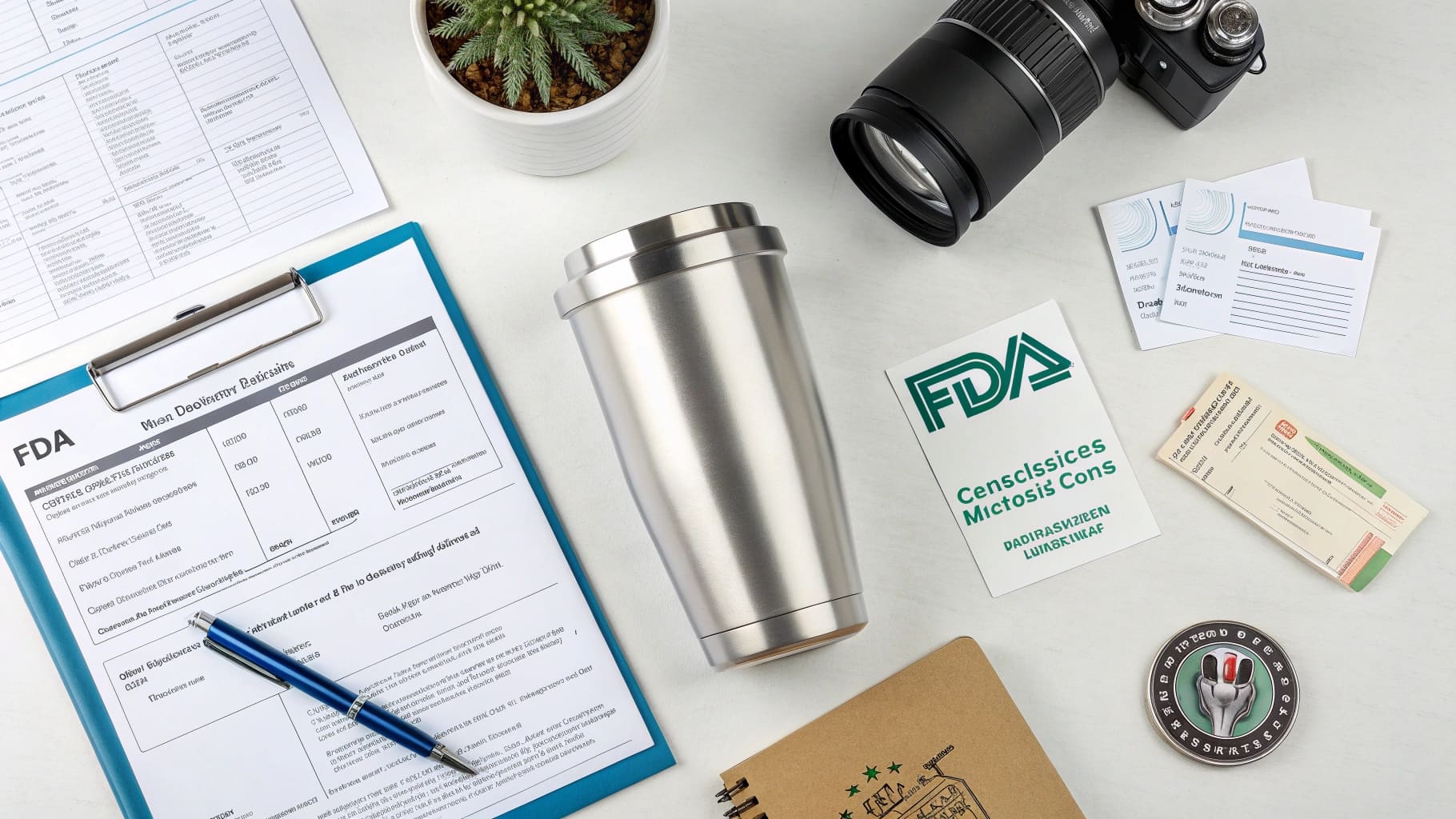
Certification portfolio indicates market access capabilities. ISO9001 covers quality management systems. BSCI addresses social compliance. FDA registration enables US market entry. LFGB certification opens European markets. Each certification requires investment and ongoing compliance. Manufacturers with comprehensive certifications demonstrate serious commitment to quality and market access.
Service Capabilities That Matter
Customization options determine your product differentiation potential. Basic suppliers offer logo printing. Advanced partners provide multiple decoration methods, custom packaging design4, and capacity modifications using existing toolings.
I worked with an American startup last year. They had limited budget but wanted unique products. We used existing molds but modified capacity from 20oz to 18oz to match their target customer preference. We developed custom packaging that told their brand story. Total investment was $3,000 instead of $15,000 for completely new tooling. Their product launched successfully and they ordered three more designs this year.
| Capability Type | Basic Supplier | Advanced Partner | Business Impact |
|---|---|---|---|
| Design Support | Catalog selection only | Custom development with 3D rendering | Unique market positioning |
| Printing Methods | 1-2 options | 5+ methods including laser engraving | Brand flexibility |
| MOQ Flexibility | Fixed at 5,000+ | Negotiable based on specs | Easier market testing |
| Quality Documentation | Basic inspection report | Complete traceability with photos | Retail compliance |
| Problem Resolution | Defensive responses | Proactive solutions | Long-term reliability |
How to start a mug business?
Three entrepreneurs contacted me this month asking how to start. They all had similar concerns. They worried about large investments. They feared choosing wrong products. They questioned their ability to compete with established brands.
Starting a mug business in 2026 requires three critical tactics: leverage existing molds to minimize tooling costs, start with versatile designs that accommodate multiple decoration methods, and partner with manufacturers offering comprehensive customization. Begin with MOQs around 1,000 pieces on stock items for market testing before committing to custom production.
Smart Entry Strategy
I always recommend the same starting approach. Do not develop custom molds immediately. Use existing designs with your customization. This strategy reduces initial investment from $30,000+ to under $10,000 while still creating unique products.
Select versatile base designs that support multiple decoration methods. A simple straight-wall tumbler can accommodate laser engraving, silk screen printing, heat transfer, and water transfer printing. This flexibility allows you to test different decoration styles without changing the base product. One client tested four decoration methods on the same mug design. Laser engraving sold best in their market. They focused their investment accordingly.
Capacity selection impacts market positioning. The 12oz-20oz range targets coffee and tea drinkers. The 20oz-30oz range serves general hydration needs. The 30oz-40oz range appeals to gym users and outdoor enthusiasts. I recommend starting with 20oz as it covers the broadest use cases.
MOQ Negotiation Tactics
Minimum order quantities frustrate new buyers. They see 3,000-piece MOQs as barriers. But MOQs exist for logical reasons. Production efficiency requires minimum runs. Custom colors need sufficient volume to justify setup costs.
Stock items offer lower entry points. Many manufacturers maintain inventory of popular styles in standard colors. These products typically have MOQs of 500-1,000 pieces. You sacrifice some uniqueness but gain faster delivery and lower investment.
Custom color MOQs usually start at 3,000 pieces per color. But you can reduce effective MOQ by selecting multi-color orders. Order 1,000 pieces in three colors instead of 3,000 in one color. You meet the manufacturer's minimum while testing color preferences in your market.
| Order Type | Typical MOQ | Customization Level | Delivery Time | Initial Investment |
|---|---|---|---|---|
| Stock Item | 500-1,000 | Logo only | 15-25 days | $3,000-$6,000 |
| Stock Color + Custom Logo | 1,000-2,000 | Logo + packaging | 25-35 days | $6,000-$12,000 |
| Custom Color | 3,000 | Full customization | 45-60 days | $15,000-$25,000 |
| New Mold Development | 3,000-5,000 | Complete uniqueness | 75-90 days | $30,000-$50,000 |
Building Supplier Relationships
Your manufacturer relationship determines long-term success more than any other factor. I see new buyers make the same mistake repeatedly. They treat suppliers as vendors instead of partners.
Communication quality predicts relationship success. Respond promptly to questions. Provide clear specifications. Share your market feedback. I prioritize clients who communicate well because they help me improve my products and services.
Start small but think long-term. Place a test order of 1,000 pieces. Evaluate quality, communication, and delivery performance. If satisfied, gradually increase order volumes. Suppliers invest more in clients who demonstrate growth potential. I offer better pricing and priority production to customers who have grown with me over multiple years.
Problem resolution approach reveals true partnership potential. Issues will occur. Materials arrive damaged. Production delays happen. Weather disrupts shipping. How your supplier responds to problems matters more than avoiding problems entirely. I once absorbed $5,000 in air freight costs to meet a client's deadline after our original shipment was delayed. That client has ordered over $500,000 in products since then.
Conclusion
The insulated mug market in 2026 rewards buyers who combine smart specifications with strategic supplier relationships. Focus on versatile designs, understand MOQ dynamics, and treat manufacturers as partners. Your success depends on these fundamentals.
-
Understand how powder-coated finishes enhance durability and aesthetics in mugs. ↩
-
Find out how full customization can differentiate your insulated mugs in the market. ↩
-
Learn about the sustainability benefits of bamboo lids in mug design. ↩
-
Discover how unique packaging can enhance brand storytelling and attract customers. ↩
