
Your customers want eco-friendly products, but they worry about safety. This can kill a sale. The solution is a tumbler that is both sustainable and verifiably safe.
Stainless steel tumblers are sustainable because they are durable and reusable, reducing single-use plastic waste. Their safety, especially when made from high-quality 304 stainless steel, makes them a trustworthy choice for health-conscious consumers, reinforcing their eco-friendly appeal.
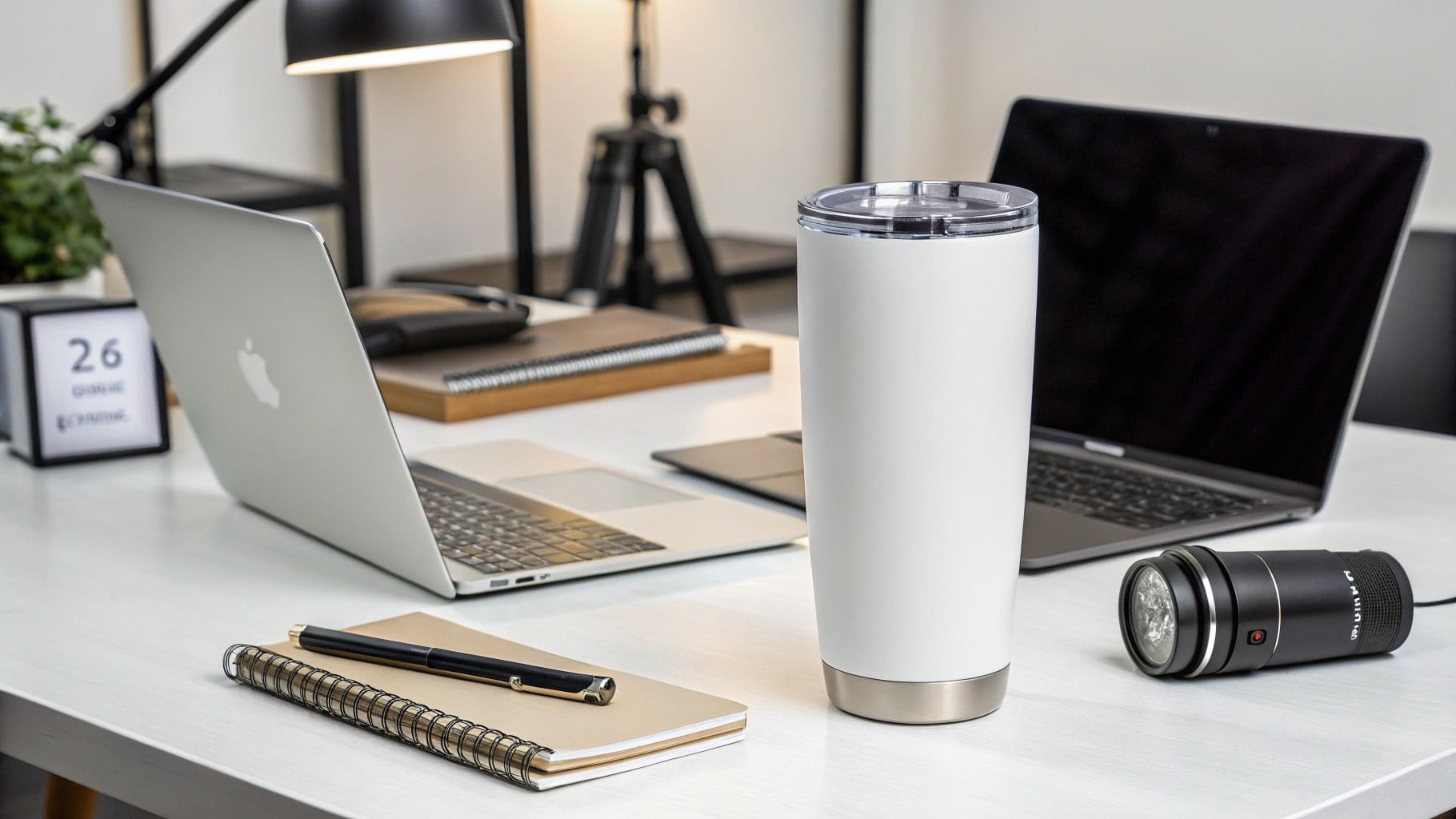
You can tell your customers these tumblers are a great sustainable choice. But to build real trust, you need to answer their direct safety questions before they even ask. This is how you prove you are a quality supplier. Let's look at the questions your customers are asking.
Do Stainless Steel Tumblers Contain Lead?
A news story mentions lead in drinkware, and your customers get nervous. You need a clear, confident answer to protect your sales and brand reputation.
High-quality 304 or 316 food-grade stainless steel itself does not contain lead. The concern can come from external paint or, in rare cases, solder used to seal the vacuum insulation. Reputable manufacturers use lead-free materials for all components.
The Steel Body is Safe
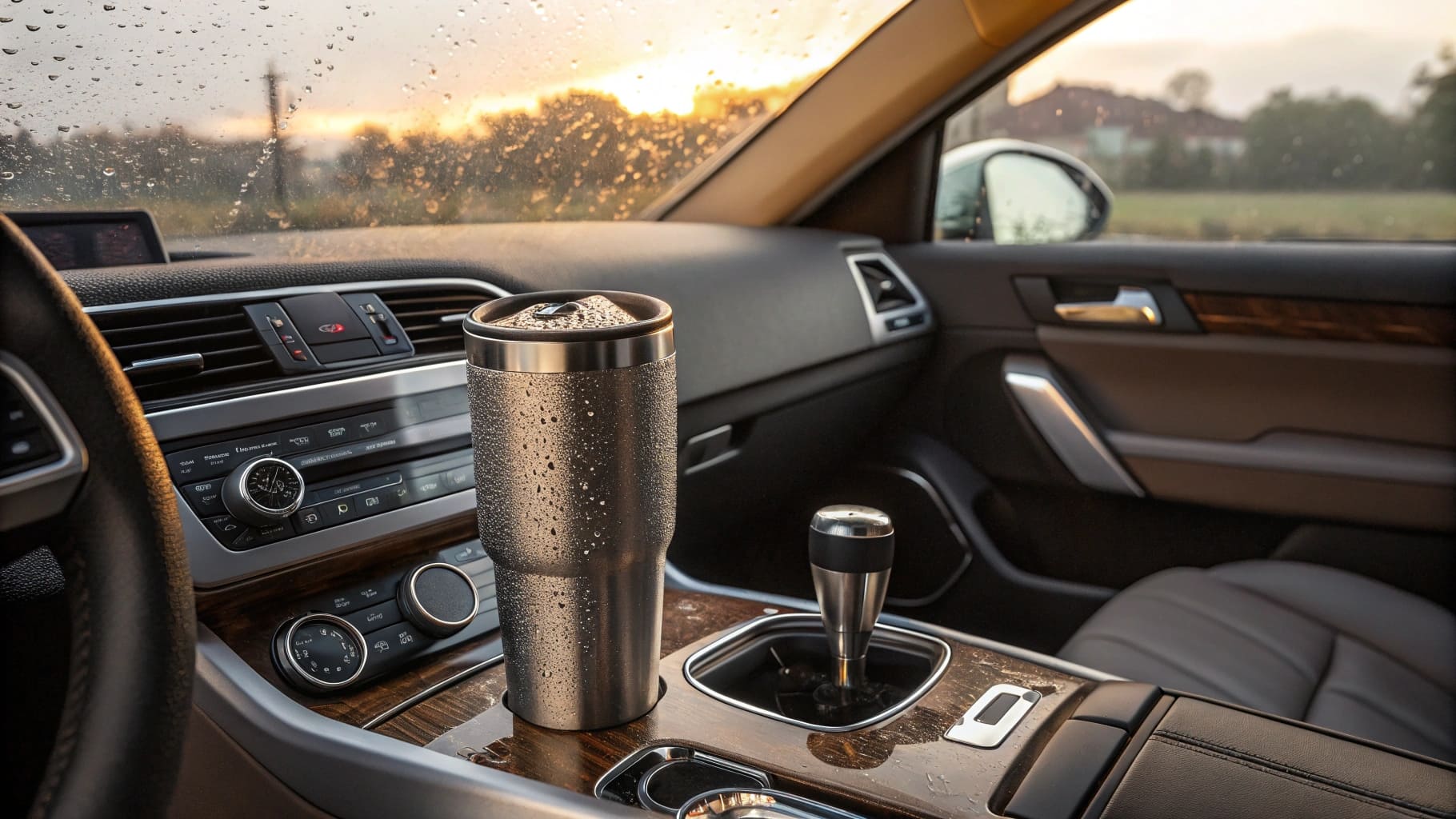
The main body of a quality tumbler is made from food-grade stainless steel, like type 304. This material is chosen specifically for its safety and stability. It does not have lead in its alloy composition. It is the same material used in commercial kitchens and medical equipment for a reason. There is no risk of lead from the steel itself.
Where Can Lead Hide?
The risk, though small with good suppliers, is in the details. Some low-quality manufacturers might use lead-based paints for exterior colors or logos. A bigger, historical concern was the sealing dot at the bottom of a vacuum-insulated tumbler. Old methods sometimes used a lead-based solder to close the vacuum gap. At my company, Icobottle, we use modern, lead-free sealing methods to ensure every part of the tumbler is safe. Always ask a potential supplier about their sealing process and paint materials. It's a simple question that separates the good suppliers from the risky ones.
What are the Safest Tumblers to Drink From?
Customers face a wall of options: plastic, glass, stainless steel. They are confused and worried about making the wrong choice. You can guide them clearly and become their trusted source.
The safest tumblers are made from 18/8 food-grade stainless steel, also known as type 304. This material is non-toxic, does not leach chemicals, and is extremely durable, preventing cracks where bacteria can hide. It is safer than plastic and more durable than glass.
Why Stainless Steel Wins
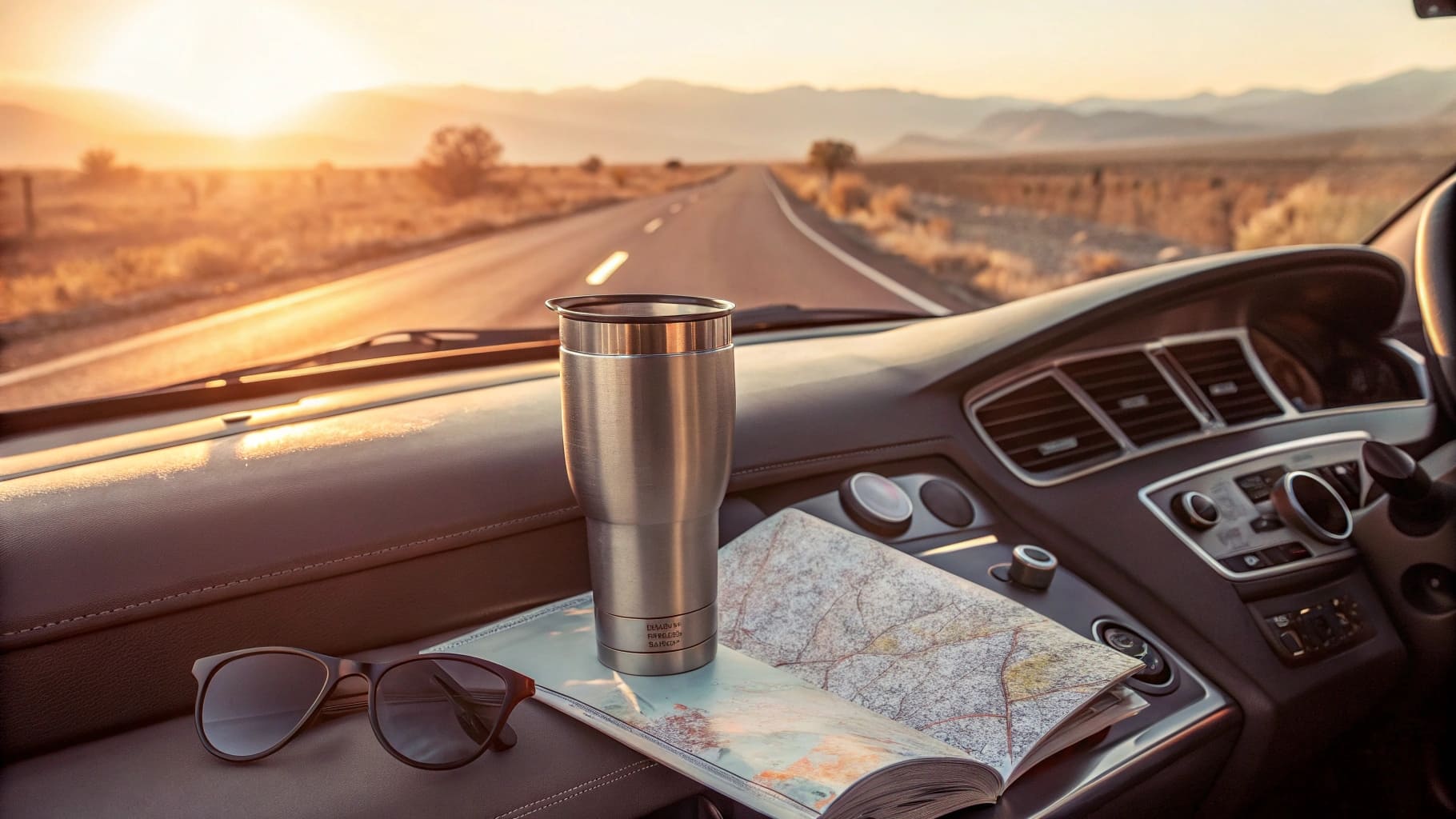
When it comes to safety and daily use, stainless steel is the clear winner. Unlike some plastics, it contains no harmful chemicals like BPA that can leach into your drinks, especially with hot liquids or acidic ones like coffee. And while glass is very safe from a chemical standpoint, it's fragile. I've had clients who switched to steel after their own customers complained about broken glass tumblers. Steel offers the best of both worlds: it's as inert as glass but as tough as you need it to be for everyday life.
Material Safety Comparison
Let's break it down simply. As a B2B buyer, this table helps you explain the value to your customers.
| Material | Safety Concerns | Durability |
|---|---|---|
| Stainless Steel (304) | None. Inert, no leaching. | Excellent |
| Glass | Inert, but can break easily. | Poor |
| Plastic (Low Quality) | Can leach BPA, phthalates. | Good |
| Plastic (BPA-Free) | Better, but can still stain or retain odors. | Good |
Are All Stainless Steel Tumblers BPA Free?
You see "BPA-Free" advertised everywhere. Your customers expect it, but they are suspicious. If you cannot confirm it for your products, you risk losing their trust and their business.
The stainless steel body itself is always 100% BPA-free, as BPA is a chemical used in plastics, not metal. However, the lid and any other plastic accessories must be verified as BPA-free. Always check the specifications for the entire product.
The Tumbler Body: Always BPA-Free
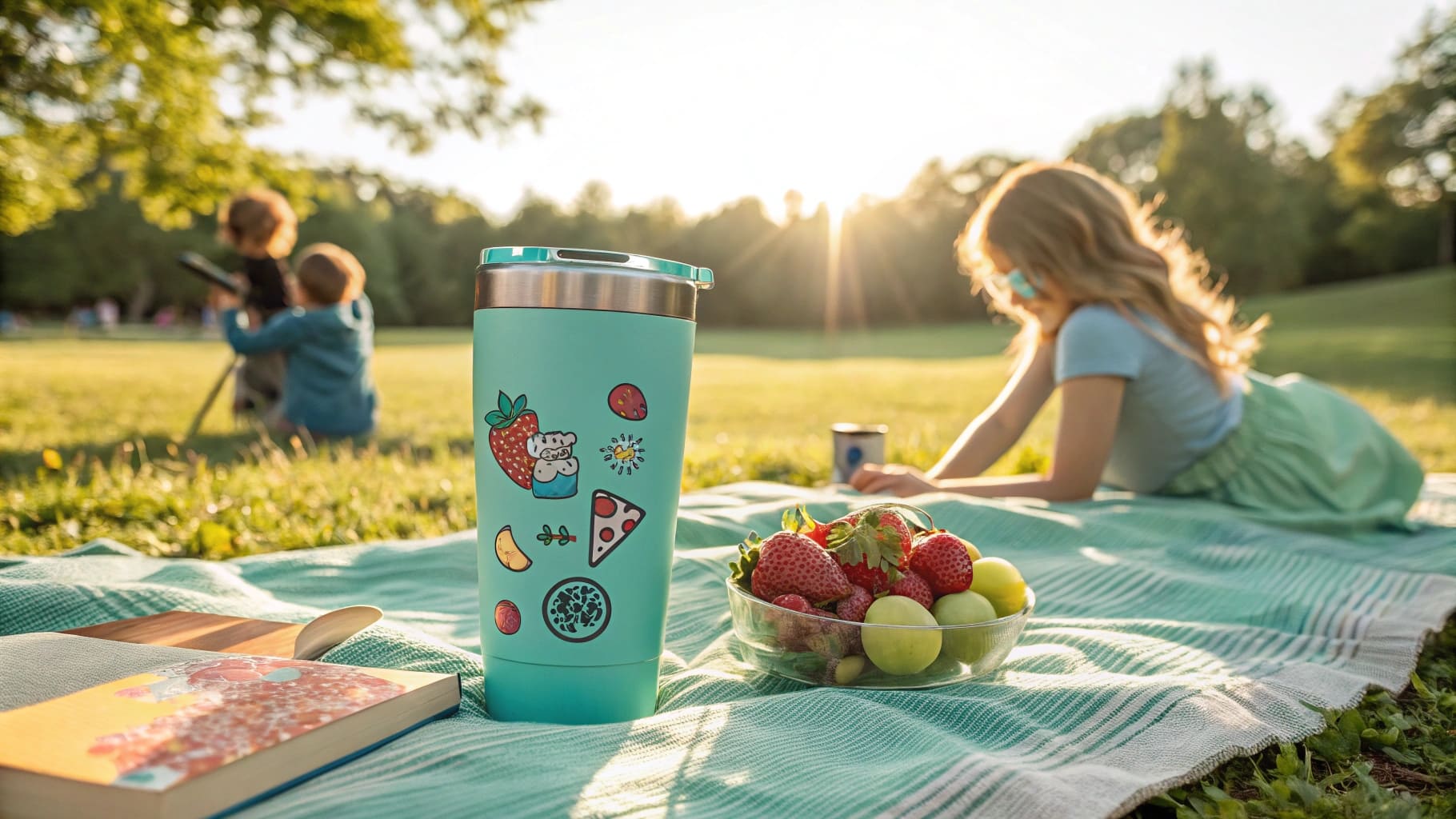
This is a simple point, but it's one you can communicate with absolute confidence. Bisphenol-A (BPA) is an industrial chemical used to make certain plastics and resins. It has never been, and will never be, a component of stainless steel. So, when we talk about the steel part of a tumbler, it is inherently free from BPA. There is zero concern here.
The Lid is Key
The real question is about the lid. Lids are usually made from plastic to create a tight seal and provide a comfortable drinking spout. A low-cost supplier might use cheap plastic that contains BPA to cut corners. This is why, as a buyer, you must be diligent. At Icobottle, we only use high-quality, certified BPA-free plastics like Tritan or food-grade PP for our lids. When you talk to a supplier, ask this specific question: "Can you provide a test report showing the lid is BPA-free?" Their answer, or their hesitation, will tell you everything you need to know about their quality standards.
Are Stainless Steel Tumblers Safe to Drink Out Of?
Your customer is ready to place an order but has one last doubt. "Is this really safe for my family to use every single day?" You need a final, reassuring answer.
Yes, tumblers made from 18/8 or 304 food-grade stainless steel are completely safe for daily use. This material is non-reactive. It will not leach chemicals into your drinks or hold onto flavors from yesterday's coffee. It is a trusted, hygienic, and durable choice.
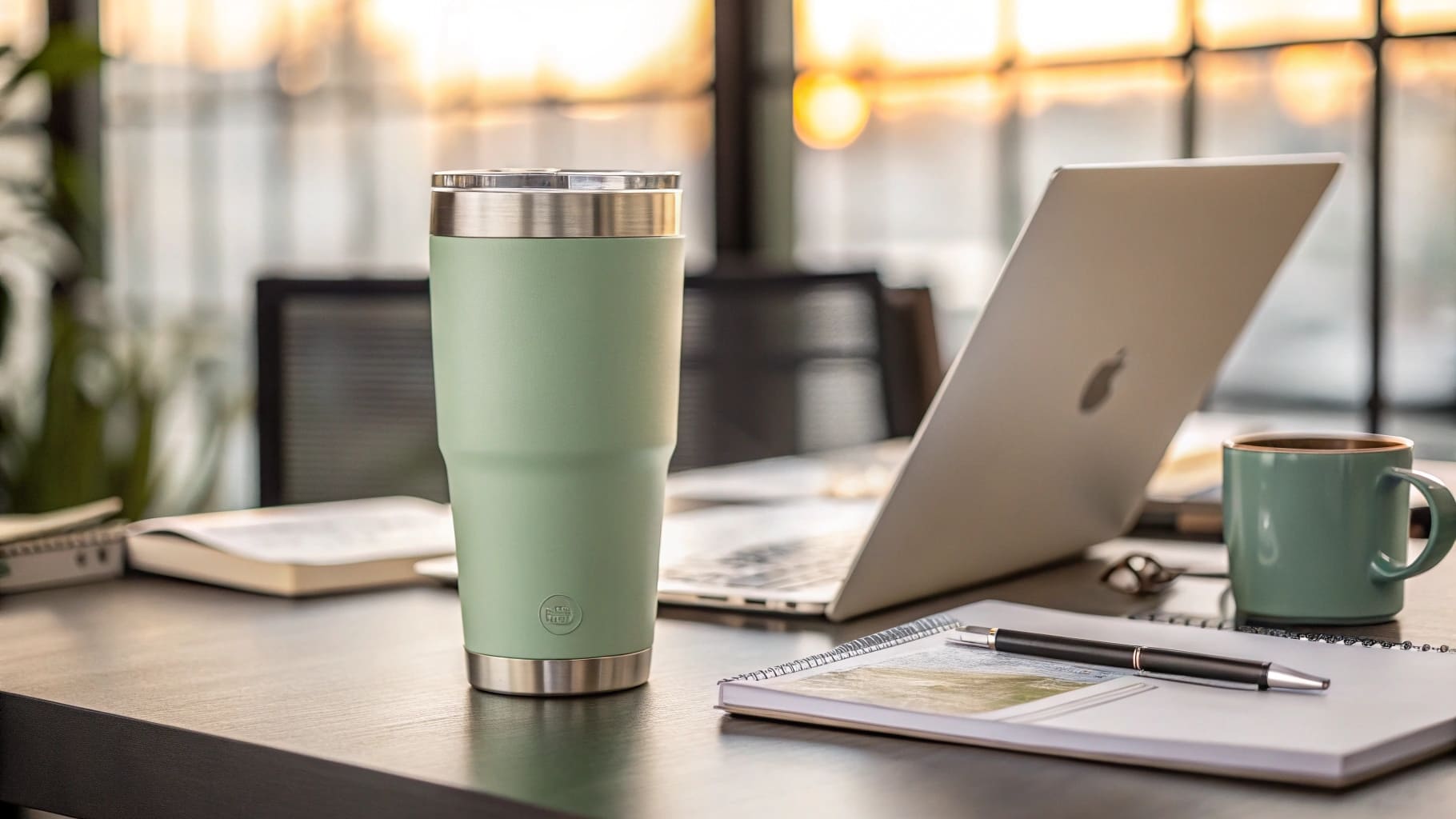
No Chemical Leaching
The biggest advantage of food-grade stainless steel is its stability. It does not react with the acids in coffee, tea, or juice. It also doesn't react differently with hot or cold liquids. This means you get a pure taste every time, with no weird metallic flavor or, more importantly, no harmful chemicals leaching into your drink. I had a client, Mark from Canada, whose main concern was this exact point. He needed to assure his health-conscious customers. Providing him with our material test reports gave him the confidence to place a large order with us.
Durability and Hygiene
Safety isn't just about chemicals. It is also about hygiene. Stainless steel is non-porous. This means bacteria, germs, and old flavors have nowhere to hide. It is very easy to clean and sanitize completely. Furthermore, its durability means it won't chip or crack. Those small damages can create hiding spots for bacteria in other materials like plastic or ceramic. A stainless steel tumbler is a clean, robust, and long-lasting solution.
How Do I Know If My Tumbler is BPA-Free?
You want to guarantee safety, but some suppliers are not transparent. You are worried about making a costly mistake with a bad batch. You need a simple checklist to verify claims.
To confirm a tumbler is BPA-free, ask the supplier for material safety data sheets or third-party test reports for all plastic components, especially the lid. Reputable manufacturers will provide this documentation readily. Also, look for "BPA-Free" markings on the product or packaging.
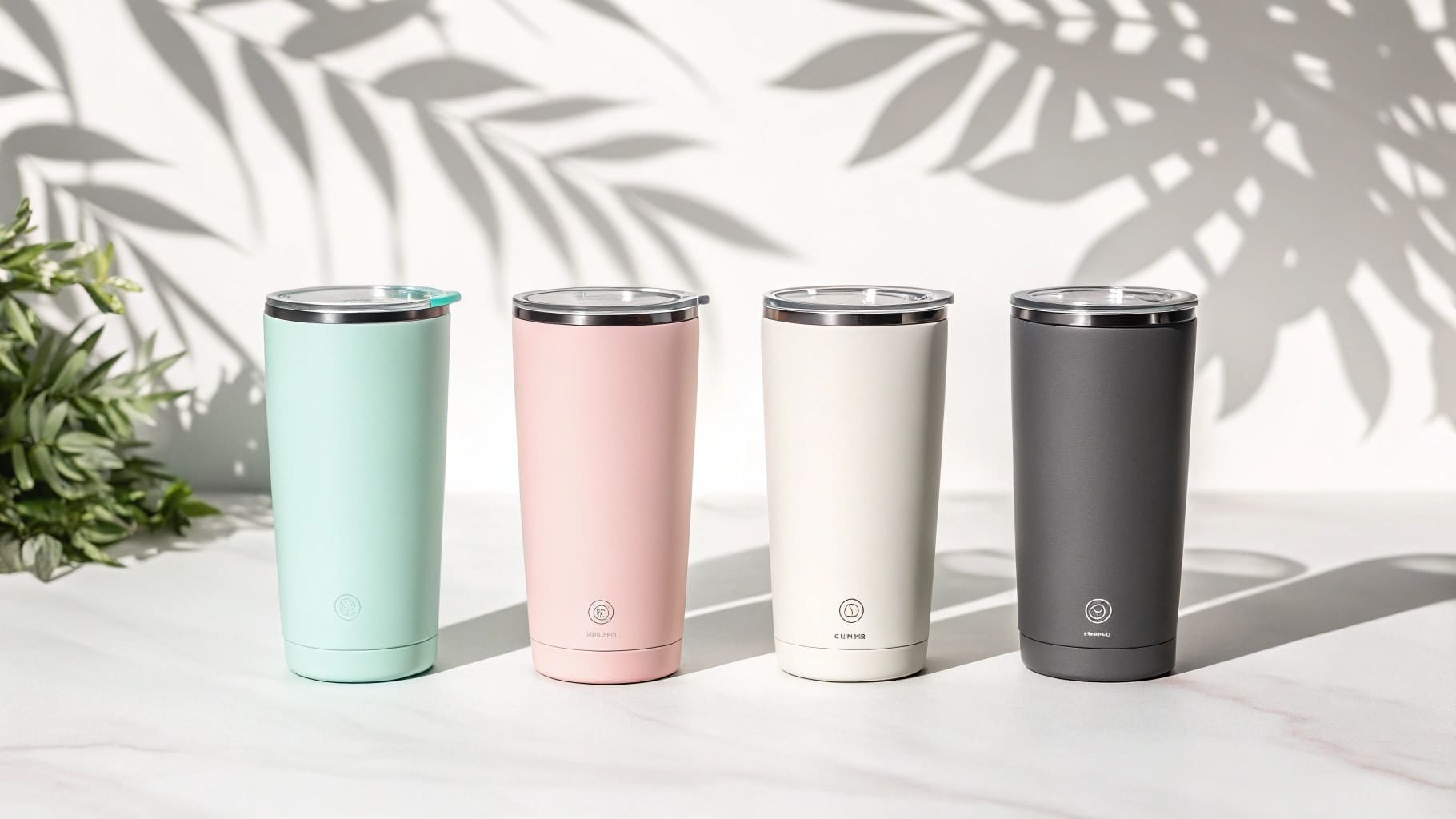
Step 1: Ask for Documentation
This is the most important step for any B2B buyer like you. Do not just take a salesperson's word for it. A professional supplier will have the documents ready to prove their claims. You should ask for:
- Material Test Reports: These documents, often from globally recognized labs like SGS or TUV, confirm the exact composition of the steel and the plastic parts.
- Food-Grade Certifications: Look for LFGB reports for the European market or FDA compliance reports for the American market. These show the product is tested and certified safe for food contact.
If a potential supplier hesitates or cannot provide these simple documents, it is a major red flag.
Step 2: Check the Product Itself
When you receive a sample, inspect it closely. Look at the bottom of the lid. High-quality, safe plastics often have recycling symbols like a #5 (for PP plastic) or #7 (often used for Tritan, a well-known safe plastic). While the steel body will not have a BPA marking (since it contains no plastic), the packaging, instruction manual, and lid often will. Working with a trusted partner like me at Icobottle removes this guesswork, as we provide full transparency and all necessary documentation from the very start.
Conclusion
Stainless steel tumblers are a great sustainable product. Their safety, proven by quality materials and clear certification, is what truly convinces customers and builds lasting brand trust.