
Thirsty but worried about plastic waste? Single-use bottles pile up, harming our planet. Purist stainless steel bottles offer a sustainable way to hydrate and make a difference.
Purist stainless steel bottles are eco-friendly because they are reusable, very durable, and highly recyclable. They greatly reduce single-use plastic waste. This makes them a smart choice for our environment.
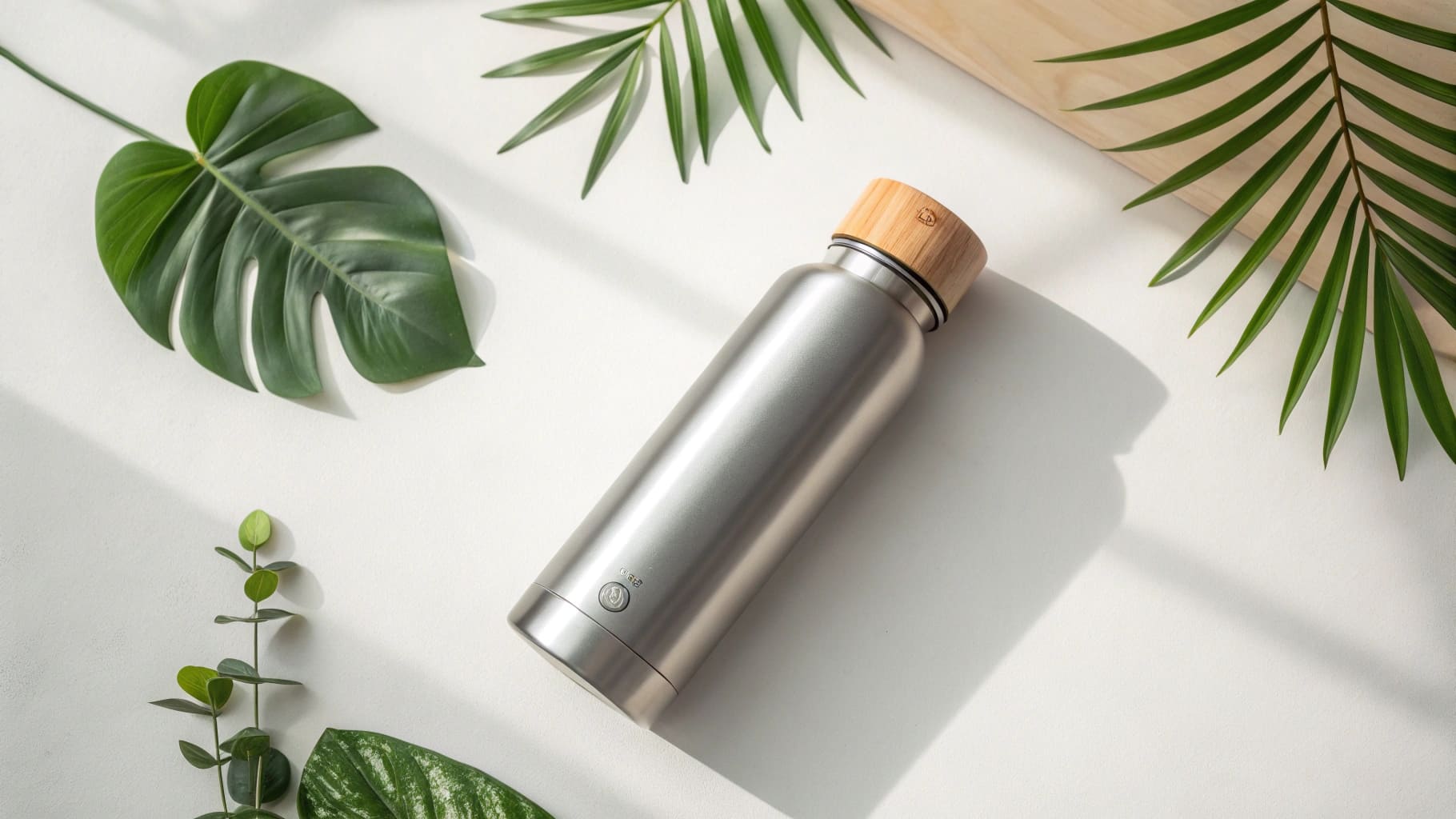
Many people ask me about eco-friendly choices. It is a big topic. It is easy to get confused. Let's break down why these bottles are a great pick. We need to look closer at what makes something truly good for our planet.
Are stainless steel bottles generally eco-friendly then?
Want a green hydration solution? But unsure if all metal bottles are truly better for the Earth? Stainless steel bottles are a leading eco-conscious choice for many good reasons.
Yes, stainless steel bottles are very eco-friendly. They can last for many years. This reduces a lot of plastic waste. Plus, steel is highly recyclable. This supports a circular economy and means less burden on our landfills.
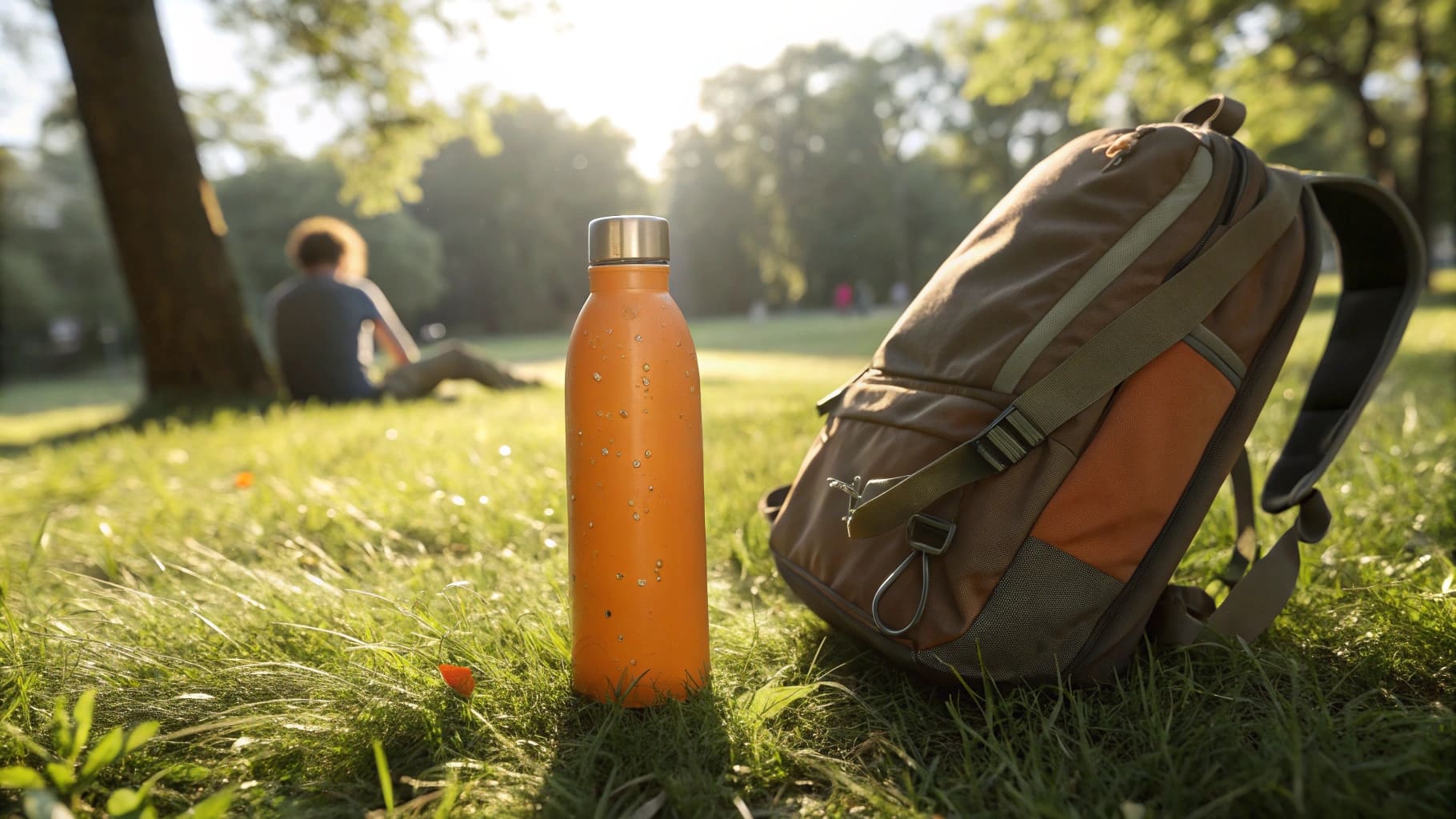
When we talk about "eco-friendly," we are looking at a few key things. For stainless steel bottles, their biggest win is how they fight against single-use plastic. I remember a client I work with, Mark Shenng from Canada. He was so frustrated with the mountains of plastic bottles his company events generated. He is a company owner. He switched to branded stainless steel ones for his team. It made a huge difference in their waste output. He also liked that the bottles reflected a quality image.
Key Eco-Friendly Aspects of Stainless Steel Bottles
Stainless steel bottles shine in several environmental areas. These are important for buyers like Mark who care about quality and impact.
-
Durability and Longevity:
- These bottles are tough. You can drop them. You can use them daily for years.
- This long life means you buy fewer bottles over time. Fewer bottles mean less manufacturing is needed. It also means less shipping and less waste overall.
-
Reduction of Single-Use Plastics:
- This is a very big one. Each reusable steel bottle can replace hundreds, or even thousands, of plastic bottles over its lifetime.
- Think about all the plastic that does not end up in landfills or oceans because someone chose steel. This directly addresses a major pollution problem.
-
Recyclability:
- Stainless steel is one of the most recycled materials on Earth. It can be recycled again and again without losing its quality.
- Even after many years of use, if your bottle somehow gets damaged beyond repair, the material can be melted down. It can then be used to make new products. This "closed-loop" potential is fantastic for sustainability.
-
Non-Leaching and Safe:
- Unlike some plastics, food-grade stainless steel does not leach harmful chemicals like BPA into your water. We often use 304 or 18/8 stainless steel, which is chosen for its safety.
- This is good for your health. It is also good for the environment when the bottle eventually reaches its end of life. No nasty chemicals will seep into the soil or water.
I often explain to procurement officers that choosing stainless steel is not just about a good product. It is about making a statement for sustainability. They appreciate that it aligns with corporate responsibility goals.
So, what exactly makes any bottle eco-friendly?
Confused by all the "eco-friendly" labels you see? Many products claim to be green, but are they really? Understanding key factors helps identify truly sustainable bottles.
A bottle is eco-friendly if it minimizes environmental harm throughout its life. This means it is made from sustainable materials1. It should be durable, reusable, and recyclable. Low impact manufacturing also counts.
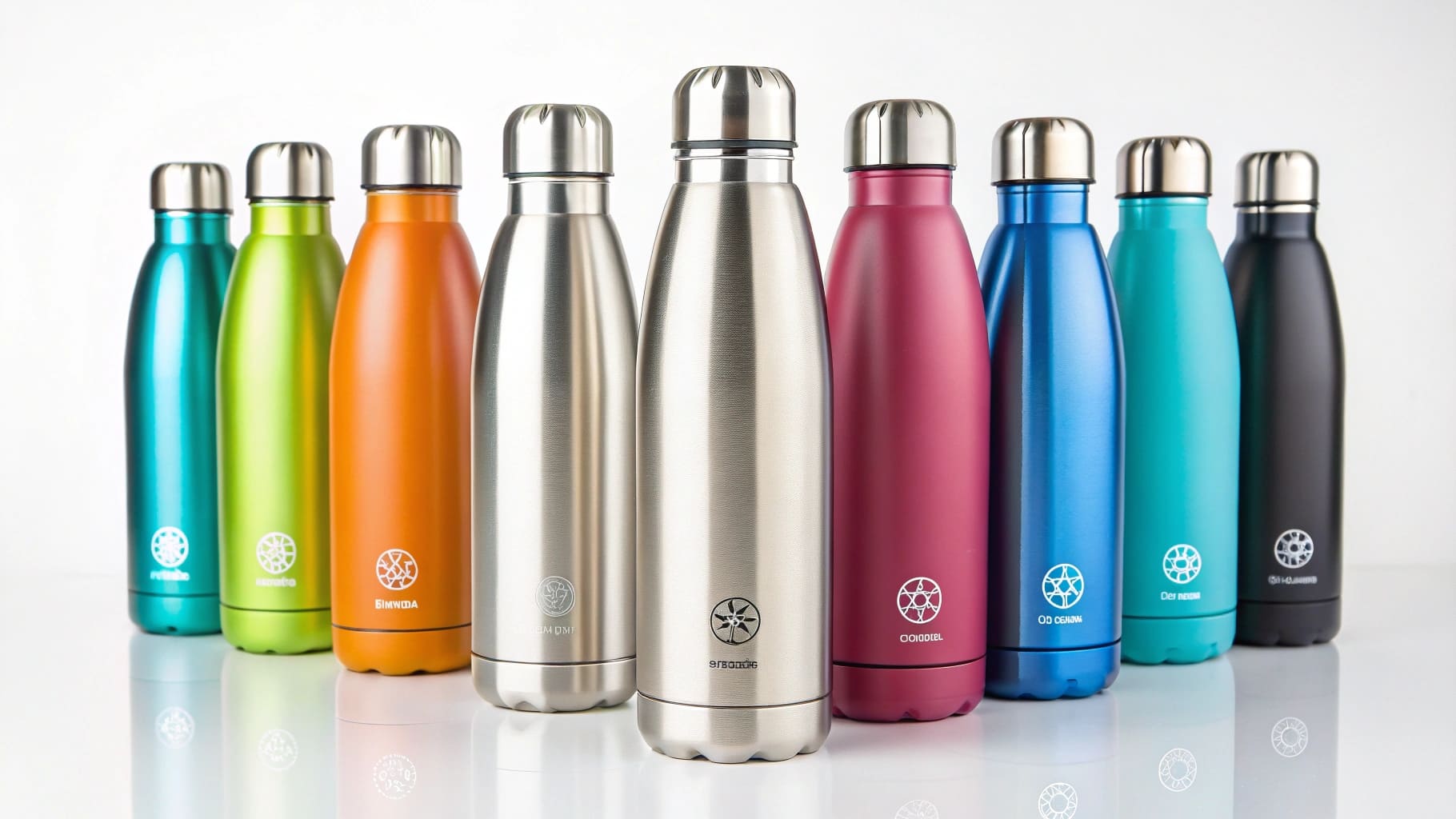
Defining "eco-friendly" for a product like a water bottle means looking at its entire lifecycle. It is not just one thing, but a mix of factors. When I talk to startup bosses who are building their brand, they often want to make sure their product choices align with green values. This is becoming more important for consumers.
Core Elements of an Eco-Friendly Bottle
Here is a breakdown of what to look for when deciding if a bottle is truly eco-friendly:
-
Material Source and Type:
- Is the material renewable or made from recycled content? Is it an abundant resource?
- Stainless steel, for example, often contains a high percentage of recycled steel. This reduces the need for mining new raw materials.
- The material should avoid harmful chemicals in its composition, like BPA which was common in some plastics.
-
Durability and Reusability:
- This is a key factor. Can the bottle be used hundreds or even thousands of times without breaking?
- High durability directly reduces the need for disposable alternatives. A bottle that breaks easily is not very eco-friendly, even if it is made from "good" materials. This just leads to more waste.
-
End-of-Life Options:
- What happens to the bottle when it is no longer usable?
- Is it easily recyclable? Can it be made into new products?
- Stainless steel scores very high here. Its excellent recyclability2 means the material can be used again and again.
-
Manufacturing Process (More Complex to Assess):
- How much energy and water were used to make the bottle?
- What is the carbon footprint of its production and transport from places like China to America or Europe?
- This is harder for a buyer to know in detail. However, reputable manufacturers, like us at Icobottle, are always working on reducing this impact through more efficient processes.
Here is a simple table. It compares common bottle materials on these points:
| Feature | Single-Use Plastic | Reusable Plastic (BPA-free) | Glass | Stainless Steel |
|---|---|---|---|---|
| Durability | Very Low | Medium | Medium (Fragile) | High |
| Reusability | No | Yes | Yes | Yes |
| Recyclability | Low / Varies | Varies | High | Very High |
| Chemical Leaching | Potential (BPA/etc) | Lower Potential | Very Low | Very Low |
| Overall Eco-Impact | Poor | Fair | Good | Excellent |
Understanding these points helps businesses make informed choices. It is about looking beyond just the item itself to its wider impact on the planet.
Compared to other materials, why is stainless steel often the best for water bottles?
There are so many bottle choices available on the market. Plastic, glass, aluminum – which one is truly superior for daily use and the environment? Stainless steel consistently outperforms others for eco-friendly hydration.
Stainless steel is often the best choice. This is due to its unmatched durability, high recyclability, and non-toxic nature. It also does not impart flavors to drinks. And it keeps drinks hot or cold effectively for hours.
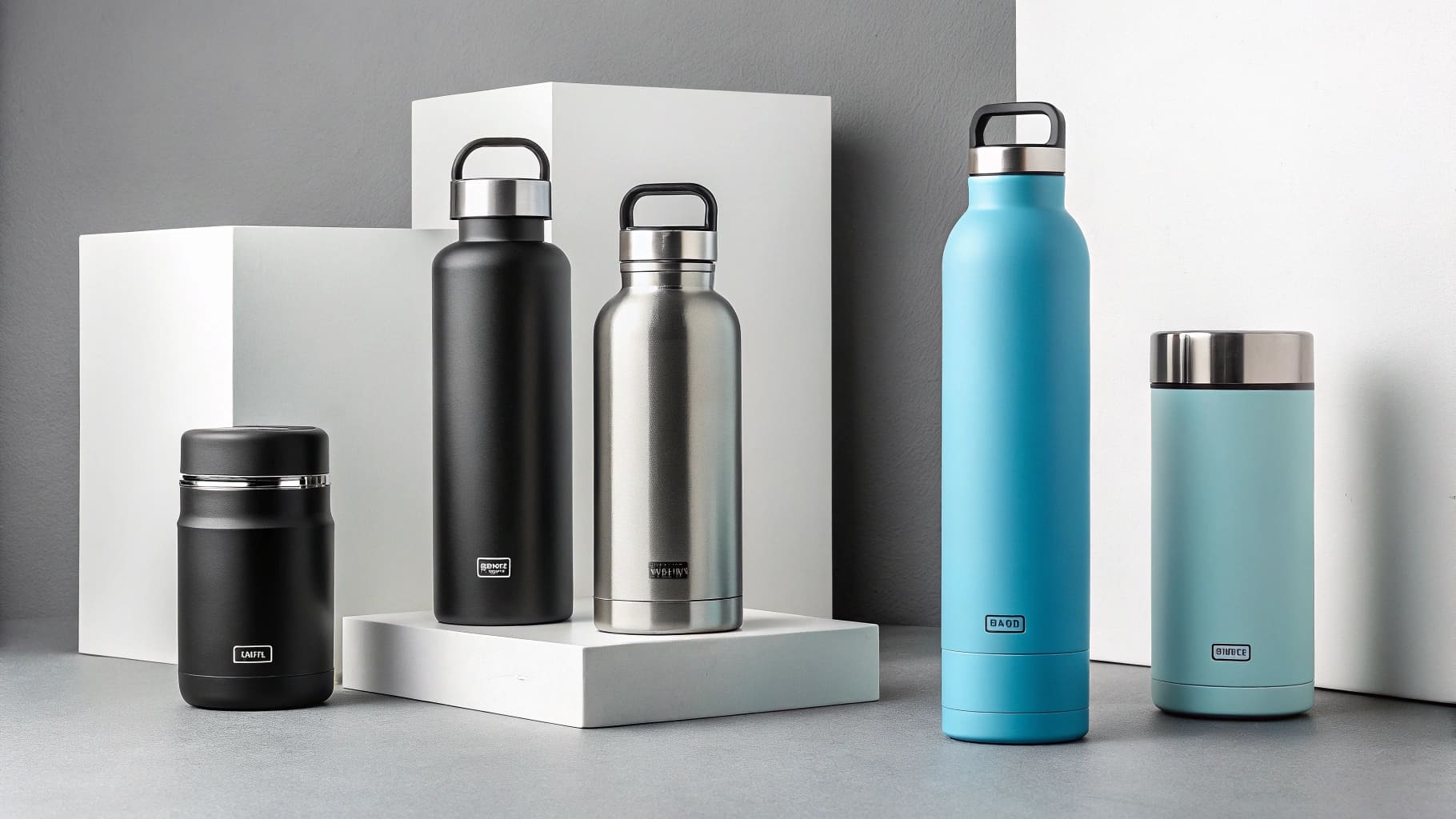
When you are a procurement officer like Mark, you look for quality and value. Or, if you are a startup founder trying to make smart, sustainable choices for your brand, you need to compare your options carefully. Stainless steel really stands out for water bottles when you line it up against other common materials. Let us look at why it is a preferred material for my clients in America and Europe.
Stainless Steel vs. Other Bottle Materials
-
vs. Plastic (Single-Use and Reusable):
- Durability: Steel wins easily. It will not crack or degrade like plastic does over time with use and UV exposure.
- Health & Purity: Food-grade stainless steel (like 304, also known as 18/8) is inert. This means it does not react with drinks or leach chemicals. Water tastes like water. Some plastics, even if they are BPA-free, can have other chemical compounds that cause concern or leave a "plastic" taste.
- Environmental Impact: Steel drastically reduces plastic waste. Even reusable plastic bottles generally have a shorter lifespan than steel ones. They are often harder to recycle effectively too. Plus, the issue of microplastic shedding from plastic bottles is a growing environmental and health concern.
- Temperature Retention: Basic plastic bottles offer no insulation.
-
vs. Glass:
- Durability: This is the main difference. Glass is very fragile. If you drop a glass bottle, it is likely to shatter. Stainless steel can take many bumps and drops. This is very important for a portable item you carry every day.
- Weight: Glass is heavier than stainless steel for the same volume. This makes steel bottles more convenient to carry around.
- Insulation: Standard glass bottles do not insulate drinks. Double-walled stainless steel bottles, which are a key product for Icobottle, can keep drinks hot for up to 12 hours or cold for up to 24 hours.
-
vs. Aluminum:
- Lining Requirement: Many aluminum bottles need a plastic or epoxy lining. This is because aluminum can react with acidic drinks (like fruit juice or soda) and leach into the contents. If this lining gets scratched or damaged, the aluminum can be exposed. High-quality stainless steel does not need any lining.
- Durability & Denting: Stainless steel is generally stronger and more resistant to dents than aluminum.
- Purity in Recycling: Both materials are highly recyclable. However, the purity of stainless steel without a liner is a benefit in the recycling process.
Here’s a quick comparison for key purchasing factors that people like Mark consider:
| Factor | Stainless Steel | Plastic (Reusable) | Glass | Aluminum (Typically Lined) |
|---|---|---|---|---|
| Durability | Excellent | Fair | Poor (Fragile) | Good |
| Non-Toxic | Excellent (No Lining) | Good (if BPA-free, etc.) | Excellent (No Lining) | Fair (Liner concern) |
| No Flavor Leach | Excellent | Fair-Good | Excellent | Good (if liner intact) |
| Insulation | Excellent (Double-Walled) | Poor | Poor | Good (Double-Walled) |
| Weight | Medium | Light | Heavy | Light-Medium |
| Overall Eco-Rank | Top Choice | Okay Choice | Good Choice (Fragile) | Good Choice |
For B2B buyers, especially those focused on top quality, product safety, and longevity, these advantages make stainless steel the clear winner. It is an investment. This investment pays off in user satisfaction, brand reputation, and a genuinely positive environmental contribution.
Conclusion
In short, Purist stainless steel bottles are a top eco-friendly choice. They offer durability, reusability, and recyclability. This makes them a smart, sustainable hydration solution for everyone.