
Wholesale Product Pages for Insulated Bottles: Specs, Claims, and AQL 2026?
I see the same problem with every new wholesale buyer who contacts me. They find a product listing. They get excited about the price. Then they realize the specs are incomplete and the quality standards are unclear. Three months later, their shipment arrives with defects they never anticipated.
I run a B2B stainless steel drinkware factory in China. We export premium insulated bottles to America and Europe. Proper product specifications include HS codes for customs, material certifications like FDA approval, vacuum insulation performance data, AQL inspection standards1, and complete technical drawings. Your wholesale order success depends on these details from day one.
The buyers who succeed in 2026 are the ones who ask the right questions before placing orders. I will walk you through the three most critical specifications every wholesale buyer needs to understand. These are the same questions Mark from Canada asked me when we first started working together five years ago.
What is the HS code for insulated bottle?
You need the HS code before you even request a quotation. I learned this the hard way when a European client's first shipment sat in customs for two weeks. The broker used the wrong classification code. The delay cost them their peak season sales window.
The correct HS code classification for vacuum insulated stainless steel bottles depends on the product structure and primary function. Most vacuum bottles fall under HS code 9617001900, while vacuum cups with wider openings use 9617009900. The difference affects your import duties directly.
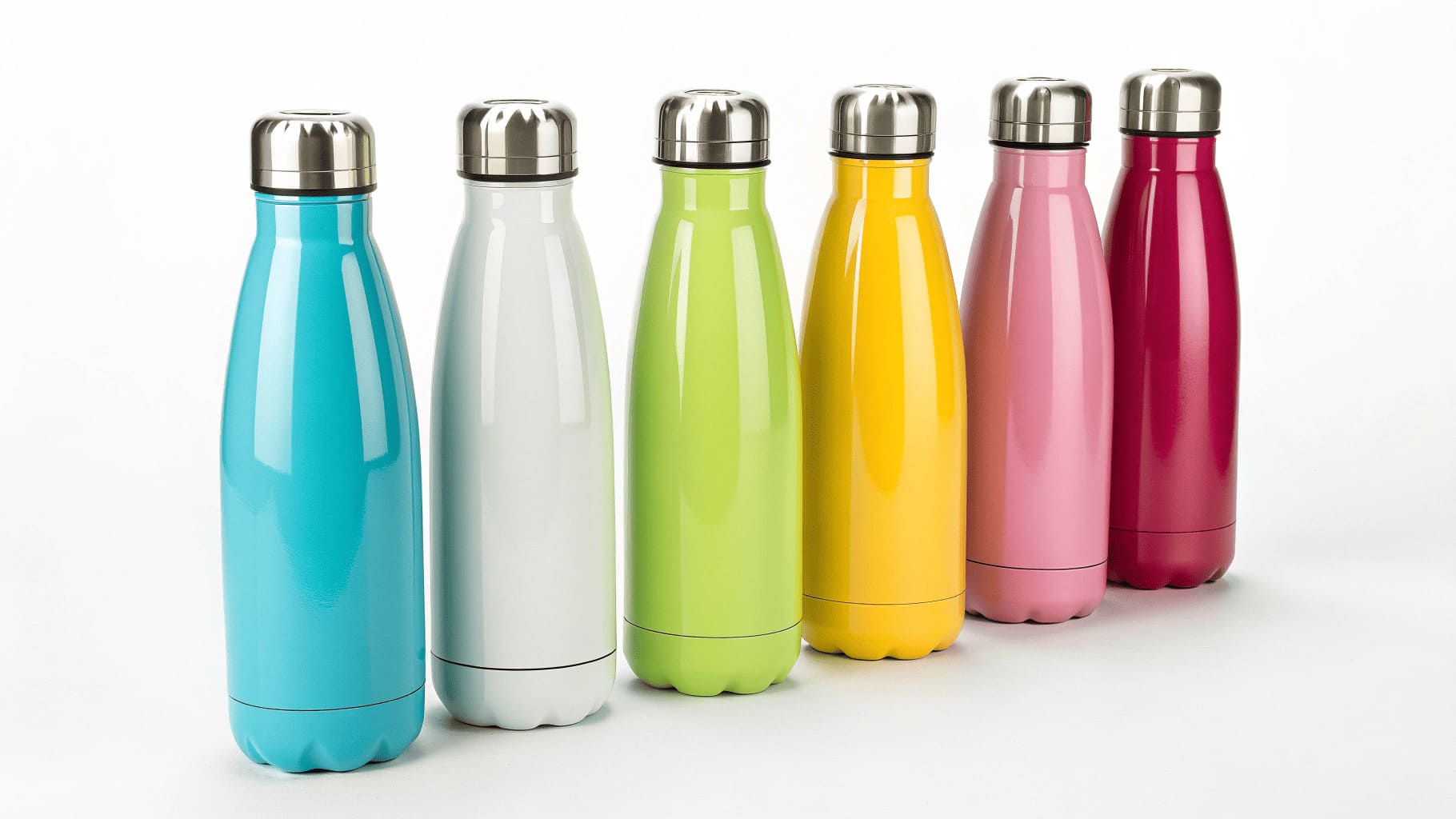
Let me break down the classification system I use for our product lines. The Harmonized System looks at material composition first. Our bottles use food-grade 304 stainless steel. Then it examines the vacuum structure between double walls. Finally, it considers the product's primary use category.
| Product Type | HS Code | Key Features | Common Duty Range |
|---|---|---|---|
| Vacuum Bottles | 9617001900 | Tall body, small opening, no handle | 5-8% |
| Vacuum Cups | 9617009900 | Wide mouth, narrow base, may have handle | 5-8% |
| Insulated Food Jars | 9617009900 | Designed for meals, wide opening | 5-8% |
| Thermal Flasks | 9617009900 | Large capacity, spout, handle | 5-8% |
I always include the exact HS code in my quotations. This prevents confusion during customs clearance2. Some suppliers use general category codes like 7323.93 for all stainless steel tableware. That approach creates problems at the border. Customs officers see the discrepancy. They open the container for physical inspection. Your delivery schedule falls apart.
The HS code affects more than just duties. It determines which regulatory standards apply. FDA approval requirements differ between beverage containers and food storage. Some countries restrict certain HS codes entirely. I had a Middle Eastern buyer discover their market banned direct imports under 9617001900. We had to restructure the entire order through a local distributor.
Working with experienced manufacturers means you get accurate HS guidance upfront. I keep updated tariff schedules for our main export markets. When trade agreements change, I notify my regular buyers immediately. The US-China trade situation shifted duty rates three times between 2022 and 2024. Buyers who tracked these changes saved thousands on each container.
What are the best insulated water bottles?
Every buyer asks me this question. I always answer with another question: best for what purpose? The wholesale market has different quality tiers. Your target customer determines which tier makes sense for your brand positioning and profit margins.
Premium insulated bottles in our factory start with certified 18/8 food-grade stainless steel. The inner wall uses 304 stainless steel. The outer wall can use 201 or 304 depending on your budget. This material combination keeps beverages cold for 24 hours and hot for 12 hours minimum.
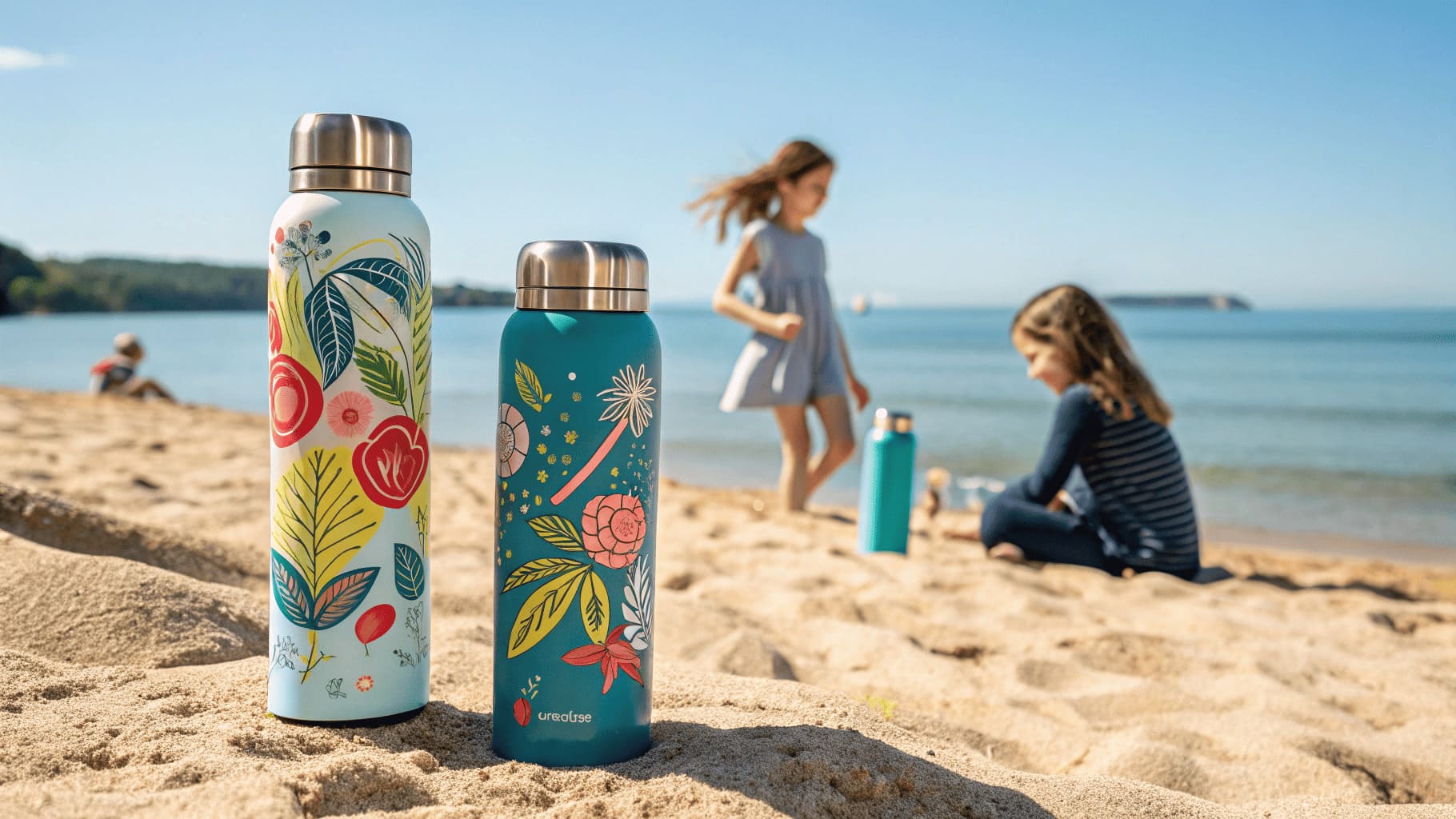
The manufacturing quality separates good bottles from excellent ones. I will explain the key specifications you need to verify with any supplier. These details determine whether your customers become repeat buyers or leave negative reviews about leaking lids and poor insulation.
Material quality comes first. Our factory only sources steel coils from certified mills. We test every batch for thickness and composition. The salt spray test runs for 24 hours with 5% saline concentration. This ensures corrosion resistance over years of daily use. Cheap suppliers skip this step. Their bottles develop rust spots within six months.
Vacuum insulation technology defines the performance. The space between double walls must achieve and maintain proper vacuum pressure3. Our equipment creates vacuum levels below 0.1 Pa. Lower quality factories use 1-5 Pa ranges. The difference shows up in real-world testing. My bottles keep ice water cold for a full day in summer heat. Their bottles lose cooling effect after 8 hours.
Surface finishing affects both appearance and durability. We offer powder coating, spray painting, electroplating, and brushed steel finishes. Each process requires different equipment and skill levels. Powder coating provides the best chip resistance. Spray painting allows gradient colors and custom Pantone matching. Electroplating creates premium metallic looks. Brushed steel appeals to minimalist design preferences.
| Specification Category | Premium Standard | Mid-Range Standard | Entry Level |
|---|---|---|---|
| Inner Wall Material | 304 Stainless Steel | 304 Stainless Steel | 201 Stainless Steel |
| Outer Wall Material | 304 Stainless Steel | 201 Stainless Steel | 201 Stainless Steel |
| Vacuum Pressure | <0.1 Pa | 0.1-1 Pa | 1-5 Pa |
| Cold Retention | 24+ hours | 18-24 hours | 12-18 hours |
| Hot Retention | 12+ hours | 8-12 hours | 6-8 hours |
| Surface Durability | 2+ years | 1-2 years | 6-12 months |
Lid design matters more than most buyers realize. We produce bottles with straw lids, flip lids, screw caps, and handle lids. Each style requires different sealing technology. Straw lids need silicone gaskets in three positions. Flip lids use spring mechanisms that must survive 10,000+ open-close cycles. Screw caps seem simple but require precise thread cutting. Handle lids add convenience but increase manufacturing complexity.
Customization capabilities separate professional manufacturers from trading companies. Our factory handles complete OEM services. This includes custom mold creation4 for unique bottle shapes. Our design team produces 3D renderings before production starts. We match exact Pantone colors in our spray booth. We apply logos using laser engraving, screen printing, heat transfer, or water transfer printing.
Minimum order quantities reflect manufacturing efficiency. Our standard MOQ is 1,000 pieces per color combination. This allows us to serve both startup brands and established importers. Some factories demand 5,000-10,000 piece minimums. Those high MOQs only work for large retail chains. Newer brands need flexibility to test market response.
How are insulated bottles made?
Most buyers never see inside a bottle factory. This knowledge gap creates unrealistic expectations about lead times, defect rates, and pricing. I will walk you through our complete manufacturing process. Understanding these steps helps you evaluate supplier capabilities and negotiate better terms.
The process starts with stainless steel procurement. Steel arrives at our factory as coils. We purchase from mills that provide material certificates. Each coil has thickness measurements and composition data. Our quality team verifies these specifications before the steel enters production. Material inspection prevents problems that only appear after thousands of bottles are made.
Bottle body production involves multiple metal forming operations. First we cut the steel coil into circular blanks. Then deep drawing presses shape these blanks into cylindrical forms. Inner bottles and outer bottles form separately. The drawing process requires specific pressure and speed settings. Too much force causes cracks. Too little force creates thin spots. Our operators monitor each press cycle.
Vacuum creation is the most critical manufacturing step. We weld the inner and outer bottles together at the bottom. A small copper tube remains open for the vacuum pump connection. The assembled bottle goes into vacuum chambers. Pumps remove air until pressure drops below 0.1 Pa. Then we seal the copper tube permanently. This seal must hold vacuum for the product's entire lifespan.
Quality control happens at eight process stages in our factory. Raw material inspection tests steel thickness and composition. Metal processing checks verify dimensional accuracy. Vacuum testing confirms insulation performance. Polish inspection examines surface finish quality. Spray performance testing evaluates coating adhesion. Injection molding checks ensure proper lid component quality. Packaging inspection catches labeling errors. Final quality control samples random bottles from each production batch.
The decoration phase transforms plain steel bodies into branded products. We clean bottles thoroughly to remove oil and residue. Powder coating involves electrostatic spray application and high-temperature curing. Spray painting requires multiple coats with drying time between layers. Laser engraving creates permanent logos that never fade. Each decoration method has specific advantages for different brand aesthetics.
Assembly and packaging complete the manufacturing cycle. Lids attach to bottles with specific torque settings. Too tight damages threads. Too loose causes leaking during shipping. We add instruction manuals and certificates of conformity. Products go into individual boxes that meet international shipping standards. Finally, we pack boxes into export cartons with proper cushioning.
Our production capacity reaches 50,000 bottles per month. This allows us to handle multiple orders simultaneously. Lead times run 25-35 days for standard designs. Custom molds add 15-20 days to initial orders. Rush production is available for urgent requirements. Understanding these timeframes helps you plan inventory properly.
The manufacturing transparency I provide sets our factory apart. Many suppliers hide their processes because they use subcontractors. They lack direct quality control5. When problems arise, they cannot fix root causes. I own our factory. I walk the production floor daily. When Mark needs specification changes mid-production, we adjust immediately.
Conclusion
The wholesale insulated bottle market rewards buyers who understand specifications deeply. HS codes prevent customs delays. Material standards ensure customer satisfaction. Manufacturing knowledge helps you choose reliable suppliers. These three elements form the foundation for profitable long-term business in 2026.
-
AQL standards are vital for ensuring product quality and minimizing defects in shipments. ↩
-
Find out strategies to avoid customs issues and ensure timely delivery of your products. ↩
-
Explore how vacuum pressure affects insulation performance and product longevity. ↩
-
Understand the process of custom mold creation and its importance for unique product designs. ↩
-
Explore the critical quality control steps that ensure product reliability and safety. ↩
