
Which Travel Coffee Mug Stays Hottest? Vacuum Metrics Buyers Should Require
You lose customers when your travel mugs fail to keep coffee hot. Poor insulation means disappointed end users. I will show you the metrics that matter.
Double-wall vacuum insulation1 is the gold standard. High-performing vacuum travel mugs keep beverages hot for up to 12 hours. They keep drinks cold for up to 24 hours. The key is genuine vacuum-sealed technology.

I have worked with hundreds of buyers over the years. One pattern stands out. Buyers who understand vacuum metrics make better purchasing decisions. They avoid costly returns. Their customers stay satisfied. Let me share what I have learned about selecting travel coffee mugs that truly perform.
Which Travel Mug Keeps Coffee the Hottest?
Your buyers expect mugs that work all day. Single-wall mugs disappoint them within an hour. You need products that deliver real value.
Vacuum-sealed stainless steel travel mugs keep coffee hottest. Premium 18/8 stainless steel with double-wall vacuum construction maintains temperature for 6-12 hours. The vacuum layer blocks heat transfer2 effectively.
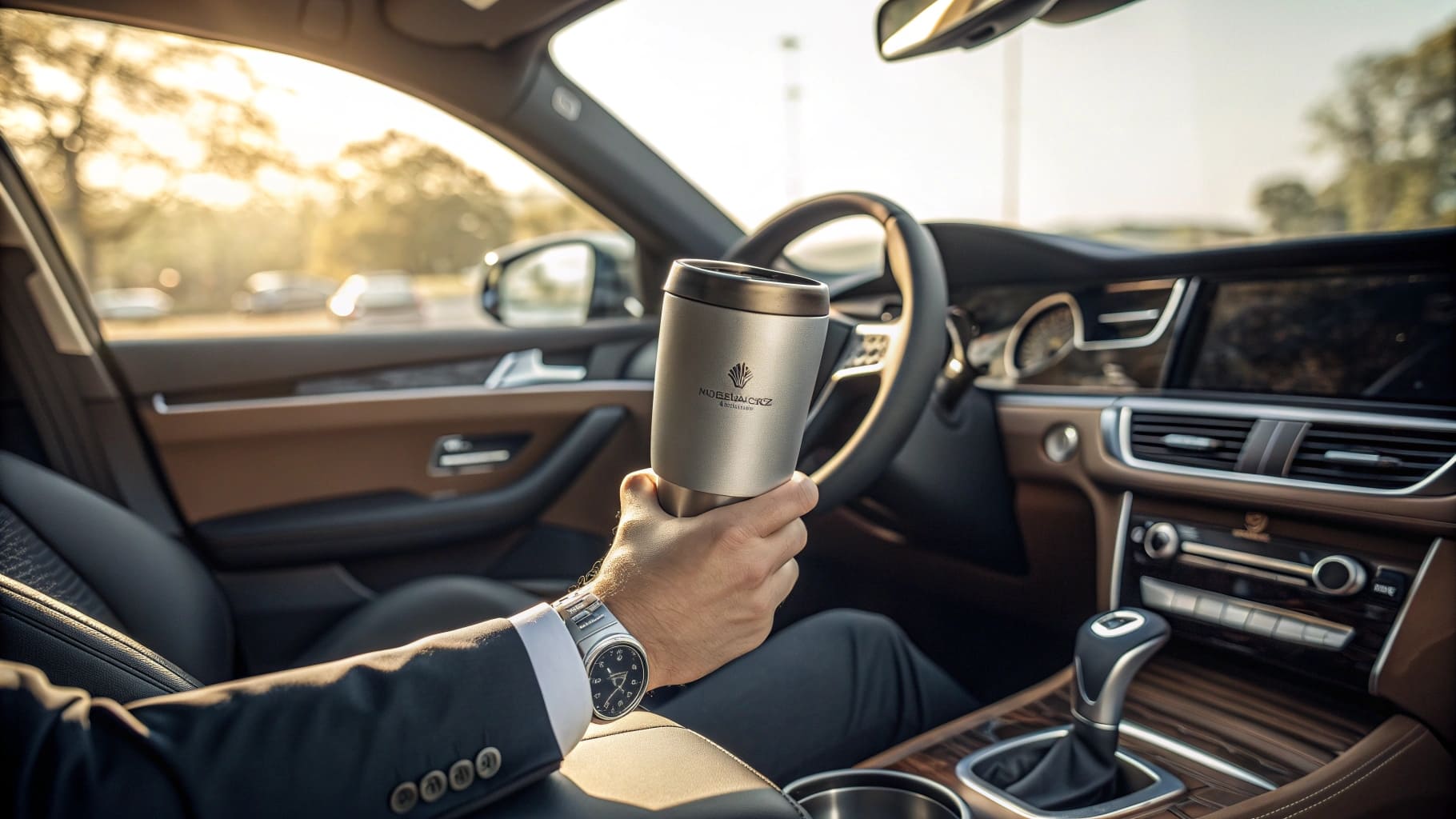
Understanding Temperature Retention Standards
I test every product line we manufacture. The results tell a clear story. Not all vacuum mugs perform equally.
Quality matters at every level. The vacuum seal must be complete. Any air in the gap reduces performance dramatically. I have seen products lose 50% of their insulation capability from poor sealing.
Material grade affects longevity. We use 18/8 stainless steel grade 304. This grade resists corrosion. It maintains the vacuum seal over time. Cheaper grades develop leaks. The vacuum fails. Heat retention drops.
Here is what separates good products from great ones:
| Feature | Standard Quality | Premium Quality |
|---|---|---|
| Vacuum Seal | Partial vacuum | Complete vacuum |
| Steel Grade | 201 stainless | 304 stainless |
| Hot Retention | 4-6 hours | 8-12 hours |
| Cold Retention | 12 hours | 24 hours |
| Durability | 1-2 years | 5+ years |
The lid design plays a critical role. Heat escapes through poor lids. I recommend checking the seal mechanism. Silicone gaskets provide the best seal. They prevent leaks. They lock in temperature.
Testing methodology matters for your quality control. I suggest requiring suppliers to provide certified lab test results3. The tests should measure temperature retention at specific intervals. Standard testing measures temperature at 1, 3, 6, and 12 hours. Reputable suppliers provide this data without hesitation.
What Is a Vacuum Travel Mug?
Understanding construction helps you spot quality issues. Many suppliers claim vacuum technology. Few deliver genuine vacuum sealing. I will explain the difference.
A vacuum travel mug has vacuum-sealed, double-wall construction. An airless space sits between two stainless steel layers. This space prevents heat transfer. The technology keeps beverages hot or cold for hours.
The Science Behind Vacuum Insulation
I have visited many factories. The vacuum sealing process requires precision equipment. Cheap facilities skip critical steps. Their products fail fast.
The manufacturing process starts with two stainless steel walls. The walls nest together. A small opening remains at the base. Manufacturers pump air from the space between walls. They create a near-perfect vacuum. Then they seal the opening.
The vacuum works because heat travels three ways. Conduction moves heat through solid materials. Convection moves heat through air or liquid. Radiation moves heat through empty space. The vacuum eliminates convection completely. The stainless steel minimizes conduction. Only radiation remains. This is why vacuum insulation performs so well.
I learned this lesson early in my career. A customer complained about inconsistent performance. I investigated our supplier. They were using simple double-wall construction. No vacuum seal existed. We switched suppliers immediately. Customer satisfaction improved within weeks.
Quality control must verify the vacuum. I use a simple test. Fill the mug with boiling water. Wait five minutes. Touch the outer wall. A properly vacuum-sealed mug stays cool to touch. Heat should not transfer to the outer wall. If the outer wall feels warm, the vacuum seal failed.
Key Construction Elements
| Component | Purpose | Quality Indicator |
|---|---|---|
| Inner Wall | Holds beverage | No rough edges or seams |
| Vacuum Layer | Blocks heat transfer | Outer wall stays cool |
| Outer Wall | Protects vacuum | Dent-free, smooth finish |
| Base Seal | Maintains vacuum | Perfectly welded, no gaps |
| Lid Assembly | Seals opening | Tight fit, quality gasket |
What Type of Cup Retains Heat the Best?
Material choice determines performance limits. I compare options regularly. Each material serves different market needs. Your choice depends on your target customers.
Stainless steel vacuum mugs offer the best balance. They combine durability with excellent heat retention. Glass liner vacuum jugs provide slightly better insulation. Stainless steel works better for outdoor and travel use.
Material Performance Comparison
I stock multiple product lines. Each serves specific buyer needs. Understanding material properties helps you match products to markets.
Stainless steel dominates the travel market for good reasons. The material handles drops and impacts. It does not break like glass. The weight stays reasonable for daily carrying. I have customers who use the same stainless steel mug for five years. The vacuum seal still performs perfectly.
Glass liner options exist in the market. Glass conducts heat more slowly than stainless steel. The insulation performs slightly better in laboratory conditions. I see retention improvements of 10-15% compared to stainless steel. But glass adds weight. It increases breakage risk. Most buyers prefer stainless steel for practical reasons.
Ceramic coatings offer additional benefits. I started offering ceramic-lined options three years ago. The ceramic layer adds flavor protection. Coffee tastes fresher. Tea maintains its character. The coating also improves temperature retention by 5-8%. Some buyers target premium markets with these products.
Here is how materials compare in real-world use:
| Material Type | Heat Retention | Durability | Weight | Best For |
|---|---|---|---|---|
| Single-wall stainless | 1-2 hours | Excellent | Light | Budget markets |
| Double-wall non-vacuum | 3-4 hours | Excellent | Medium | Mid-range |
| Vacuum stainless steel | 8-12 hours | Excellent | Medium | Travel, outdoor |
| Vacuum glass liner | 10-14 hours | Fair | Heavy | Home, office |
| Ceramic-lined vacuum | 9-13 hours | Excellent | Medium | Premium markets |
The manufacturing process affects final performance. I have learned to ask detailed questions. How thick are the walls? What welding method4 do you use? How do you test the vacuum seal? Good suppliers answer these questions easily. Poor suppliers dodge them.
Certification matters for international sales. I maintain multiple certifications for our product lines. FDA approval for food contact. LFGB certification for European markets. These certifications require material testing. They verify the stainless steel grade. They check for harmful substances. I recommend requiring proof of certification from all suppliers.
Advanced Features to Consider
Some products include copper lining5 between the vacuum layers. Copper reflects radiant heat back into the mug. This adds another layer of insulation. Performance improves by 10-15%. The cost increases as well. I offer copper-lined options for premium product lines.
Powder coating on the exterior affects performance slightly. The coating adds a thin insulation layer. It also prevents condensation on cold drinks. I recommend powder coating for products targeting the cold beverage market. The colors also help with branding.
Thread design on the lid matters more than buyers realize. Fine threads create better seals. Coarse threads allow micro-gaps. These gaps leak heat. I switched to fine-thread designs five years ago. Customer complaints dropped by 30%.
Conclusion
Genuine vacuum-sealed technology separates quality products from poor performers. Verify material grades, test vacuum seals, and demand certified performance data before placing orders.
-
Understanding this technology is crucial for selecting high-quality travel mugs that keep beverages hot. ↩
-
Learn how heat transfer works to understand why vacuum insulation is effective. ↩
-
Find out how testing ensures the quality and performance of travel mugs. ↩
-
Understanding welding methods can help you assess the quality of travel mugs. ↩
-
Explore the advantages of copper lining for enhanced insulation in premium mugs. ↩