
Which Stainless Steel Cups Suit Schools Best: Size, Weight, and Sippy Lids?
Picture this: backpacks scattered everywhere, kids running wild, and cups leaking all over homework. School supply shopping becomes a nightmare when you choose the wrong drinkware.
The best stainless steel cups for schools combine three features: age-appropriate sizes from 8oz to 22oz, lightweight 304 food-grade construction1, and versatile sippy lids with straw, spout, and direct drinking modes that support proper child development.
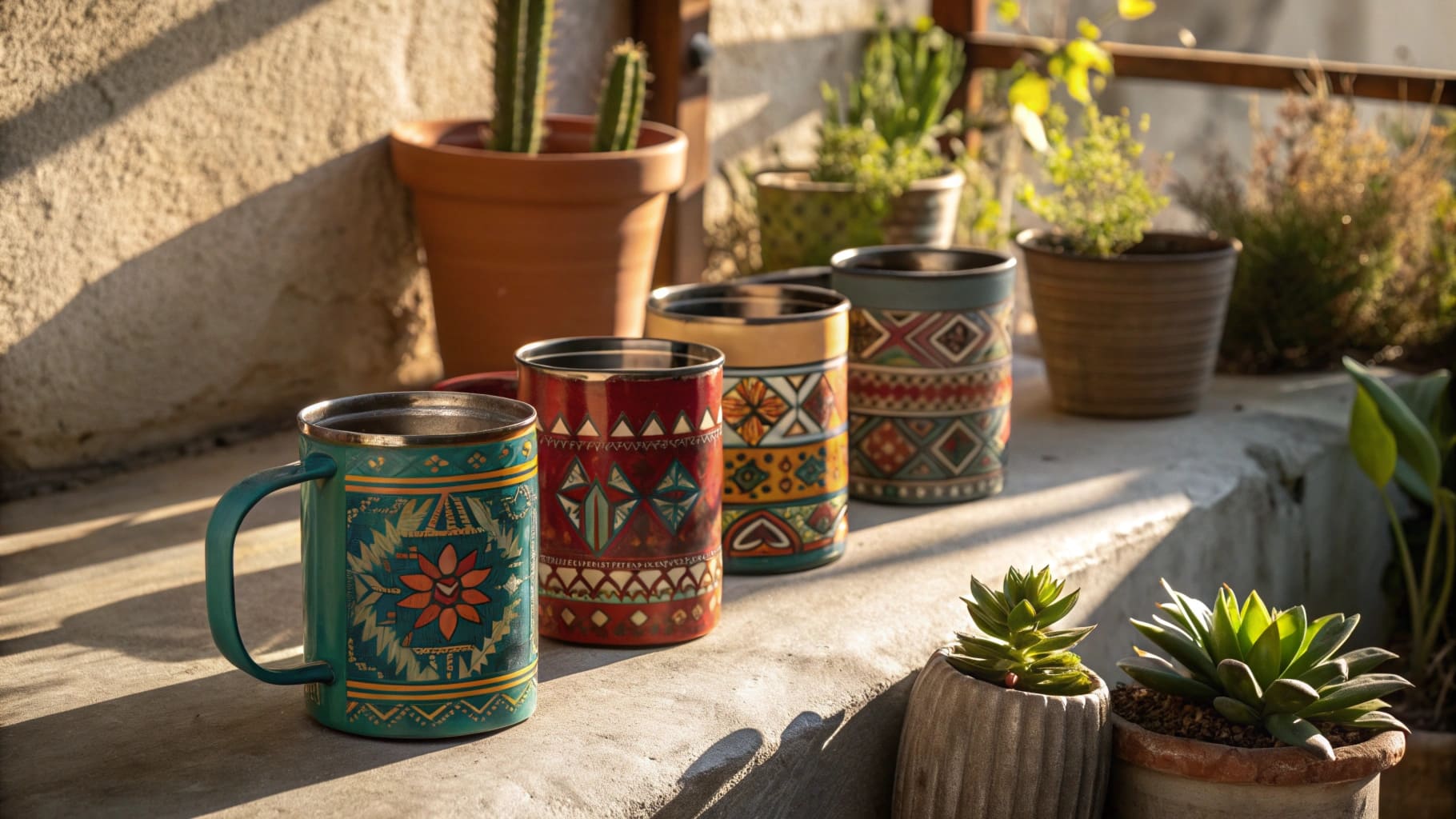
I've spent years helping schools and parents find the right drinkware. The choice affects more than just keeping drinks cold. It impacts your child's independence, hydration habits, and even speech development. Let me walk you through what actually matters.
Are Stainless Steel Cups Good for Kids?
Your child deserves safe drinkware. Plastic bottles may seem cheaper, but they come with hidden risks. You worry about chemicals leaching into drinks and bottles breaking during rough play.
Yes, stainless steel cups2 are excellent for kids. They eliminate BPA exposure, resist bacterial growth, maintain drink temperature for hours, and withstand drops better than plastic or glass alternatives without adding harmful chemicals to beverages.
Why I Recommend 304 Stainless Steel for School Use
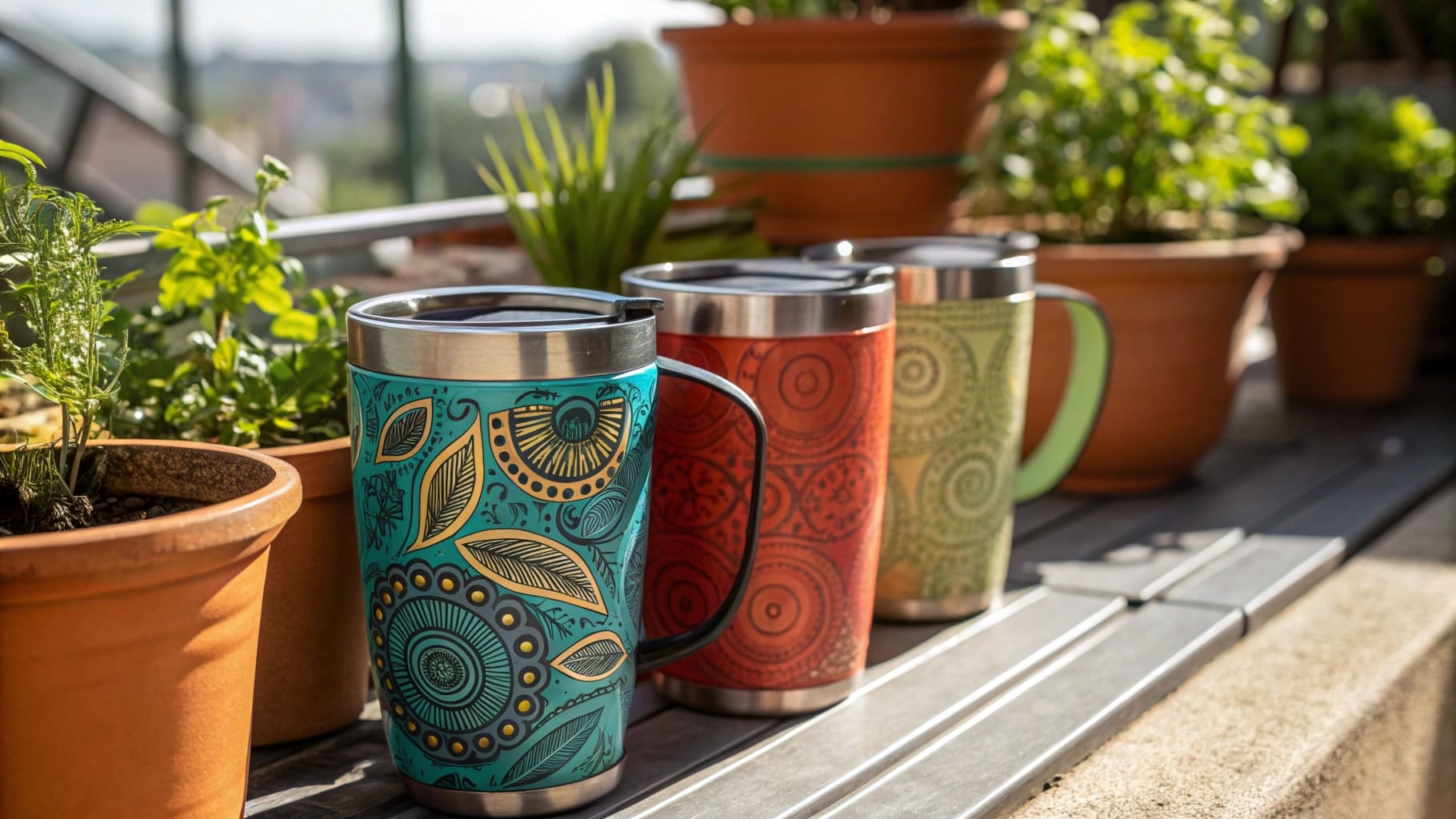
I always tell my clients to check the steel grade. Not all stainless steel is created equal. The number 304 appears on quality bottles for good reason.
This grade offers specific benefits:
| Feature | 304 Stainless Steel | Lower Grade Steel | Plastic |
|---|---|---|---|
| Rust Resistance | Excellent | Poor | N/A |
| Chemical Leaching | None | Minimal | High Risk |
| Odor Retention | None | Possible | Common |
| Drop Durability | High | Medium | Low |
| Weight | Light | Heavy | Very Light |
The food-grade designation means direct contact with drinks poses zero health risks. I've tested bottles from various suppliers across China. The 304 grade consistently outperforms cheaper alternatives. It doesn't rust when exposed to acidic drinks like orange juice. It doesn't absorb flavors from yesterday's chocolate milk. Your child gets fresh-tasting water every time.
The construction also matters beyond the material. Double-wall vacuum insulation keeps morning milk cold until lunch. It maintains hot cocoa temperature during winter recess. A thickened base prevents denting when dropped on playground concrete. Smooth edges eliminate sharp points that could hurt small mouths. These details separate quality school bottles from basic containers.
What Sippy Cups Do Speech Pathologists Recommend?
You want your child to develop proper drinking skills. Traditional sippy cups3 with hard spouts may seem convenient, but speech experts raise concerns. Poor oral development can affect speech clarity and eating habits later.
Speech pathologists recommend sippy cups with soft silicone straws or open cup training features. These designs promote proper tongue positioning, strengthen oral muscles, and support natural swallowing patterns while reducing risks of speech delays and dental problems.
Understanding the Triple Drinking Mode Advantage
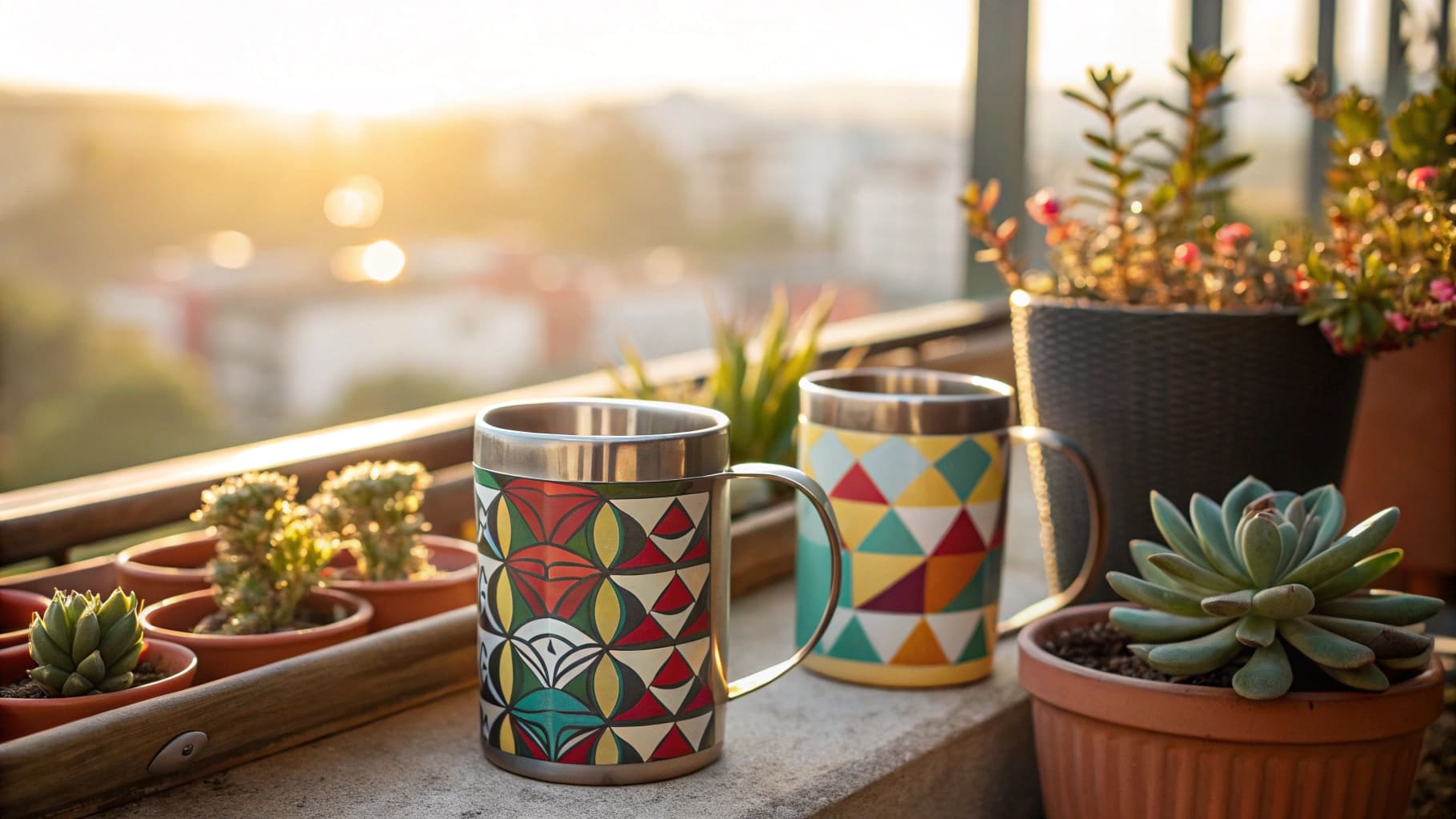
I discovered something interesting while working with a Canadian school district. They needed bottles that worked for different developmental stages. Kids in the same classroom had varying abilities.
The solution came through versatile lid designs:
Straw Mode
The soft silicone straw sits at the bottle bottom. Your child sips without tipping the bottle back. This position keeps the tongue in a natural forward placement. Speech pathologists confirm this promotes better oral development. The straw also builds lip strength needed for clear speech sounds. I've watched toddlers master this mode within days.
Spout Mode
Some kids transition better with a gentle spout. The design differs from traditional hard spouts. A softer silicone material flexes with your child's mouth. The opening size encourages sipping rather than sucking. This middle step helps nervous parents feel comfortable while still supporting development goals.
Open Cup Mode
Remove the straw or spout completely. Your child drinks directly from the cup opening. This represents the final developmental stage. It mimics adult drinking patterns. The wide mouth makes this transition easier than forcing kids to jump from bottles to regular cups.
I recommend rotating between modes based on your child's comfort level. Start with straws during school hours when mess matters. Practice open cup mode at home during supervised meals. This gradual approach reduces resistance and builds confidence.
The one-click bounce button adds safety. Kids can open their bottles independently. The safety lock prevents accidental opening inside backpacks. I've tested this feature extensively. It survived countless drops and rough handling during my quality checks.
Should a 2 Year Old Still Be Drinking from a Bottle?
Your pediatrician mentions transitioning away from bottles. You feel guilty when your toddler still demands one. The battle between convenience and development goals creates stress for every parent.
No, a 2 year old should not regularly drink from bottles. Continued bottle use after age 2 increases risks of tooth decay, speech delays, and ear infections while potentially limiting nutritional variety as children rely on bottle comfort.
Making the Switch Without the Tears
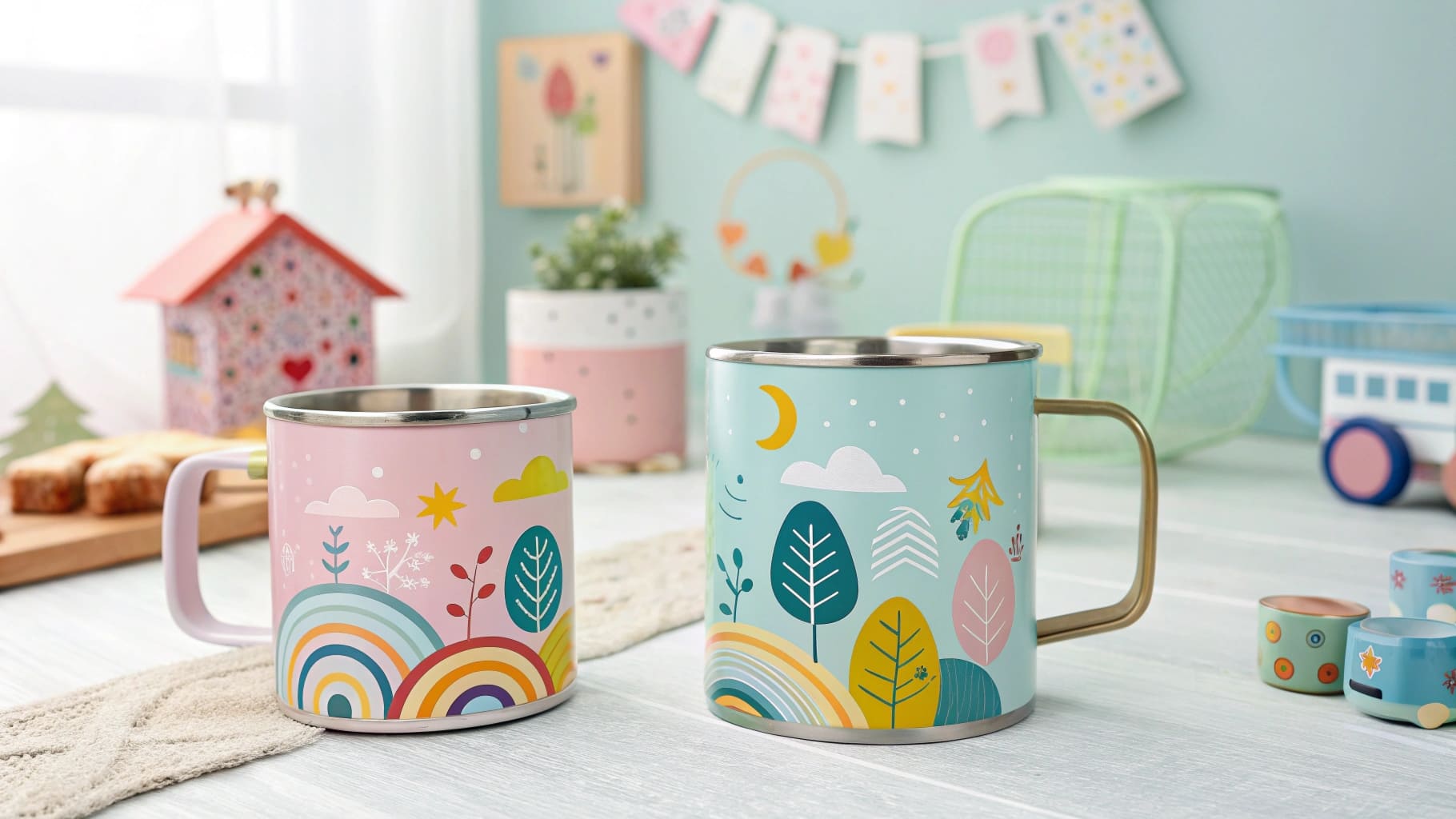
I helped my sister transition her daughter around 24 months. The process seemed impossible at first. Bedtime bottles had become a crucial routine. School made the change necessary.
Here's what actually worked:
Age-Appropriate Sizing Strategy
| Age Range | Recommended Capacity | Reasoning |
|---|---|---|
| 18-24 months | 8 oz | Matches stomach capacity, easy to hold |
| 2-3 years | 10-12 oz | Growing hydration needs, still manageable |
| 3-5 years | 12-16 oz | Longer school days, increased activity |
| 5+ years | 16-22 oz | Full day hydration, sports activities |
Start with the smallest size that matches your child's age. The 8-10 oz capacity feels less overwhelming than adult-sized bottles. Small hands can grip the bottle independently. The weight doesn't tire little arms during drinking.
I source bottles with specific features for this transition. The bottle needs enough capacity for school hours but remains light enough for easy handling. A 12 oz bottle filled with water weighs approximately 400 grams total. This weight suits most 2-year-olds without strain.
The stackable design4 helps at home too. You can store multiple bottles without taking up entire cabinet space. Schools appreciate this feature for classroom storage. I've seen teachers manage 20+ bottles efficiently using stackable designs.
Temperature Control Support
Cold drinks make water more appealing than bottles. The double-wall insulation keeps water cold for 6-8 hours. I've tested this personally. Morning ice cubes still clink at afternoon pickup. This feature transforms plain water into something special.
Hot drinks work too. Some schools allow warm milk for younger students during cold months. The same insulation keeps drinks warm for 4-6 hours. Just ensure the temperature stays safe for little mouths.
The wide opening serves multiple purposes. You can add ice cubes easily. The opening also simplifies cleaning between uses. I can fit a bottle brush inside without struggle. This matters because thorough cleaning prevents mold growth and bad odors.
Safety Features That Build Independence
Leak-proof silicone seals protect backpacks from spills. I've tested these seals rigorously. They withstand being tossed, dropped, and shaken without leaking. Your child can carry their bottle confidently.
The rounded edges feel comfortable against lips. No sharp plastic cuts or hard spots. I pay special attention to this during supplier evaluations. A comfortable drinking experience encourages regular hydration.
BPA-free construction eliminates chemical concerns. You don't worry about harmful substances leaching into drinks. The food-grade materials meet strict safety standards. I verify certifications personally before recommending any supplier.
Conclusion
Choose stainless steel cups that match your child's age, feature lightweight 304 construction, and offer versatile sippy lid modes. These three factors ensure safe, developmental-appropriate hydration throughout school days.
-
Learn why 304 food-grade construction is crucial for safe and healthy drinkware. ↩
-
Explore the advantages of stainless steel cups, including safety and durability for children's use. ↩
-
Explore the top-rated sippy cups that promote healthy drinking habits for toddlers. ↩
-
Find out how stackable designs can save space and improve organization in classrooms. ↩