
Tired of sifting through endless water bottle options? Choosing the right ones for 2025 is crucial. I'll show you the elite choices for your business.
For 2025, elite hydration options focus on: 1. Premium Stainless Steel, 2. Smart Bottles (with features like hydration tracking), 3. Glass with Protective Sleeves, 4. Collapsible Silicone (for portability), 5. Purifying Bottles (with built-in filters), and 6. Sustainable Plant-Based Polymer bottles. These meet diverse B2B needs by prioritizing safety, innovation, and eco-consciousness.

Choosing the right water bottle for your business isn't just about trends. It's about understanding what makes a bottle truly 'elite' from a procurement perspective. Let's explore the details that matter to professionals like Mark, who value quality and reliability. We need to look deeper into these options.
What is the best water for hydration, and how does the bottle affect it?
Worried if your chosen water bottle affects water quality? It's a valid concern for your customers. Let's see how bottles maintain purity for the best hydration.
The best water is clean, pure water. While the bottle doesn't change the water's inherent properties, an inert material like quality stainless steel or glass ensures no taste or chemical leaching, preserving its purity for optimal hydration.
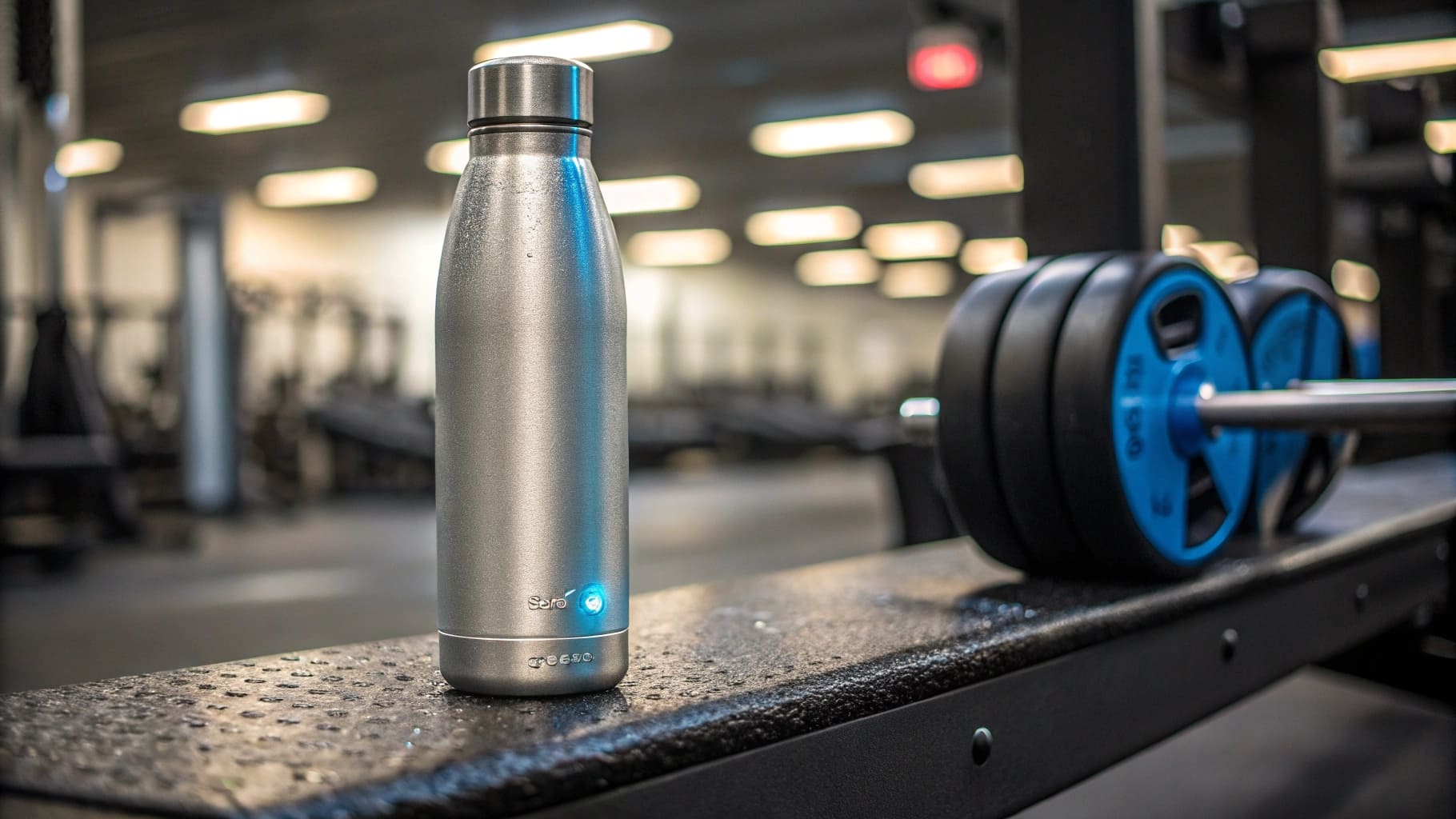
When we talk about 'best' water, it's about purity and mineral content. My focus, as a bottle supplier, is how the container preserves that quality. This is key for you, Mark, as your customers trust your brand.
How Bottles Influence Water Quality
A bottle's main job is to be a neutral container. It should not add anything harmful or change the water's taste.
- Material Inertness: This is crucial. Materials like food-grade stainless steel or glass do not react with water. They keep the water as it is.
- Preventing Contamination: A good seal on the bottle is important. It stops outside dirt or bacteria from getting into the water.
- Temperature Maintenance: Insulated bottles can keep water cold. Cold water can be more enjoyable to drink. This encourages more drinking. But, this doesn't change the basic quality of the water itself.
Let's compare common materials and their impact on water. This is something I discuss often with clients sourcing from Icobottle.
| Material | Impact on Water Purity | Leaching Risk | Taste Alteration |
|---|---|---|---|
| Stainless Steel | Excellent (inert) | Very Low | None |
| Glass | Excellent (inert) | Very Low | None |
| BPA-free Plastic | Good (if high quality) | Low | Minimal |
| Aluminum (lined) | Depends on liner integrity | Medium | Possible if liner damaged |
For your business, Mark, choosing bottles made from inert materials like stainless steel is a safe bet. It ensures the water your customers drink is just as pure as when it was filled. This directly addresses concerns about health and safety. These are very important points for your customers in Canada.
So, which water bottle is truly the healthiest choice for consumers?
Want to offer genuinely healthy water bottles? Material safety is non-negotiable for your customers. Let's identify the healthiest options for your product line.
The healthiest water bottles are made from non-toxic, inert materials that don't leach chemicals. Food-grade stainless steel (like 304 or 316) and glass are top choices. They are BPA-free and ensure water purity, which is vital for health.

When your customers, like Mark's customers in Canada, look for a 'healthy' water bottle, they are primarily concerned about what the bottle isn't doing. It should not be leaching harmful chemicals into their water. This is where material choice becomes critical. As someone in the business for years, I've seen this concern grow.
Key Factors for a Healthy Water Bottle
For B2B buyers like you, Mark, understanding these factors is crucial for sourcing and marketing.
- Material Composition: Is it food-grade? Is it free from known endocrine disruptors like BPA or phthalates? I always ensure our Icobottle products meet these standards.
- Non-Leaching Properties: The material must be stable. It should not release particles or chemicals into the water, even with temperature changes or over time.
- Ease of Cleaning: A bottle that's easy to clean thoroughly prevents bacterial growth. This contributes to its overall healthiness. A wide mouth opening, for example, is a practical feature.
Here’s a breakdown of common materials from a health perspective. This is a chart I often share.
| Material | Health Aspect | Key Benefit | Potential Concern |
|---|---|---|---|
| Stainless Steel | Inert, BPA-free, no chemical leaching | Durability, no flavor transfer | Ensure food-grade quality (e.g. 304, 316) |
| Glass | Inert, BPA-free, no chemical leaching | Purity, no flavor transfer | Breakability |
| BPA-free Plastic | No BPA | Lightweight, often cheaper | Potential for other chemical leaching, microplastics |
| Aluminum | Lightweight | Often requires a plastic liner | Liner integrity (BPA, etc.) |
We at Icobottle focus on 304 and 316 stainless steel. They offer the best combination of health, safety, and durability. This aligns perfectly with the expectations of procurement officers like Mark. You need to ensure product quality and safety for your brand. This is a commitment we share.
When it comes to the top contenders, is stainless steel or glass water bottles better for your business needs?
Struggling to choose between stainless steel and glass bottles? Both are healthy, but practical differences matter. Let’s see which suits your B2B needs best.
Stainless steel is often better for B2B due to durability, insulation, and customization options. Glass offers purity but is fragile. For wholesale, especially for export, stainless steel's resilience and branding potential typically provide a stronger overall business case.
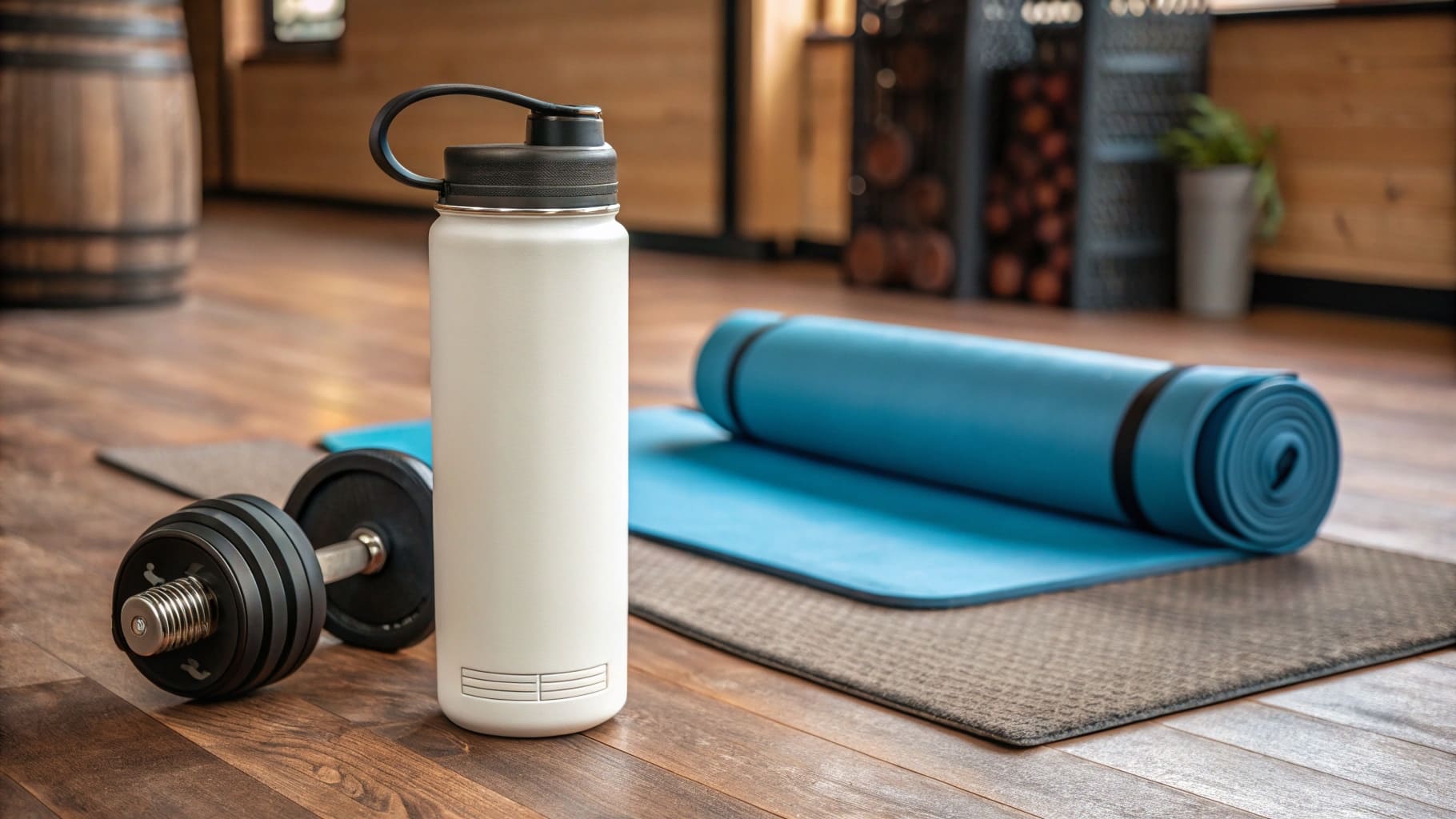
This is a common question I get from B2B clients like Mark. Both stainless steel and glass are excellent from a health perspective. They are inert and don't leach. However, for a business importing and distributing water bottles, practical considerations come into play. I remember one client who initially preferred glass but faced high damage rates during shipping.
Comparing Stainless Steel and Glass for B2B
Let's look at the factors that matter most to procurement officers and brand owners. These are points Mark would consider carefully when purchasing from China or Vietnam.
- Durability: This is critical for shipping and handling, and for end-user longevity. Damaged goods mean lost profit.
- Weight: Affects shipping costs and user convenience. Lighter can be better, but not at the cost of quality.
- Insulation: A key feature for many consumers, especially in markets like America and Europe.
- Customization: Branding opportunities are vital for B2B. Your logo needs to look good and last.
- Cost: Production and shipping costs are always a factor.
Here’s a direct comparison. This table helps clarify the trade-offs for businesses like yours, Mark.
| Feature | Stainless Steel (e.g., 304 grade) | Glass | B2B Implication for Mark |
|---|---|---|---|
| Durability | Excellent (dent-resistant, shatterproof) | Poor (breakable, fragile) | Stainless steel significantly reduces risk of damage during transit & everyday use. Fewer returns or complaints. |
| Weight | Moderate | Heavier | Stainless steel can offer slight shipping cost advantages per unit, especially in bulk. |
| Insulation | Excellent (especially double-walled) | Poor (unless double-walled, which is rare and bulkier) | Stainless steel offers a key selling feature (hot/cold retention) that consumers value. |
| Customization | Excellent (laser engraving, screen printing, full-color printing, various finishes) | Limited (mainly printing on surface, or silicone sleeves) | Stainless steel allows for more versatile and durable branding. This is key for building a premium brand image. |
| Perceived Value | High (seen as modern, durable) | High (seen as pure, elegant) but fragility can be a drawback | Stainless steel often has a broader market appeal due to its practicality and modern aesthetic. |
| Cost (Typical) | Moderate | Can be lower for basic types, but higher for quality borosilicate or those with protective sleeves | Landed cost for stainless steel might be more competitive when factoring in lower damage rates and higher perceived value. |
For businesses like Mark's, which purchase items like stainless steel water bottles and rebrand them in Canada, stainless steel often wins. It withstands the rigors of international shipping from China. It offers excellent customization for logos and colors – something we specialize in at Icobottle. Its durability is a major selling point to the end consumer. While glass has its undeniable purity appeal, the risk of breakage and limited insulation make it a tougher proposition for large-scale wholesale and distribution. This is why, at Icobottle, stainless steel is our primary focus for export markets like America and Europe.
Conclusion
Choosing elite water bottles means prioritizing material safety, durability, and branding. Stainless steel often meets these B2B needs best for 2025.