
Which sippy lids, gaskets, and flow rates make spill-proof kids cups viable?
Every parent knows the pain of discovering a leaking sippy cup in their child's backpack. The mess spreads to books, clothes, and electronics. Finding truly spill-proof solutions feels impossible.
The best spill-proof kids cups combine three elements: multi-layer silicone gaskets creating airtight seals, locking mechanisms that prevent accidental opening, and adjustable flow controls matching different age groups and developmental stages.
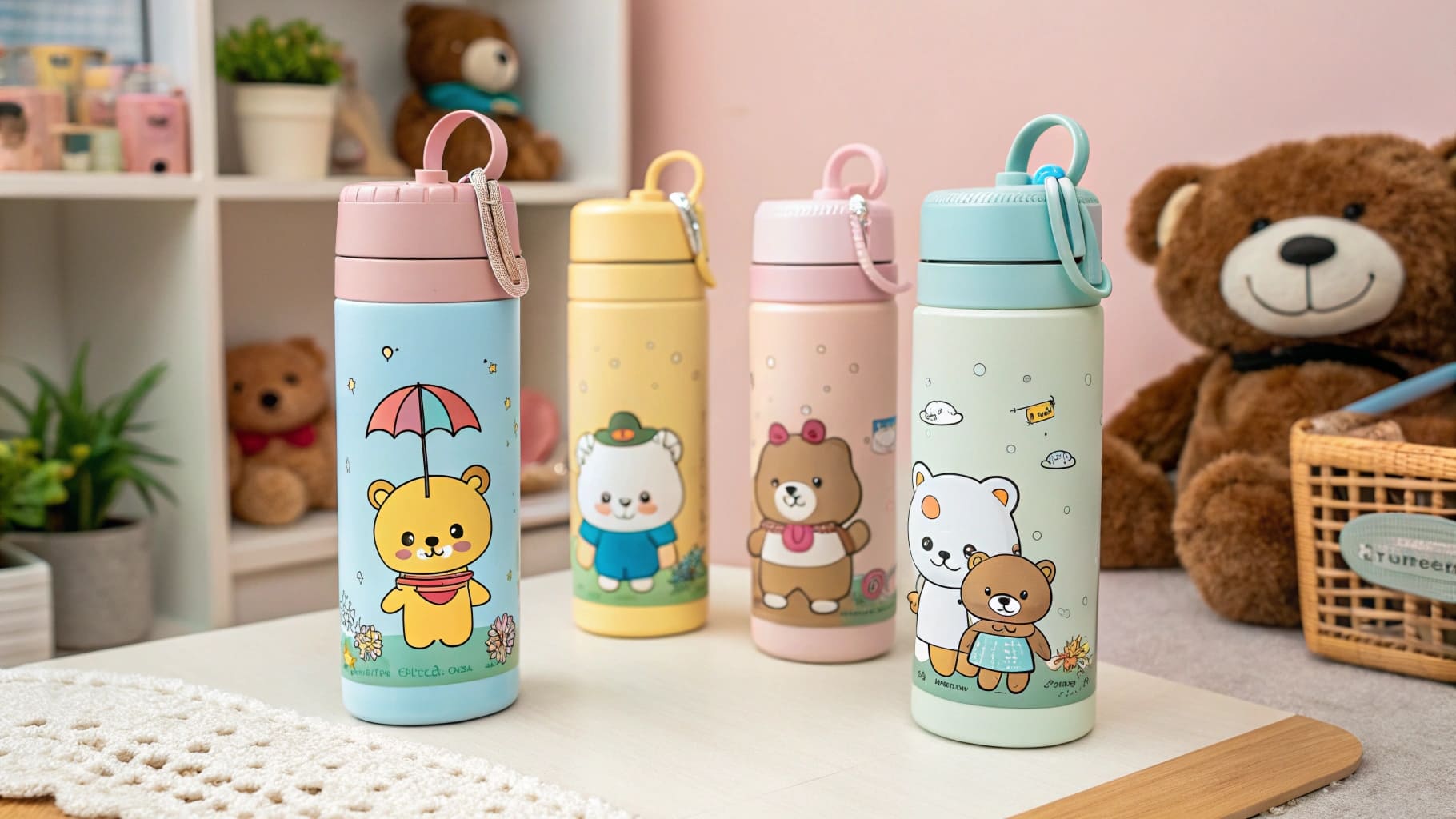
I have spent years working with buyers who distribute children's drinkware across North America and Europe. Through countless conversations and product tests, I have learned that viable spill-proof performance requires more than just a tight lid. Let me share what actually works.
What is the best leak proof sippy cup?
Parents waste money on cups that promise leak-proof performance but fail within weeks. Kids shake bottles violently, toss them in bags, and drop them repeatedly. Most products cannot handle this reality.
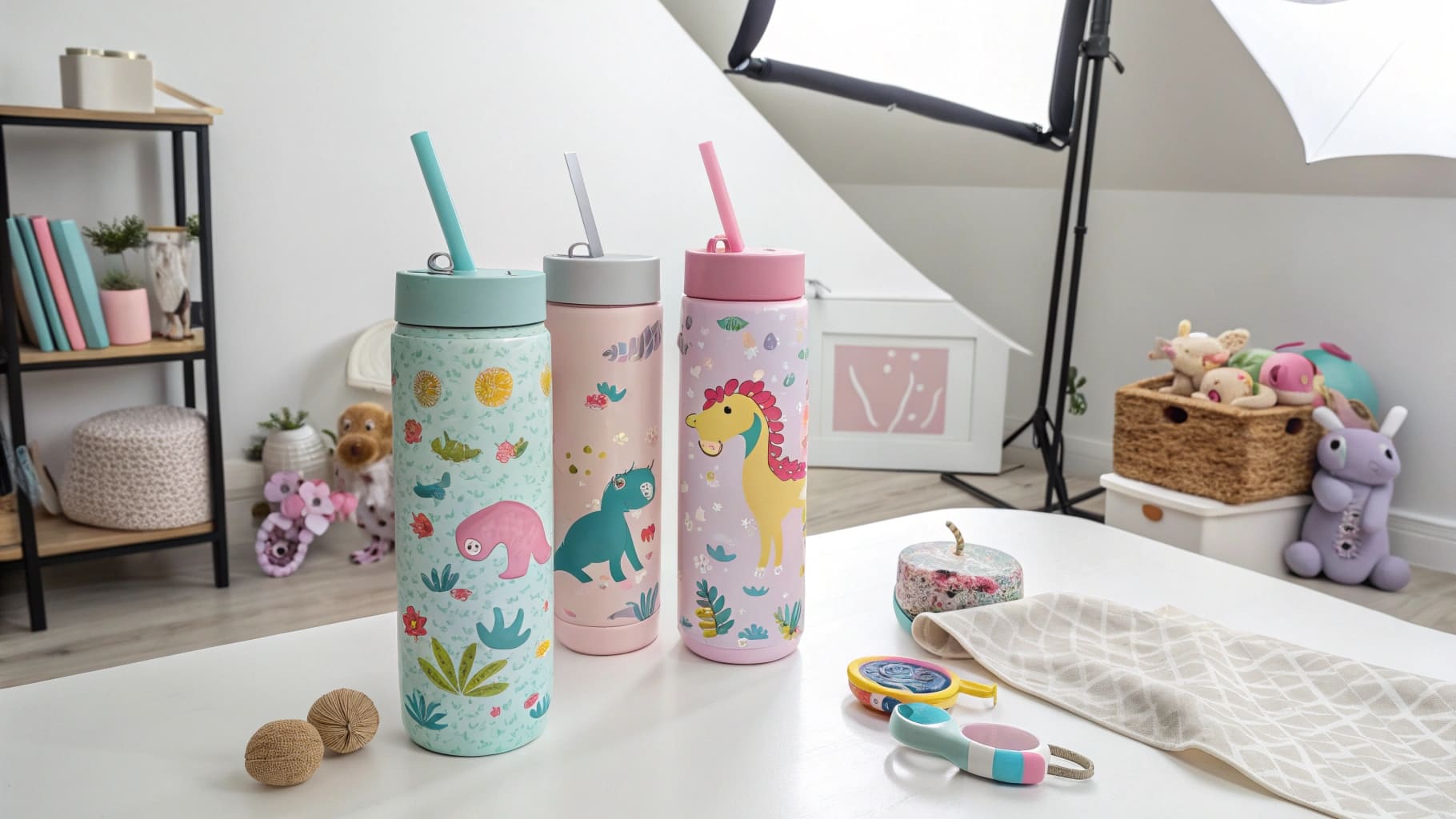
The best leak-proof sippy cups use double-sealing systems: a soft food-grade silicone1 gasket paired with a mechanical locking flip lid. This combination creates redundant protection that stops leaks even during rough handling and maintains seals through temperature changes.
Understanding What Makes Sealing Systems Actually Work
I remember when a Canadian buyer came to me frustrated after his previous supplier shipped 5,000 bottles with faulty sealing rings. Parents complained about leaks within the first week. He lost significant money on returns and damaged his brand reputation. That experience taught both of us valuable lessons about what truly matters in sealing design.
The gasket material makes or breaks leak-proof performance. Premium food-grade silicone maintains flexibility across temperature ranges from negative 40 degrees to positive 230 degrees Celsius. Cheaper rubber gaskets harden in cold weather and become brittle over time. I always recommend silicone because it stays soft and pliable even after hundreds of wash cycles.
The seal design needs multiple contact points. A single thin gasket rarely provides adequate protection. Look for designs where the silicone creates at least two compression zones. The first zone seals against the bottle rim. The second zone seals where the lid closes. This creates backup protection if one seal partially fails.
| Sealing Feature | Basic Design | Premium Design |
|---|---|---|
| Gasket Material | Standard rubber | Food-grade silicone |
| Seal Points | Single contact | Multi-point compression |
| Temperature Range | 0°C to 100°C | -40°C to 230°C |
| Expected Lifespan | 3-6 months | 2+ years |
| Dishwasher Safe | Sometimes | Yes |
Mechanical locking adds another protection layer. The best flip lids snap firmly closed with an audible click. Some designs include a secondary safety lock that prevents the flip mechanism from opening accidentally. I have seen bottles tumble down stairs and remain completely sealed because the locking system held firm. That level of security gives parents real peace of mind.
What is the safest tumbler for kids?
Safety concerns keep parents awake at night. Stories about harmful chemicals leaching into drinks or sharp edges cutting small hands create constant worry. Choosing safe drinkware should not require a chemistry degree.
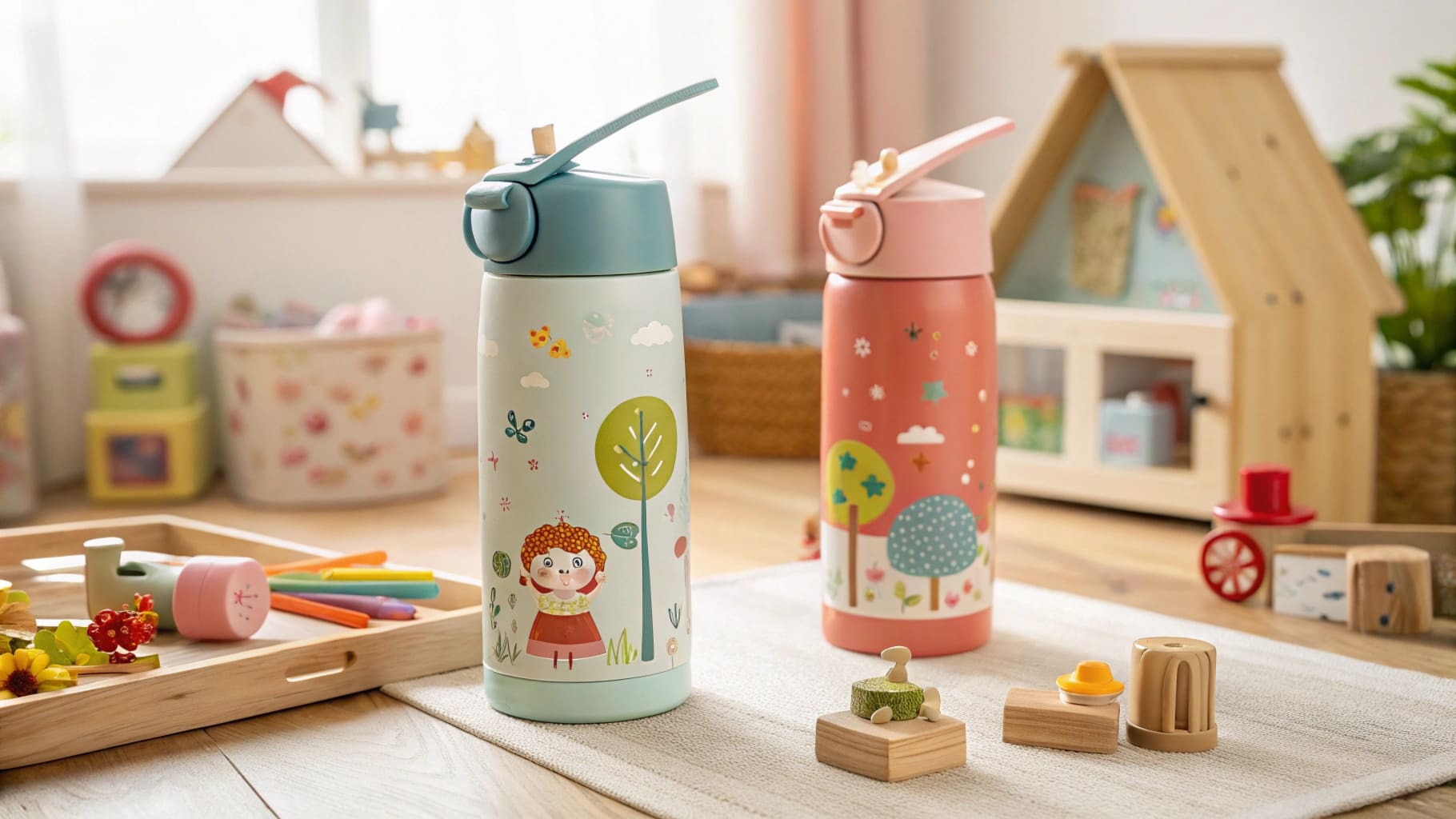
The safest kids' tumblers use 304 or 316 grade stainless steel2 bodies, BPA-free components throughout, soft silicone drinking surfaces, rounded edges on all parts, and lightweight construction that children can handle independently without risk of dropping heavy bottles on their feet.
Material Safety Standards That Actually Protect Children
One of my buyers from Portland shared a story that changed how I think about safety testing. His daughter developed a rash around her mouth from a tumbler made with uncertified materials. The supplier had cut corners on plastic components. After that incident, he now requires full material certification before placing any order.
Stainless steel grade matters more than most people realize. Both 304 and 316 grades are food-safe, but they have different properties. The 304 grade works perfectly for most applications and costs less. The 316 grade includes molybdenum, which increases corrosion resistance in coastal areas or when exposed to acidic beverages like orange juice. For kids' products, I recommend 316 when budget allows because children often leave drinks sitting for hours, creating more opportunity for interaction between beverage and metal.
Every plastic and silicone component needs proper certification. BPA-free is just the starting point. Parents should also verify products are free from phthalates, lead, PVC, and cadmium. I work exclusively with suppliers who provide third-party lab testing certificates for every material batch. This costs more upfront but prevents disasters later.
The silicone components deserve special attention. Children put straws and spouts directly in their mouths for extended periods. Low-quality silicone can contain fillers or impurities that leach over time. Medical-grade or food-grade silicone tested to FDA standards provides the safest option. The silicone should remain soft and flexible without developing sticky surfaces or strange odors after repeated washing.
Design features contribute significantly to physical safety. Sharp edges where lids attach to bottles can pinch fingers or cut lips. Quality manufacturers round all edges and smooth all surfaces. The bottle should feel pleasant to hold with no rough spots. Weight matters too. A full 16-ounce bottle can be heavy for a four-year-old. Designs that balance capacity with manageable weight reduce dropping accidents.
What sippy cups do pediatricians recommend?
Pediatricians see the consequences when poorly designed cups harm oral development or harbor bacteria. Their recommendations come from treating children who have problems. Parents should listen to this professional guidance.
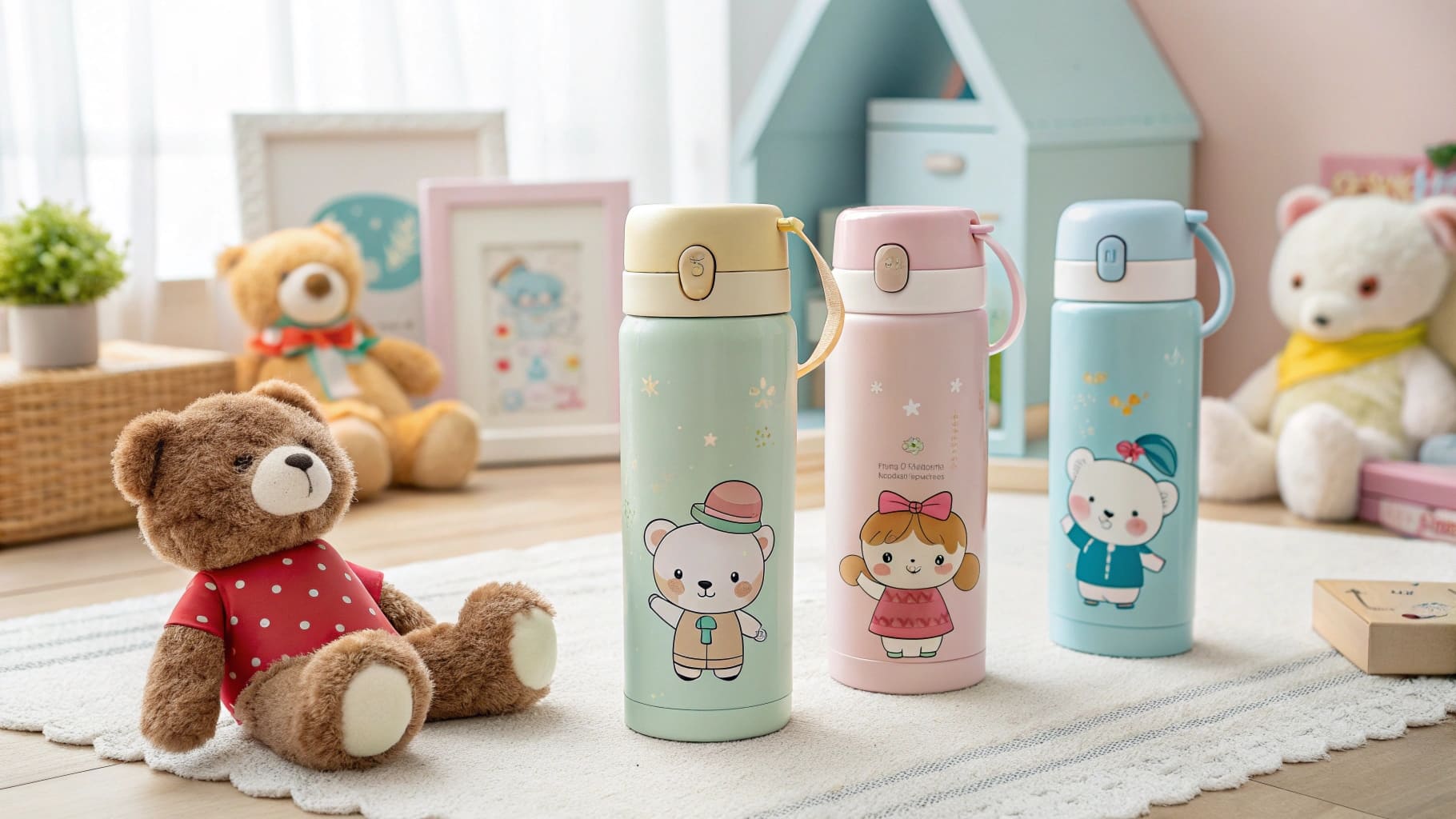
Pediatricians typically recommend sippy cups with fully removable components for thorough cleaning, soft silicone spouts that do not damage developing teeth, adjustable flow rates matching developmental stages, and designs encouraging proper drinking posture rather than prolonged sucking that affects dental alignment.
Why Cleaning Design Impacts Health Recommendations
I learned about hidden hygiene problems from a buyer who imports bottles for daycare centers. Health inspectors failed several facilities because mold was growing inside straw mechanisms that could not be properly cleaned. The cups looked fine from outside, but bacteria thrived in unreachable spaces. This buyer now requires every component to disassemble completely.
Straw systems present the biggest cleaning challenges. Traditional one-piece molded straws trap liquid in bends and crevices. Even vigorous rinsing cannot reach these areas. Bacteria multiply rapidly in these damp spaces, especially when cups contain milk or juice instead of plain water. The best designs use straight straws that pull completely out from both ends. This allows parents to run bottle brushes through the entire length.
The lid assembly needs similar consideration. Many lids have complex valve systems meant to control flow and prevent spills. These valves create small chambers where liquid pools. Unless the valve disassembles, cleaning becomes impossible. I recommend designs where every piece separates. Parents should be able to lay all components flat on a counter and see that no hidden spaces remain.
Silicone spouts offer advantages over hard plastic alternatives. The soft material is gentler on emerging teeth and developing gums. Young children who are teething often chew on spouts while drinking. Hard plastic can damage sensitive gum tissue or chip baby teeth. Soft silicone flexes without causing harm. The texture also provides sensory feedback that helps children control their drinking.
Flow rate adjustment supports developmental progression. A six-month-old needs very restricted flow to prevent choking. A three-year-old can handle faster flow rates. Cups with interchangeable spouts or adjustable valves grow with children. This adaptability means families need fewer cups over time while ensuring age-appropriate flow at each stage.
Temperature Control and Practical Considerations
| Feature | Impact on Safety | Impact on Hygiene |
|---|---|---|
| Double-wall insulation | Prevents burns from hot liquids | Reduces condensation that promotes bacterial growth |
| Wide mouth opening | Allows hand cleaning of interior | Enables thorough drying |
| Dishwasher compatibility | Ensures high-temperature sanitization | Simplifies regular deep cleaning |
| Carrying strap | Reduces dropping accidents | Keeps bottle off dirty surfaces |
| Clear capacity markers | Helps monitor fluid intake | Shows when cleaning is needed |
Vacuum insulation serves purposes beyond keeping drinks cold. The technology prevents exterior sweating, which keeps bottles cleaner. Condensation on the outside creates slippery surfaces where bacteria thrive. A dry exterior is both safer to grip and more hygienic. The temperature control also matters for safety. Hot liquids stay hot longer, but the insulation prevents the exterior from becoming too hot to touch. This protects little hands.
I worked with a buyer from Seattle who supplies bottles to pediatric clinics. He told me doctors specifically ask for bottles with measurement markings on the side. This helps parents track fluid intake, which is important for children with certain medical conditions. The markings also remind parents when bottles need refilling, reducing the temptation to let old liquid sit for days. Fresh drinks mean healthier children.
Dishwasher safety simplifies proper cleaning. Hand washing rarely achieves the sanitization level that dishwashers provide through high heat and strong detergent. Parents juggling multiple children often lack time for meticulous hand cleaning. Dishwasher-safe bottles get cleaned properly more often. However, not all materials withstand repeated high-heat cycles. Quality stainless steel and silicone maintain integrity through hundreds of dishwasher cycles. Cheaper alternatives warp or degrade.
The carrying strap might seem like a minor feature, but pediatricians recognize its safety value. Children who can secure bottles to their backpacks or wrists drop them less often. Fewer drops mean fewer opportunities for damage that could create sharp edges or compromise seals. The strap also keeps bottles off bathroom floors and playground dirt, reducing contamination exposure.
Conclusion
Truly spill-proof kids cups require thoughtful engineering across multiple systems. Quality materials, intelligent sealing design, and age-appropriate features create products that actually work in real family life.