
Which Insulated Coffee Mugs With Handles Suit Office Desks Without Spills?
You grab your mug during a video call. It tips. Coffee spreads across your keyboard. This problem costs companies more than people admit.
The best insulated coffee mugs for office desks combine an ergonomic handle, a spill-resistant lid, and double-wall vacuum construction. These three features together reduce desk spills, maintain drink temperature, and hold up through daily use in busy office environments.

Office coffee mugs are no longer simple containers. The market has moved fast. Buyers now expect mugs to perform across multiple conditions — crowded desks, long meetings, daily commutes, and hot-liquid safety. I have seen procurement orders shift dramatically once buyers understand what separates a reliable office mug from a basic thermal cup. The sections below break this down in detail.
Is Corkcicle Better Than YETI?
Both brands look strong on paper. But when you place them on a real office desk, the differences become clear fast.
Corkcicle and YETI serve different use cases. YETI focuses on rugged durability and transport-ready lid systems. Corkcicle targets urban commuters and style-conscious users. For pure office desk use, the better choice depends on lid design and one-hand operation, not brand name.
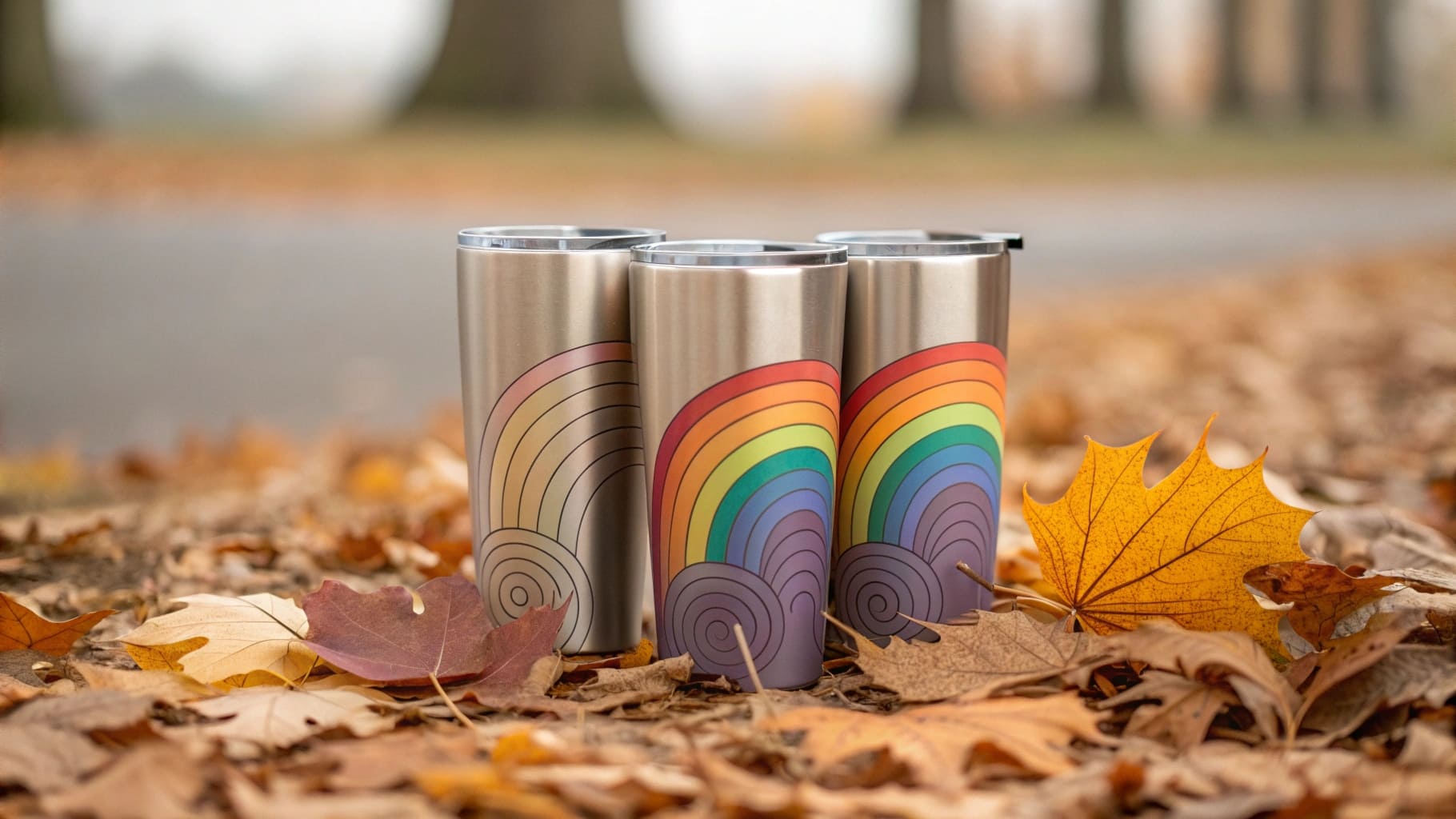
What Makes Each Brand Different at the Desk
I have tested samples from both brands under office conditions. The results point to clear functional differences rather than one brand being universally better.
YETI uses a MagSlider lid. This lid uses a magnetic mechanism to close the drinking opening. It resists splashing during short movements and transport. For office users who carry their mug between rooms or to meetings, this lid adds real protection. The body construction is thick and feels solid when placed on a desk.
Corkcicle uses either a screw-top or press-fit lid depending on the model. These lids look clean and minimal. They work well for stationary desk use. But they require two-hand operation in most cases, which creates a small risk during multitasking or active meetings.
The table below shows how both brands compare across key office factors:
| Feature | YETI | Corkcicle |
|---|---|---|
| Lid Type | MagSlider (magnetic) | Screw-top or press-fit |
| One-Hand Operation | Partial | Limited |
| Style Focus | Rugged, outdoor | Urban, minimal |
| Handle Availability | Select models | Select models |
| Desk Stability | High (wide base) | Medium |
| Best Use Case | Movement + desk | Stationary desk |
For B2B buyers ordering mugs for corporate office environments, I recommend requesting samples from both brands and running a simple tilt test on a flat surface. No marketing claim replaces a physical test under real conditions. The brand name matters less than the lid gasket quality and the precision of the thread or seal mechanism.
Are YETI Coffee Mugs Leakproof?
Many buyers assume that a premium price means a leakproof product. That assumption gets people into trouble.
YETI coffee mugs are not fully leakproof in all positions. They are designed to be splash-resistant and travel-friendly. The MagSlider lid reduces spills during movement but does not create an airtight seal. For true leakproof performance, buyers need a mug with a silicone gasket and a locking lid mechanism.
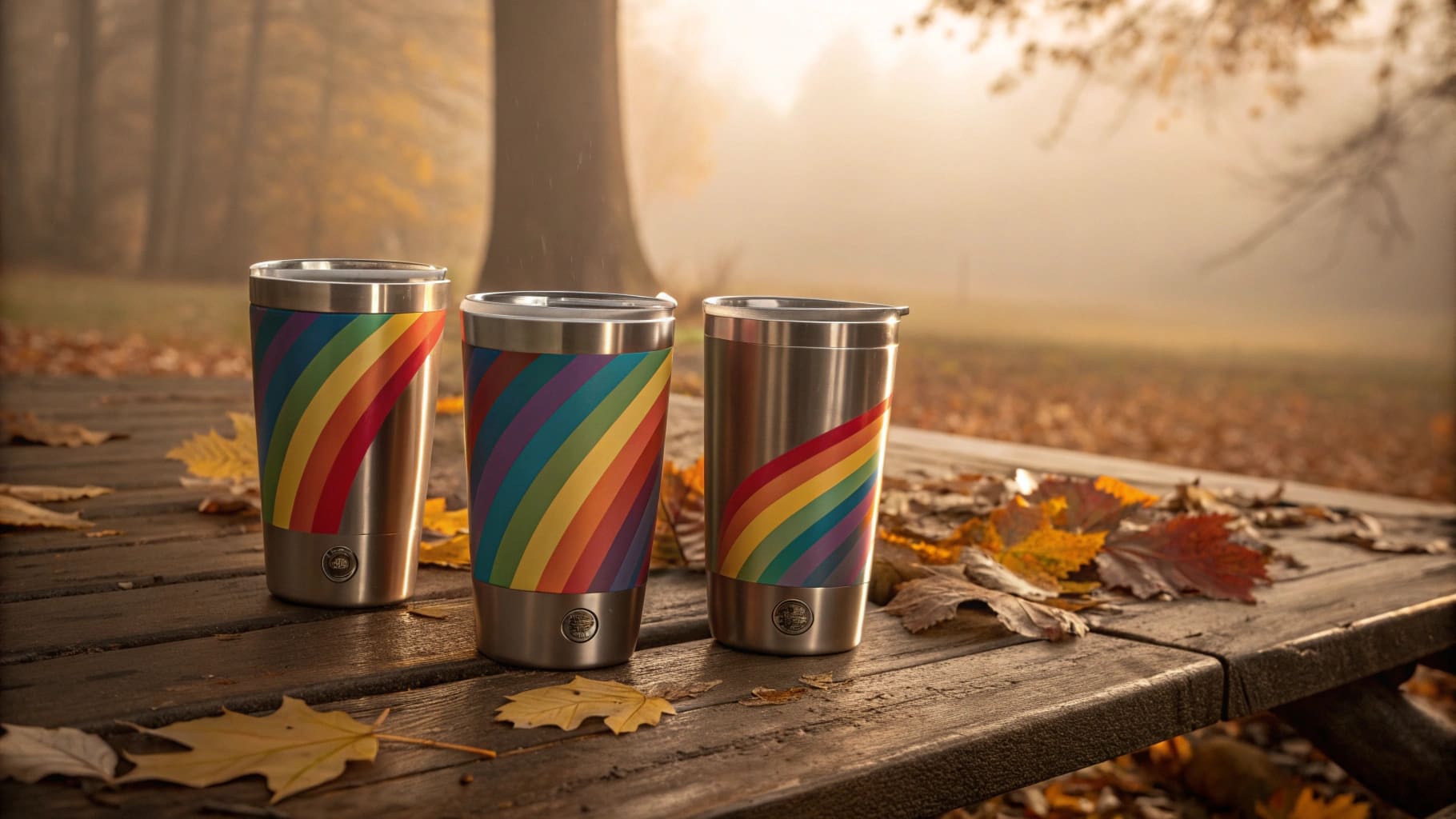
The Gap Between Splash-Resistant and Leakproof
This distinction matters a lot in B2B procurement. I have seen buyers order thousands of units based on product descriptions that say "leakproof" when the product is actually only splash-resistant. These are two different standards.
A splash-resistant mug limits liquid movement during light knocks or tilting at small angles. A leakproof mug creates a complete seal that holds liquid when the mug is fully inverted or shaken. YETI's MagSlider system falls into the splash-resistant category for most of their mug lineup.
True leakproof performance requires three things working together:
- A silicone gasket that sits flush against the lid body
- A locking mechanism that holds pressure from all angles
- Thread or closure precision tight enough to prevent liquid bypass
The table below shows how leakproof testing differs from basic splash testing:
| Test Type | Method | Pass Condition |
|---|---|---|
| Splash Test | Tilt mug 45 degrees | No visible leakage |
| Inversion Test | Hold mug upside down for 30 seconds | No drip |
| Shake Test | Shake mug horizontally 10 times | No leakage |
| Drop Test | Drop from 1 meter onto hard floor | Lid stays sealed |
For office procurement, I always recommend asking suppliers for third-party leakproof test reports. Suppliers who cannot produce these reports present a risk. Any supplier worth working with will have documentation ready without delay.
What Is the Safest Material for Coffee Cups?
Material safety is a topic that comes up in almost every serious B2B conversation I have with procurement officers. The stakes are real.
Food-grade 304 stainless steel is the safest and most practical material for coffee cup interiors. It does not absorb flavors, does not corrode under hot liquids, and carries no risk of chemical leaching. It meets FDA and EU food contact standards, making it the top choice for buyers targeting North American and European markets.

Breaking Down Material Safety for Office Coffee Mugs
I want to be direct here. Not all stainless steel is equal. Not all coatings are safe. Buyers who skip material verification expose their customers to real health risks and their own business to compliance liability.
The interior surface of a coffee mug comes into direct contact with hot liquid. This makes interior material the most critical safety point. 304 stainless steel contains 18% chromium and 8% nickel1. This composition creates a stable, non-reactive surface that holds up under repeated heat exposure without releasing particles or altering drink flavor.
The exterior coating matters too. Powder-coated finishes are common and durable. But buyers targeting European markets must confirm that the powder coat meets REACH compliance standards. REACH controls the use of hazardous chemical substances in products sold in the EU2. Non-compliant coatings can block market entry or trigger product recalls.
The table below compares the most common coffee mug materials:
| Material | Interior Safety | Heat Resistance | Compliance Notes |
|---|---|---|---|
| 304 Stainless Steel | High | Excellent | FDA, EU food contact safe |
| 316 Stainless Steel | Very High | Excellent | Higher corrosion resistance |
| Plastic (BPA-free) | Medium | Limited | Check for BPA and phthalates |
| Ceramic Interior | Medium | Good | Risk of chip and crack |
| Interior Coating (enamel) | Low-Medium | Variable | Risk of chipping under heat |
One point I always raise with buyers: avoid any mug with an interior coating that is not clearly documented. Painted or lacquered interiors chip over time. When those chips enter hot liquid, the result is both a safety problem and a product liability issue. Stick to bare 304 or 316 stainless steel on the interior. No exceptions for products going into professional or commercial environments.
Conclusion
Office mugs need the right handle, a tested leakproof lid, and verified 304 stainless steel construction. These three things eliminate most procurement mistakes.
-
"Stainless steel - Wikipedia", https://en.wikipedia.org/wiki/Stainless_steel. A materials reference should support that Type 304 stainless steel is commonly identified as an 18/8 austenitic stainless steel containing approximately 18% chromium and 8% nickel. Evidence role: definition; source type: encyclopedia. Supports: 304 stainless steel contains approximately 18% chromium and 8% nickel.. Scope note: Exact composition ranges vary by standard and manufacturer specification. ↩
-
"Registration, Evaluation, Authorisation and Restriction of Chemicals", https://en.wikipedia.org/wiki/Registration,_Evaluation,_Authorisation_and_Restriction_of_Chemicals. The European Chemicals Agency or European Commission should support that REACH is the EU regulation governing registration, evaluation, authorization, and restriction of chemicals to protect human health and the environment. Evidence role: definition; source type: institution. Supports: REACH regulates hazardous chemical substances in products sold in the EU.. Scope note: REACH applicability to a specific mug coating depends on the coating chemistry, supply chain role, and market placement obligations. ↩