
Which Hip Flask Capacities Lead 2026 Wholesale: 6oz vs 8oz, and Why?
You are sitting on a buying decision that could either lock in strong margins for 2026 or leave you holding the wrong inventory. The 6oz vs 8oz debate is not a small detail. It is money.
The 8oz hip flask is pulling ahead in 2026 wholesale volume, especially in lifestyle and corporate gifting segments.1 But the 6oz format still holds real ground in formal gift channels. The best buying strategy for 2026 is a split portfolio, not a single bet.
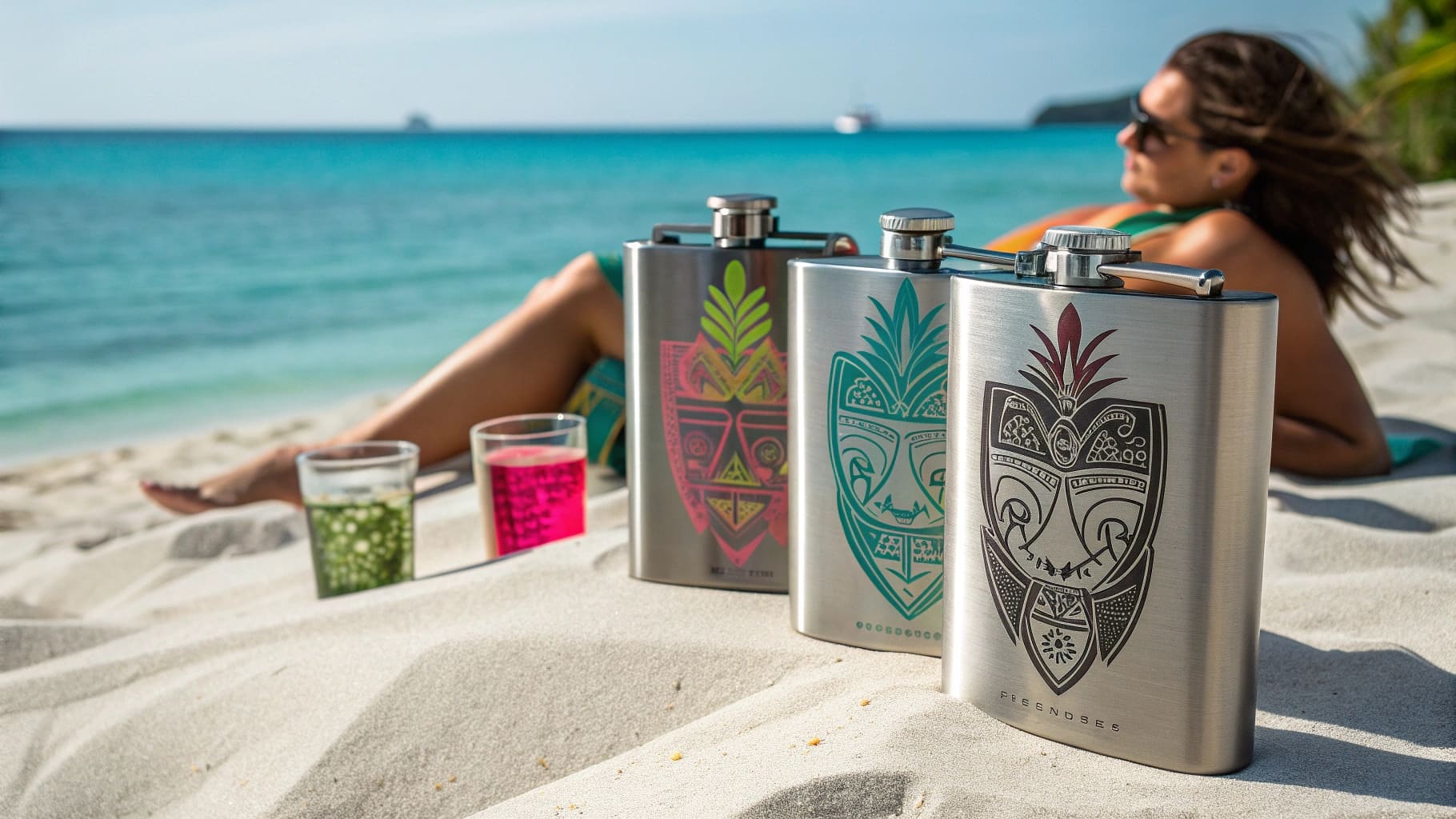
I have spent years working with B2B buyers across North America and Europe. Every season, someone asks me the same thing: "Which size should I order more of?" In 2025, that question finally has a clearer answer than it used to. Let me break it down for you properly.
What Is the Best Size Flask?
You picked the wrong size last season and your leftover stock is still sitting in the warehouse. It happens. The good news is that the data now points in a clear direction.
For most wholesale buyers in 2026, the 8oz hip flask is the better primary SKU. It gives end consumers more value per use, supports stronger retail pricing, and fits the current trend of flasks being used for outdoor events and travel rather than just discreet pocket carry.
Why 8oz Is Winning in Most Channels
Let me be direct. The shift toward 8oz is not a rumor. I see it in the order patterns from our buyers in the US and Canada. The reason is simple: consumer behavior has changed.
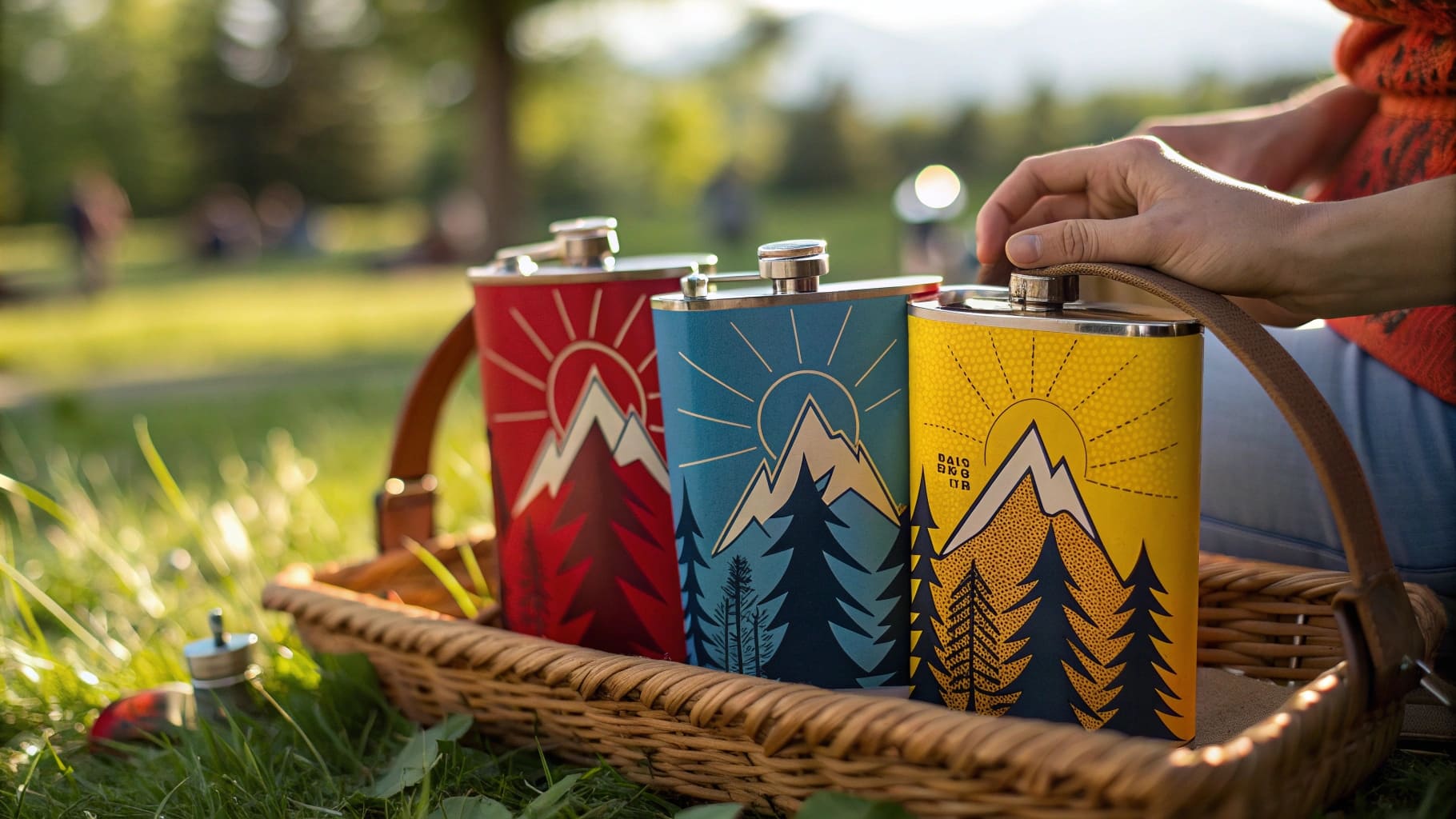
People are no longer buying hip flasks just to sneak something into a venue. They are buying them for camping trips, music festivals, golf rounds, and corporate retreats. For those use cases, 8oz feels right. 6oz feels like it runs out too fast.
From a wholesale margin standpoint, the 8oz unit typically costs 12–18% more than a comparable 6oz unit at the factory level2. That sounds like a cost increase. It is actually an opportunity. Retailers can price the 8oz noticeably higher than the 6oz3, but the perceived value gap in the consumer's mind is even wider. That creates room for margin.
Here is a side-by-side comparison to make this clearer:
| Feature | 6oz Flask | 8oz Flask |
|---|---|---|
| Jacket pocket fit | Yes | Tight fit |
| Outdoor/event use | Acceptable | Preferred |
| Wholesale unit cost | Baseline | ~12–18% higher |
| Retail price premium potential | Lower | Higher |
| Consumer perceived value | Standard | Strong |
| Best channel fit | Formal gifts, travel retail | Lifestyle, outdoor, corporate |
The table above shows that neither size wins everywhere. But if I had to pick one size to anchor a 2026 wholesale catalog around, I would pick 8oz without much hesitation.
Where 6oz Still Wins
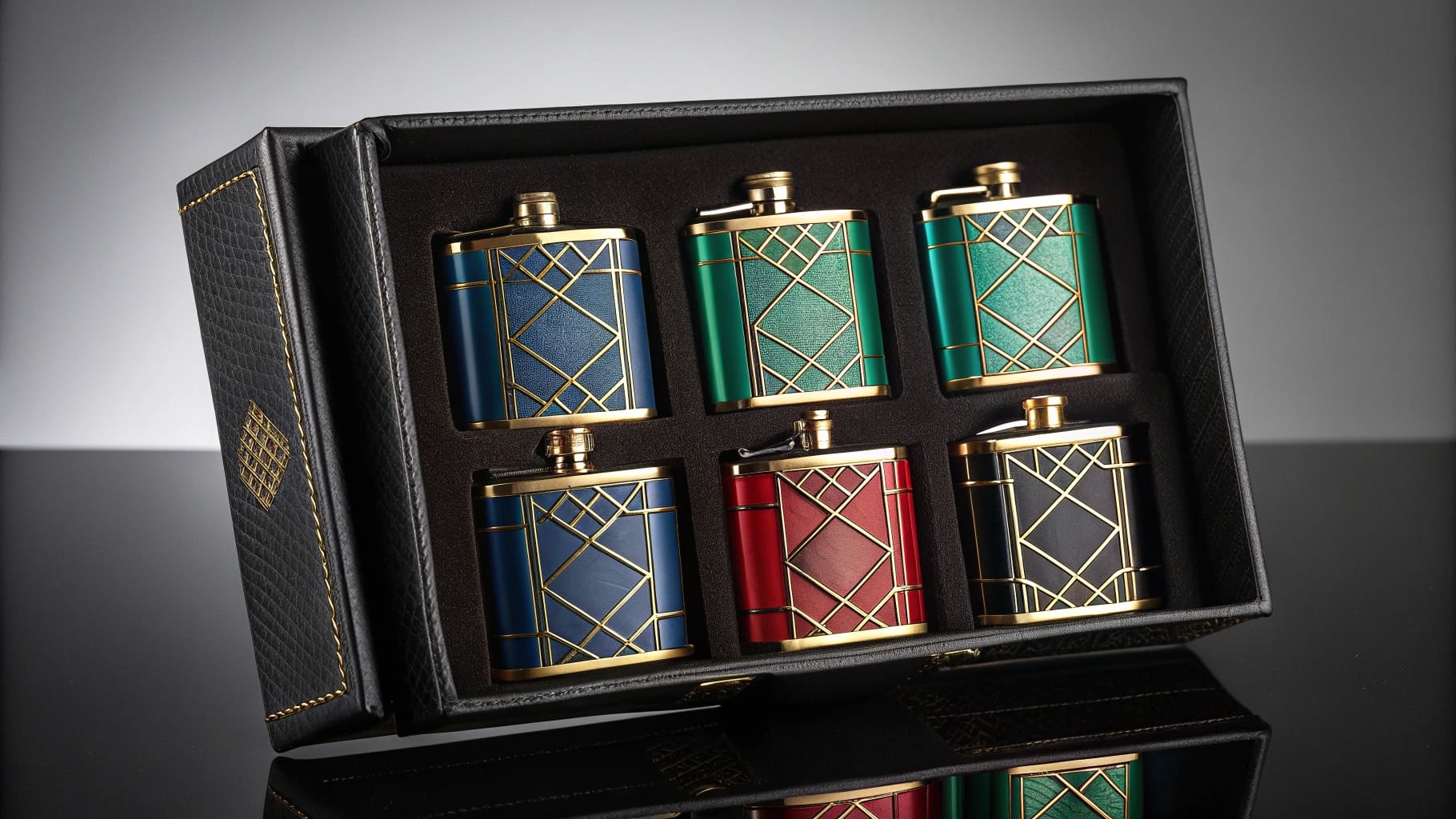
There are two channels where 6oz holds a real edge. The first is formal gifting. Groomsmen sets, executive recognition awards, and branded gift boxes still lean toward 6oz.4 The proportions look more classic and refined. The second channel is travel retail. The 6oz profile fits TSA-friendly packaging formats better5 and sits more cleanly inside branded gift boxes designed for travel-sized items.
If you sell into either of these channels, cutting 6oz from your order would be a mistake. The key is knowing your channel mix before you place the purchase order.
How Many Ounces Is a Standard Hip Flask?
Most buyers assume there is one universal standard. There is not. And that assumption has cost more than a few people a bad season of inventory.
The most common hip flask sizes in wholesale are 6oz and 8oz.6 Historically, 6oz was considered the standard. In 2026, the market is treating 8oz as the new normal for most non-gift applications.
The History Behind the "Standard" Size
The 6oz format became the default because of how hip flasks were originally used. A slim, flat 6oz flask fits cleanly in a jacket breast pocket or a back trouser pocket. That portability was the whole point.
The market has moved, though. Here is how the capacity landscape breaks down today:
| Capacity | Common Use Case | Market Position |
|---|---|---|
| 4oz | Ultra-compact, travel | Niche |
| 6oz | Formal gifts, travel retail, classic carry | Established standard |
| 8oz | Outdoor, lifestyle, corporate premium | Growing fast |
| 10oz+ | Novelty, sharing format | Specialty only |
When I talk to procurement officers who are new to ordering flasks, they almost always start by asking for "the standard size." My answer now is: it depends on where the product ends up.
What This Means for Your Order Quantity Split
If you are building a 2026 order and you want a practical starting point, here is how I would suggest thinking about the split:
A buyer with a mixed channel base — meaning some gift retail, some lifestyle retail — might consider a ratio of roughly 40% on 6oz and 60% on 8oz. A buyer who is heavily in corporate gifting might flip that ratio. A buyer focused on outdoor and lifestyle brands might go even heavier on 8oz.
The point is not to follow a fixed formula. The point is to stop treating 6oz as the automatic default and start making the decision based on where your products actually go.
One more thing worth saying here: consistent design language matters a lot. If you carry both 6oz and 8oz in your catalog, they should look like they belong to the same product family. Buyers who fragment their flask line across too many unrelated designs end up with a confusing catalog that is hard to sell. Pick a design direction and apply it across both sizes.
What Are the Best Brands for Flasks?
This question comes up constantly, and I understand why. But I want to reframe it slightly, because for a wholesale buyer, "best brand" is often the wrong question.
The better question is: which supplier delivers consistent quality, verifiable certifications, and reliable production timelines at a price that supports your margin?
Why Brand Name Matters Less Than You Think in B2B
In retail, brand names carry a lot of weight. In wholesale, especially when you are buying to rebrand, the supplier's brand is largely irrelevant to your end customer. What matters is the product behind the brand.
I have seen procurement officers pay a premium for a recognizable supplier name and receive inconsistent quality. I have also seen buyers work with smaller, less-known factories and get excellent, consistent output. The name on the factory door does not guarantee the quality inside.
Here is what actually separates a reliable flask supplier from an unreliable one:
| Evaluation Criteria | Why It Matters |
|---|---|
| Material certification (304 vs 316 SS) | Determines product safety, durability, and pricing tier |
| Third-party quality inspection access | Confirms you can verify claims independently |
| Certificate authenticity | Fake food-safety certs are a real problem in this category |
| Production lead time track record | Delayed shipments cost you peak season sales |
| MOQ flexibility | Matters more when testing new capacities or designs |
| Logo and color customization capability | Core requirement for any rebrand wholesale operation |
What to Look for in a Stainless Steel Flask Supplier
There are a few non-negotiables I always tell buyers to check before placing a first order with any supplier.
The first is material grade. For hip flasks, 304 stainless steel is the baseline acceptable standard. It is food-safe and durable enough for normal use.7 316 stainless steel is a step up — it has better corrosion resistance and commands a higher retail price point. Any supplier who cannot clearly tell you which grade they are using is a supplier you should be cautious about.
The second is certification transparency. Food contact certifications are required in most North American and European markets.8 The problem in this category is that certificate fraud happens. Ask suppliers for the original certification documents and verify them directly with the issuing body if possible. Do not accept photocopies without checking.
The third is communication. I know this sounds soft, but it is genuinely one of the biggest pain points for importers. A supplier who takes two days to answer a simple product question will take two weeks to answer a production issue question. Slow communication causes missed shipments, and missed shipments cause missed peak seasons.
The fourth is customization capability. If you are rebranding, you need a supplier who can apply your logo cleanly and consistently across both 6oz and 8oz formats, ideally with the same tooling and design standards so your product line looks unified.
Conclusion
The 8oz flask leads 2026 wholesale growth. The 6oz holds its ground in gifting. Split your portfolio, verify your supplier's materials and certifications, and order before peak season closes.
-
"Are 500ml hip flasks viable? Shelf fit, gift boxes, and MOQ tiers 2026 ...", https://icobottle.com/are-500ml-hip-flasks-viable-shelf-fit-gift-boxes-and-moq-tiers-2026/. A neutral market source should document growth in larger-capacity drinkware, outdoor/lifestyle drinkware, or corporate gifting demand; if it does not report hip-flask SKU capacity directly, it should be treated as contextual support rather than direct proof of 8oz flask wholesale leadership. Evidence role: statistic; source type: research. Supports: The 8oz hip flask is leading 2026 wholesale volume, particularly in lifestyle and corporate gifting channels.. Scope note: Likely market reports may cover drinkware or gifting broadly rather than 8oz hip flasks specifically. ↩
-
"[PDF] OCC-Master-SOP.pdf - Oklahoma Conservation Commission", https://conservation.ok.gov/wp-content/uploads/2021/07/OCC-Master-SOP.pdf. A sourcing benchmark, manufacturing cost analysis, or customs/import-price dataset should substantiate that larger stainless-steel flask capacity raises factory unit cost by approximately this range; absent flask-specific data, general stainless-steel drinkware cost evidence would support only the direction of the cost difference, not the exact percentage. Evidence role: statistic; source type: research. Supports: An 8oz flask usually costs about 12–18% more than a comparable 6oz flask at factory level.. Scope note: Neutral public sources may be able to support higher material and production costs for larger units but not the exact 12–18% factory-cost range. ↩
-
"Impact of Pricing and Product Information on Consumer Buying ...", https://pmc.ncbi.nlm.nih.gov/articles/PMC8710754/. A retail pricing study or consumer-behavior paper should support the relationship between larger package size, perceived value, and price premiums; if it is not specific to hip flasks, it should be cited as general pricing-behavior evidence rather than direct proof of flask retail prices. Evidence role: mechanism; source type: paper. Supports: Retailers can charge a higher price for 8oz flasks than for 6oz flasks because consumers associate larger capacity with higher value.. Scope note: Pricing research may address package size and value perception generally, not hip flasks specifically. ↩
-
"Groomsmen Gifts Set of 6, Personalized Flask w/Name, Title, Date ...", https://www.amazon.com/Groomsmen-Personalized-Engraved-Stainless-Bachelor/dp/B0B59MYVFH. A gift-market source, wedding-industry report, or catalog-level study should show that compact flasks are commonly included in groomsmen, executive, or branded gift sets; without capacity-specific sell-through data, the support is contextual. Evidence role: general_support; source type: research. Supports: Formal gift products such as groomsmen sets, executive awards, and branded gift boxes often favor 6oz flasks.. Scope note: Evidence may show common use of hip flasks in formal gift sets but may not prove that 6oz is the dominant capacity. ↩
-
"Liquids, Aerosols, and Gels Rule - TSA", https://www.tsa.gov/travel/security-screening/liquids-aerosols-gels-rule. An official transportation-security source should clarify liquid-volume and container rules for air travel, while a packaging or travel-retail source would be needed to connect those rules to 6oz flask packaging; by itself, TSA guidance is contextual and does not prove travel-retail preference for 6oz flasks. Evidence role: definition; source type: government. Supports: The 6oz flask profile is better aligned with travel-oriented packaging considerations.. Scope note: TSA rules concern liquids and screening, not wholesale packaging preferences for hip flasks. ↩
-
"Hip Flask Size Guide | Pewter & Steel Flasks", https://www.pockethipflask.co.uk/hip-flask-size-guide/. A neutral product-category reference or aggregated assortment analysis should document that 6oz and 8oz are among the most common commercial hip-flask capacities; if derived from catalog sampling rather than sales data, it supports assortment prevalence rather than wholesale volume. Evidence role: statistic; source type: research. Supports: The most common wholesale hip flask capacities are 6oz and 8oz.. Scope note: Public evidence may show listed product availability rather than actual wholesale sales volume. ↩
-
"Study of the Corrosion Behavior of Stainless Steel in Food Industry", https://pmc.ncbi.nlm.nih.gov/articles/PMC11012613/. A food-contact materials standard or metallurgical reference should establish that AISI 304 stainless steel is widely used for food-contact applications because of its corrosion resistance and cleanability; this supports material suitability but does not verify any individual supplier's alloy composition. Evidence role: expert_consensus; source type: institution. Supports: 304 stainless steel is an acceptable baseline material for food-contact hip flasks because it is food-safe and durable for normal use.. Scope note: Material suitability does not prove that a specific product is genuinely made from 304 stainless steel or compliant in every jurisdiction. ↩
-
"Regulatory Status of Components of a Food Contact Material - FDA", https://www.fda.gov/food/packaging-food-contact-substances-fcs/determining-regulatory-status-components-food-contact-material. Official FDA, Health Canada, and EU food-contact materials sources should establish that materials intended to contact food are regulated and must meet applicable safety requirements before sale; the term certification varies by jurisdiction, so the source should be used to support regulatory compliance obligations rather than a single universal certificate requirement. Evidence role: definition; source type: government. Supports: Food-contact compliance documentation is required or expected for stainless-steel flasks sold in North American and European markets.. Scope note: Regulatory systems differ, and not every market requires the same form of third-party certification document. ↩