
Which are China's Top 8 insulated straw bottle OEM makers in 2026?
You are searching for reliable Chinese OEM makers, but endless supplier lists leave you confused about who can truly deliver quality. I have worked with hundreds of buyers facing this exact problem.
China's top 8 insulated straw bottle OEM makers1 in 2026 include KingStar Industries, Everich Hydro, Zhejiang Haers, Yongkang Kingway, Guangdong Shunhao, Ningbo Haishu, and several specialized manufacturers focusing on innovation, quality control, and full-service capabilities from design to shipment.
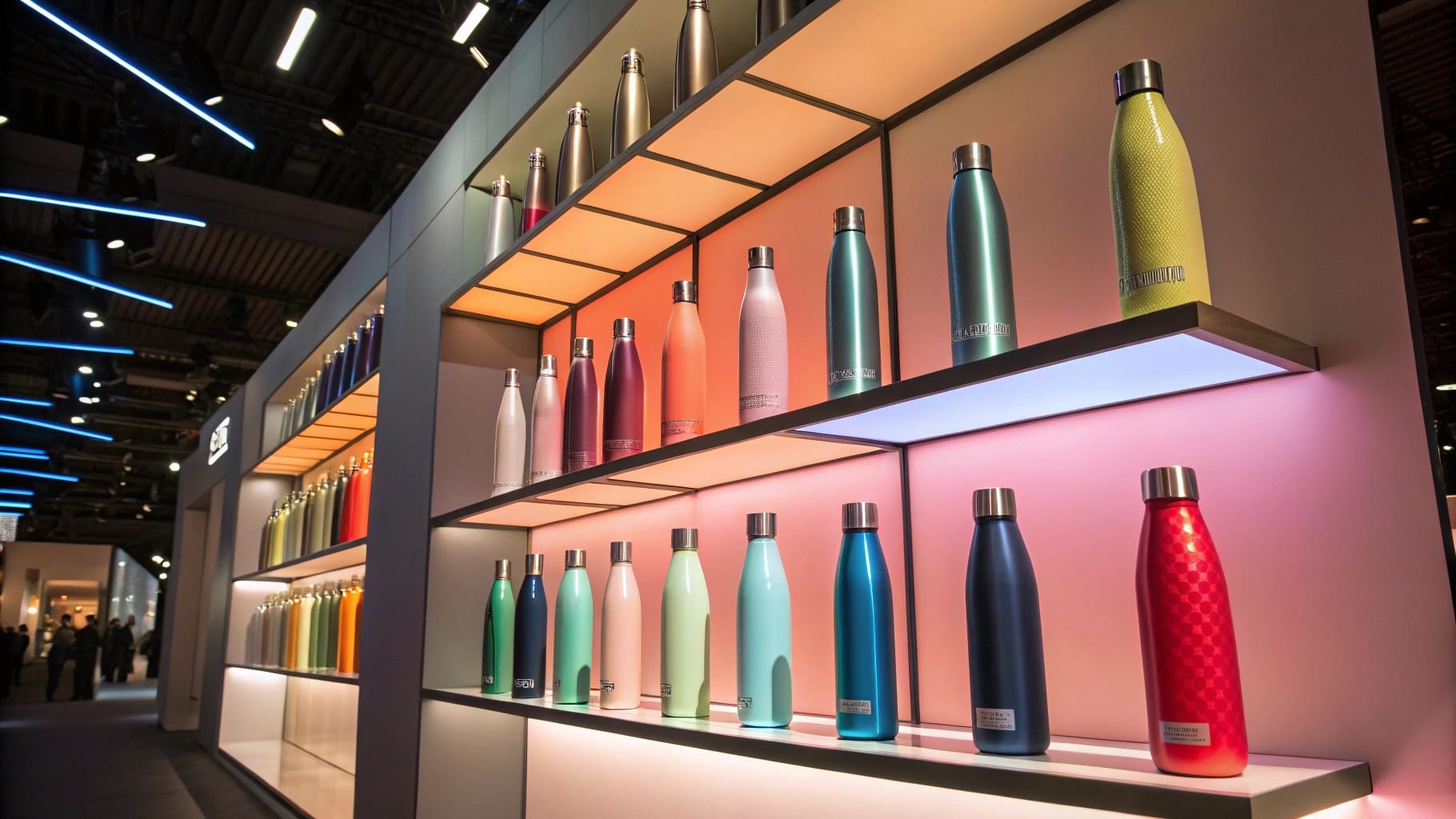
I have been in the stainless steel drinkware business for years, and I know that finding the right OEM partner goes beyond looking at a simple ranking list. You need manufacturers who understand your specific needs and can support your business growth.
Are Owala water bottles made in China?
Many buyers ask me about Owala because they want to understand how premium brands manage their manufacturing. This question reveals a deeper concern about quality and production capabilities.
Yes, Owala water bottles are manufactured in China. The brand designs its products in the United States but produces them in specialized Chinese facilities that handle their signature FreeSip spout technology and triple-layer insulation systems2.
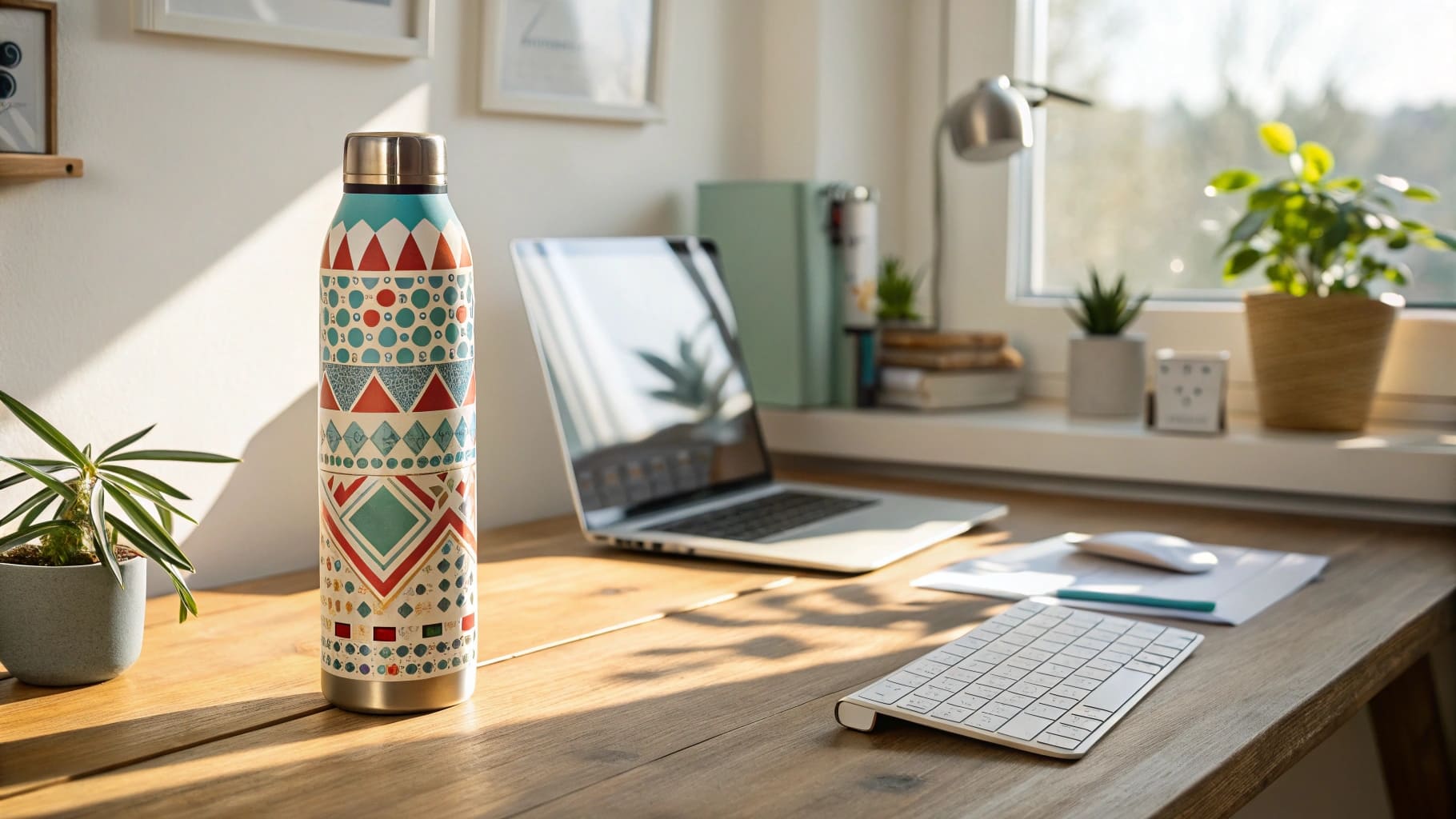
This manufacturing model is common in the drinkware industry. I see this pattern repeatedly with my clients. They design products in their home countries but rely on Chinese manufacturers to bring these designs to life. The reason is simple: China has the specialized equipment, technical expertise, and production capacity that many other countries lack.
What interests me most about the Owala case is how it demonstrates the sophistication of Chinese manufacturing. These facilities do not just stamp out basic bottles. They handle complex mechanisms like the patented FreeSip spout, which requires precise molding and assembly. They manage multi-layer insulation processes that demand strict quality control. They work with premium 18/8 stainless steel and maintain consistency across large production runs.
When I discuss this with buyers like you, I explain that this manufacturing arrangement offers several advantages. You can access the same level of production capability that supports major brands. You can work with factories that already understand international quality standards. You can benefit from established supply chains and proven production processes. The key is finding manufacturers with the right certifications, equipment, and experience to match your specific requirements.
What is the best brand of insulated water bottle?
You want to know the best brand because you are trying to understand quality benchmarks for your own product line. I hear this question often from buyers who want to compete in the premium segment.
The best insulated water bottle brands include Yeti, Hydro Flask, Stanley, and Klean Kanteen, known for superior temperature retention, durable construction, and innovative features. However, most of these brands rely on Chinese OEM manufacturing capabilities to produce their products.
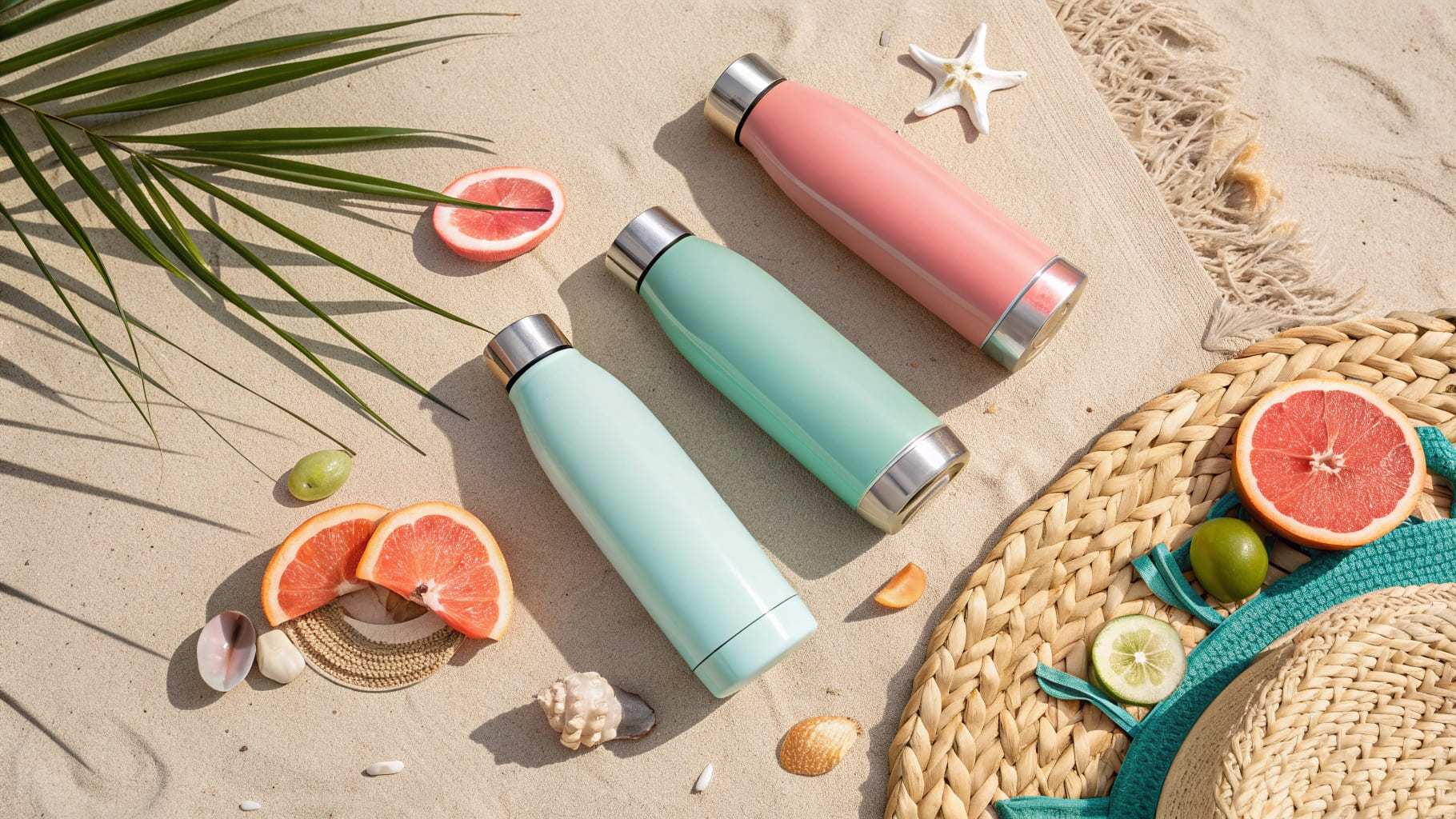
I will share what I have learned about these brands through my work with OEM manufacturers. The quality that makes these brands "best" comes from specific manufacturing capabilities, not just the brand name itself. Let me break this down for you.
| Quality Factor | Manufacturing Requirement | Impact on Performance |
|---|---|---|
| Temperature Retention | Triple-layer vacuum insulation technology | Keeps drinks cold 24+ hours, hot 12+ hours |
| Durability | 18/8 food-grade stainless steel | Resists dents, rust, and flavor transfer |
| Leak-Proof Design | Precision-molded silicone seals | Prevents spills during transport |
| Surface Finish | Powder coating or electroplating | Provides grip and aesthetic appeal |
When I work with buyers, I explain that "best" depends on your target market and business model. A premium brand focuses on cutting-edge insulation technology and unique design features. A value brand emphasizes reliable performance at competitive pricing. Both require capable OEM partners, but they demand different manufacturing strengths.
The manufacturers I work with can replicate or exceed the performance of top brands. They use the same material grades, similar insulation techniques, and comparable testing methods. The difference lies in branding, marketing, and distribution strategy. This is why I encourage buyers to focus on finding OEM partners who can deliver the specific quality level your market demands, rather than simply copying existing brands.
Your goal should be identifying manufacturers who understand your quality requirements, can provide consistent production, and offer the support services you need for long-term success.
Are Yeti water bottles made in China?
This question comes up in almost every conversation I have with serious buyers. You want to know if premium brands use Chinese manufacturing because it affects your perception of what is possible with your own product line.
Yeti water bottles are manufactured in China through contracted OEM facilities. The company maintains design and quality control in the United States while leveraging Chinese manufacturing expertise for production, assembly, and supply chain management.
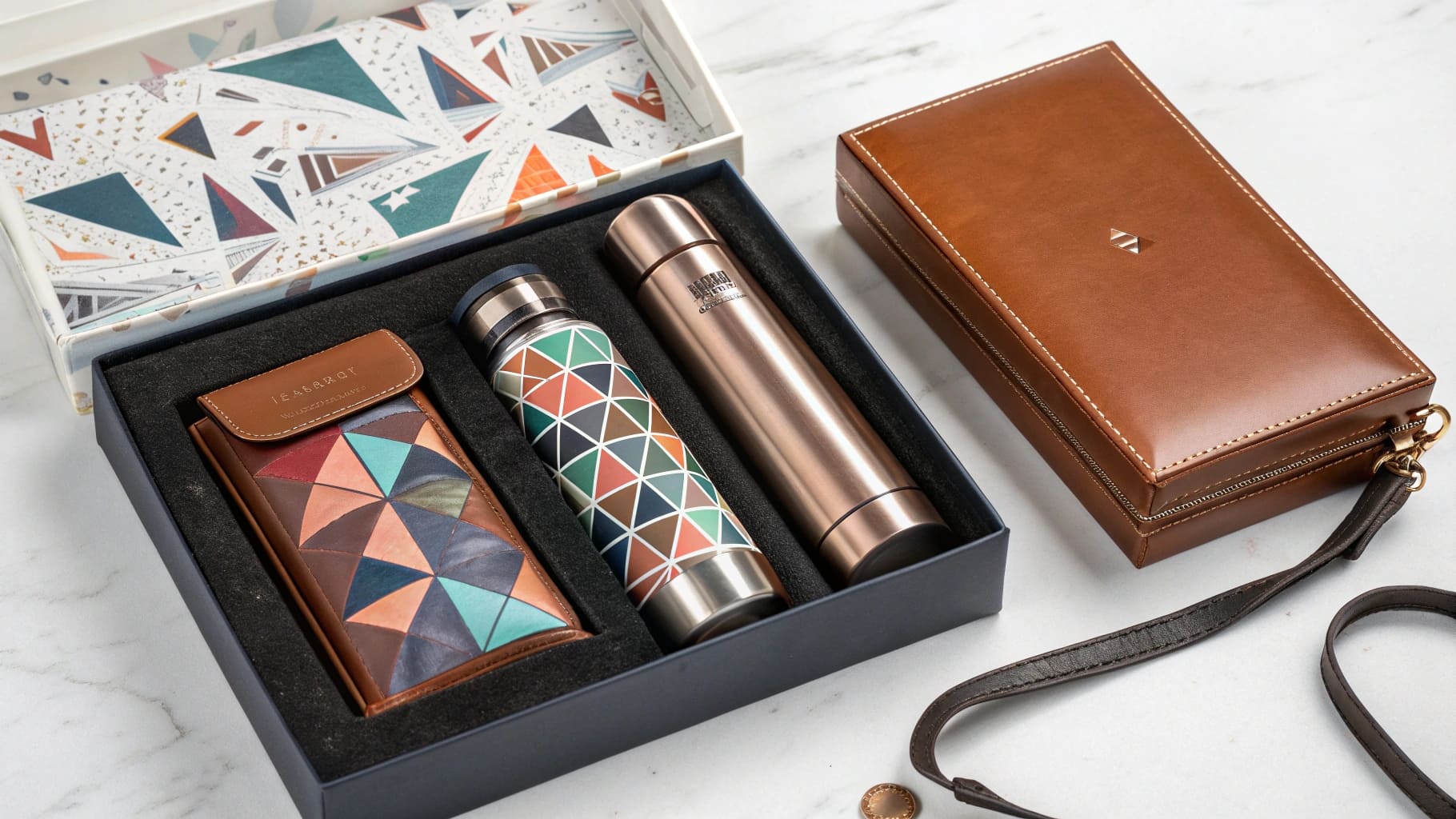
I have visited multiple facilities that produce drinkware for international premium brands. The manufacturing quality I see in these factories matches or exceeds what many people expect from "made in USA" products. Here is what I observe in top-tier OEM facilities.
These manufacturers invest heavily in equipment and training. They use automated welding systems3 that create seamless stainless steel body construction. They operate vacuum insulation lines with precise pressure control and testing protocols. They maintain cleanroom environments for assembly operations that involve food-contact surfaces. They run thermal performance testing on production samples to verify temperature retention specifications.
The quality control systems4 in these facilities follow international standards. They conduct incoming material inspections on stainless steel sheets, checking composition and surface quality. They perform in-process inspections during forming, welding, and coating operations. They complete finished product testing that includes drop tests, leak tests, and thermal performance verification.
When I discuss this with buyers, I emphasize that Chinese manufacturing for premium brands is not about cutting costs. It is about accessing specialized capabilities. The factories that produce for brands like Yeti have decades of experience in metal forming and vacuum insulation technology. They have made investments in equipment that smaller operations cannot justify. They have built supply chains that provide consistent access to quality materials.
For your business, this means you can work with the same caliber of manufacturers that support major brands. You need to know what to look for in an OEM partner and how to verify their capabilities.
How do I identify the top 8 OEM makers?
Finding reliable manufacturers feels overwhelming when you face hundreds of options online. I know this frustration because I work with buyers who waste months chasing unsuitable suppliers.
Identify China's top insulated straw bottle OEM makers1 by evaluating certifications, production capacity, R&D capabilities, patent portfolios, and comprehensive service offerings from tooling development to quality assurance systems that ensure consistent output.

I will share my framework for evaluating OEM manufacturers. This comes from years of experience and hundreds of successful partnerships. The process requires looking beyond marketing materials and surface-level claims.
Manufacturing Capacity and Specialization
Top manufacturers demonstrate specific capabilities that separate them from basic production facilities. I look for factories with dedicated insulated drinkware production lines, not general metalworking shops. These specialized facilities understand the unique requirements of vacuum insulation technology and straw bottle mechanisms.
Check their monthly production capacity. Leading manufacturers typically produce 500,000 to 2 million units monthly. This scale indicates established operations with stable supply chains. Ask about their equipment. Modern facilities use CNC metal spinning machines for body formation, automated welding systems for seam joining, and specialized vacuum pumping stations for insulation creation.
Certifications and Compliance
I never recommend working with manufacturers who lack proper certifications. This is non-negotiable. Look for ISO 9001:2015 quality management certification, which shows systematic quality control processes. Verify FDA approval for materials in contact with food and beverages. Check for LFGB certification if you plan to sell in European markets. Request BSCI or similar social compliance audits if your brand values ethical manufacturing.
When I verify certifications for clients, I do not just accept copies. I contact the certifying bodies directly or hire third-party verification services. This step has saved my clients from significant problems with fraudulent certificates.
Research and Development Strength
The best OEM partners bring innovation to your product development. I evaluate their R&D capabilities by reviewing patent portfolios. Leading manufacturers like Everich Group hold over 200 patents covering design features and functional innovations. This shows they invest in product development, not just copy existing designs.
Ask manufacturers about their annual new product introductions. Top facilities launch 100 or more new designs yearly. Request to see their design team and prototyping capabilities. Quality partners maintain in-house industrial designers, 3D modeling software, and rapid prototyping equipment.
Service Integration
Complete manufacturing solutions matter more than low unit prices. I look for partners offering integrated services including product design consultation and material selection guidance, custom mold development for unique bottle shapes or lid mechanisms, graphic design support and decoration techniques like laser engraving, powder coating, or water transfer printing, quality control systems4 with detailed inspection reports, packaging design and fulfillment services, and logistics coordination from factory to your warehouse.
When I evaluate manufacturers for clients, I create comparison matrices rating each supplier across these criteria. This systematic approach reveals which partners can support long-term business growth versus those offering only basic production services.
What should I look for in an OEM partnership?
You understand that choosing the wrong manufacturer costs you time, money, and market opportunities. I have seen buyers make expensive mistakes that could have been avoided with better evaluation methods.
Look for OEM partners offering transparent communication, flexible MOQ requirements, comprehensive quality control documentation, clear payment terms, reliable logistics coordination, and intellectual property protection agreements that safeguard your designs and market position.
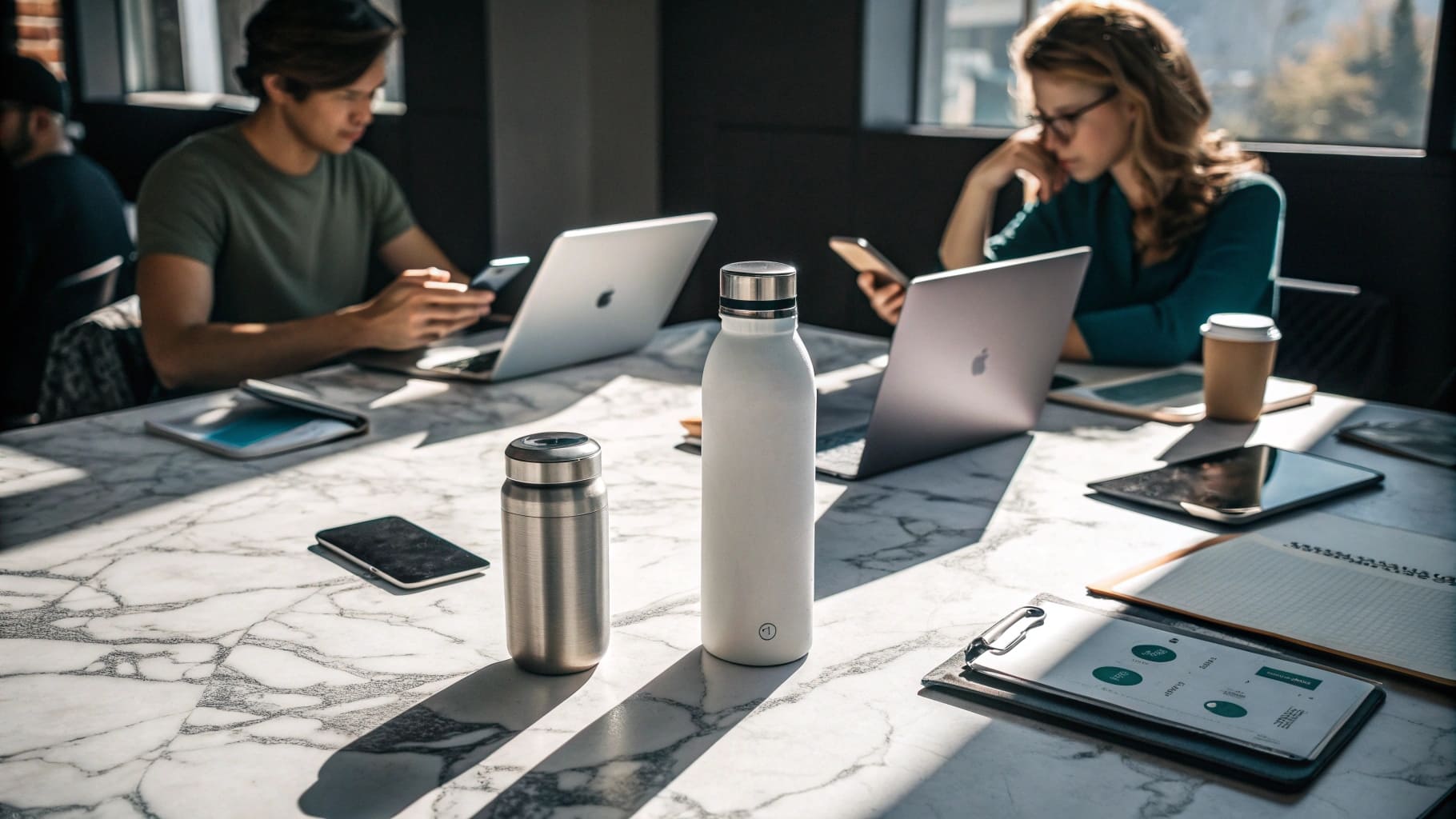
I will tell you about the partnership factors that matter most based on my experience working with both manufacturers and international buyers. These considerations go beyond production capability and affect your daily business operations.
Communication efficiency determines project success. I work with Chinese manufacturers daily, and I know that language barriers create real challenges. Look for suppliers with English-speaking sales teams who understand technical terminology. Test their response time by asking detailed questions before placing orders. Quality partners reply within 24 hours with substantive answers, not vague promises.
Flexibility in business terms shows a manufacturer's commitment to supporting your growth. When you start, you may need smaller order quantities to test the market. As you grow, you need volume production capacity. I recommend finding partners willing to start with 500 to 1000 piece minimum orders while having the capacity to scale to 50,000 or more pieces as your business expands.
| Partnership Factor | What to Verify | Why It Matters |
|---|---|---|
| Quality Control | Request inspection reports and testing protocols | Ensures consistent product quality across shipments |
| Payment Terms | Negotiate deposit and balance payment structure | Protects your cash flow during production cycles |
| Logistics Support | Confirm shipping options and documentation support | Reduces delays and customs complications |
| IP Protection | Sign NDA and non-compete agreements | Prevents manufacturers from copying your designs |
I emphasize intellectual property protection because I have seen manufacturers produce for multiple clients with similar designs. Before sharing your proprietary designs, sign non-disclosure agreements. Include non-compete clauses that prevent the manufacturer from selling identical products to other customers in your market. Register design patents or trademarks where possible to establish legal protection.
The payment structure affects your risk exposure. Standard terms typically involve 30% deposit upon order confirmation and 70% balance before shipment. I negotiate slightly better terms for clients with proven track records. Some manufacturers offer payment terms through trade assurance programs that protect both parties. Never agree to full prepayment unless you have verified the manufacturer through factory audits or trusted third parties.
How do Chinese manufacturers compare to other countries?
You are weighing whether to source from China or explore alternatives in Vietnam, India, or other countries. I understand this consideration because many buyers ask me about diversification strategies.
Chinese manufacturers currently lead in insulated drinkware production due to established supply chains, specialized equipment, technical expertise, and comprehensive service offerings that newer manufacturing regions have not yet developed at comparable scale and quality levels.
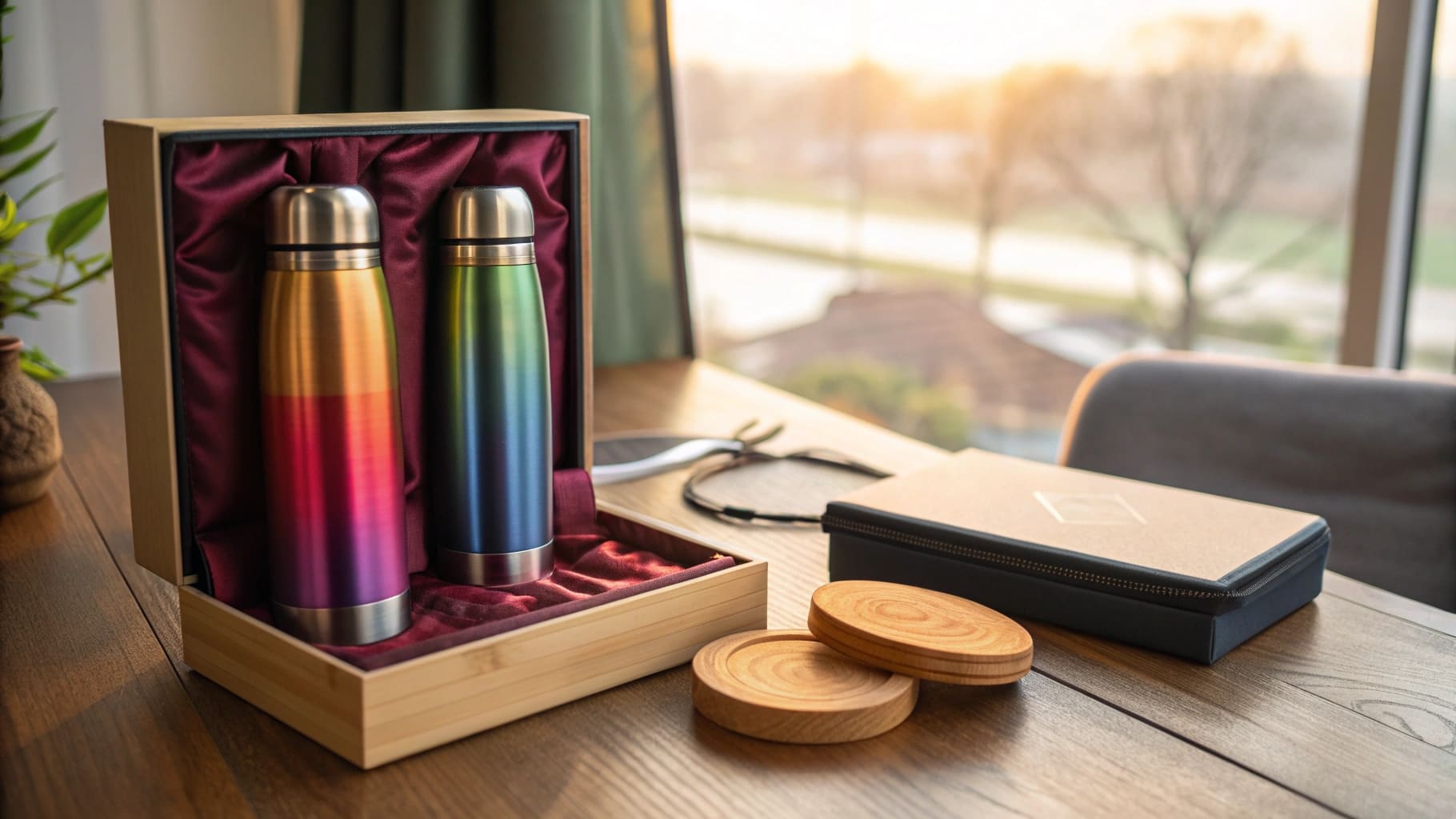
I have worked with manufacturers across Asia, and I can share practical insights about these comparisons. The question is not just about production cost but about total manufacturing capability and business efficiency.
China's advantage starts with supply chain depth. The entire ecosystem for stainless steel drinkware exists in concentrated industrial zones. Raw material suppliers, component manufacturers, decoration service providers, and packaging suppliers operate within the same region. This proximity reduces lead times, lowers logistics costs, and enables quick problem resolution. When I source a custom stainless steel water bottle with powder coating and laser engraving, I find all services within a 50-kilometer radius of the main factory.
Vietnam and India are developing manufacturing capabilities in this sector. I see growth in these markets, particularly for buyers seeking supply chain diversification. However, these newer manufacturing hubs face challenges. They lack specialized equipment for vacuum insulation technology. They have fewer experienced workers trained in precise metalworking for drinkware. They depend on imported raw materials and components that Chinese manufacturers produce domestically.
The technical expertise gap matters significantly. Chinese manufacturers have spent decades refining vacuum insulation processes, developing powder coating techniques, and perfecting leak-proof lid mechanisms. This knowledge does not transfer quickly. When I compare product samples from different countries, I consistently see better finish quality, tighter tolerances, and more reliable performance from established Chinese facilities.
Your decision should consider your specific priorities. If you need cutting-edge insulation technology and complex features, Chinese manufacturers currently offer the best capabilities. If your priority is supply chain diversification and you accept some quality or feature limitations, emerging markets provide alternatives. For my clients in the premium segment, I recommend Chinese manufacturers. For those in the value segment with simpler product requirements, I discuss alternatives based on their specific needs.
What trends are shaping OEM manufacturing in 2026?
Understanding industry trends helps you choose manufacturers positioned for future success. I track these developments because they affect my clients' long-term competitiveness.
Key trends shaping insulated bottle OEM manufacturing in 2026 include sustainable material adoption, smart technology integration, advanced decoration techniques, streamlined customization processes, and direct-to-consumer fulfillment services that support evolving business models.
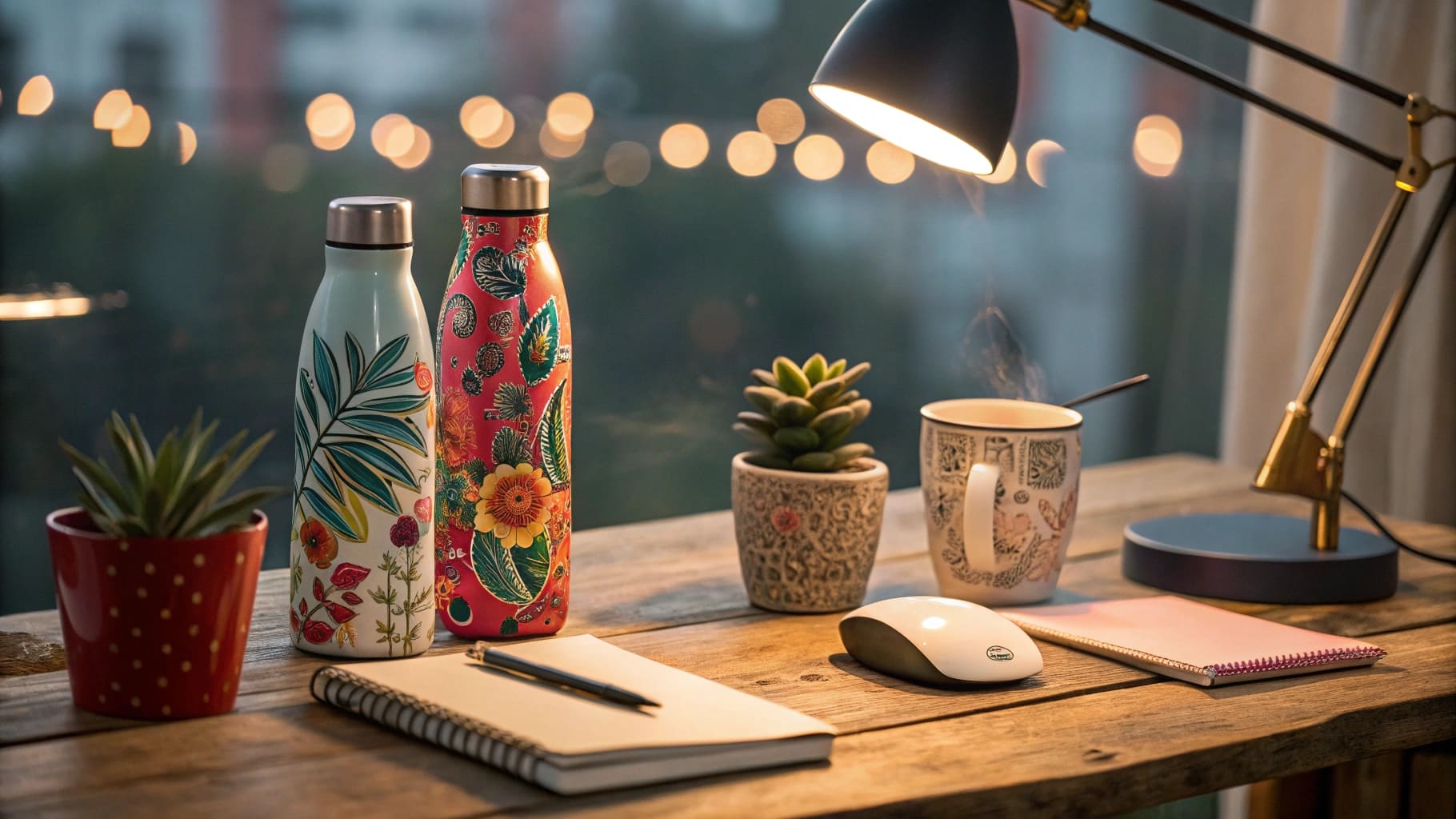
I will explain the trends I see affecting both manufacturers and buyers in the insulated drinkware market. These developments change what is possible and what customers expect.
Sustainability has moved from marketing language to manufacturing reality. Leading OEM partners now offer recycled stainless steel options that maintain the same quality as virgin material. They develop plastic-free packaging solutions using paper-based materials and biodegradable void fill. They implement energy-efficient production processes that reduce carbon footprints. When I discuss sustainability with manufacturers, I ask for specific data on material sourcing, energy consumption, and waste management. Top facilities provide detailed environmental impact reports.
Smart technology integration represents growing customer interest. I see manufacturers developing insulated bottles with temperature display lids, LED hydration reminders, and UV-C purification systems. These features require new manufacturing capabilities including electronic component integration, battery management systems, and sealed electrical connections. Not all manufacturers can handle these complex products. Those investing in smart bottle technology position themselves for premium market segments.
Decoration techniques continue advancing. Beyond traditional screen printing and heat transfer, manufacturers now offer permanent laser engraving, high-resolution water transfer printing, gradient powder coating effects, and 3D silicone attachments. These options let buyers create distinctive products without custom mold investments. I recommend exploring decoration capabilities when selecting OEM partners because unique visual appeal drives consumer purchase decisions.
Customization efficiency has improved dramatically. Modern manufacturers use digital design systems that generate 3D renderings within hours. They maintain libraries of standard mold components that combine in various configurations. They offer mix-and-match options for body shapes, lid styles, handle attachments, and base designs. This flexibility reduces minimum order quantities for custom products from 10,000 pieces to 1,000 or even 500 pieces in some cases.
The shift toward direct-to-consumer business models affects manufacturing services. I work with more clients who sell through their own websites or Amazon rather than traditional retail channels. They need manufacturers who provide individual product packaging, quality inspection photos, and small-batch fulfillment. Leading OEM partners now offer these services, recognizing that their customers' business models are changing.
Conclusion
Finding the right Chinese OEM partner requires evaluating specific capabilities beyond simple rankings. Focus on manufacturers who demonstrate quality certifications, comprehensive services, and clear communication while matching your business requirements and growth goals.
-
Discover the leading manufacturers in China for insulated straw bottles to ensure quality and reliability. ↩ ↩
-
Understand the benefits of triple-layer insulation for temperature retention in bottles. ↩
-
Learn about the benefits of automation in welding for consistent product quality. ↩
-
Explore the best practices for quality control in OEM manufacturing processes. ↩ ↩