
Cheap bottles hurting your brand? Poor quality causing complaints? Premium insulated bottles offer lasting value far beyond their initial price, benefiting your business significantly.
Insulated water bottles provide substantial value through enhanced brand reputation, superior customer satisfaction from durability and performance, and strong alignment with eco-conscious consumer demands. This justifies the higher initial investment.
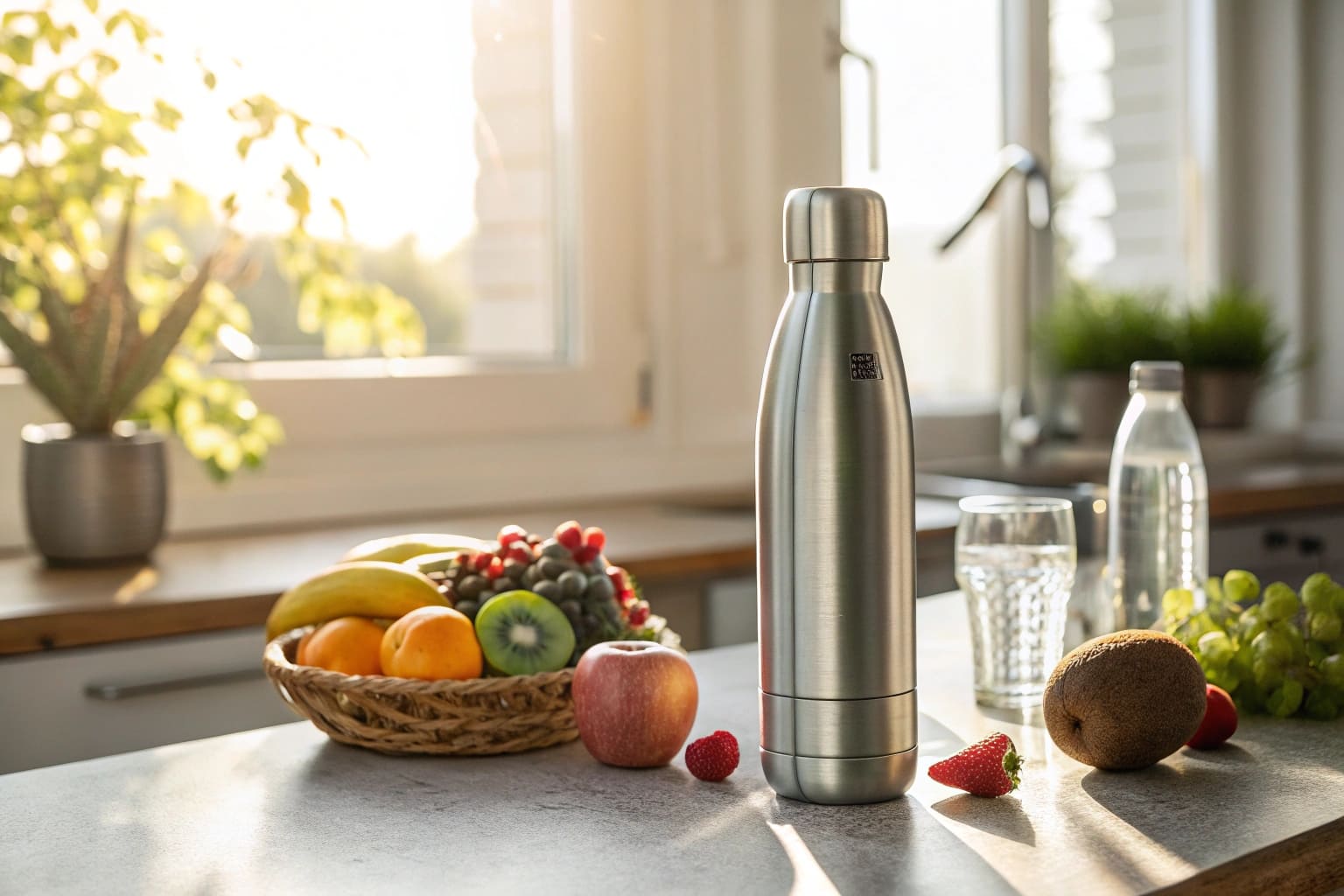
When I talk to experienced buyers, like Mark Shenng from Canada, we often discuss the true cost of a product. It's not just the price tag. Mark, who sources stainless steel water bottles for his distribution business, understands that focusing only on the unit cost can be a short-sighted strategy, especially when dealing with markets in America and Europe. He knows that the real value lies in the product's ability to perform, last, and reflect well on his brand. Let's explore why looking beyond the initial price of insulated water bottles is a smart move for your business.
How do you dispose of insulated water bottles?
Worried about product end-of-life? Unsure how to guide customers on bottle disposal? Show your brand's commitment to sustainability by understanding and communicating proper recycling practices.
Most insulated stainless steel water bottles are highly recyclable. The main stainless steel body can usually go into standard metal recycling streams. Lids and seals might need separate handling.
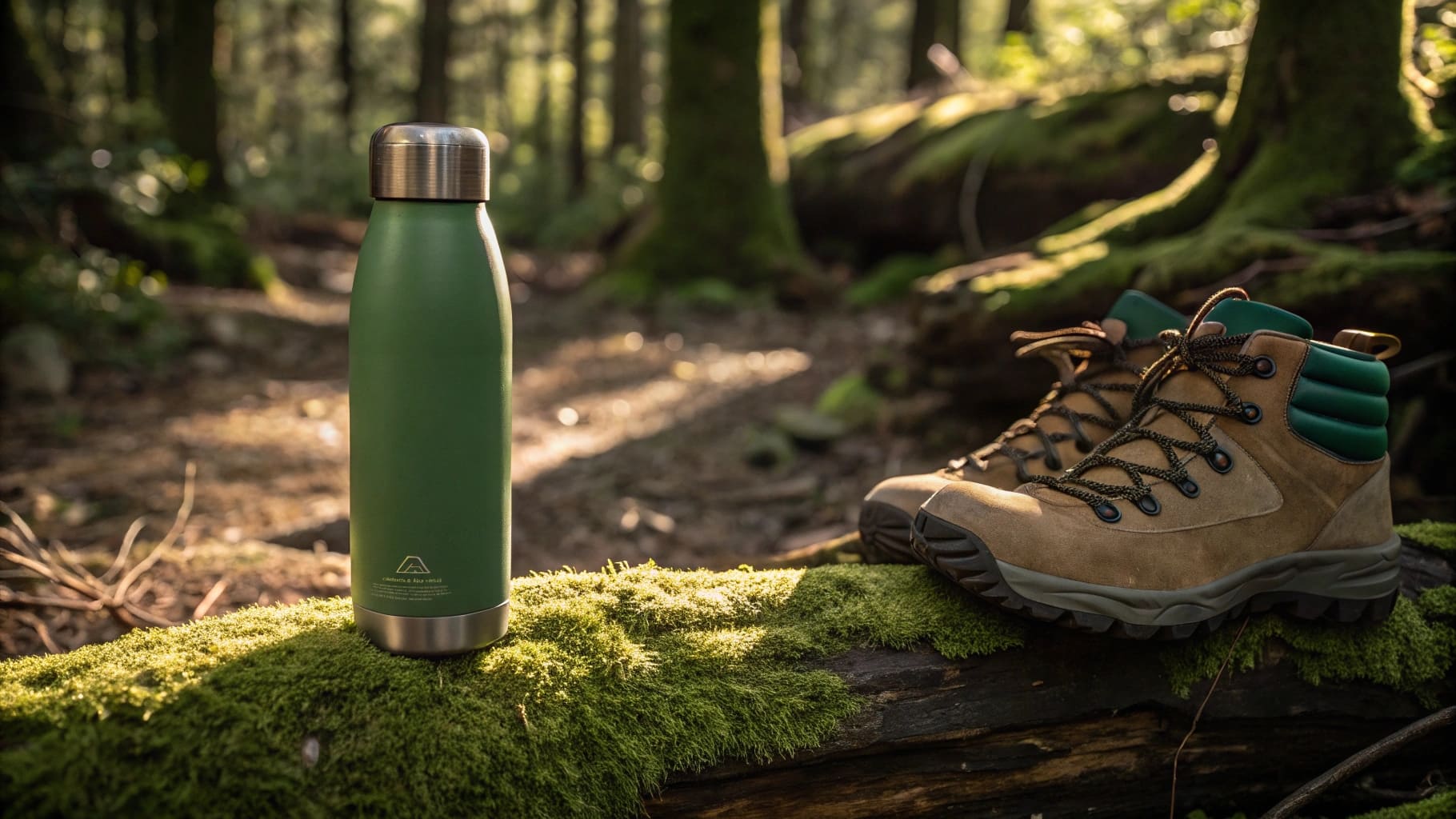
Understanding the disposal process for insulated water bottles is key for businesses like mine at Icobottle, and for my clients who distribute these products. It's a question that increasingly comes up, especially from environmentally conscious customers.
Material Breakdown and Recyclability
Most quality insulated bottles are made primarily from stainless steel, often grades like 18/8 (304). This material is fantastic because it's durable and highly recyclable. When the bottle reaches the end of its life, the steel body can be melted down and reused without losing its quality. This is a major selling point. I always emphasize this to my clients, as it aligns with the growing demand for sustainable products.
However, a bottle isn't just steel. There are other components:
- Lids: These can be complex. Some are all stainless steel, others have plastic parts (often PP #5, which is recyclable in many areas), and silicone gaskets.
- Silicone Seals/Gaskets: Silicone is technically recyclable, but it's not typically accepted in household curbside programs. Specialized facilities are often needed.
- Exterior Coatings: Powder coating or paint. These are generally not an issue for steel recycling processes.
Here’s a simple breakdown for disposal guidance:
| Component | Material | Recyclability Notes |
|---|---|---|
| Bottle Body | Stainless Steel | Widely recyclable with metals. |
| Lid (Plastic) | Polypropylene (PP) | Check local recycling; often #5 plastic is accepted. |
| Lid (Stainless) | Stainless Steel | Recyclable with metals. |
| Gasket/Seal | Silicone | Specialized recycling; less common curbside. |
| Protective Sleeve | Silicone/Neoprene | Separate for specialized recycling if available. |
Brand Responsibility and Consumer Guidance
As a B2B supplier, I encourage my clients to provide clear disposal instructions to their end-users. This could be a small note on the packaging or information on their website. It shows responsibility and helps customers make eco-friendly choices. For instance, suggesting that users separate the lid from the body can improve the recycling outcome. If a lid has multiple materials, advising on how to disassemble it (if feasible) or check local guidelines is also helpful. I’ve found that B2B buyers, especially those targeting European markets, highly value suppliers who consider these lifecycle aspects. It makes their brand look better.
What is the small packet in water bottle?
Ever found a little packet inside a new bottle? Concerned it's just unnecessary packaging? This small item actually plays a crucial role in maintaining product quality.
The small packet typically found in a new water bottle is a desiccant. Its purpose is to absorb any moisture during shipping and storage, preventing odors or damage.
That small packet, often overlooked, is a testament to a manufacturer's commitment to quality control. At Icobottle, we use them because we want our products to reach our clients, and ultimately their customers, in perfect condition.
Why is it There?
The primary reason for including a desiccant is moisture absorption. Think about the journey a water bottle takes:
- Manufacturing: Even in a clean environment, some ambient moisture can be present.
- Packaging: Bottles are sealed into boxes.
- Shipping: They might travel across oceans, experiencing temperature and humidity fluctuations. This is common for products we ship from China to America or Europe.
- Storage: They could sit in a warehouse for a period.
During these stages, trapped moisture can lead to problems:
- Odor: Stale or musty smells.
- Mold/Mildew: In extreme cases, especially if organic residues were present.
- Potential for Rust (on non-stainless parts or if low-grade steel was used elsewhere): Though less common with quality stainless steel.
The desiccant, usually silica gel, food-grade clay, or sometimes activated charcoal, acts like a tiny sponge, soaking up this excess moisture. This ensures that when the end-user opens their new bottle, it's fresh and clean. I remember a client, Mark, specifically asking about this. He was relieved to know it was a quality measure, not a random inclusion.
Types of Desiccants and Safety
| Desiccant Type | Common Material(s) | Key Features | Safety Notes |
|---|---|---|---|
| Silica Gel | Silicon Dioxide | High absorption capacity, common. | Non-toxic, but often says "Do Not Eat" to avoid choking hazard. |
| Clay Desiccant | Montmorillonite Clay | Natural, effective, often food-grade. | Non-toxic, environmentally friendly. |
| Molecular Sieves | Zeolites | Very effective at low humidity, more specialized. | Non-toxic. |
It's important that the desiccant is food-grade or at least safe for proximity to a food-contact surface. Reputable manufacturers ensure this. We always tell customers to simply discard the packet before first use. It’s a small detail, but it speaks volumes about product care from factory to consumer. For procurement officers, knowing these details confirms that the supplier is thinking about the entire product journey and final quality.
What is the lifespan of a hydroflask?
Customers asking how long their premium bottle will last? Want to offer products that stand the test of time? High-quality insulated bottles are built for many years of reliable use.
A quality insulated stainless steel bottle, like a Hydro Flask or similar premium brands such as those we produce at Icobottle, can easily last for many years, often over a decade with proper care.
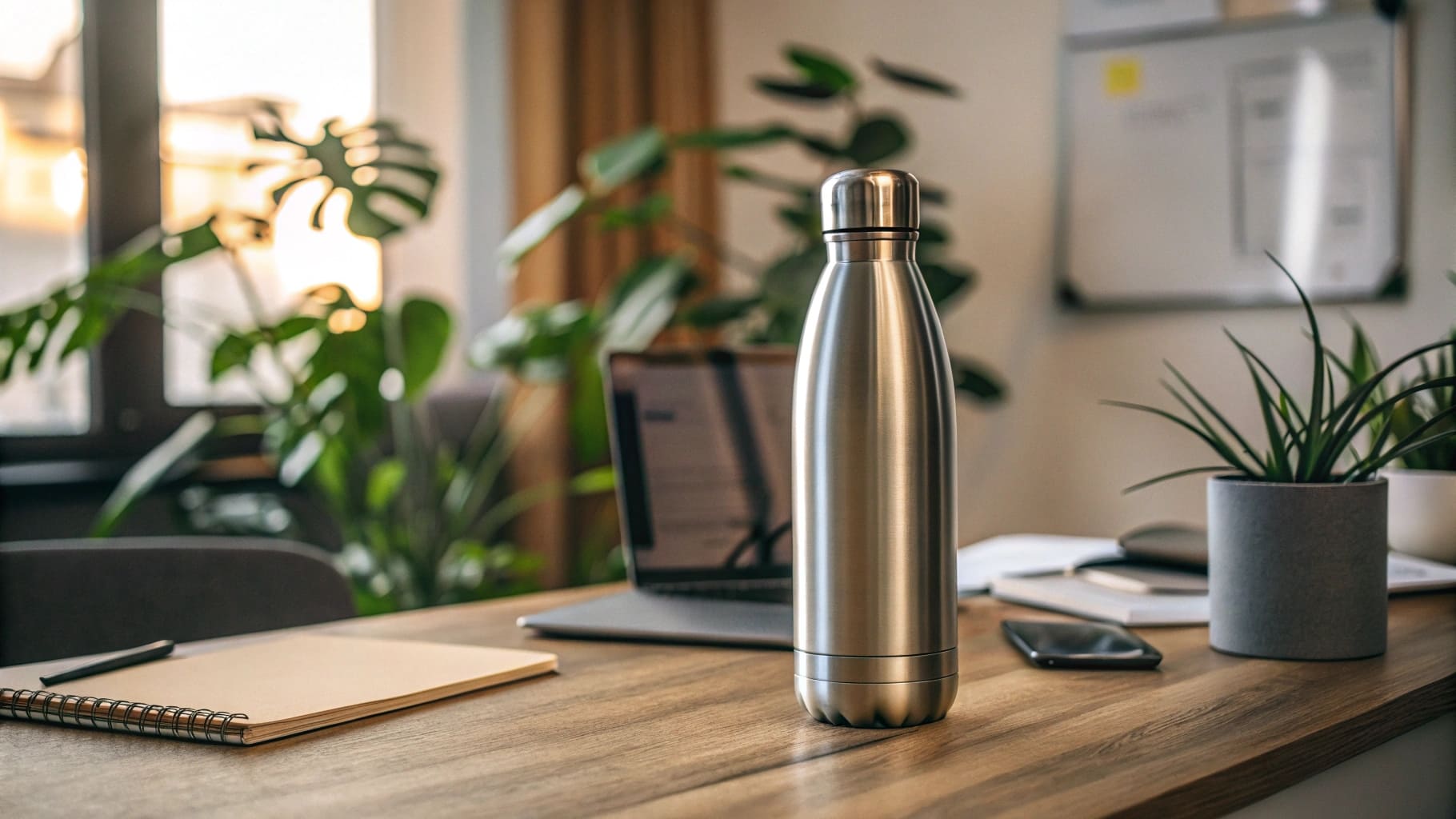
When B2B buyers like Mark evaluate insulated stainless steel water bottles, the lifespan is a critical factor. It directly impacts customer satisfaction and the perceived value of the product. If you're importing bottles for resale, you want to offer something that lasts, justifying a premium price point.
Factors Influencing Longevity
The lifespan of an insulated bottle isn't just a random number. Several key elements contribute to its durability:
-
Material Quality: This is paramount.
- Stainless Steel Grade: Most high-quality bottles, including ours at Icobottle, use 18/8 (Type 304) stainless steel. Some specialized applications might use Type 316 for even greater corrosion resistance. Lower-grade steel can rust or impart flavors.
- Wall Thickness: Thicker walls generally mean a more robust bottle, resistant to dents. However, there's a balance with weight.
-
Construction & Welding:
- Vacuum Insulation Integrity: The double-wall vacuum is what keeps drinks hot or cold. If this seal is compromised (e.g., by a severe dent or poor weld), the insulation fails. Quality manufacturing ensures a robust seal.
- Weld Quality: Seams, especially at the bottom of the bottle, must be perfectly welded to prevent leaks and maintain structural integrity. I’ve seen cheap bottles fail here.
-
Lid Design and Material: Lids are often the first point of failure. A durable lid, made from quality plastics (like BPA-free polypropylene) or stainless steel, with robust threads and hinges (if applicable), contributes significantly to the bottle’s overall lifespan.
-
Care and Maintenance: How the end-user treats the bottle matters.
- Cleaning: Regular cleaning prevents buildup and odors. Most stainless steel bottles are easy to clean. Some are dishwasher safe (top rack), but handwashing is often gentler on coatings.
- Avoiding Major Impacts: While durable, a hard drop onto a concrete surface can dent any steel bottle, potentially compromising the vacuum seal.
Lifespan Comparison
| Bottle Type | Typical Lifespan | Key Considerations |
|---|---|---|
| Premium Insulated SS | 5-15+ years | High-grade steel, good construction, proper care. |
| Budget/Cheap Insulated SS | 1-3 years | Thinner steel, potential seal failure, lid breakage. |
| Plastic Reusable Bottles | 1-5 years | Can degrade, scratch, absorb odors/stains. |
| Single-Use Plastic Bottles | Single Use | Environmental impact, not designed for longevity. |
Investing in a bottle made with quality materials like 304 or 316 stainless steel means it can serve the user for many, many years. This durability is a huge selling point. It offers end-users an excellent return on their investment. More importantly for my B2B clients, it strongly appeals to the growing consumer demand for sustainable, long-lasting products over disposable items. When I explain this to procurement officers, they understand that a slightly higher upfront cost translates to a better product, happier customers, and a stronger brand image for them. It’s a win-win.
Conclusion
Insulated bottles offer lasting value through durability, eco-friendliness, and quality assurance. These benefits truly justify their cost for discerning B2B buyers and enhance brand perception.