
What tumbler capacities sell fastest in 2026: 20 oz vs 30 oz vs 40 oz?
You might be ordering the wrong tumbler sizes for your inventory. Most B2B buyers still split their orders evenly across all capacities. This approach leaves you with slow-moving stock taking up warehouse space.
The 40 oz tumbler dominates sales velocity in 2026, capturing over 55% of market volume1. This size delivers all-day hydration without refills. Your product mix should reflect this reality: 40 oz forms your core offering, 30 oz serves as backup, and 20 oz targets specific niches.
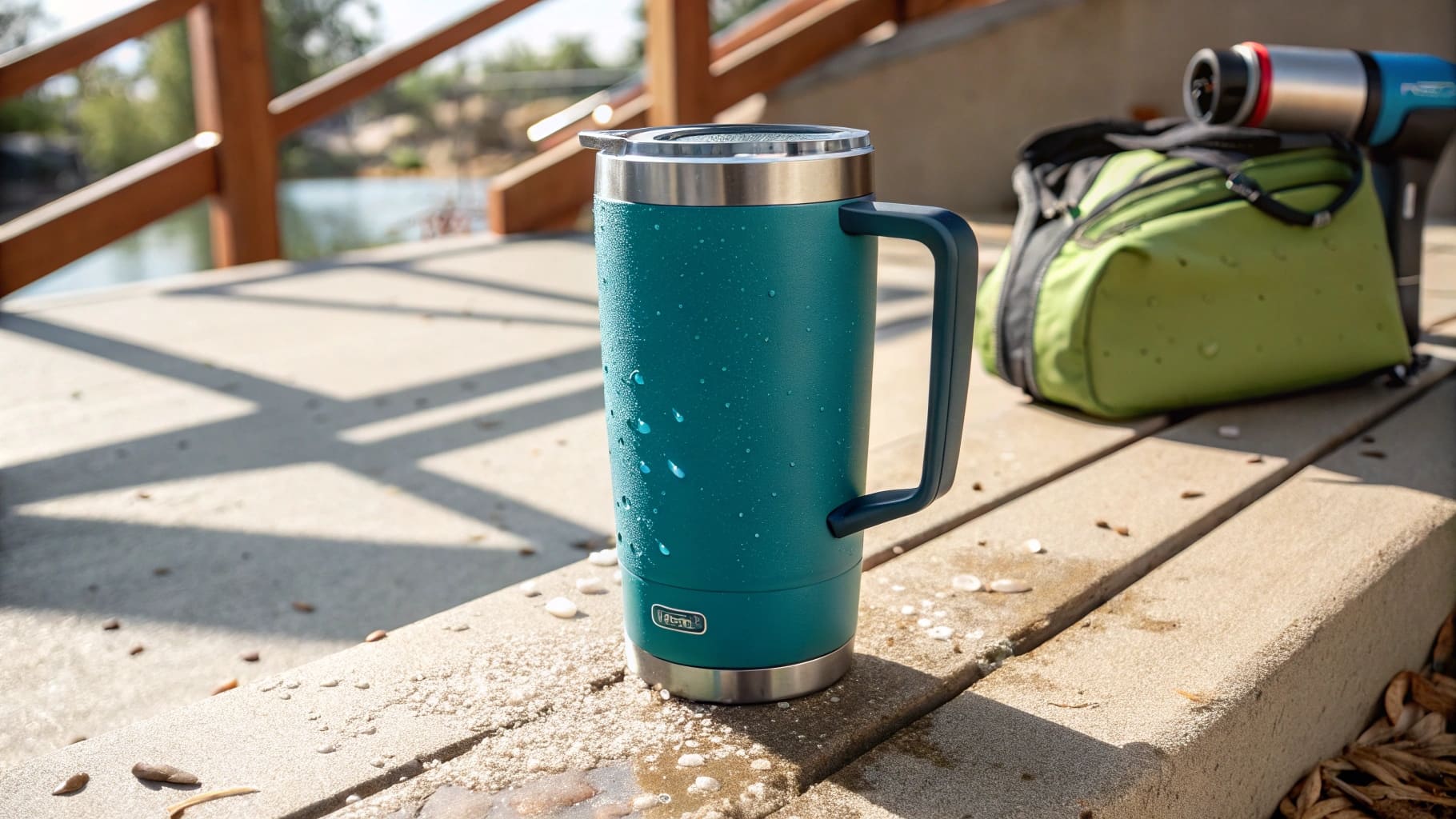
I've tracked tumbler orders from North American buyers for the past eight months. The pattern is obvious. Every buyer who came back for a second order increased their 40 oz ratio. Some went from 30% to 70% in just one reorder cycle.
What is the most popular size tumbler?
Most buyers assume the 30 oz size leads the market. This belief comes from older data when people wanted moderate capacity. The market has moved past this thinking and embraced larger formats.
The 40 oz capacity owns the tumbler market now, with 30 oz serving as the secondary option. The 20 oz size exists mainly for coffee drinkers and compact-preference customers. Stanley's success with their 40 oz Adventure Quencher proved this shift is permanent.
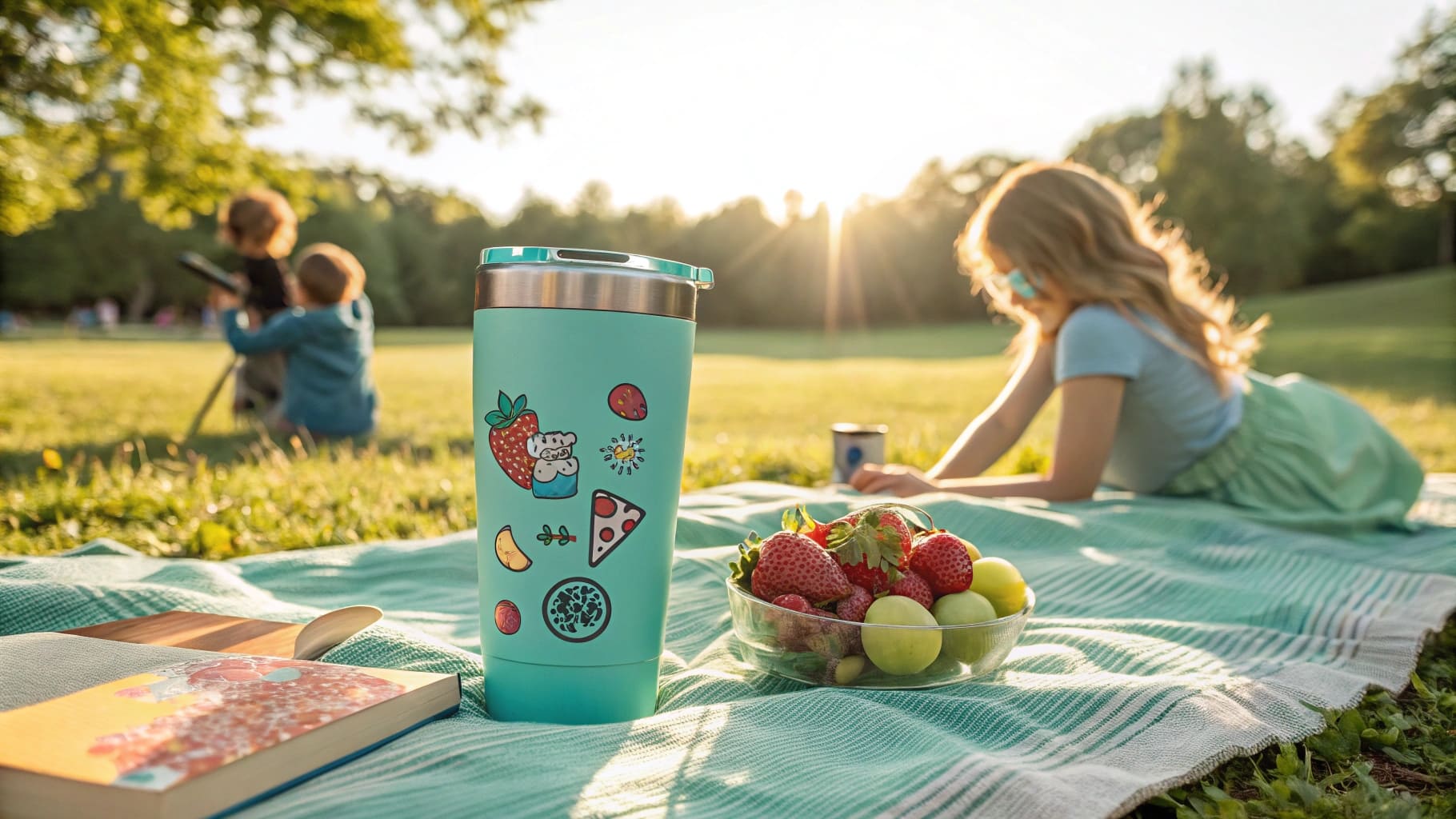
Why 40 oz became the standard
The 40 oz size matches modern lifestyle patterns. People carry tumblers to offices where refills are inconvenient. Gym sessions last 60-90 minutes and require substantial water intake. Commuters spend hours in cars without access to water sources.
I noticed this trend when a Canadian distributor placed three consecutive orders. His first order split quantities equally across all sizes. His second order shifted to 50% at 40 oz. His third order went to 65% at 40 oz. He explained his retail data showed customers specifically requested the largest size.
| Capacity | Market Share 2026 | Primary Use Case | Growth Trend |
|---|---|---|---|
| 20 oz | 15% | Coffee, compact carry | Declining -3% YoY |
| 30 oz | 30% | Moderate hydration | Stable 0% YoY |
| 40 oz | 55% | All-day hydration | Growing +8% YoY |
The numbers tell you where to place your inventory investment. The 40 oz size keeps growing while smaller capacities lose ground or stay flat.
What drives 40 oz demand
Three factors push buyers toward 40 oz tumblers. First is hydration goals. Health-conscious consumers aim for 80-100 oz daily water intake. A 40 oz tumbler requires only two fills to hit this target. Second is convenience. Fewer refills mean less interruption during work or travel. Third is value perception. Customers feel they get more for their money with larger capacity.
What is the most popular size of Stanley cup?
Many buyers try to copy Stanley without understanding which of their products actually sells. Stanley makes several sizes but one capacity drives their revenue. Getting this wrong means your inventory sits unsold.
The Stanley Adventure Quencher in 40 oz represents their bestselling configuration. This product created the current large-capacity trend across the entire tumbler industry. Their 30 oz and 20 oz versions exist but generate significantly lower sales velocity.
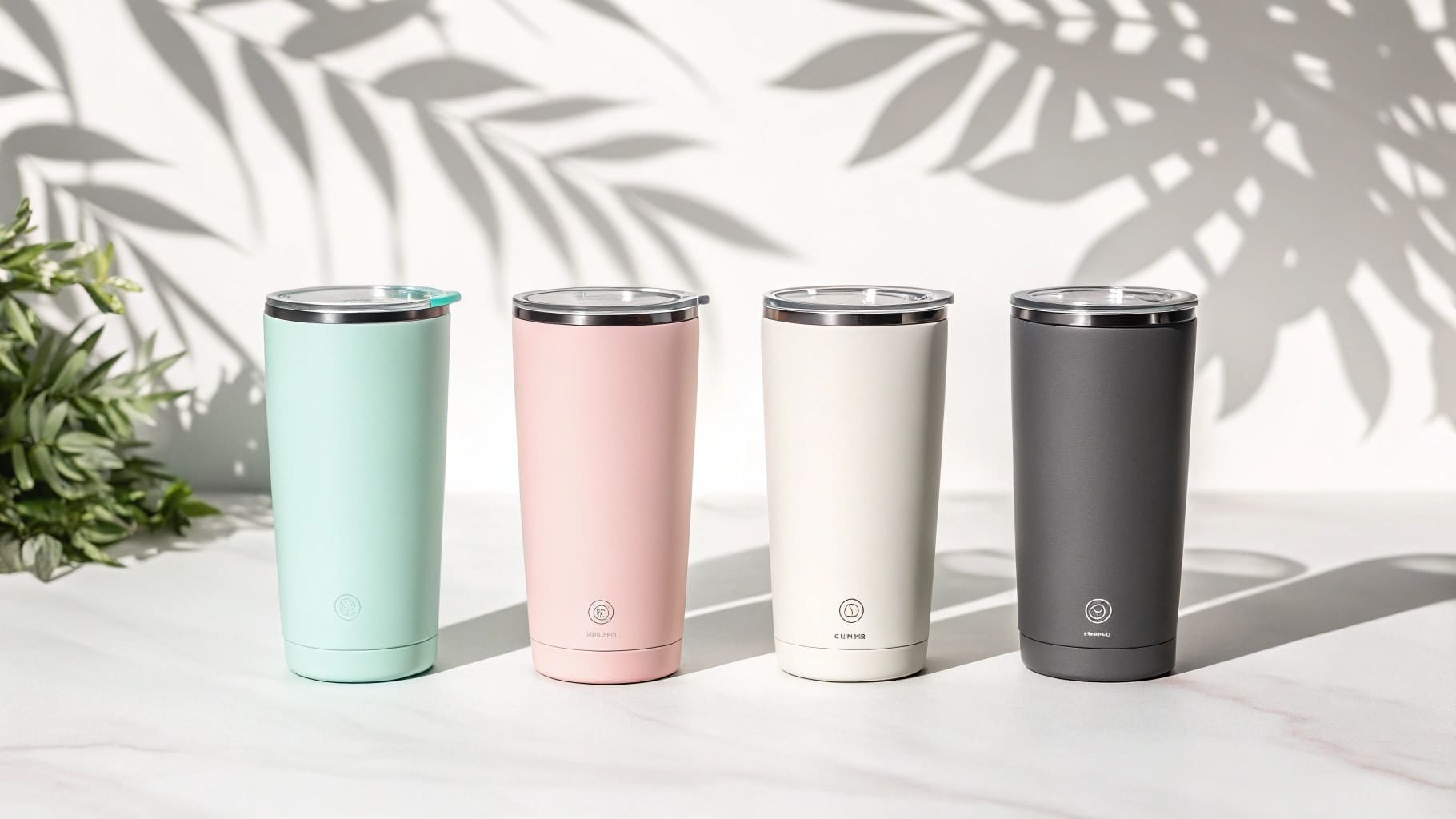
How Stanley shaped market preferences
Stanley launched their Adventure Quencher in 40 oz and it became a cultural phenomenon. Social media coverage amplified demand beyond typical drinkware sales patterns. Other brands rushed to copy the format. Now every tumbler manufacturer offers a 40 oz version with similar design elements.
I remember when buyers first started asking for Stanley-style tumblers. They all specified 40 oz with a handle and straw. Nobody asked for the smaller versions. This told me the market had decided which size mattered.
Stanley's product line reality
| Stanley Size | Retail Popularity | Design Features | Target Customer |
|---|---|---|---|
| 20 oz | Low | Compact, no handle | Coffee drinkers |
| 30 oz | Moderate | Mid-size option | Casual users |
| 40 oz | Dominant | Handle, straw, large capacity | Primary market |
The 40 oz version accounts for most of Stanley's tumbler revenue. Your product development should follow this proven market signal rather than offering every possible size.
Key design elements that matter
The 40 oz success isn't just about capacity. Stanley combined size with specific features that customers wanted. The ergonomic handle makes carrying easy despite the weight when full. The straw and lid system allows drinking without tipping. The base diameter fits most car cup holders at 3.1 inches. These details matter as much as the capacity number.
How many ounces are most tumblers?
Generic tumbler descriptions often list multiple sizes without guidance on what customers actually buy. This creates confusion for B2B buyers planning their inventory mix. The data shows clear patterns.
Most tumblers sold in 2026 measure 40 oz capacity, with 30 oz as the second most common size. The 20 oz format serves niche uses. Newer 50 oz options are emerging but remain specialty items for extreme hydration needs.
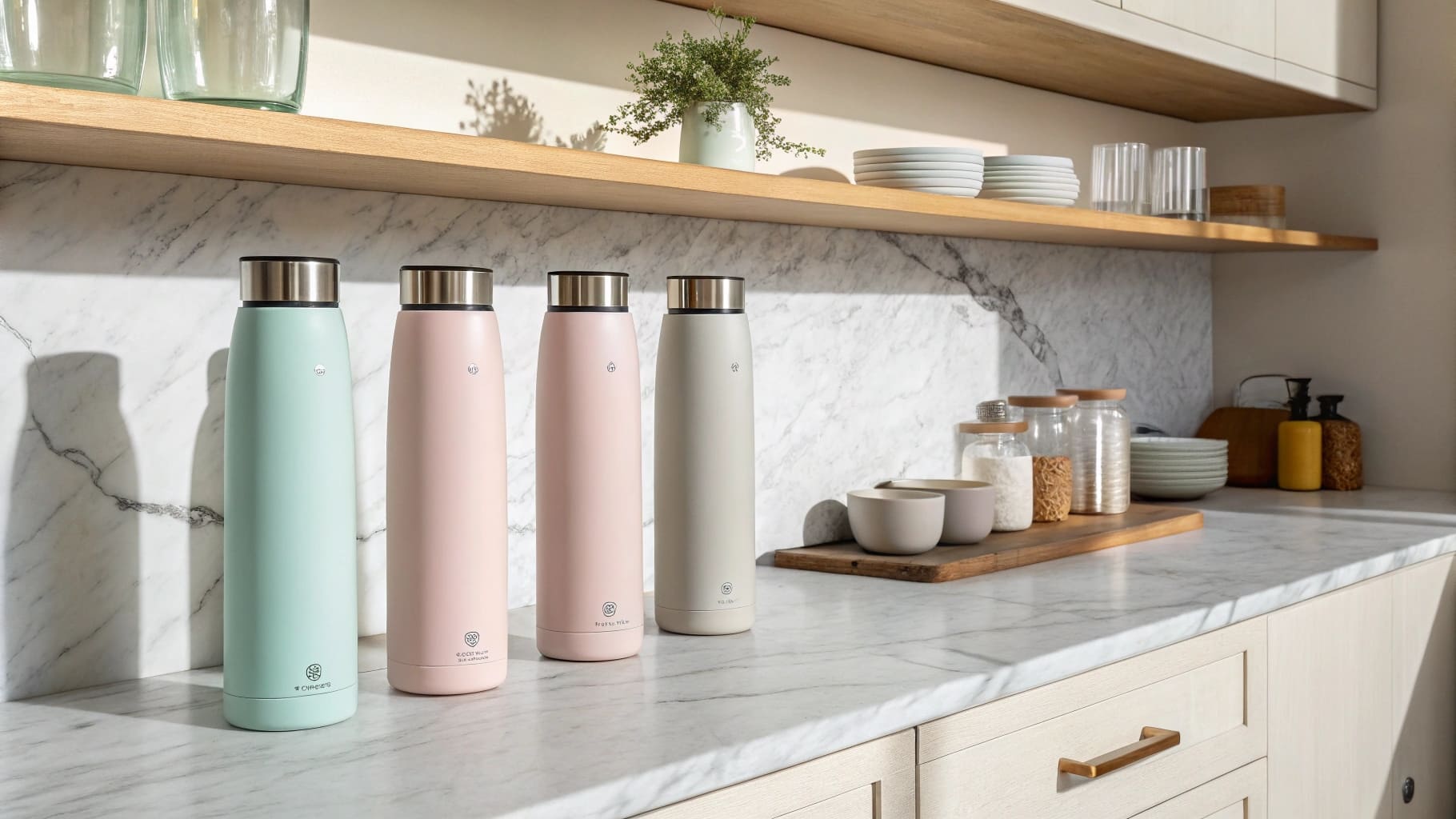
Standard capacity progression
The tumbler industry standardized around specific capacity points. These sizes emerged from practical use cases rather than random numbers. The 20 oz size matches traditional coffee shop serving sizes. The 30 oz capacity doubled the standard 15 oz water bottle. The 40 oz size provides a full workday of hydration.
I've noticed buyers who understand their end customers skip straight to 40 oz focus. New buyers often want variety until their sales data proves which size moves fastest. This learning process costs them inventory dollars tied up in slow sellers.
Capacity distribution in orders
| Order Profile | 20 oz % | 30 oz % | 40 oz % | Buyer Experience Level |
|---|---|---|---|---|
| First-time buyer | 30% | 35% | 35% | Testing market |
| Second order | 20% | 30% | 50% | Learning from data |
| Established buyer | 10% | 25% | 65% | Optimized mix |
The table shows how buyers adjust their mix after seeing real sales data. Experienced buyers concentrate heavily on 40 oz because it delivers the fastest inventory turn.
Regional variations
North American markets show the strongest preference for 40 oz tumblers. European buyers lean slightly more toward 30 oz due to different drink size expectations and smaller vehicle cup holders. Australian markets follow North American patterns. These regional differences affect your capacity mix if you serve specific geographic markets.
Why 50 oz isn't mainstream yet
Some manufacturers push 50 oz tumblers as the next big thing. The data doesn't support this prediction for general market adoption. The 50 oz size works for outdoor enthusiasts and extreme athletes. Regular consumers find it too heavy when full and awkward to carry. The sweet spot remains at 40 oz for mass market appeal.
Conclusion
The 40 oz capacity should form 55-65% of your tumbler inventory in 2026, with 30 oz at 25-30% and 20 oz filling remaining demand. This mix matches actual market velocity and minimizes slow-moving stock.
-
Learn about the dynamics of market volume to make informed inventory decisions. ↩
