
What Tariff and HS Codes Apply to Flasks? Duty, COO Marks, and DDP Math
Getting the wrong HS code on your flask import can freeze your shipment at customs.1 One wrong number costs you time, money, and your peak sales season.
The most common HS codes for stainless steel vacuum flasks are 9617.00.10 (capacity under 1 liter) and 9617.00.40 (capacity over 1 liter). The base duty rate is often zero. But Section 301 tariffs, COO marking rules, and DDP fees can still add significant cost to every unit you bring in.
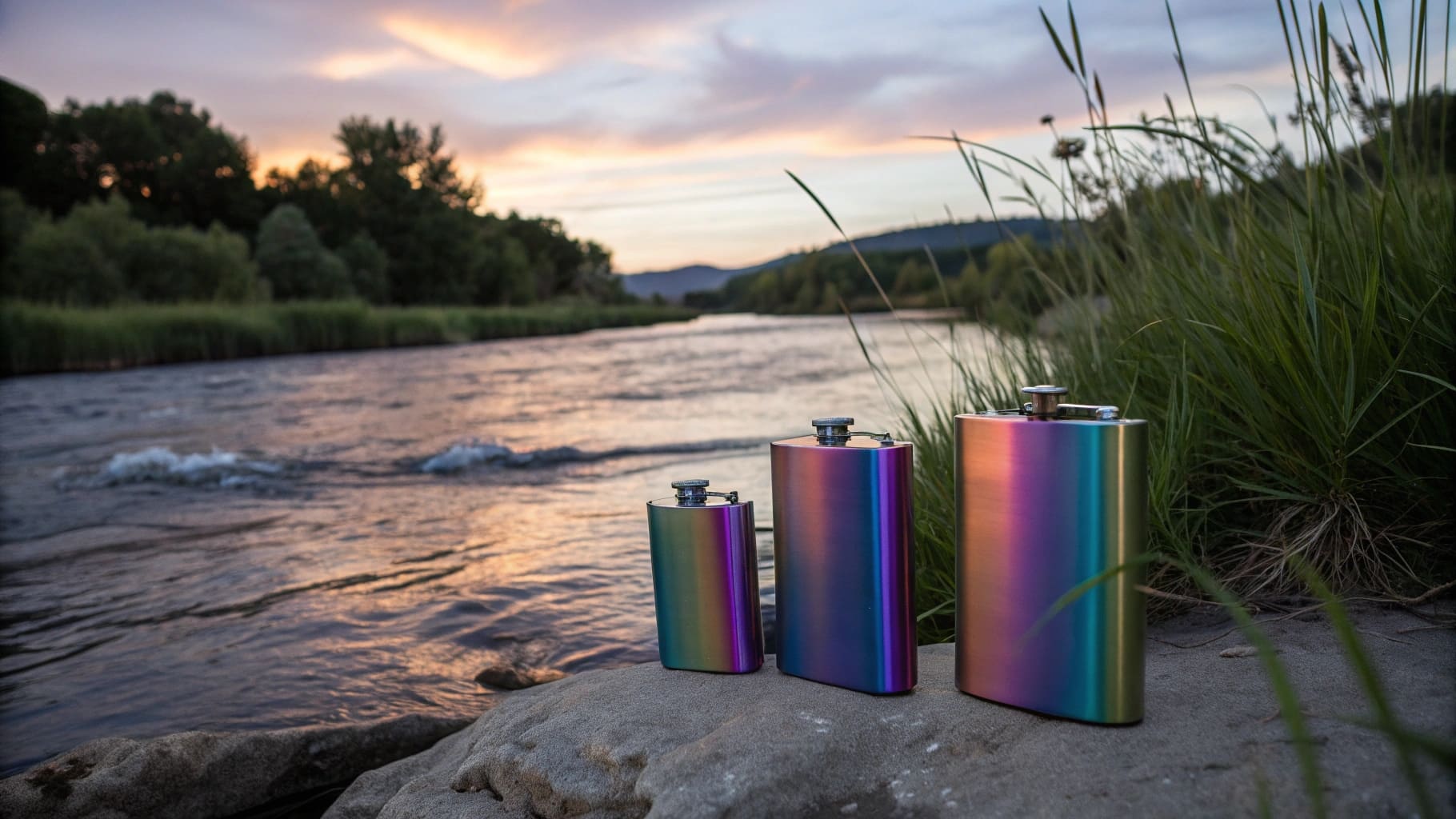
Most buyers I talk to focus entirely on unit price. They get a good FOB quote from a Chinese supplier and think the math is done. It is not done. The real landed cost is built from at least five separate line items, and missing any one of them will throw off your profit margin. This article walks through each one so you can build an accurate cost model before you place your order.
What Is a Flask Used For?
You probably already know what a flask does. But the answer is less obvious than it sounds, and it changes how you classify the product at customs.
A flask is a portable container designed to hold liquids at a stable temperature or for discreet transport. Depending on the design, it can hold hot beverages, cold water, or spirits. The intended use affects which HS code applies and which marketing language will work for your target market.

The word "flask" covers several different product types, and each type sits in a different part of the customs classification system. Knowing which type you are importing is the first step to getting your paperwork right.
Flask Types and Their HS Code Implications
| Flask Type | Typical Use | HS Code Range |
|---|---|---|
| Vacuum insulated flask (under 1L) | Hot/cold beverages | 9617.00.10 |
| Vacuum insulated flask (over 1L) | Large-volume beverages | 9617.00.40 |
| Hip flask (flat, pocket-sized) | Spirits, liquor | 7326.90 or 8309 range |
| Lab flask | Scientific use | 7017 range |
| Stainless steel water bottle | Cold/room temp water | 7323.93 range |
The classification matters because each code carries a different duty rate and different risk of Section 301 tariffs. A vacuum-insulated flask under 9617 may have a zero base duty rate. A stainless steel bottle under 7323.93 may face a 25% Section 301 tariff if it is made in China. That one difference can change your unit cost by several dollars.
I have seen buyers order 10,000 units and only discover the tariff difference after the goods arrived at port. The surprise cost hit their margin hard. Getting the right HS code before you order is not a formality. It is a financial decision.
When you source from me at Icobottle, I provide the correct product documentation and help you identify the right classification for your specific product. That saves you time with your customs broker and removes one source of risk from your supply chain.
What Is the Role of a Flask?
The role of a flask sounds like a basic question. But for B2B buyers, it connects directly to how you position the product and how you calculate your full landed cost.
A flask serves as a personal or promotional drinkware item. In the B2B market, flasks are used as branded corporate gifts, retail products, and bulk promotional items. The role it plays in your business model determines which market it competes in and what price your buyer is willing to pay.
Understanding the role of the flask also helps you calculate DDP cost accurately. A cheaper product is not always the right product. A low FOB price can come with poor COO markings, missing certifications, or materials that fail safety tests in your target market. All of those problems add cost at the border or after the sale.
How DDP Math Works for Flask Imports
DDP stands for Delivered Duty Paid.2 It is the total cost to get one unit from the factory to your warehouse. Here is how each component adds up for a standard stainless steel flask imported from China.
| Cost Component | Estimated Amount per Unit |
|---|---|
| FOB unit price | $5.00 |
| Ocean freight (per unit share) | $0.40–$0.60 |
| Customs brokerage (per unit share) | $0.10–$0.20 |
| Harbor maintenance fee | ~$0.01 |
| Merchandise processing fee | ~$0.03 |
| Section 301 tariff (if applicable, 25%) | $1.25 |
| Inland freight to warehouse | $0.20–$0.40 |
| Total DDP estimate | $7.00–$7.60 |
The base duty on vacuum flasks under 9617 is often zero. But Section 301 tariffs apply to a wide range of Chinese-made goods, including many stainless steel products. Your customs broker will tell you whether your specific product is affected. I always recommend confirming this before you finalize your order quantity, because it directly changes whether your pricing is competitive in Canada or the U.S.
COO marking is another cost factor that buyers underestimate. U.S. Customs and Border Protection requires that every imported flask be permanently marked in English with its country of manufacture. "Made in China" must be legible and placed where it cannot be removed by normal handling. If the marking is missing or non-permanent, customs can hold the shipment.3 That hold costs you storage fees, broker fees, and in a worst case, the loss of a full selling season.
At Icobottle, all products are marked correctly before they leave the factory. I have built that step into our standard production process because I know it is one of the most common failure points for buyers who work with smaller or less organized suppliers.
What Do Americans Call Flasks?
Americans use different words for what you might call a flask. This is not just a language detail. It changes your SEO strategy, your product listing, and how your buyers find you online.
In the United States, the word "flask" usually means a flat, pocket-sized metal container for liquor. When Americans want an insulated bottle for water or coffee, they say "water bottle," "insulated bottle," or "tumbler." They rarely search for "flask" when looking for everyday drinkware.

This language difference is a real problem for B2B sellers who use the wrong keyword in their product listings. If you are selling stainless steel insulated bottles to American distributors or companies, and you label them as "flasks," you are targeting the wrong search intent. The buyer looking for a corporate water bottle will not find you.
American Drinkware Terminology
| Term Used | What Americans Mean | Right Context to Use It |
|---|---|---|
| Flask | Flat pocket container for spirits | Gift shops, barware, adult novelty |
| Water bottle | Insulated or non-insulated drink bottle | Sports, office, promotional products |
| Tumbler | Wide-mouth insulated cup, often no lid seal | Coffee, desk use, commuter gifts |
| Insulated bottle | Any vacuum-sealed portable bottle | General B2B promotional products |
| Travel mug | Sealed lid mug for hot drinks on the go | Coffee brands, corporate gifting |
For Mark, who buys bottles in China and resells them in Canada under his own brand, this terminology matters at two levels. At the sourcing level, it affects what he searches for when looking for suppliers on Google. At the retail level, it affects how he labels and markets the product to his own customers.
I have worked with buyers who came to me searching for "stainless steel flask" and ended up ordering stainless steel water bottles, because that was what their end customers actually needed. The product was right. The name was causing confusion.
If your end market is North American consumers or corporate buyers, use the terms "stainless steel water bottle" or "insulated tumbler" in your product listings, RFQ requests, and marketing materials. Those are the terms your buyers are actually typing into Google. That alignment between your product language and your buyer's search language is what drives inbound traffic and makes your sales process easier.
Conclusion
Correct HS codes, proper COO markings, and an accurate DDP calculation protect your margin and keep your shipments moving. Get the terminology right and the math works in your favor.
-
"[PDF] Tariff Classification - U.S. Customs and Border Protection", https://www.cbp.gov/sites/default/files/documents/icp017r2_3.pdf. U.S. Customs and Border Protection guidance explains that importers are responsible for accurate tariff classification and that incorrect entry information can lead to examination, delays, penalties, or corrective action; this supports the customs-risk context rather than proving that every misclassification results in a hold. Evidence role: general_support; source type: government. Supports: An incorrect HS code can delay or disrupt customs clearance for imported flasks.. Scope note: Contextual support only; the exact outcome depends on the shipment, port review, and customs discretion. ↩
-
"Know Your Incoterms - International Trade Administration", https://www.trade.gov/know-your-incoterms. The International Chamber of Commerce defines DDP as Delivered Duty Paid, an Incoterms rule under which the seller bears delivery obligations including import clearance and duties at the named destination. Evidence role: definition; source type: institution. Supports: DDP means Delivered Duty Paid.. Scope note: Incoterms define obligations between buyer and seller; they do not by themselves calculate the actual landed cost per unit. ↩
-
"Country of origin marking of medical kits. - CROSS Ruling", https://rulings.cbp.gov/ruling/H237742. CBP regulations on country-of-origin marking provide for marking duties, redelivery, or other enforcement action when imported articles are not legally marked, supporting the risk that noncompliant goods may be delayed or held for correction. Evidence role: mechanism; source type: government. Supports: Missing or non-permanent country-of-origin markings can cause customs enforcement action or shipment delays.. Scope note: The precise enforcement action varies by port, entry status, and whether the defect can be corrected under customs supervision. ↩
