
What MOQ and lead time suit reusable water bottles for Q1 corporate buys?
Your Q1 campaign timing depends on getting orders right. Miss the window and your branded bottles arrive after launch day. I see this happen every year with buyers who underestimate production cycles.
Most manufacturers require 3,000 pieces minimum with 30-day production time. Stock items may allow 500-piece orders. Place orders by late November for Q1 delivery. Custom designs add 5-7 days for sample approval.
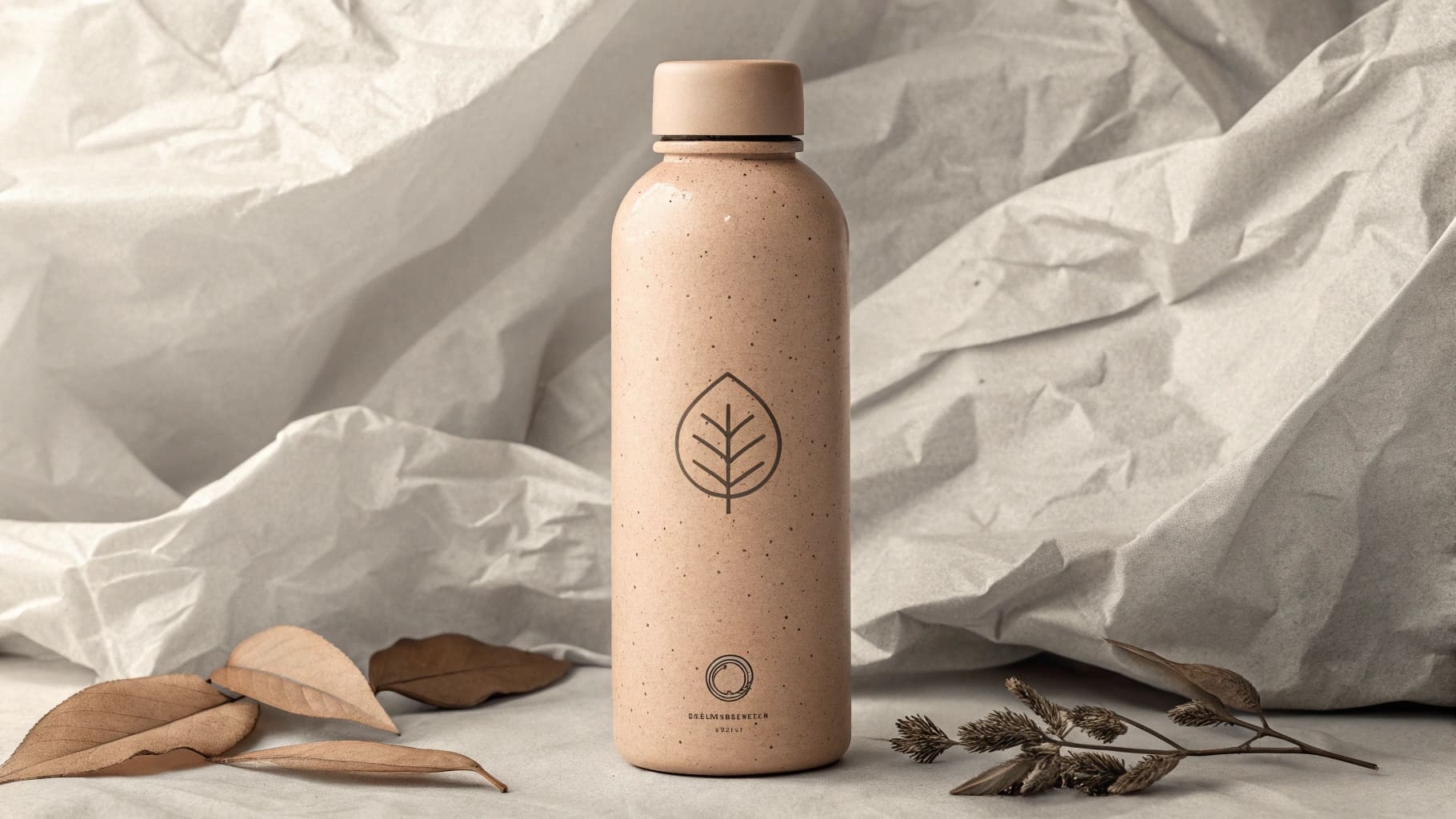
I work with corporate buyers who plan months ahead and others who scramble last minute. The difference shows in their campaign results. The buyers who understand MOQ requirements and production timelines secure better pricing and hit their launch dates. Let me share what actually works when you source reusable water bottles1 for corporate programs.
What is the market trend for reusable water bottles?
Corporate buyers want bottles that match their brand story. The old approach of basic stainless steel no longer cuts it. I watch purchasing decisions shift as companies seek products that reflect their values.
The market shows clear movement toward material diversity and multi-function designs2. Stainless steel remains dominant but hybrid options like bamboo-wrapped exteriors gain traction. Wide-mouth designs accommodate ice cubes and various beverages beyond water.
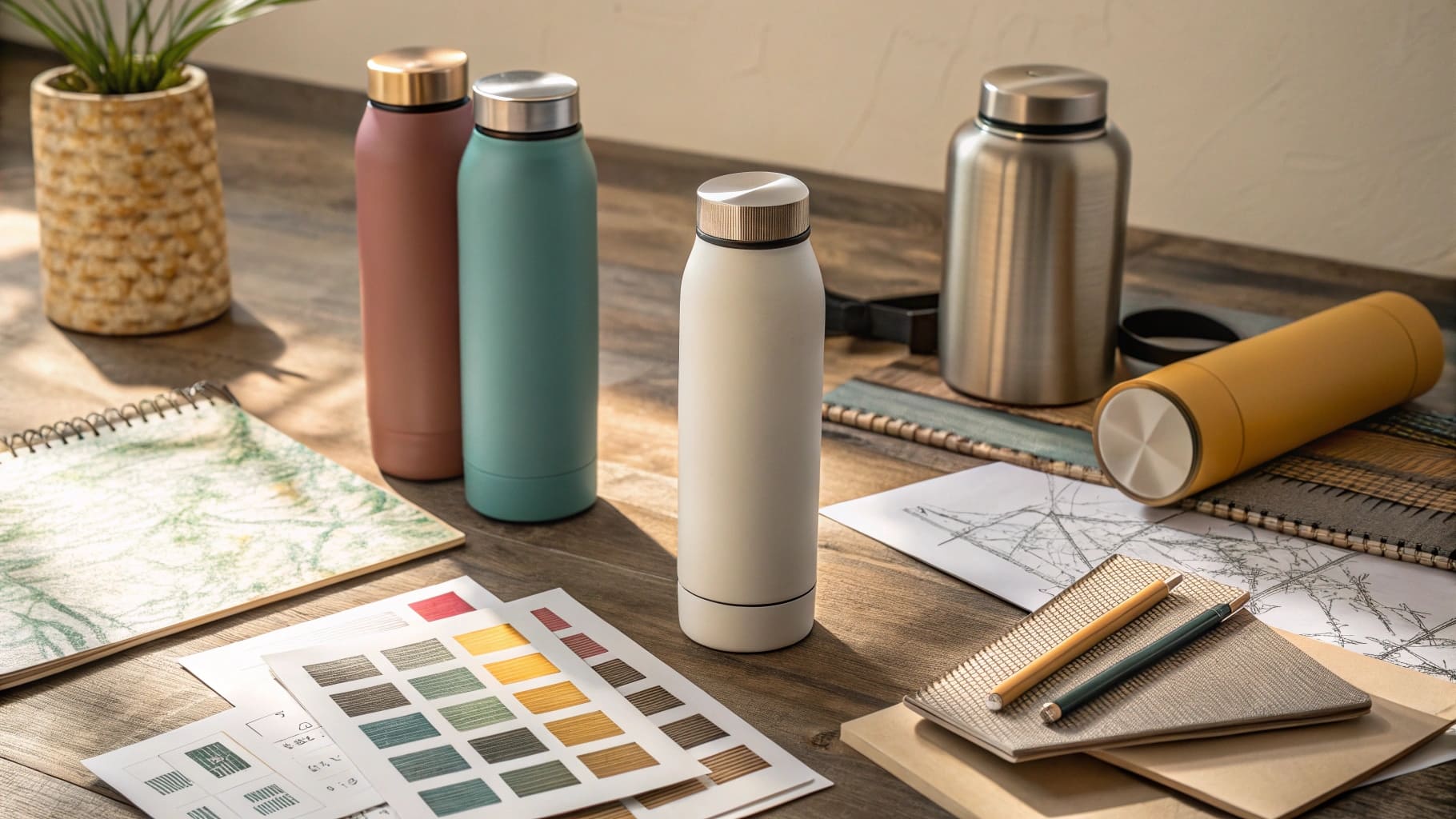
The material landscape has expanded beyond what I offered five years ago. Food-grade 304 stainless steel still forms the foundation, but buyers now ask about combinations. They want stainless steel interiors for safety paired with bamboo, wood, or textured powder coatings on the exterior. This dual-material approach lets them show sustainability commitment while maintaining the durability that stainless steel provides.
Function drives the second major trend. Buyers no longer accept bottles limited to water only. They need products that handle sports drinks, coffee, juice, and smoothies. Wide-mouth openings have become standard requests rather than special features. The reason makes sense when you think about daily use. Nobody wants to struggle fitting ice cubes through a narrow opening or deal with residue buildup in hard-to-clean crevices.
I also see growing interest in protective features. Silicone boots, paracord handles, and powder-coated finishes all respond to the reality that corporate gifts get dropped, scratched, and thrown in bags. Buyers recognize that a damaged bottle reflects poorly on their brand, so they invest in protective elements that extend both function and appearance.
Who is the target audience for reusable water bottles?
Corporate programs serve three distinct groups. Each group has different expectations. What works for employee wellness gifts fails for executive client appreciation. I help buyers match bottle specs to their actual recipients.
Reusable water bottles target all ages and demographics, but corporate buyers should focus on three segments. Employee wellness programs need durable daily-use items. Client appreciation requires premium presentations. Trade show distributions demand cost-effective brand visibility with broad appeal.
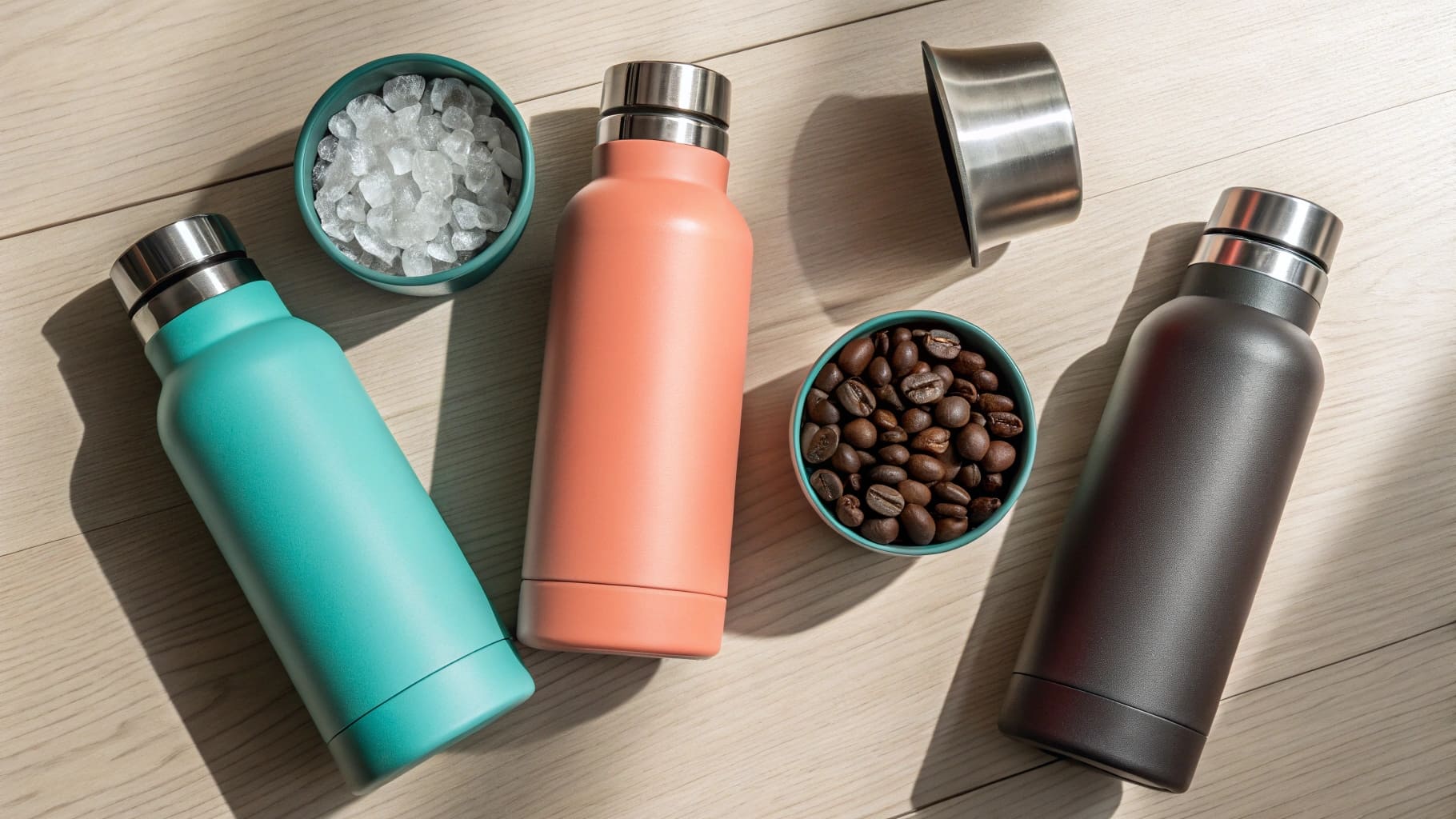
Employee wellness initiatives form my largest order category. These buyers purchase 1,000 to 5,000 pieces for internal distribution. The bottles become daily office items that reinforce company culture. For this segment, buyers prioritize durability over luxury aesthetics. They want bottles that survive desk falls, dishwasher cycles, and being tossed in gym bags. Functionality matters more than premium finishes. I typically recommend powder-coated stainless steel with silicone boots3 for this group because the bottles maintain appearance through heavy use.
Client appreciation programs operate differently. These orders run smaller, usually 100 to 500 pieces, but buyers allocate higher per-unit budgets. The bottles serve as relationship-building tools with existing business partners. For this audience, presentation quality matters enormously. Brushed stainless steel, bamboo accents, or titanium options create the premium impression these buyers want. The recipients often include executives and decision-makers who already own multiple water bottles, so the product needs to stand out through superior design or unique features.
Trade show and promotional distributions target prospects rather than established relationships. These programs need cost efficiency at scale, often 3,000 to 10,000 pieces. The bottles function as brand awareness tools distributed broadly. For this segment, I guide buyers toward stock items with logo printing rather than fully customized designs. The goal is maximum impressions per dollar spent, so we focus on popular sizes, reliable materials, and quick turnaround rather than unique specifications.
What is the lifespan of a reusable water bottle?
Product longevity directly impacts your brand exposure value. A bottle used for months delivers limited returns. One that stays in rotation for years multiplies your investment. I evaluate lifespan through material choice and user behavior patterns.
Quality stainless steel bottles using 304 or 316 grades offer multi-year durability under normal use. Glass and titanium options provide similar longevity. Actual lifespan depends on material quality, protective features, and user behavior rather than a fixed timeline.
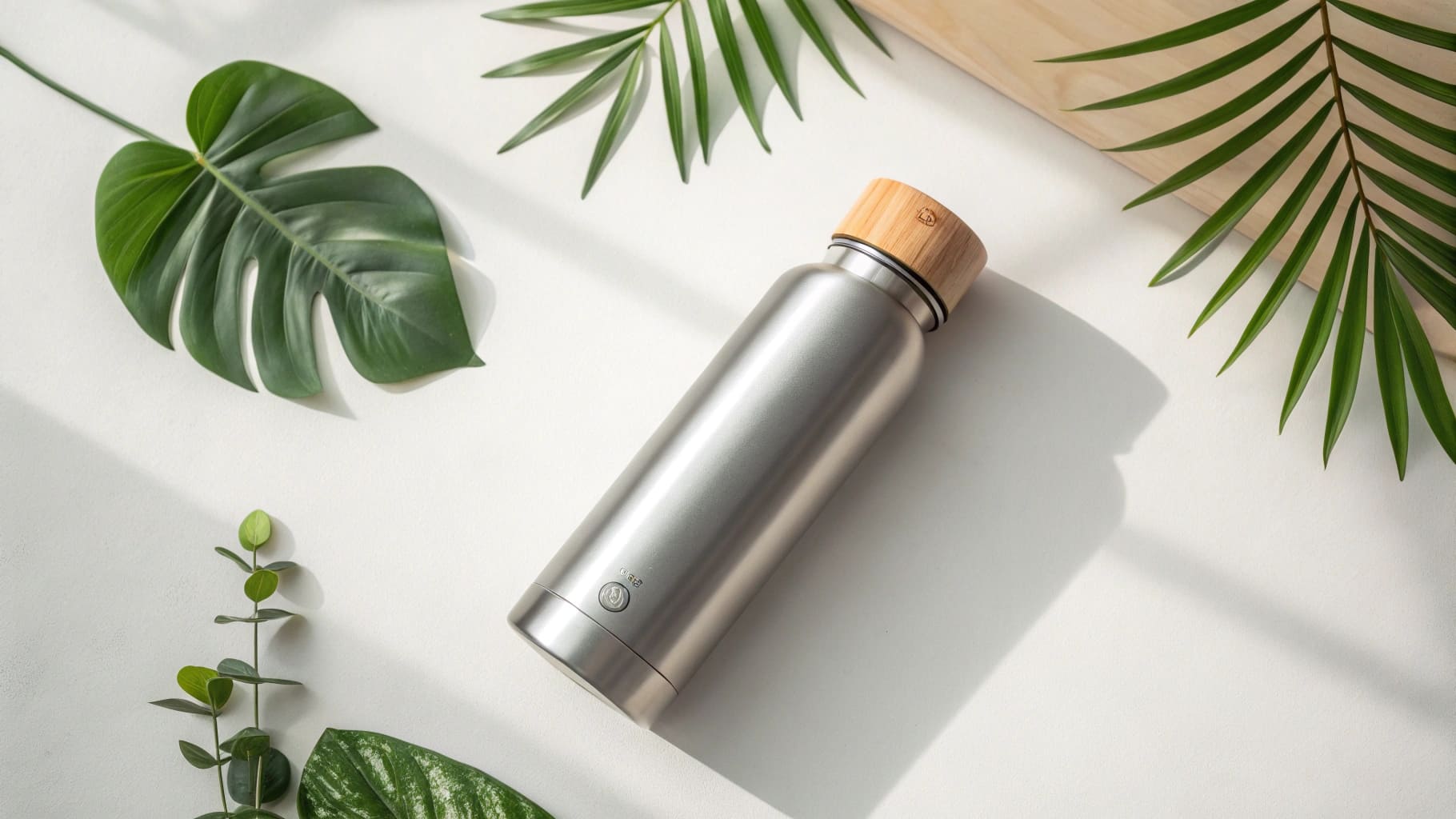
Stainless steel bottles using food-grade 304 material form my volume business because they balance durability with cost. The material resists corrosion, maintains structural integrity through drops, and survives temperature extremes. I have customers report bottles still in daily use after three to five years. The key factors that extend this lifespan include protective silicone boots that absorb impact, powder coating that prevents scratches, and wide-mouth designs that allow thorough cleaning to prevent buildup.
Glass bottles appeal to buyers focused on purity and taste neutrality, but they require more careful handling. The silicone sleeves I offer with glass bottles help extend lifespan by protecting against the drops that would otherwise shatter them. For corporate gifting, glass works best for office environments where recipients use bottles at their desks rather than during commutes or gym sessions.
Premium buyers sometimes request titanium options. These deliver exceptional longevity because titanium resists corrosion better than stainless steel and weighs less. The higher cost per unit limits titanium to executive gifting programs, but the extended lifespan and premium positioning justify the investment for some brands.
The real variable in bottle lifespan is user behavior rather than material limits. Bottles lost on public transit or left at coffee shops obviously end their useful life regardless of material quality. Bottles that maintain their visual appeal stay in rotation longer because users feel proud carrying them. This is why I always recommend protective features for corporate orders. A bottle with visible dents or scratched logos gets retired early even if it still functions perfectly. The silicone boots, powder coating, and quality printing I offer all serve to extend the period where bottles remain visually presentable and continue delivering brand exposure.
Conclusion
Q1 corporate orders need 3,000-piece MOQ and 30-day lead time planning. Material trends favor hybrid designs. Target your specific audience segment. Quality bottles deliver multi-year brand exposure value.