
What Finishes and Coatings Resist Spirits in Stainless Steel Hip Flasks?
You bought a premium hip flask but worry the alcohol might damage the coating. Your customers complain about metallic taste. You need the right finish to protect your investment.
The best finishes for spirit resistance are powder coating on 18/8 food grade stainless steel1. This combination creates a protective barrier that withstands acidic alcoholic compounds while maintaining taste integrity and durability.
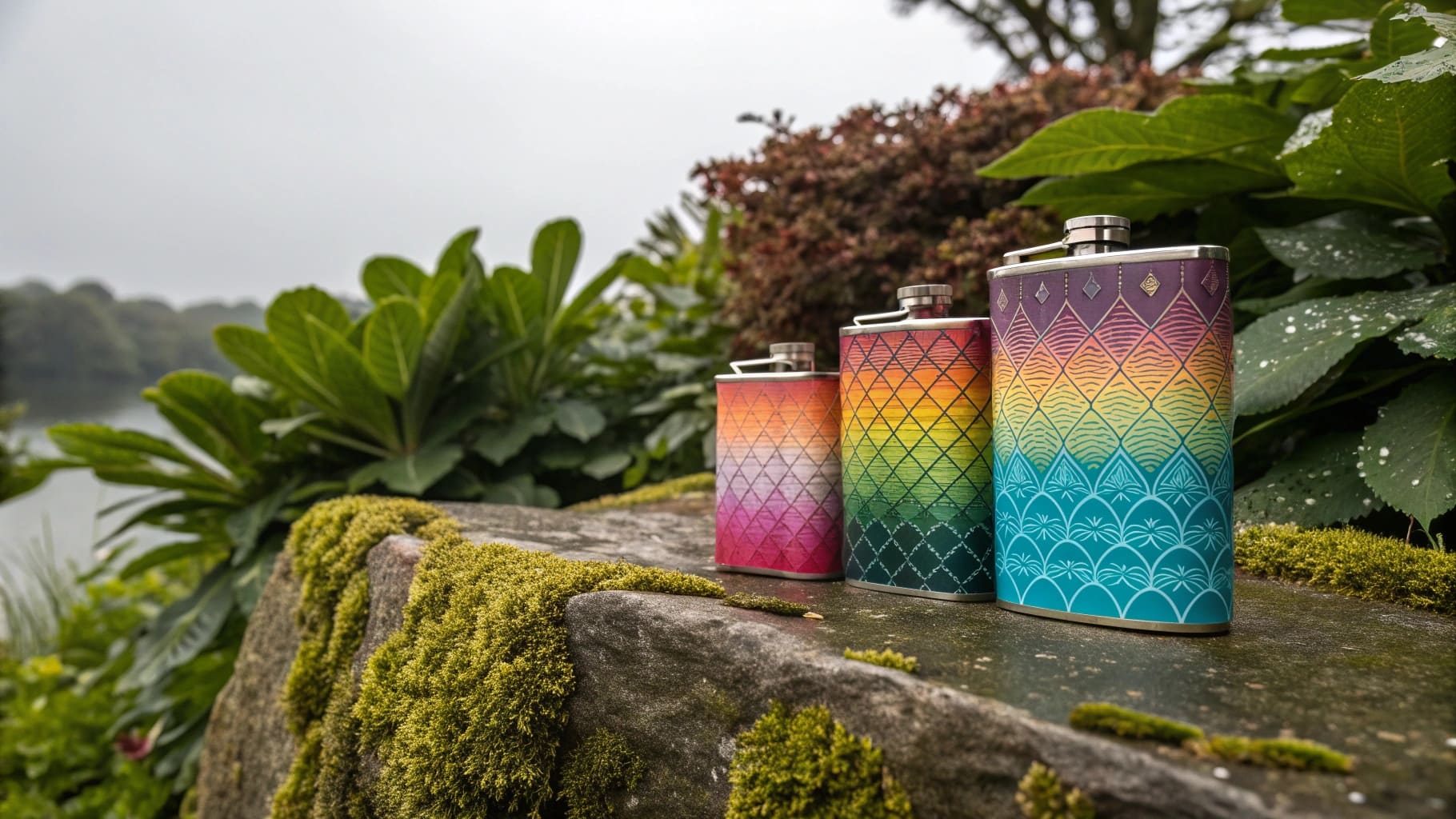
I learned this the hard way when a client returned 500 units because the wrong coating degraded after three months. Now I make sure every flask we produce uses materials that actually work with spirits. Let me share what really matters when choosing finishes for hip flasks.
Can You Leave Alcohol in a Stainless Steel Flask?
You filled your flask weeks ago and forgot about it. Now you wonder if the whiskey is still safe. Your end customers ask you the same question.
Yes, you can safely leave alcohol in 18/8 stainless steel flasks for extended periods. The chromium and nickel content creates natural corrosion resistance that prevents chemical reactions with spirits.
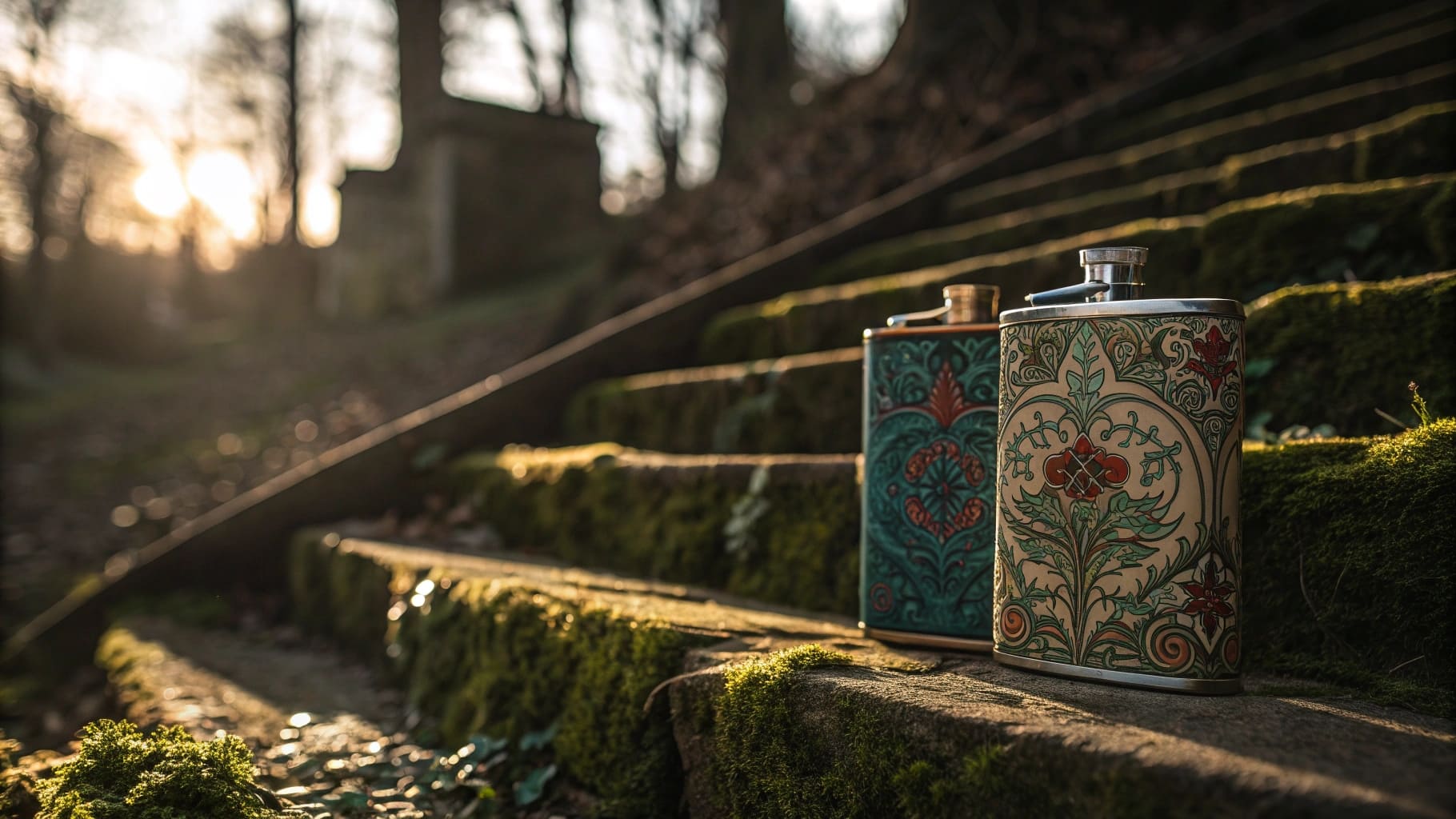
The material composition makes the difference here. I use 304 stainless steel in all my hip flasks because it contains more than 18% chromium and more than 8% nickel. This specific ratio creates a passive layer on the steel surface. The layer protects the metal from reacting with alcohol or acidic compounds in spirits.
But material alone is not enough. You need proper sealing too. I add food-grade silicone sealing rings2 to every flask cap. The rings prevent air from getting inside. Air exposure causes oxidation. Oxidation changes the taste of your spirits and can affect the flask interior over time.
| Storage Factor | Impact on Flask | Solution |
|---|---|---|
| Material Quality | Direct contact with spirits | Use 304 stainless steel minimum |
| Sealing Quality | Air exposure risk | Food-grade silicone rings |
| Surface Finish | Liquid contact smoothness | Burr-free polishing |
| Coating Type | Additional protection | Powder coating preferred |
I tell my clients their customers can leave spirits in the flask for months without issues. The flask must have the right material and proper sealing. I once tested this myself by storing bourbon in three different flasks for six months. The 304 stainless steel flask with powder coating showed zero degradation. The taste stayed perfect. The cheaper alternatives showed visible corrosion spots and metallic taste contamination.
Does Rubbing Alcohol Rust Stainless Steel?
Your quality control team uses rubbing alcohol for cleaning. You spot some discoloration and panic. Your supplier claims stainless steel never rusts.
No, rubbing alcohol does not rust proper 304 stainless steel. The material resists both acid and alkali corrosion. However, lower grade stainless steel or damaged protective layers can show degradation.
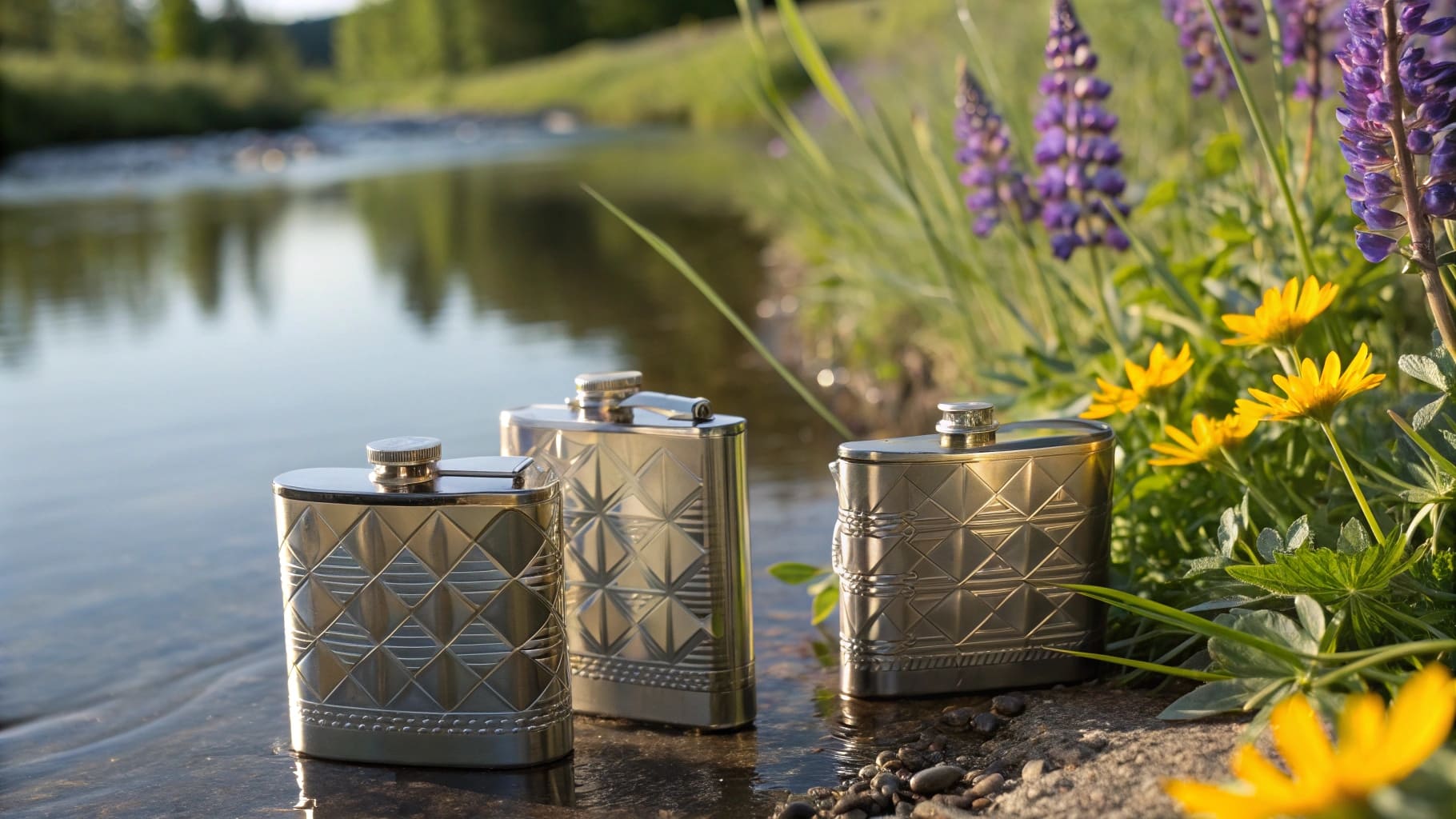
I need to break down what actually happens when alcohol meets stainless steel. The chromium in 304 steel forms a thin oxide layer. This layer regenerates itself when scratched. Rubbing alcohol cannot penetrate this protective barrier under normal conditions.
But I have seen problems occur with low-grade materials. Some manufacturers use 201 stainless steel to cut costs. This grade contains less chromium and more manganese. The difference matters. I tested both grades with 70% rubbing alcohol. The 201 steel showed surface pitting after two weeks. The 304 steel looked brand new.
Temperature plays a role too. I store my flasks at room temperature. Extreme heat can weaken the protective oxide layer. Cold temperatures cause no issues. Your warehouse conditions affect long-term durability.
The coating adds another protection layer. I use powder coating3 because it creates a physical barrier between the alcohol and steel surface. This matters even with 304 steel. The coating prevents direct contact. It also protects against scratches that could compromise the oxide layer.
| Steel Grade | Chromium Content | Alcohol Resistance | Cost Difference |
|---|---|---|---|
| 201 | 16-18% | Moderate | 30% cheaper |
| 304 | 18-20% | Excellent | Standard price |
| 316 | 16-18% | Superior | 40% more expensive |
I once received a complaint about rust spots on flasks. I investigated and found the manufacturer had switched to 201 steel without telling anyone. The rubbing alcohol cleaning process revealed the inferior material. We immediately switched suppliers. This taught me to always verify the actual steel grade used.
How to Clean a Stainless Steel Liquor Flask?
Your flask smells funny after storing gin for a month. You try water but the odor stays. Your customers return products because they taste weird.
Clean your stainless steel flask with warm water and baking soda solution. Rinse thoroughly and air dry completely. The smooth burr-free surface of quality 304 steel makes cleaning easy without damaging the material.
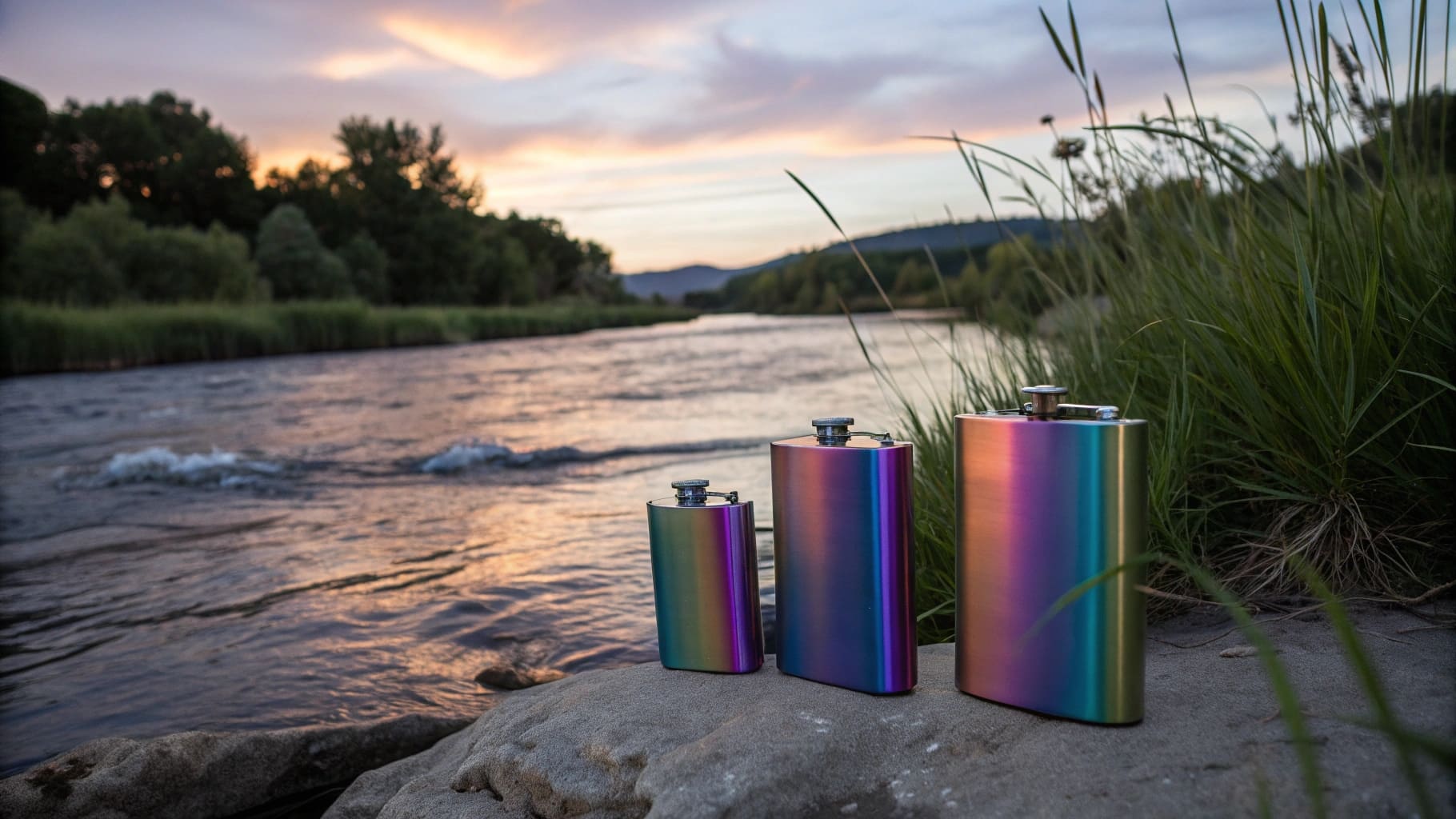
I developed a cleaning process after years of customer feedback. The process works because it respects the material properties. Start with warm water only. Hot water can damage some coatings. Cold water does not dissolve residues well. Warm water hits the sweet spot.
Add two tablespoons of baking soda to the warm water. Baking soda is mildly alkaline. It breaks down alcohol residues and oils without attacking the steel or coating. I shake the mixture inside the flask for 30 seconds. The smooth interior surface prevents particles from sticking.
Some people use soap but I avoid it. Soap leaves a film. The film affects the taste of spirits later. Your customers will notice this immediately. I learned this from a client who received complaints about soapy-tasting whiskey. We traced it back to improper cleaning.
Vinegar works for stubborn odors. I use white vinegar diluted 1:1 with water. The acetic acid neutralizes alkaline residues and eliminates smells. But I rinse three times after using vinegar. Any remaining acid can interact with the next batch of spirits.
The drying step matters most. I never cap a wet flask. Moisture trapped inside creates an environment for bacteria growth. It can also cause water spots on the interior. I turn the flask upside down on a clean towel. Air circulation dries it completely in a few hours.
| Cleaning Method | Effectiveness | Risk to Coating | Cost |
|---|---|---|---|
| Warm water + baking soda | High | None | Very low |
| Soap and water | Medium | Film residue | Low |
| Vinegar solution | Very high | None if rinsed well | Low |
| Commercial cleaners | High | Depends on chemicals | Medium |
I tell my B2B clients to include cleaning instructions with every flask. Most returns happen because customers do not clean properly. The powder coating I use withstands all these cleaning methods. It does not chip or peel during normal washing. The coating also prevents scratches that could trap bacteria or residues.
One client asked about dishwasher safety. I always say no. Dishwashers use harsh detergents and high heat. Both damage powder coating over time. Hand washing takes two minutes and preserves the flask for years. The smooth 304 steel surface makes hand cleaning effortless anyway.
Conclusion
Choose 304 stainless steel with powder coating for spirit-resistant hip flasks. Clean with warm water and baking soda for lasting quality and taste integrity.
-
Learn about the advantages of 18/8 food grade stainless steel in preventing metallic taste and ensuring safety. ↩
-
Understand the role of food-grade silicone sealing rings in preventing oxidation and maintaining spirit quality. ↩
-
Explore how powder coating creates a protective barrier for stainless steel, ensuring durability and taste integrity. ↩
