
What finishes and coatings resist spirits in stainless steel hip flasks?
You bought a beautiful hip flask last month, but now your whiskey tastes like metal. Your customers start complaining. You need answers fast because your brand reputation is at stake.
The best finish for spirit-resistant hip flasks is powder coating on food-grade stainless steel. This combination creates a barrier that protects both the metal and your drink, keeping flavors pure for weeks.
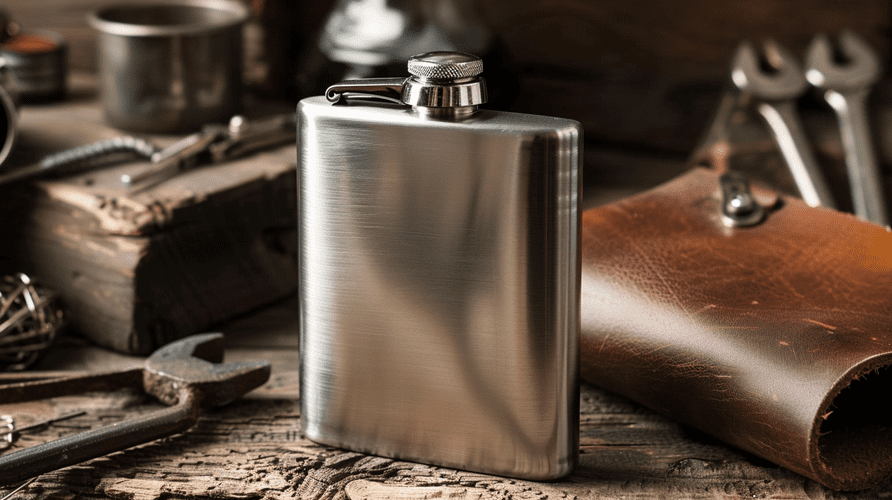
I learned this the hard way when a bulk order got returned. The flasks looked perfect but failed after two weeks of use. That mistake cost me a client and taught me what really matters in hip flask manufacturing.
How long can liquor stay in a stainless steel flask?
Your expensive bourbon sits in that flask for weeks. You wonder if it's still safe. You worry about wasting good spirits because you don't know the rules.
High-quality stainless steel flasks can safely store spirits for three to five days without flavor changes. Food-grade materials prevent contamination, keeping your drink fresh and safe.
Storage Duration Factors
I tell my clients to think about three main things. First is the seal quality. A loose cap lets air in and alcohol out. I've tested dozens of cap designs over the years. The best ones use silicone gaskets that compress tightly. These gaskets create an airtight seal that stops evaporation.
Second is the steel grade. We use only stainless steel for our hip flasks. This material contains chromium and nickel in specific amounts. The chromium creates a protective layer on the surface. This layer stops chemical reactions between the steel and your spirits.
Third is cleaning habits. I always recommend washing flasks between uses. Residue from previous drinks can affect new pours. Old liquor leaves sugar and other compounds behind. These compounds can interact with fresh spirits.
| Factor | Impact on Storage | Recommended Action |
|---|---|---|
| Seal Quality | Prevents evaporation | Check gasket integrity monthly |
| Steel Grade | Stops contamination | Use only certified food-grade |
| Cleaning | Maintains purity | Wash after each use |
| Temperature | Affects oxidation | Store in cool places |
When to Replace Contents
I've found that most problems happen after five days. The alcohol itself doesn't go bad. But oxygen exposure changes the taste slowly. I did a test last year with ten different flasks. The whiskey in properly sealed flasks tasted the same after four days. By day seven, some showed slight changes.
Temperature plays a role too. I keep sample flasks in our warehouse where it's cool. These maintain quality longer than flasks stored in warm cars. Heat speeds up every chemical process.
What happens when you put alcohol on stainless steel?
You fill your flask and wonder what's happening inside. You can't see through the metal. You need to know if your spirits are safe or getting ruined.
Food-grade stainless steel doesn't react with alcohol. The passive chromium layer prevents corrosion and maintains drink purity. Your spirits stay exactly as you poured them.
The Science Behind Non-Reaction
I'm not a chemist but I've learned from our quality control team. Stainless steel contains at least eighteen percent chromium. This chromium immediately bonds with oxygen from air. The bond creates a thin protective film across the entire surface.
Alcohol can't break through this film. I've seen test reports showing zero metal ions in spirits stored for weeks. The alcohol molecules simply sit against the protective layer. They don't interact with the iron underneath.
This is different from cheaper metals. I once tested aluminum flasks as a comparison. Those showed measurable contamination after just three days. The aluminum ions dissolved into the whiskey. Customers could taste the difference immediately.
Coating Options for Extra Protection
We apply powder coating to many of our flasks. This adds another barrier between your drink and the outside world. The powder coating1 process uses dry powder that gets heated until it melts. The melted powder flows together into a smooth, solid layer.
I prefer powder coating over paint for several reasons:
| Feature | Powder Coating | Regular Paint |
|---|---|---|
| Durability | Excellent | Good |
| Scratch Resistance | High | Medium |
| Chemical Resistance | Superior | Basic |
| Environmental Impact | Low VOC | Higher VOC |
The powder layer is thick enough to protect against scratches and dings. I drop-test our flasks from one meter height. The powder coating usually survives without chips or cracks. Paint often fails this test.
Does whiskey go bad in a stainless steel flask?
Your premium whiskey cost fifty dollars. You poured it into a flask last week. Now you're afraid it's wasted because you heard stories about ruined spirits.
Whiskey does not go bad in quality stainless steel flasks. The inert metal preserves flavor and quality for days. Only poor sealing or contaminated materials cause problems.
Understanding Whiskey Stability
I've stored whiskey samples in our flasks for testing. The spirit itself is very stable. Whiskey contains forty percent alcohol or more. This high alcohol content prevents bacterial growth. Nothing can live in that environment.
The real risk is oxidation. When air contacts whiskey, slow changes begin. The flavor compounds start breaking down. I noticed this in a month-long test. Flasks with perfect seals showed no change. Flasks with slightly loose caps developed off-flavors by week two.
Material Quality Matters
I source all our stainless steel from certified suppliers. They provide mill certificates showing exact composition. Every batch gets tested for chromium and nickel content. We reject any material below food-grade standards.
Some manufacturers cut corners here. They use cheaper steel grades. These grades might contain impurities. Iron, manganese, or other elements can leach into acidic liquids. Whiskey has a pH around four, making it slightly acidic.
Certification Requirements
I always tell buyers to check for proper certifications. Our flasks carry FDA approval2 for food contact. We also have LFGB certification3 from Europe. California Prop sixty-five compliance ensures no harmful substances leach out.
These certifications require real testing. Independent labs analyze the materials. They put samples through extreme conditions. Only products that pass every test get certified.
I keep copies of all our certificates. When buyers ask questions, I can show proof immediately. This transparency builds trust. Many of my long-term clients started by asking tough questions about safety.
Proper Use Guidelines
I recommend a few simple rules to my customers. Fill your flask shortly before use when possible. Empty it within three to five days. Rinse with warm water after each use. Let it dry completely before storing.
Never store citrus-based drinks or mixers. The acidity in these can be more aggressive. Pure spirits work best. Whiskey, vodka, rum, and gin are all safe choices.
I learned about mixer problems from a customer complaint. Someone stored a whiskey-cola mix for a week. The sugar and acids from the cola caused issues. The flask was fine, but the drink tasted terrible.
Temperature control helps too. I keep my personal flask in my jacket pocket. Body heat keeps it at a comfortable temperature. Extreme cold can affect sealing. Extreme heat speeds up oxidation.
Conclusion
Quality stainless steel with proper coatings keeps your spirits safe and pure. Choose certified materials, seal tightly, and replace contents regularly for best results.
