
What coatings keep stainless coffee mugs stain-free from tea and syrups?
You open a shipment of branded coffee mugs. They look perfect. Six months later, customer complaints flood in about stubborn tea stains. Sound familiar?
The answer is powder coating1 for exteriors and electropolishing for interiors. These two treatments create a protective barrier that prevents tannins from tea and sticky syrups from bonding to the stainless steel surface.
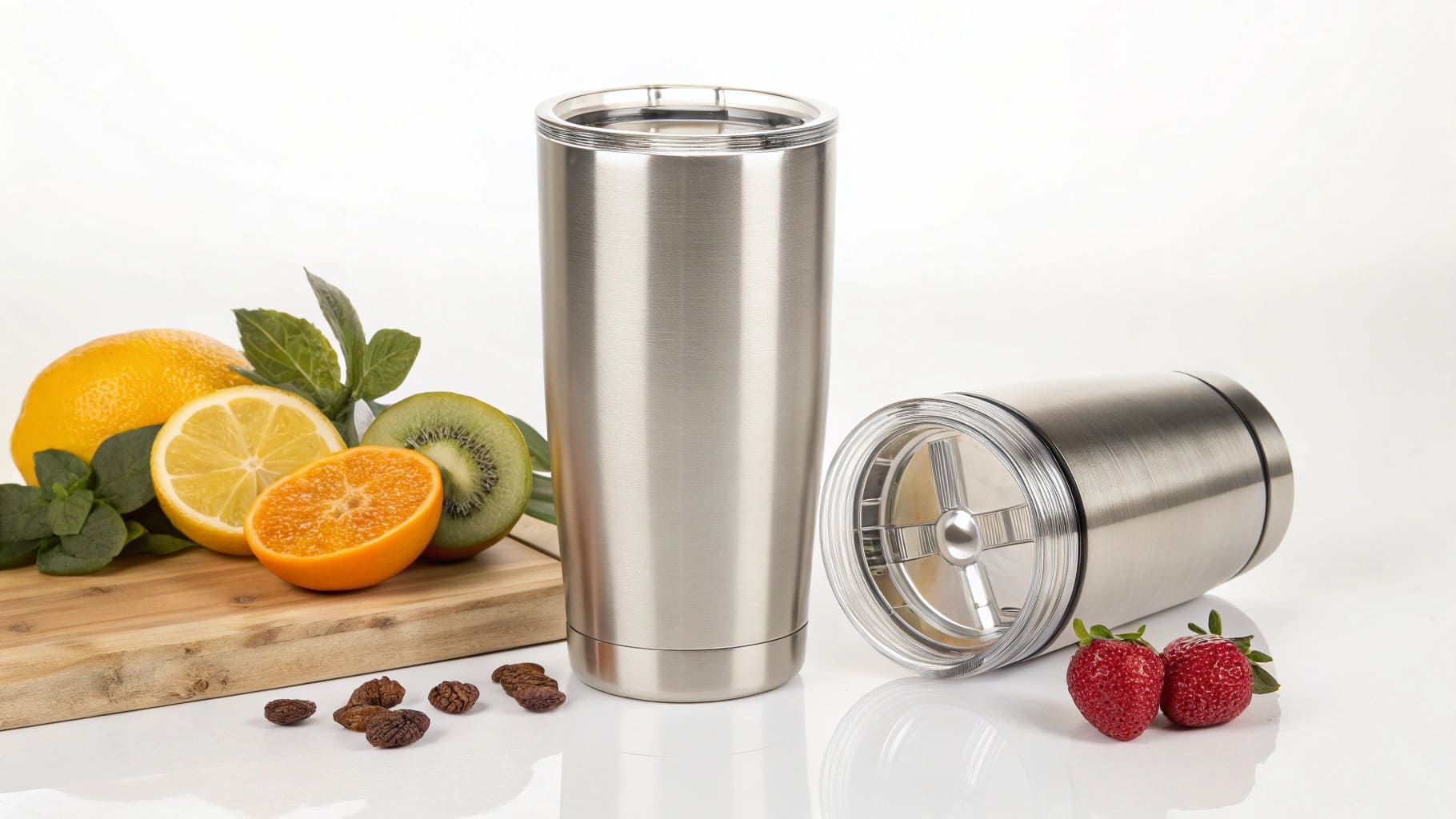
I have seen this scenario play out dozens of times with buyers who skip the coating conversation during initial orders. The mugs look identical in the factory. The price difference seems minor. But when your customers start using them daily with strong English Breakfast tea or caramel syrup lattes, untreated stainless steel shows every drop.
How to get tea stains out of stainless steel mugs?
Tea stains on stainless steel mugs frustrate your end customers. They scrub harder. The stains remain. Eventually, they stop using the product altogether.
Mix baking soda with water to form a paste. Apply it to the stained areas. Let it sit for fifteen minutes. Then scrub gently with a soft brush. Rinse thoroughly with warm water.
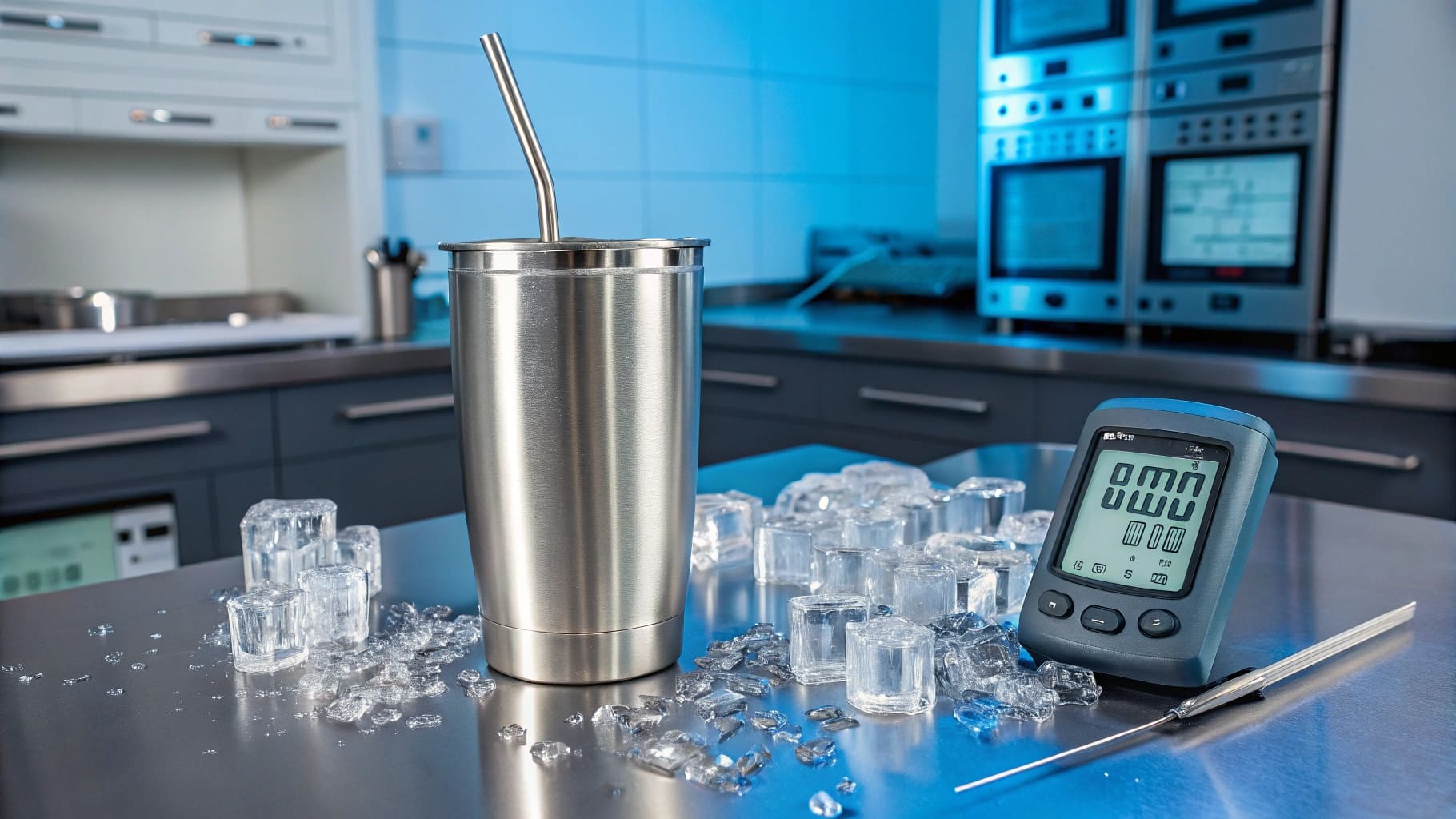
I learned this method from a customer who returned an order of 5000 mugs. The buyer distributed them to employees at a large accounting firm in Toronto. Within weeks, the tea-drinking staff complained about brown rings inside the mugs. The buyer tried everything before calling me. We walked through this cleaning process together over a video call.
The baking soda method works because it is mildly abrasive without scratching the surface. Vinegar also removes tea stains effectively. Pour white vinegar into the mug. Fill it halfway. Add hot water to the top. Let it soak overnight. The acidity breaks down the tannin compounds that cause the staining. Some buyers swear by denture cleaning tablets. Drop one tablet in the mug. Add warm water. Wait for twenty minutes. The fizzing action lifts the stains.
But here is the truth. If I need to explain stain removal methods to your customers, something went wrong at the manufacturing stage. Proper interior treatment prevents this problem entirely. Electropolished interiors resist tea stains from the first use. The smooth surface gives tannins nowhere to grip. Your customers rinse the mug with soap and water. The stains wash away. No baking soda needed. No soaking overnight.
The cost difference between untreated and electropolished interiors runs about thirty cents per unit for medium-sized orders. That thirty cents saves your brand reputation and customer service headaches.
How to prevent tea stains on mugs?
Prevention costs less than dealing with complaints after shipment. Your customers want products that stay clean with normal washing. They do not want special cleaning routines.
Specify electropolished interiors during manufacturing. This process creates a smooth, non-porous surface that resists stains naturally. Tannins and oils slide off instead of bonding to the steel.
Electropolishing removes a microscopic layer2 from the stainless steel surface. This process eliminates tiny peaks and valleys where stains hide. The result looks mirror-smooth. When tea contacts this surface, it cannot find rough spots to cling to. Think of it like comparing a gravel road to a freshly paved highway. Water sheets off the highway. It pools in the gravel. Your tea stains work the same way.
The electropolishing process uses an electrolytic solution and electric current. The stainless steel mug becomes the anode in the solution. The current removes metal ions from the surface. High points dissolve faster than low points. The surface levels out. We end up with a uniform, polished finish that extends into every corner and seam.
Some suppliers offer brush polishing3 as a cheaper alternative. I do not recommend it for mugs that will see daily tea use. Brush polishing creates tiny scratches in a circular pattern. Those scratches may look decorative. But they trap tannins. The mug becomes harder to clean over time.
For exterior stain prevention, powder coating works best. This coating creates a sealed barrier between the steel and whatever spills down the outside. Coffee drips, syrup splatters, and tea dribbles wipe away cleanly. The coating resists both water-based and oil-based stains.
| Treatment Type | Interior Use | Exterior Use | Stain Resistance | Cost Impact |
|---|---|---|---|---|
| Electropolishing | Excellent | Poor | Very High | Medium |
| Powder Coating | No | Excellent | High | Medium |
| Brush Polishing | Fair | Good | Low | Low |
| Untreated | Poor | Poor | Very Low | None |
Your order specifications should list both treatments. Interior electropolished. Exterior powder coated. This combination handles everything your customers throw at it.
What do they coat coffee cups with?
The coating industry offers many options. Each promises durability and stain resistance. But not all coatings perform equally when facing daily tea and syrup exposure.
Powder coating dominates commercial coffee mug production. This dry finishing process applies colored powder to the metal surface. Heat cures the powder into a hard, protective shell.
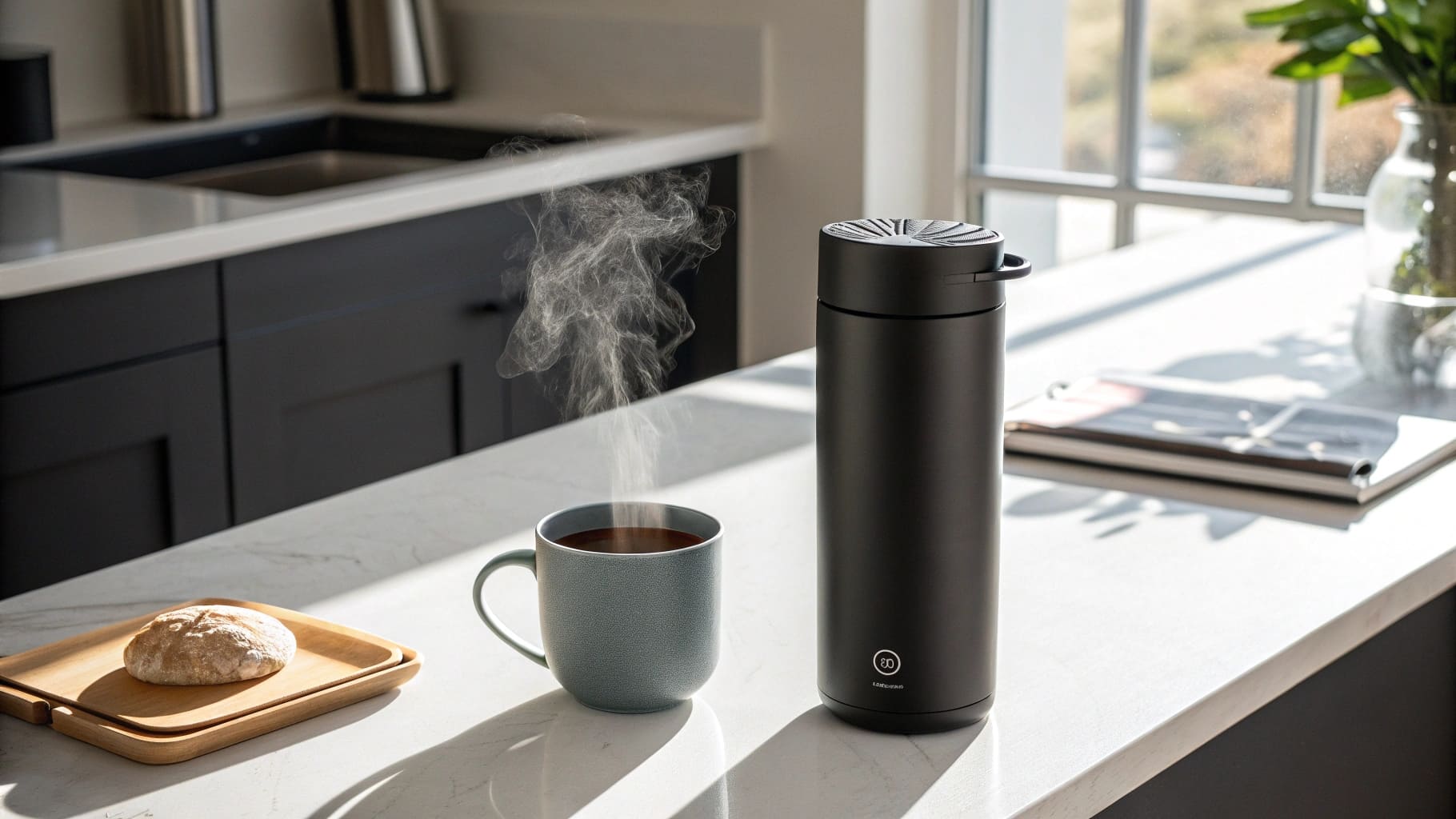
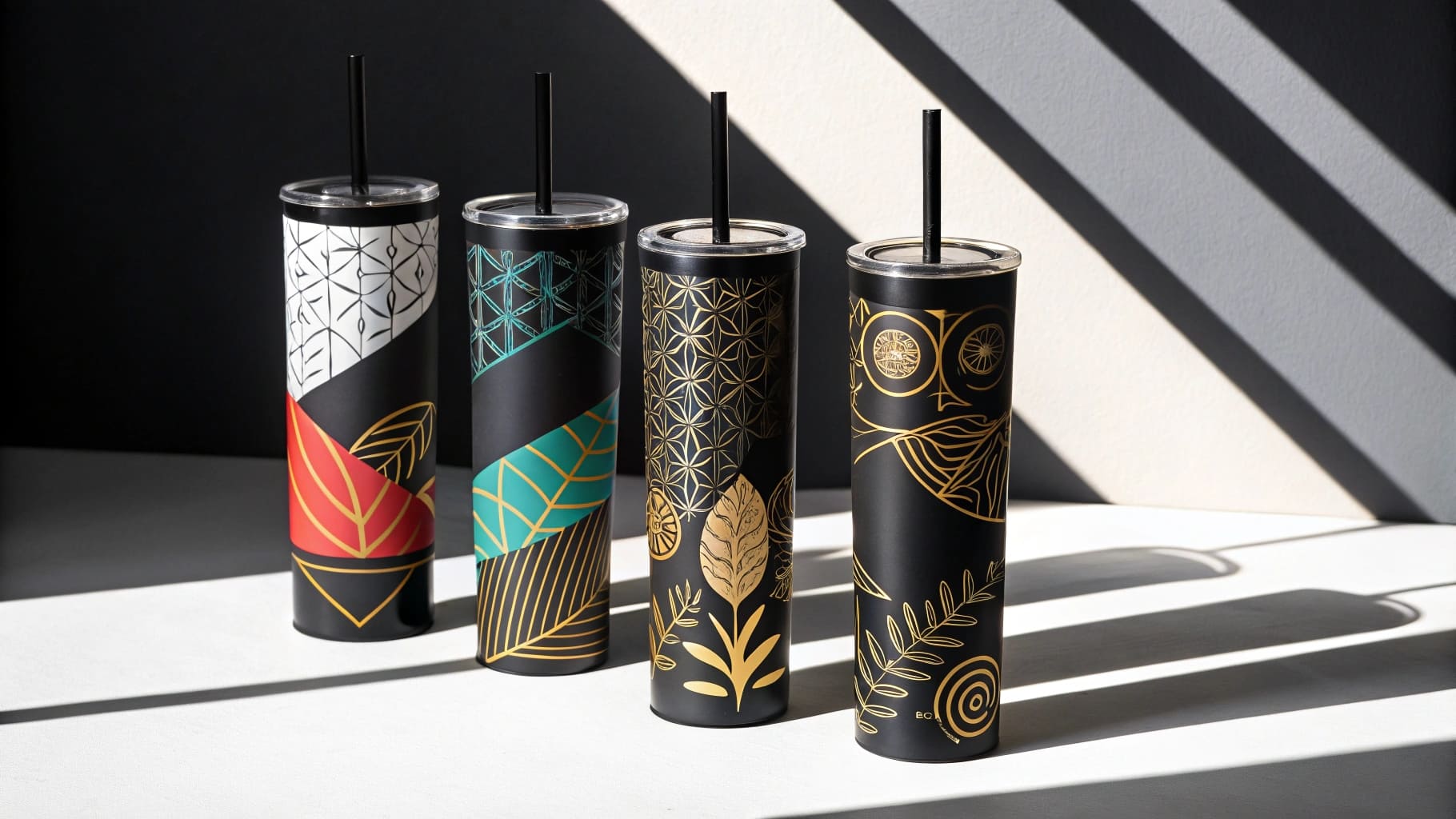
I switched my standard recommendation to powder coating1 five years ago. Before that, I offered spray paint as the default exterior finish. Spray paint costs less. It applies faster. But buyers started reporting problems after six months of customer use. The paint chipped at the rim. Logos faded. Tea stains showed through thin spots.
Powder coating works differently than wet paint. The powder particles carry an electrostatic charge. The grounded metal attracts these charged particles. They stick evenly across the entire surface. Then the mug enters a curing oven. The heat melts the powder. It flows into a uniform coating. It bonds chemically with the metal surface. The result resists chipping, scratching, and staining far better than spray paint.
The powder coating comes in hundreds of colors. Matte finishes hide fingerprints. Glossy finishes look premium. Textured coatings add grip. Some buyers request soft-touch coatings that feel like rubber. These work well for products targeting yoga studios and wellness brands. The coating maintains its appearance through thousands of dishwasher cycles.
Ceramic coating represents another option. Some suppliers promote ceramic-coated interiors as superior to electropolishing4. The ceramic creates a glass-like surface. It resists staining. But ceramic coating5s chip more easily than electropolished steel. A dropped mug may expose bare metal underneath. That exposed spot becomes a stain magnet. Electropolished steel stays consistent throughout. Minor scratches do not compromise the stain resistance.
Copper plating appeals to buyers seeking a distinctive look. The copper layer adds warmth and character to the design. But copper tarnishes over time. It requires polishing to maintain its appearance. For B2B applications where customers want low-maintenance products, copper plating6 creates more work than value. I only recommend it for limited-edition promotional items where aesthetics outweigh practicality.
PTFE coatings work in cookware but rarely appear on coffee mugs. The coating resists stains exceptionally well. But it adds significant cost. Most buyers find electropolishing provides sufficient stain resistance at a better price point.
Conclusion
Powder-coated exteriors and electropolished interiors provide the best stain resistance for commercial coffee mugs. This combination costs slightly more upfront but saves on customer complaints and returns.
-
Explore how powder coating creates a durable, stain-resistant finish for coffee mugs. ↩ ↩
-
Understand how removing a microscopic layer improves stain resistance in stainless steel. ↩
-
Learn why brush polishing may not be the best choice for coffee mugs. ↩
-
Learn how electropolishing enhances stain resistance and durability in stainless steel products. ↩
-
Discover the advantages and disadvantages of using ceramic coatings on coffee mugs. ↩
-
Learn about the aesthetic appeal and maintenance challenges of copper plating. ↩
