
Frustrated when your vacuum flask fails? Heat escapes, drinks cool too fast. It's a common, annoying problem.
Usually, a broken vacuum seal is the culprit. Damage or manufacturing flaws let air in, ruining insulation. Lid seal issues also cause leaks and temperature loss.

Let's look closer at these problems. Understanding them helps you choose better flasks. It also helps you keep them working well for a much longer time. I've been in this business for years at Icobottle, and I've seen it all.
What causes a vacuum flask to stop working?
Poured hot coffee, but it's cold too soon? Your trusty flask might have given up. This is a real headache.
The main reason is a lost vacuum1. Dents from drops or manufacturing defects can break the seal between the walls. Air gets in, and insulation fails.
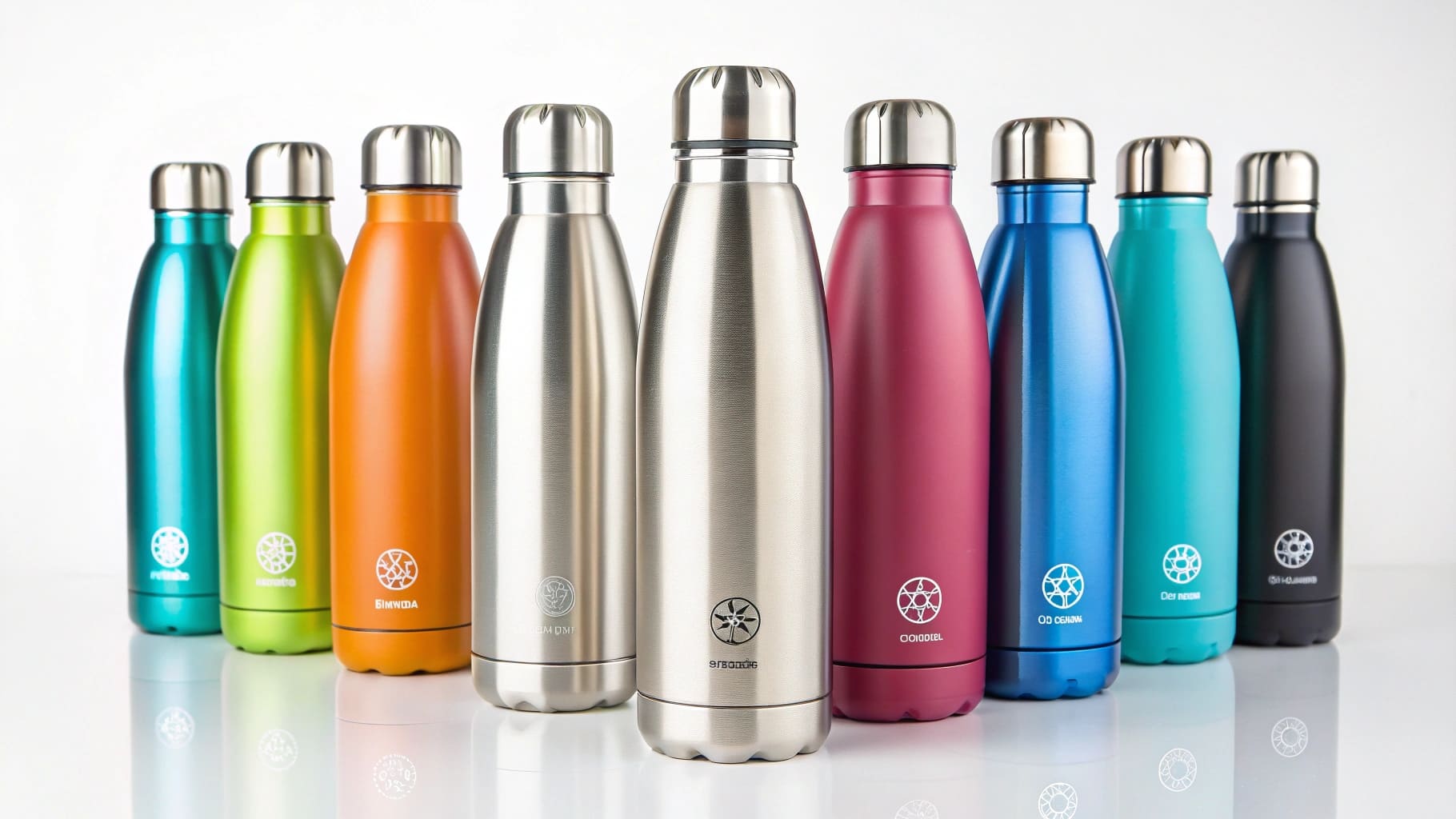
The heart of a vacuum flask is the vacuum. This empty space is between the two walls of stainless steel. This space is what stops heat from moving in or out easily. If air gets into this space, the special insulation ability is gone. Your flask just becomes a regular container.
Physical Damage: The Usual Suspect
Dropping your flask is a common way to break this vacuum. I've seen this happen many times. A client might say their flask suddenly stopped working. Often, it's because it took a hard knock. A dent might look small on the outside. But it can be enough to damage the point where the two walls are sealed together. Once that seal is compromised, air seeps into the vacuum layer. Then, your hot drinks get cold fast, and cold drinks warm up quickly. It's a simple cause, but a very effective one at ruining performance. As a manufacturer, we make our flasks sturdy, but even the best stainless steel has its limits if dropped hard enough or often enough.
Manufacturing Matters Greatly
Sometimes, the flask is faulty right from the start. The vacuum might not have been perfectly sealed during the production process. This is where quality control2 by the manufacturer is so important. At Icobottle, we perform rigorous vacuum integrity tests on our products. We also do temperature retention tests. This ensures our clients, like Mark Shenng from Canada, receive products that perform as expected. Mark is very sensitive to quality because his customers rely on it. He once told me about a bad experience he had with a different supplier. A whole batch of flasks lost their vacuum very quickly after he received them. It was a big problem for his business and made him very cautious about supplier quality control. This is why robust testing, like checking each flask for a proper vacuum, is a non-negotiable part of our process.
Don't Forget the Lid
While the vacuum body is key, the lid also plays a big role. If the silicone seal3 in the lid is damaged, worn out, or just plain dirty, it won't create an airtight closure. This means your drink might leak out. It also means heat can escape or enter more easily, even if the vacuum in the flask body itself is perfectly fine. So, you really need to think of it as a two-part system. Both the body and the lid must be in good condition to keep your drinks at the right temperature. We pay close attention to the design and material of our seals to make them durable.
How to maintain a vacuum flask?
Want your flask to last for many years? If you neglect it, it will lead to poor performance. Proper care is simple but very vital.
Clean it regularly. Rinse it out after each use. Wash it with mild soap and warm water. For tough stains or smells, try using vinegar or baking soda. Store it with the lid off to let it air out.

Keeping your vacuum flask working well isn't hard at all. It mostly comes down to establishing good cleaning habits. These simple steps can really extend its life and keep it performing at its best. I always tell my B2B customers that educating their end-users on care can save a lot of trouble.
Regular Cleaning is Key
You should rinse your flask after every single use. This helps prevent residues from building up. For a proper wash, use mild dish soap and warm water. A bottle brush is a great tool because it can help you reach all the way to the bottom, especially for taller flasks. Make sure to rinse all the soap out thoroughly. This simple routine prevents flavors from lingering and stops any gunk from accumulating.
Tackling Tough Stuff
Sometimes, you get stubborn coffee stains or lingering odors that a simple wash won't remove. Don't worry, there are easy fixes. A soak with a solution of white vinegar and water often works wonders. Just fill the flask, let it sit for a few hours or overnight, then rinse well. Alternatively, you can make a paste of baking soda and water. Gently scrub the inside with this paste using your bottle brush, and then rinse thoroughly. These methods are safe for the stainless steel and very effective. Avoid harsh chemicals like bleach, as they can damage the steel or the seals.
Why Handwashing Wins
We always, always recommend handwashing for vacuum flasks. Dishwashers can be too harsh. The combination of very high heat and strong detergents can potentially damage the vacuum seal over time. They can also ruin any nice exterior finish, color, or custom logo print on the flask. As a supplier to businesses that often customize their flasks, we want them to look good and work well for as long as possible. Handwashing is gentler and preserves both the function and the appearance.
Storage Smarts
After washing your flask, let it air dry completely. Storing it with the lid off is a very good idea. This allows air to circulate inside. It prevents moisture from getting trapped, which can lead to musty smells or even degrade the silicone seals over time. A dry flask is a happy flask. We often tell our B2B clients, like procurement officers from large companies, to pass these simple maintenance tips to their end-users. It really helps manage expectations and significantly reduces complaints about flasks "not working" when, in reality, it's often just a simple maintenance issue that can be easily resolved.
Why is my vacuum tumbler not working?
Is your tumbler not keeping your drinks hot or cold like it used to? It's always disappointing. Often, the cause is very similar to the issues found in vacuum flasks.
Like flasks, a compromised vacuum seal is the top reason for failure. The fit of the lid and the integrity of its seal are also extremely key. Even small issues here can greatly affect performance.
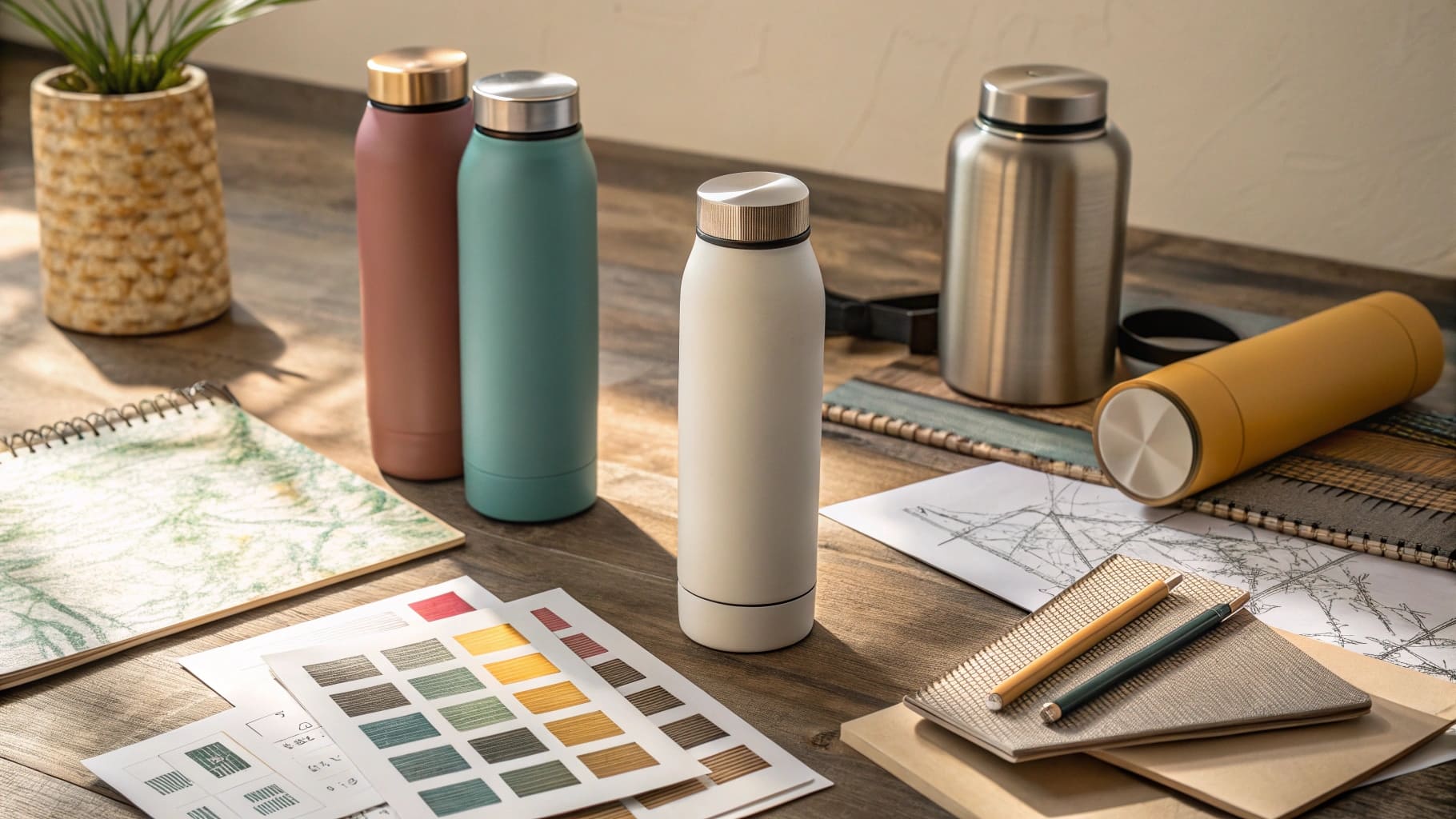
Vacuum tumblers are incredibly popular these days for everything from coffee to cold water. But just like their flask cousins, they can sometimes stop working as well as they should. The reasons are usually very similar, focusing on that critical vacuum insulation and the lid.
The Vacuum: Still Number One
Just like a traditional flask, if your tumbler isn't keeping drinks hot or cold, the vacuum seal is the very first thing to suspect. A dent from an accidental drop, or sometimes a tiny, almost invisible flaw from the manufacturing process, can let air sneak into that crucial space between the double walls. Once air gets in, that superior insulation is pretty much gone. This is a big concern for B2B buyers like Mark Shenng from Canada. He needs top-quality products for his brand because his customers expect it. But he also, understandably, looks for competitive pricing. This means the manufacturing quality has to be absolutely spot on to prevent these kinds of failures right from the factory. He knows his reputation depends on the reliability of the products he sells.
Tumbler Lids: A Bit More Complex
Tumbler lids can often be a bit more complex in their design than standard flask lids. Many tumblers have lids with slider mechanisms for easy drinking, or they might have holes designed for straws. Each of these openings, sliders, or moving parts needs a good, reliable seal, usually made of silicone. If these seals are damaged, become dislodged, are missing, or just aren't fitting as snugly as they should, you'll lose heat or coldness much faster. You might also experience annoying leaks, which nobody wants. Regular inspection and cleaning of these lid components are important.
Material Quality and Quality Control (QC)
The quality of the materials used is absolutely vital for both performance and durability. At Icobottle, we insist on using high-quality 18/8 food-grade stainless steel for the tumbler body. For all the seals, we use durable, food-grade silicone. For B2B buyers, it's really important to check that a potential supplier has strong quality control processes4 in place. This should include things like temperature retention tests – how long a tumbler can actually keep water hot or cold. We conduct these tests rigorously to ensure our tumblers perform up to standard. For example, when Mark orders stainless steel water bottles or tumblers from us, we make sure they pass all these tests. This gives him confidence in the products he's distributing in Canada. He's mentioned to me before that issues like certificate fraud are a real risk with some suppliers, so having verified quality and transparent QC processes is crucial for his peace of mind and his business success.
Conclusion
Broken vacuum seals and faulty lids are common flask issues. Proper care and choosing quality-conscious suppliers greatly extend your vacuum flask's useful life.
-
Understanding the causes of a lost vacuum can help you maintain your flask's performance and longevity. ↩
-
Exploring quality control in manufacturing can reveal how it impacts product reliability and customer satisfaction. ↩
-
Learning about silicone seals can enhance your knowledge of how to maintain your flask's insulation and prevent leaks. ↩
-
Explore best practices in quality control to ensure the durability and performance of your tumblers. ↩