
What Are Pros and Cons of Stainless Steel Baby Bottles for School Programs at Scale?
I remember when a school principal called me last month. She needed 2,000 bottles for her district. She worried about costs, safety, and whether stainless steel made sense at that scale.
Stainless steel baby bottles offer superior durability and safety for school programs. They resist breaking and keep drinks cold for hours. However, they cost more upfront and weigh more than plastic options, which creates challenges when buying hundreds or thousands of units.
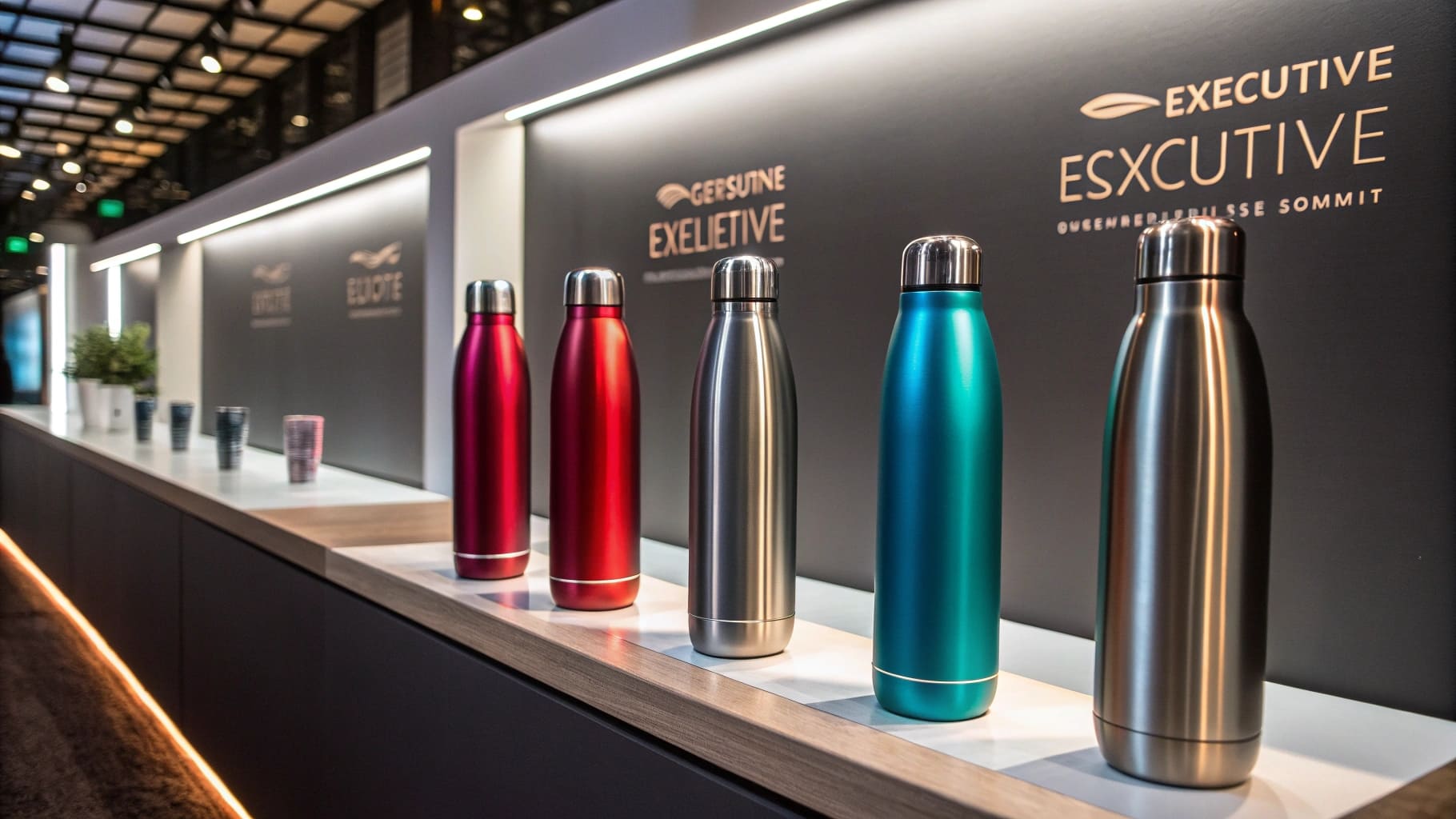
Schools face a tough choice when picking bottles for large programs. I work with many administrators who balance tight budgets against quality needs. Let me walk you through what I have learned from years of helping schools make this decision.
What Are the Pros and Cons of Stainless Steel Baby Bottles?
Schools ask me this question more than any other. Parents worry about plastic chemicals. Administrators care about costs. Teachers need bottles that survive rough handling.
Stainless steel bottles protect children from harmful chemicals like BPA. They last for years without breaking or showing wear. The main drawback is the higher price tag, which matters when you multiply that cost across an entire school population.
The Safety Advantage I See Every Day
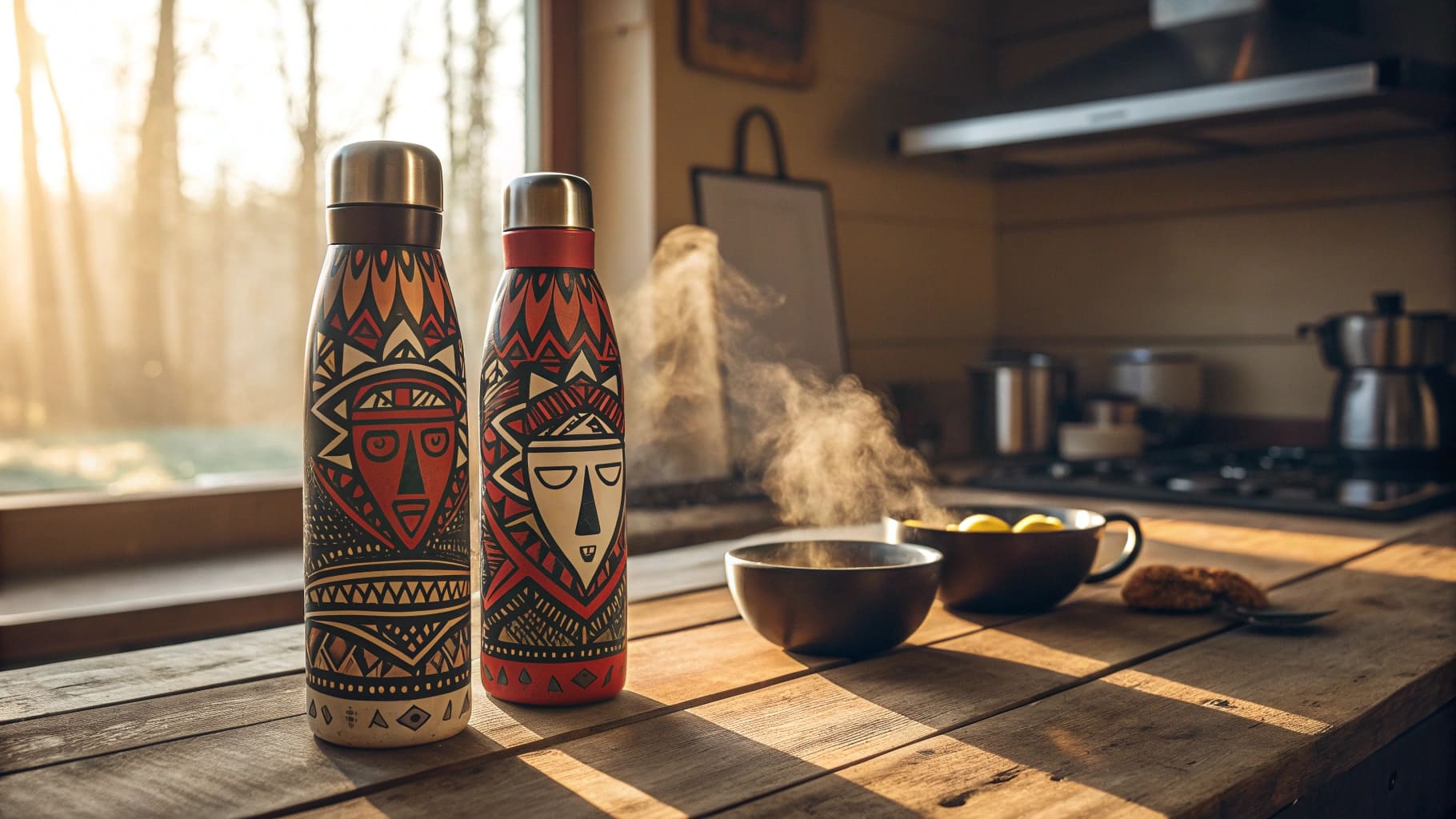
I manufacture bottles from food-grade 304 stainless steel. This material does not rust. It does not hold smells from previous drinks. It stays free from harmful chemicals that leach into beverages.
Parents tell me they sleep better knowing their children use steel bottles. I test every batch for safety compliance. The material passes FDA standards. It meets European safety regulations.
Schools need bottles that meet institutional safety requirements. Steel construction provides this assurance. The material withstands repeated washing in high-temperature dishwashers. This matters for hygiene in school settings.
| Safety Feature | Benefit for Schools |
|---|---|
| BPA-free construction | Meets parent health concerns |
| Rust-proof material | Safe for daily use over years |
| High-temperature resistant | Allows proper sanitization |
| Smooth edges | Prevents cuts and injuries |
Durability That Changes the Cost Equation
A plastic bottle lasts maybe one school year. I have seen steel bottles serve students for three or four years. This changes the math completely.
Schools replace plastic bottles constantly. Students drop them. They crack. They lose their shape after a few dishwasher cycles. Steel bottles survive all of this.
I design bottles with thickened bases. This adds drop protection. Students throw backpacks around. They knock bottles off desks. Steel handles this abuse without breaking.
The vacuum insulation1 keeps drinks cold from morning until lunch. This matters in schools without refrigeration access. Students stay hydrated because their water tastes fresh all day.
The Weight and Cost Reality
I need to be honest about the challenges. Steel bottles weigh more than plastic. A filled steel bottle can be heavy for a first-grader carrying it all day.
The upfront cost creates budget headaches. A quality steel bottle costs three or four times what a plastic bottle costs. When you buy 500 bottles for a school, that difference becomes substantial.
Schools on tight budgets struggle with this initial investment. I understand. The money comes from limited funds that cover many needs.
What Are the Disadvantages of Stainless Steel Bottles?
A procurement officer once told me she loved steel bottles but her budget committee rejected them. Cost concerns override quality benefits when schools face funding constraints.
The main disadvantages are higher initial cost, greater weight for young children, and minimum order requirements2 for customization. These factors create barriers for schools implementing large-scale programs despite the long-term value proposition.
The Price Barrier That Stops Programs
I see this problem repeatedly. Schools want quality bottles. They recognize the benefits. Then they see the quote for 1,000 units and pause.
Budget committees compare plastic at two dollars per bottle against steel at eight dollars per bottle. They calculate six thousand dollars in extra costs. They choose plastic.
This decision ignores replacement costs. It overlooks the waste generated by broken plastic bottles. But I understand why schools make this choice under budget pressure.
Customization Complexity at Scale
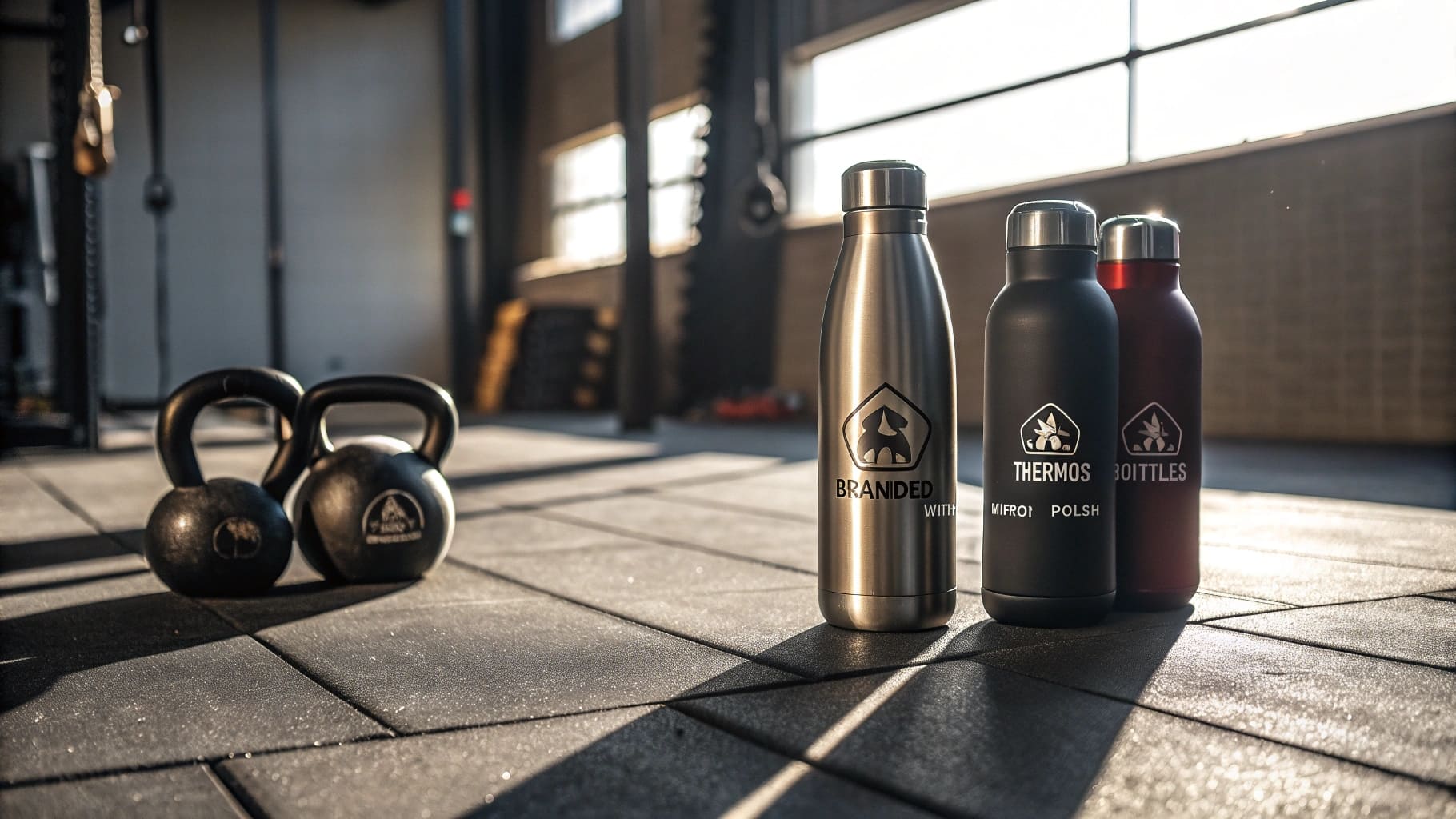
Schools want their logo on bottles. This creates identity and reduces loss. But customization adds complexity.
I require minimum orders of 3,000 units for full customization. Schools with 500 students cannot meet this threshold. They need creative solutions.
We offer several customization methods3. Screen printing works for simple logos. Laser engraving provides permanence. Heat transfer allows full-color designs. Each method has different minimums and costs.
| Customization Method | Minimum Order | Durability | Color Options |
|---|---|---|---|
| Screen Printing | 3,000 units | Good | 1-2 colors |
| Laser Engraving | 1,000 units | Excellent | Metal finish only |
| Heat Transfer | 3,000 units | Very Good | Full color |
Schools need to plan carefully. They must forecast demand accurately. This creates risk when implementing new programs.
Infrastructure Requirements for Maintenance
Steel bottles need proper cleaning. Schools must have adequate dishwasher capacity. They need protocols to prevent cross-contamination.
I advise schools to establish clear cleaning schedules. Each bottle should have identifying marks. This ensures bottles return to the correct students.
Some schools lack sufficient dishwashing equipment. They rely on students washing bottles at home. This creates inconsistent hygiene standards.
What Water Bottle Should I Bring to School?
A teacher asked me this after her district rejected a steel bottle program. She wanted to recommend bottles to parents buying individually.
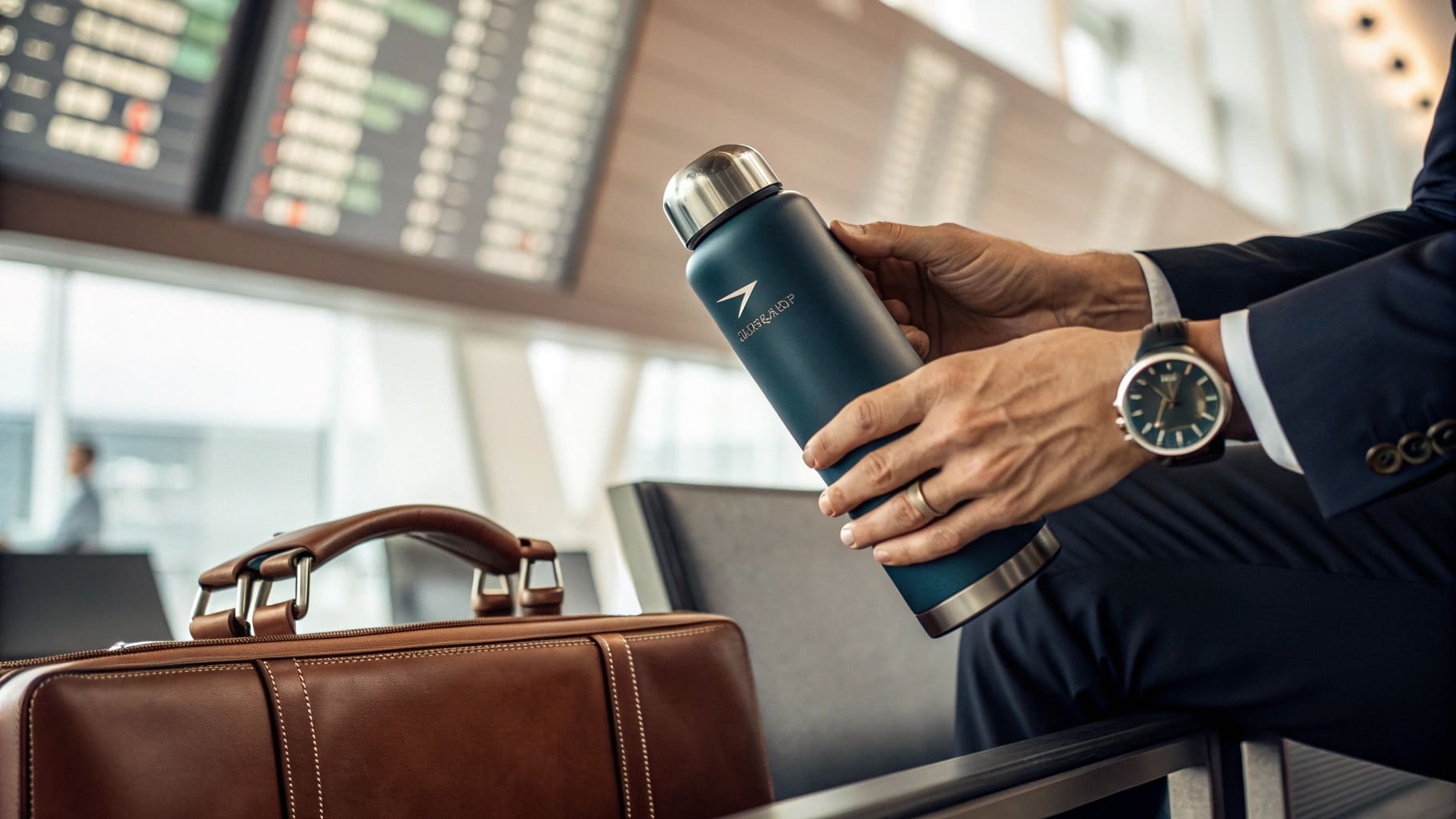
For individual school use, choose a steel bottle with leak-proof design4 and appropriate capacity for your child's age. Look for 12-16 ounce sizes for elementary students. Ensure the bottle fits standard backpack pockets and has an easy-open lid children can operate independently.
Size and Design Considerations for Students
Elementary students need smaller bottles. I recommend 12 ounces for grades K-2. Middle schoolers can handle 16-20 ounces. High school students often prefer 24-32 ounce bottles.
The lid design matters enormously. Flip straws work well for younger children. Screw caps suit older students. One-click buttons provide convenience but must include safety locks.
Bottles must fit backpack side pockets. This keeps them accessible and prevents spills inside bags. I design bottles with specific diameter limits for this reason.
Features That Matter in School Environments
Schools have rules about what bottles students can bring. I hear about these requirements constantly.
Clear or light-colored interiors help teachers verify contents. Some schools ban dark bottles that could hide unauthorized beverages.
Leak-proof seals prevent disasters in backpacks. Silicone gaskets provide the best seal. I test every lid design for leak resistance.
Wide mouths allow ice cubes. This matters for keeping water cold through long school days. The opening must also accommodate cleaning brushes for proper maintenance.
Temperature retention should last six to eight hours minimum. This covers the typical school day. Better insulation extends performance to twelve hours.
| Feature | Why It Matters for School |
|---|---|
| Leak-proof seal | Protects books and electronics |
| Wide mouth | Accommodates ice and cleaning |
| Appropriate size | Fits backpack and meets hydration needs |
| Easy-open lid | Children operate independently |
| Temperature retention | Keeps drinks cold all day |
The Personal Choice Framework
Parents buying individual bottles face different considerations than schools buying in bulk. Personal purchases avoid minimum order requirements. Families can choose exactly what fits their child's needs.
I suggest parents consider their child's strength and coordination. Younger children need lighter bottles with simple lids. Older students want larger capacity and more features.
Think about replacement costs over time. A fifteen-dollar steel bottle that lasts three years costs less than six five-dollar plastic bottles over the same period.
Consider your family's environmental values. Steel bottles significantly reduce plastic waste. This aligns with sustainability lessons many schools teach.
Conclusion
Steel bottles offer superior quality and safety for school programs. The higher upfront costs and weight create challenges at scale. Schools must balance immediate budget constraints against long-term value and environmental impact when making this decision.
-
Learn about vacuum insulation technology and its benefits for keeping drinks cold in schools. ↩
-
Understand the challenges of minimum order requirements when customizing bottles for schools. ↩
-
Explore various customization options for school water bottles to enhance identity and reduce loss. ↩
-
Discover the significance of leak-proof designs in preventing spills and protecting school supplies. ↩
