
Struggling to source top-tier stainless steel bottles? Worried about quality issues affecting your brand? This guide shows you exactly how to choose the best ones for your business.
To find the best stainless steel vacuum water bottle, you must check the stainless steel grade, like 304 or 316. Also, look at the vacuum insulation quality and overall construction. These features directly impact performance and durability.
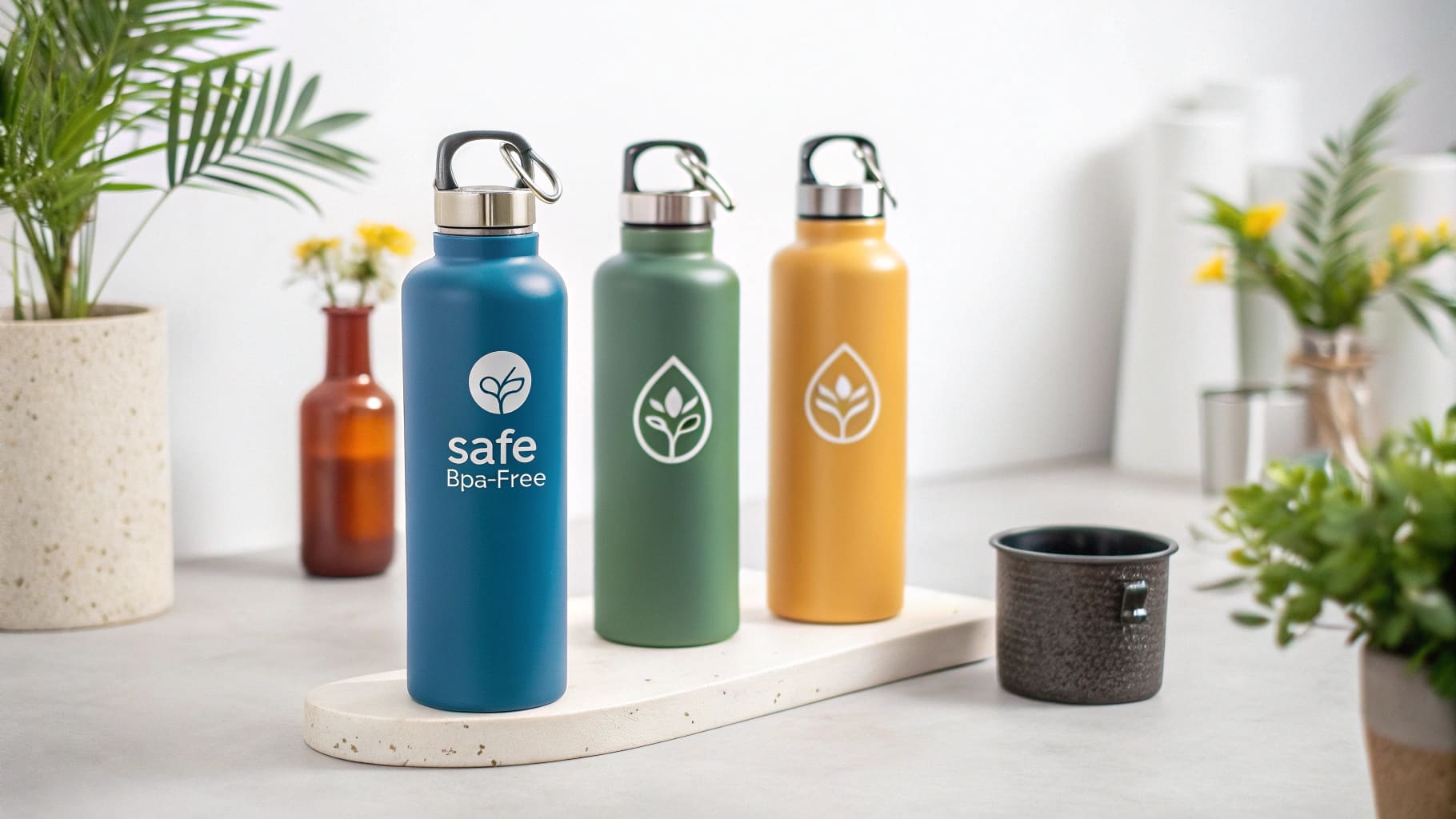
I know that finding the right products can feel overwhelming. There are so many options out there. But don't worry. I'm here to break it down for you, step by step. As someone who deals with stainless steel products like hip flasks and water bottles daily at Icobottle, I've learned a few things. Let’s explore what truly makes a great stainless steel water bottle. You need to understand these details to make smart buying decisions.
Are all stainless steel bottles the same?
Thinking all stainless steel bottles offer similar quality and value? This common mistake can lead to poor purchasing choices. Let me help you see the important differences.
No, not all stainless steel bottles are the same. They vary greatly in material grade, insulation effectiveness, lid design, and overall manufacturing quality. These differences affect safety, durability, and how long drinks stay hot or cold.
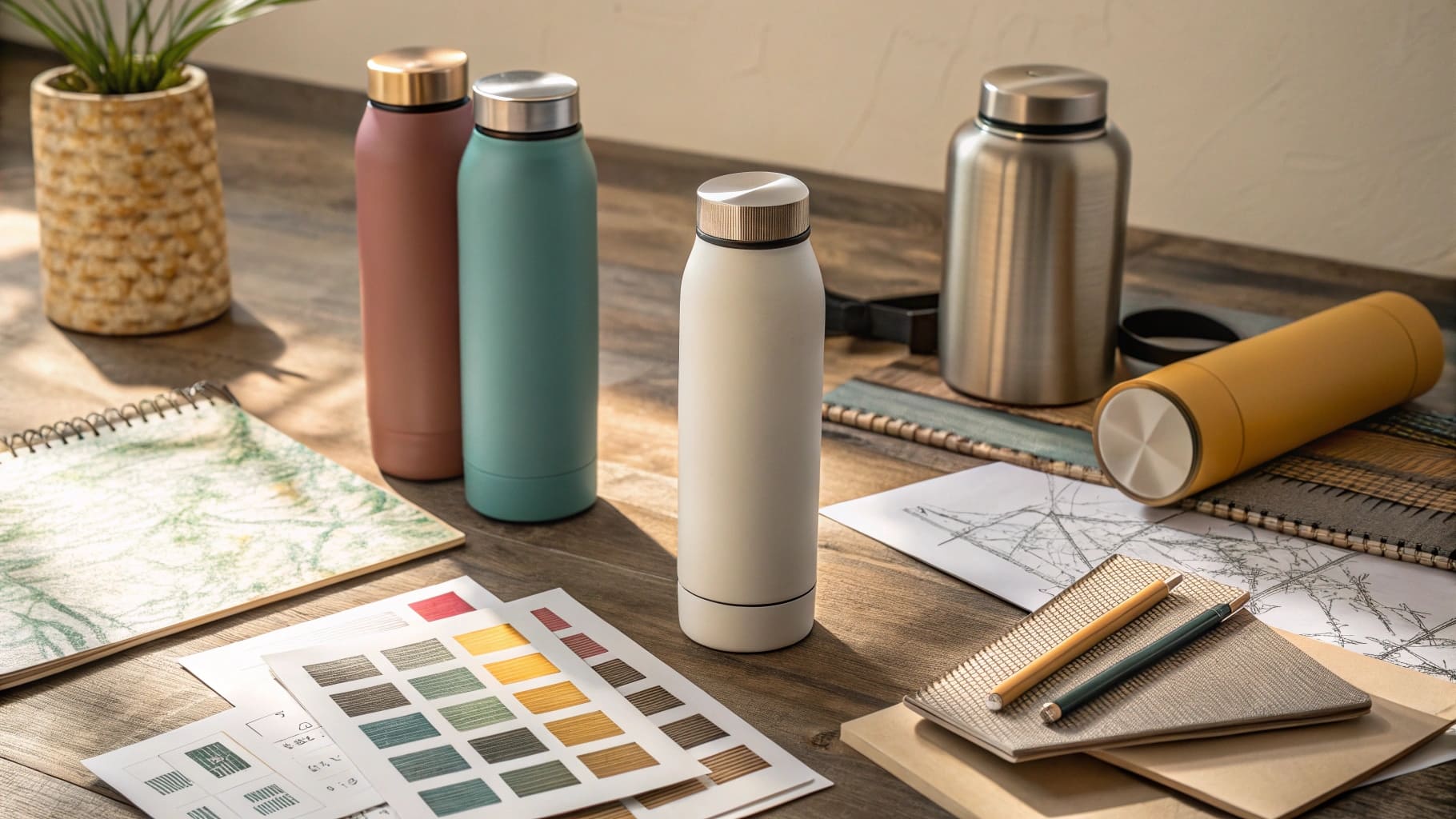
When I talk to B2B buyers, like Mark from Canada, a common question is about the actual differences between bottles that look similar. He's right to ask. The variations can be huge, and they impact everything from user satisfaction to your brand's reputation. Let's break it down.
Material Matters Most
The type of stainless steel is a primary differentiator.
- Food-Grade vs. Non-Food-Grade: Some cheaper bottles might use lower-grade steel, like 201 stainless steel, which has less corrosion resistance and might not be ideal for long-term contact with beverages. At Icobottle, we always recommend and use 304 (18/8) or 316 stainless steel for food and drink products.
- Thickness (Gauge): Thicker steel generally means a more durable bottle, less prone to dents. However, it also means more weight and cost.
Insulation Technology
This is key for vacuum bottles.
- Vacuum Quality: The "vacuum" between the double walls is crucial. A poorly executed vacuum won't keep drinks hot or cold for long. High-quality manufacturing ensures a better, longer-lasting vacuum. I remember once inspecting samples where the insulation barely lasted a couple of hours – a clear sign of a poor vacuum seal.
- Copper Lining: Some premium bottles include a copper layer on the inner wall (within the vacuum space) to further reduce temperature transfer and improve insulation performance.
Construction and Design
The way a bottle is built also plays a significant role.
- Welds: Look for smooth, clean welds. Poor welding can be a weak point, leading to leaks or rust.
- Lid Design and Seal: A leaky lid makes a bottle useless. The lid material, gasket quality, and thread precision are all vital.
- Finish and Coating: The exterior finish, whether it's brushed steel, powder coating, or a custom print, impacts aesthetics and durability. A cheap coating can chip or peel easily.
Here's a simple comparison:
| Feature | Basic Bottle | Quality Bottle | Impact for B2B Buyers |
|---|---|---|---|
| Steel Grade | Often unspecified or lower (e.g., 201) | Typically 304 (18/8) or 316 | Safety, durability, rust resistance, brand image. |
| Insulation | Poor vacuum, shorter temp retention | High-quality vacuum, copper lining option | Customer satisfaction, product performance claims. |
| Lid Seal | Prone to leaks, basic materials | Secure, leak-proof, durable gaskets | Reduces complaints, enhances user experience. |
| Finish | May chip or scratch easily | Durable powder coat or quality paint | Longevity of branding, perceived value. |
Understanding these differences is the first step. As procurement officers or business owners, you are not just buying a bottle; you are investing in a product that represents your brand.
How to check stainless steel quality?
Unsure how to verify the quality of stainless steel from suppliers? This uncertainty can lead to receiving subpar products. I'll show you some practical ways to check.
To check stainless steel quality, request material certifications (like for 304 or 316 grade). Examine welds for smoothness and look for any signs of rust. For large orders, consider third-party lab testing.
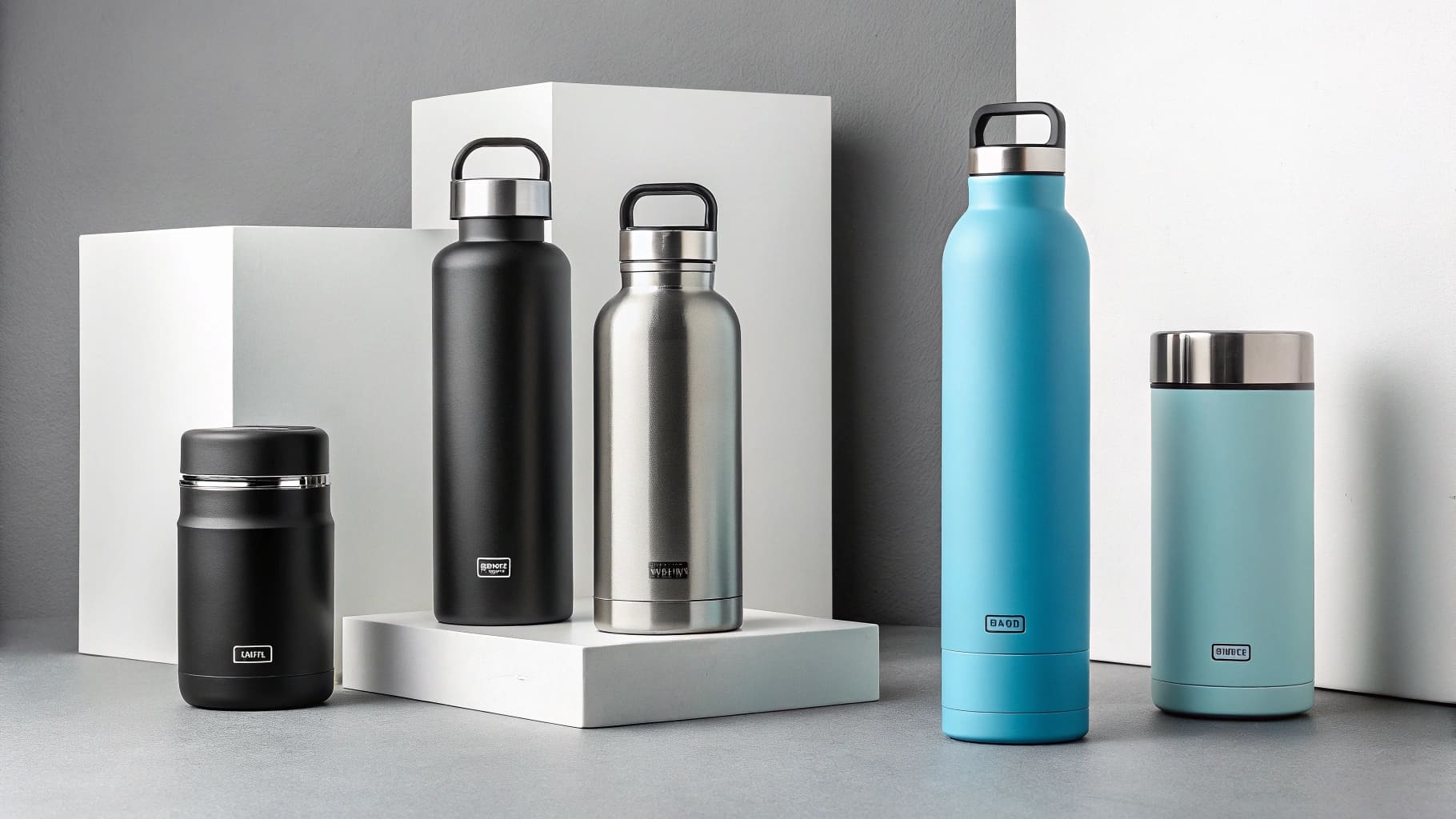
For buyers like Mark, who are sensitive to quality, knowing how to check it is vital. He often worries about issues like certificate fraud, which unfortunately can happen. So, relying on more than just a piece of paper is important. Here are some methods I've found useful over the years at Icobottle.
1. Documentation Review
This is your starting point.
- Material Certificates: Ask your supplier for material test reports or certificates of conformity for the stainless steel grade they claim to use (e.g., confirming it's 304 or 18/8 stainless steel). These should ideally come from a reputable testing lab or the steel mill.
- Product Test Reports: Look for reports on things like FDA, LFGB, or other relevant food-grade compliance. These often include tests for heavy metal migration.
2. Visual and Physical Inspection
Your own eyes and hands can tell you a lot.
- Surface Finish: Look for a consistent, smooth finish. Any pitting, rust spots, or discoloration is a red flag. I once received samples that had tiny rust specks inside – an immediate rejection.
- Welds: If visible (e.g., at the bottom or where the neck joins the body), welds should be neat and smooth. Rough or incomplete welds can be weak points.
- Weight and Feel: While subjective, a bottle that feels unusually light might use thinner steel or be of poorer construction.
- Magnet Test (with caution): Generally, austenitic stainless steels like 304 and 316 are non-magnetic in their annealed state. However, cold working (like forming the bottle shape) can make them slightly magnetic. So, if a magnet sticks strongly, it could indicate a lower grade like 201, which is more magnetic. But this isn't foolproof; it's just one indicator among others.
3. Simple On-the-Spot Tests (for preliminary checks)
These aren't definitive but can raise flags.
- Salt Spray Test (DIY version): For a quick check, you can try a solution of salt water on an inconspicuous area (or a sample you're willing to sacrifice). Lower quality stainless steel will show signs of rust much faster than 304 or 316. This mimics long-term corrosion potential.
- Spark Test (requires expertise): Grinding a piece of the steel produces sparks. The color and shape of the sparks can indicate the type of steel, but this requires a trained eye and is usually done in a workshop setting.
4. Laboratory Testing (The Gold Standard)
For large orders or when high assurance is needed.
- Chemical Analysis (Spectrometry): Send a sample to an independent lab. They can precisely determine the elemental composition (chromium, nickel, molybdenum content) to confirm the exact grade of stainless steel. This is the most reliable method to avoid issues like material substitution. Mark sometimes opts for this when placing a very large order with a new supplier.
Here's a quick checklist for quality assessment:
| Check Method | What to Look For | Importance |
|---|---|---|
| Certificates | Steel grade confirmation, food-safety compliance | High |
| Visual Inspection | Rust, pitting, weld quality, finish consistency | High |
| Magnet Test | Strong magnetism (potential indicator of lower grade) | Medium |
| Lab Testing | Precise elemental composition, grade verification | Very High |
Combining these methods gives you a much stronger basis for judging quality. It's about building confidence in your supplier and the products you're buying.
What grade stainless steel is best for water bottles?
Confused about which stainless steel grade is best for your water bottles? Choosing incorrectly can affect product safety, durability, and your costs. Let's clarify the top choices.
For most water bottles, 304 (often called 18/8) stainless steel is excellent. It offers good corrosion resistance and is food-safe. For superior rust protection, especially with acidic drinks, 316 stainless steel is better.

Many B2B buyers, including those I work with at Icobottle, often ask for guidance on steel grades. My insights come from years of manufacturing and seeing how different grades perform. The "best" grade depends on your specific needs, target market, and what kind of beverages the bottles will hold.
Understanding Common Stainless Steel Grades for Food Contact
Let's look at the most relevant grades:
-
304 Stainless Steel (18/8 or 18/10):
- Composition: Typically contains 18% chromium and 8% nickel (18/8) or 10% nickel (18/10). Nickel enhances formability and corrosion resistance.
- Pros: This is the workhorse of the food and beverage industry. It has excellent corrosion resistance against most everyday foods and liquids, is durable, non-reactive (doesn't impart flavors), easy to clean, and relatively cost-effective. This is what most quality bottles use. It's the standard for a good reason.
- Cons: While generally robust, it can be susceptible to corrosion from very strong acids or high chloride environments (like prolonged contact with seawater or certain industrial chemicals, which usually isn't an issue for water bottles).
- My Take: For general purpose water bottles, coffee mugs, and tumblers, 304 (18/8) is the go-to. It balances performance, safety, and cost perfectly for most applications.
-
316 Stainless Steel:
- Composition: Similar to 304, but with the addition of molybdenum (usually 2-3%).
- Pros: The molybdenum significantly enhances corrosion resistance, especially against chlorides and various industrial acids. This makes it a more robust choice for harsher environments or more acidic contents. It's often called "marine grade" or "surgical steel" (though specific surgical grades can vary).
- Cons: It is more expensive than 304 stainless steel.
- My Take: If your brand targets a premium market, or if the bottles are specifically intended for acidic beverages (like some fruit juices or electrolyte drinks left for extended periods), or if you want the absolute best in corrosion resistance, then 316 is a superior option. We offer 316 for clients who want that extra assurance or premium positioning.
-
201 Stainless Steel (and other 200-series):
- Composition: Lower nickel content, with manganese and nitrogen added to maintain an austenitic structure.
- Pros: Cheaper than 300-series stainless steels.
- Cons: Significantly lower corrosion resistance compared to 304. It's more prone to rust and pitting, especially with acidic or salty contents. The higher manganese content has also raised some health concerns in certain regions regarding long-term food contact, though regulations vary.
- My Take: I generally advise against 201 stainless steel for drinkware that will be sold in markets like America or Europe where consumers expect higher quality and safety standards. The cost saving isn't worth the potential risk to quality and brand reputation.
Here's a comparison table to help you decide:
| Feature | 304 (18/8) Stainless Steel | 316 Stainless Steel | 201 Stainless Steel (Use with Caution) |
|---|---|---|---|
| Corrosion Resistance | Good | Excellent | Fair to Poor |
| Food Grade Safety | Yes (Standard) | Yes (Premium) | Questionable for some applications/regions |
| Cost | Moderate | Higher | Lower |
| Common Uses | General water bottles, food containers | Premium bottles, acidic drinks, marine environments | Budget items (not recommended for drinks) |
| Nickel Content | ~8-10.5% | ~10-14% | ~3.5-5.5% (higher manganese) |
| Molybdenum Content | No | Yes (~2-3%) | No |
Ultimately, for most B2B clients targeting markets like the US and Europe, 304 (18/8) stainless steel provides the best balance of quality, safety, and cost for water bottles. If you want to offer a premium line or cater to specific needs involving more corrosive substances, then 316 is an excellent upgrade. Always clarify the steel grade with your supplier!
Conclusion
Choosing the right stainless steel bottle means checking steel grade, insulation, and build. Prioritize 304 or 316 steel for best results. This ensures quality for your brand.