
Trendy Insulated Tumblers: Which Finishes Resist Fingerprints and Abrasion?
You ordered 5,000 premium tumblers with beautiful finishes. Three months later, your customers complain about visible fingerprints and scratches. Your brand reputation takes a hit, and returns pile up.
Powder coating and UV finishes1 offer the best resistance to fingerprints and abrasion. Powder-coated tumblers create a thick protective layer that withstands daily handling, while brushed stainless steel resists scratches but shows fingerprints more easily.
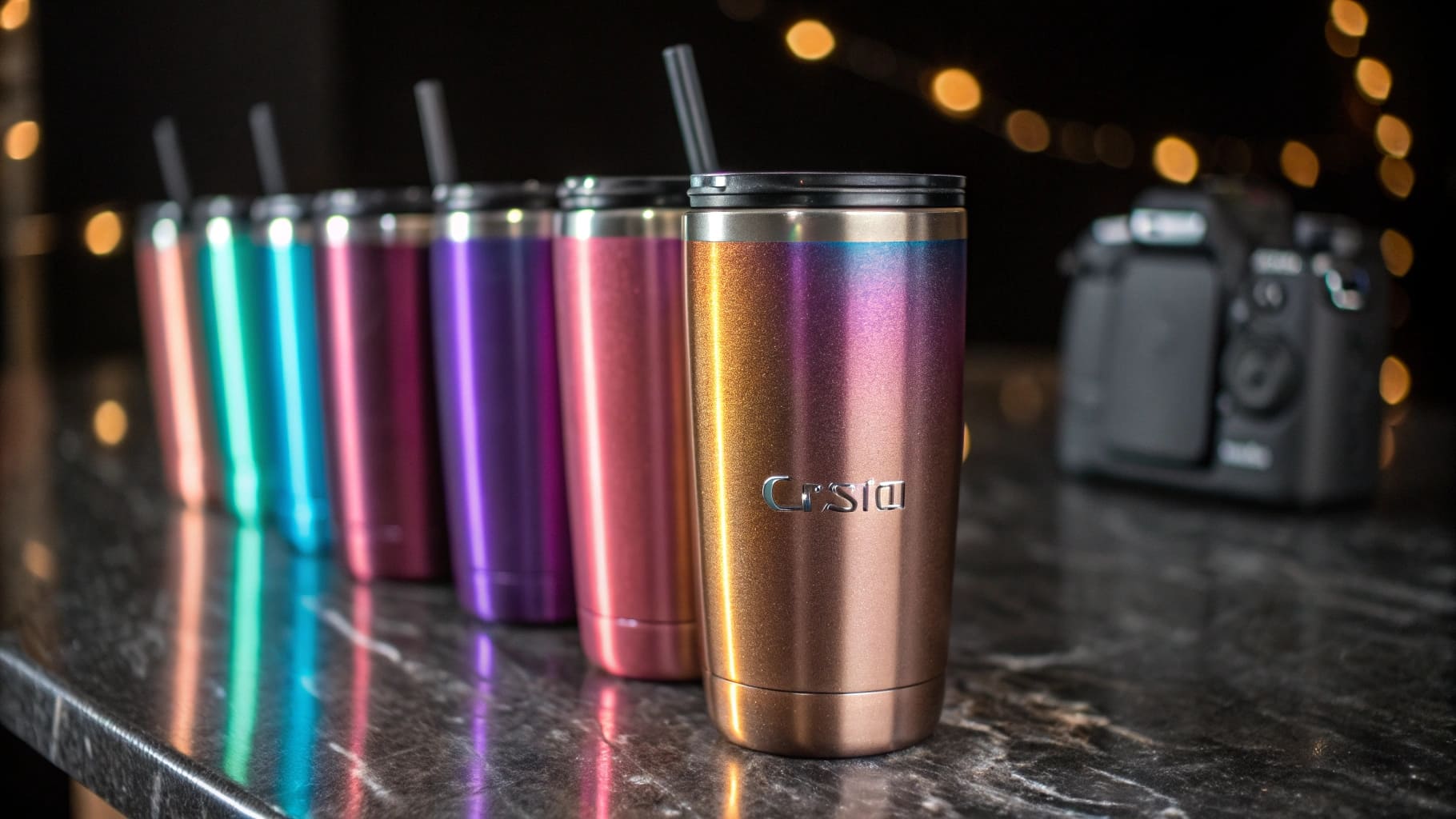
I have worked with hundreds of B2B buyers who face this exact problem. They choose tumblers based on appearance, but forget about how the finish performs after weeks of use. The finish you select impacts customer satisfaction more than you think. Let me walk you through what actually works.
What Are Insulated Tumblers Made Of?
You need to understand the foundation before choosing any finish. Poor base materials make even the best coatings fail. Most buyers skip this step and regret it later.
Insulated tumblers use 304 18/8 or 316 stainless steel as their core material. These grades resist rust and maintain drink purity without metallic taste. The double-wall vacuum construction2 keeps beverages hot or cold for hours.
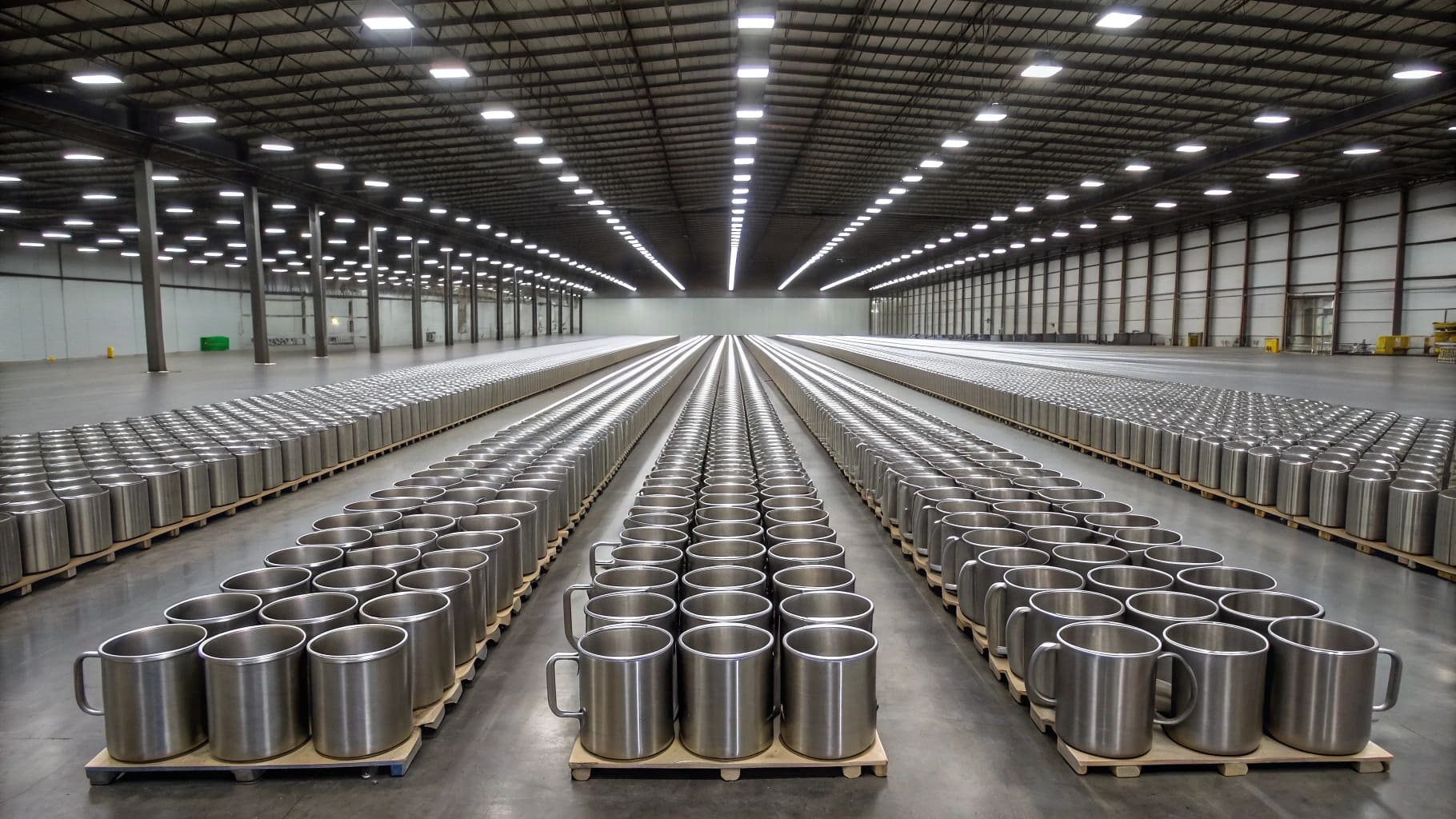
Stainless steel dominates the premium tumbler market for good reason. I see buyers asking about plastic, glass, ceramic, acrylic, and bamboo options. These materials exist, but they serve different purposes. Glass tumblers break easily during shipping. Plastic cannot match the temperature retention of steel. Ceramic adds too much weight for daily carry. Acrylic scratches faster than stainless steel. Bamboo needs special care to prevent mold.
The 304 grade contains 18% chromium and 8% nickel. This combination creates a protective layer that stops corrosion. The 316 grade adds molybdenum, which increases resistance to chloride and saltwater. For B2B buyers targeting coastal markets or marine use, 316 makes sense. For standard consumer markets, 304 provides everything you need at a lower cost.
I tested both grades with my customers. The 316 grade costs about 20-30% more than 304. Unless your customers specifically need extra corrosion protection, the 304 grade performs perfectly. I recommend 316 only for specialized markets like boat owners or beach resorts.
| Material Type | Rust Resistance | Cost Factor | Best Use Case |
|---|---|---|---|
| 304 18/8 Steel | Excellent | Standard | General consumer market |
| 316 Steel | Superior | +20-30% | Marine, coastal areas |
| Plastic | Poor | Lowest | Budget segment |
| Glass | N/A | Medium | Home use only |
Is There a Clear Insulated Tumbler?
You want to show off colorful drinks or monitor beverage levels. Clear elements add visual appeal. But you wonder if transparency compromises insulation performance.
Clear insulated tumblers exist with transparent outer walls or clear lids. The transparent sections use double-wall acrylic or Tritan plastic. These materials maintain vacuum insulation while allowing visibility of the contents inside.
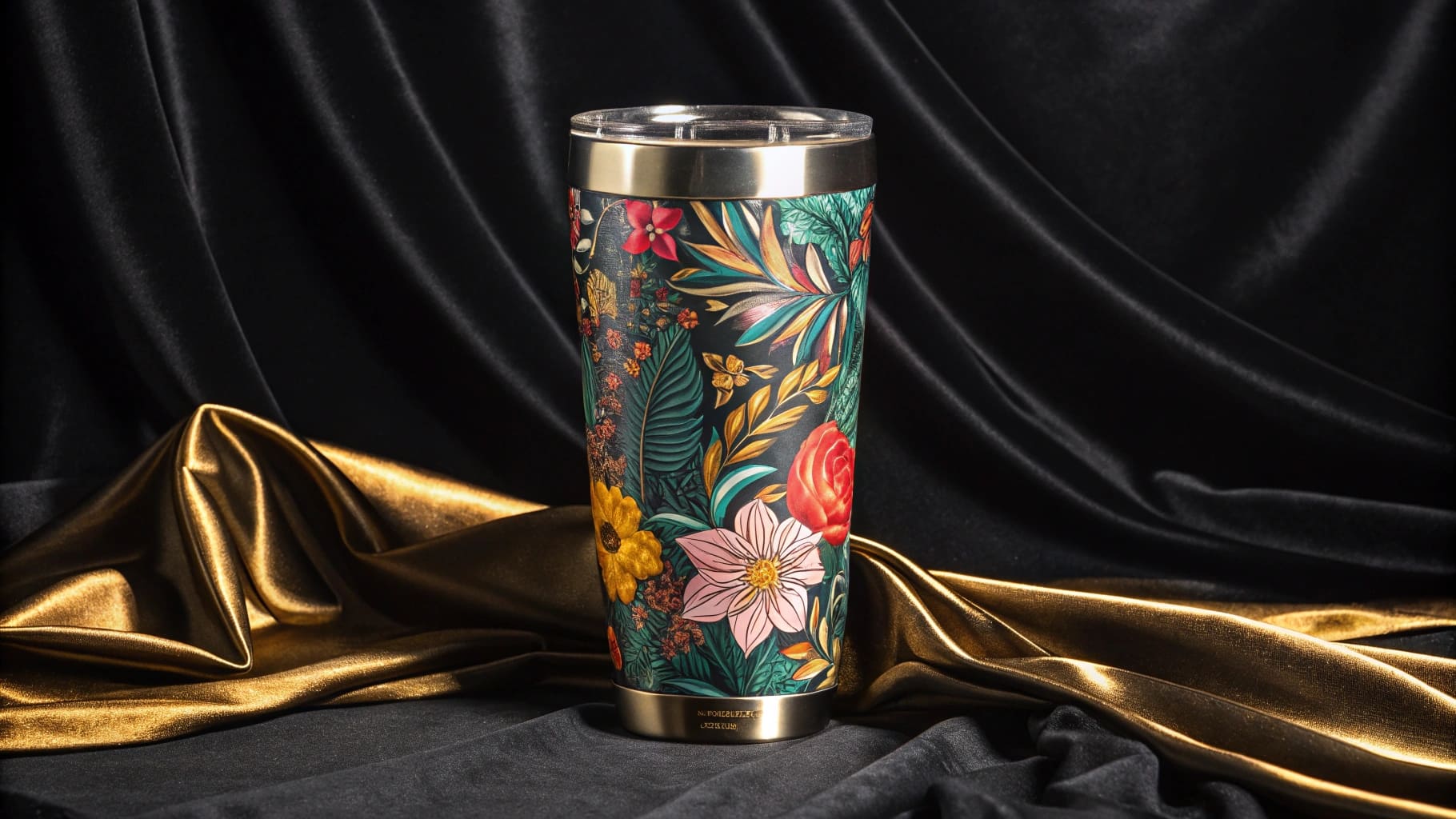
I sell two types of clear tumblers to my B2B customers. The first type uses a clear acrylic outer wall with a stainless steel inner wall. This design shows the beverage color while keeping drinks cold for 4-6 hours. The second type uses a full stainless steel body with a clear lid. The lid lets users check liquid levels without removing it.
The full-clear acrylic design looks impressive but has limitations. Acrylic scratches more easily than stainless steel. Fingerprints show clearly on the transparent surface. The insulation performance drops compared to full stainless steel construction. I see temperature retention around 4-6 hours instead of 8-12 hours with steel.
The clear lid option works better for B2B buyers focused on performance. Your customers get the visibility they want without sacrificing temperature retention. The lid costs about $0.50-1.00 more per unit than standard lids. This small increase protects your main product features.
I had a customer in Toronto who insisted on full-clear tumblers. After six months, he switched to steel bodies with clear lids. His customers loved seeing their smoothies through the top, but the scratched acrylic walls looked cheap after a few weeks. The clear lid solution gave him the visual appeal without the durability problems.
| Clear Tumbler Type | Insulation Hours | Scratch Resistance | Cost Premium |
|---|---|---|---|
| Full acrylic outer | 4-6 hours | Low | +$1-2 per unit |
| Steel with clear lid | 8-12 hours | High | +$0.50-1 per unit |
| Double-wall Tritan | 6-8 hours | Medium | +$1.50-2.50 per unit |
What Is the Famous Tumbler?
You see certain tumbler brands everywhere. Coffee shops, gyms, and offices all carry the same recognizable designs. These products set industry standards that influence buyer expectations.
The Stanley Quencher and YETI Rambler represent the most recognized tumbler brands globally. These products established consumer expectations for insulation performance, durability, and premium pricing in the reusable drinkware market.
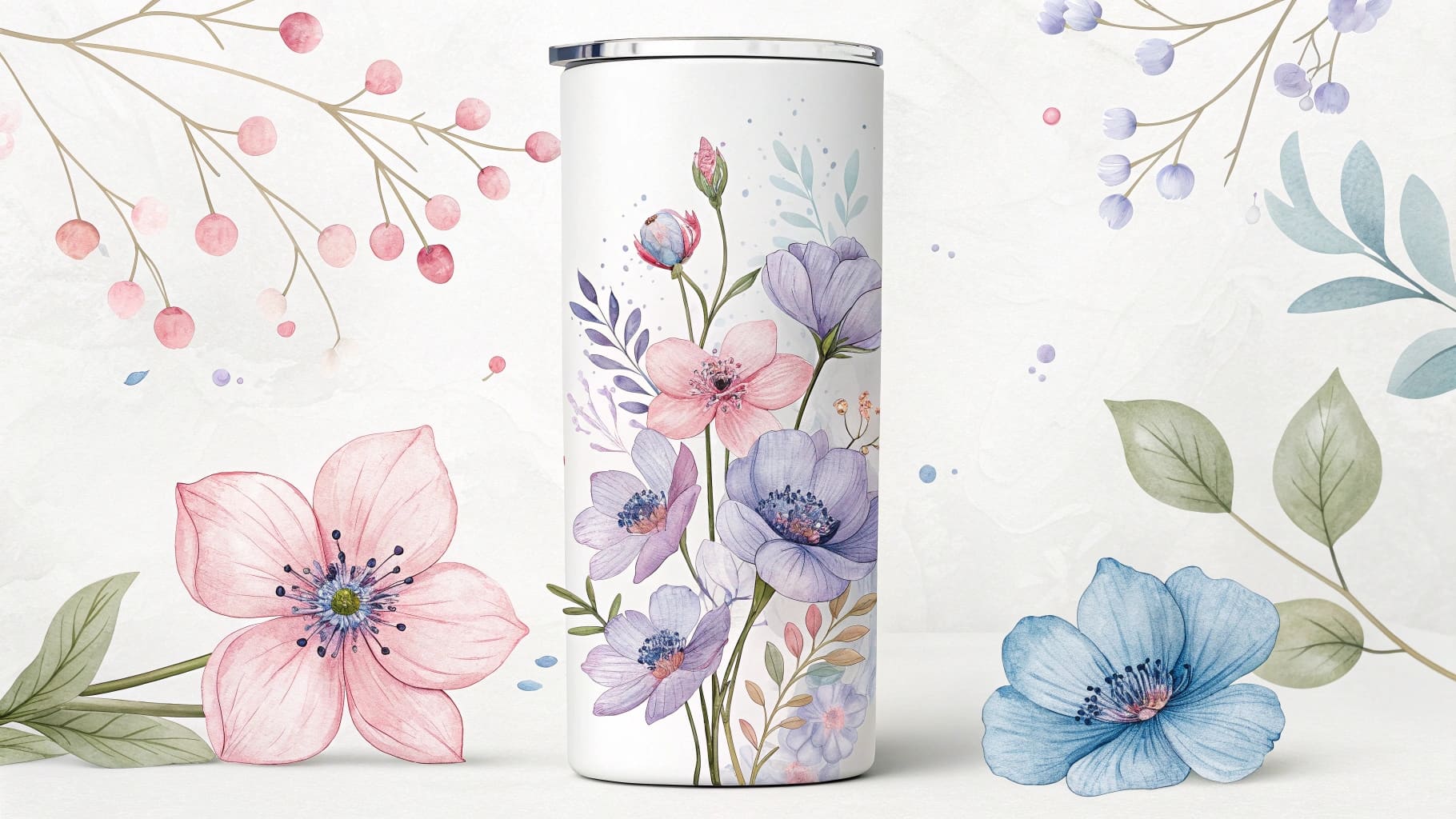
Stanley achieved viral success with their 40oz Quencher model. The design features a tapered base for cup holders, a handle for easy carrying, and a straw lid. The powder-coated finish comes in dozens of colors. I watched this product create a buying frenzy that surprised even experienced retailers. People collect multiple colors like fashion accessories.
YETI built their reputation on extreme durability and performance. Their Rambler line uses kitchen-grade 18/8 stainless steel with double-wall vacuum insulation. The DuraCoat finish resists fading, peeling, and cracking. YETI prices sit 30-50% higher than standard tumblers, but customers pay it willingly.
Both brands succeeded by focusing on finish quality and temperature performance. Stanley uses powder coating exclusively. YETI developed their proprietary DuraCoat technology. These finishes resist the fingerprints and scratches that plague cheaper tumblers.
I study these brands because my B2B customers ask for similar products. They want the Stanley shape with their logo. They request YETI-quality finishes at better prices. Understanding what made these brands famous helps me guide buyers toward realistic expectations and achievable specifications.
The key lesson from famous tumblers is simple: finish quality separates premium from budget. Stanley and YETI both invested heavily in surface treatments that maintain appearance over years of use. When you select finishes for your tumblers, you compete directly with these established standards.
| Brand Feature | Stanley Quencher | YETI Rambler | Impact on Market |
|---|---|---|---|
| Signature finish | Powder coating | DuraCoat | Set durability standards |
| Price point | $35-45 | $30-60 | Established premium tier |
| Key innovation | Handle + straw lid | Superior insulation | Created feature expectations |
| Market position | Trendy lifestyle | Rugged performance | Defined two distinct segments |
Which Finish Actually Resists Fingerprints?
You need specifics, not general claims. Different finishes perform differently with fingerprints and scratches. I test these products daily, and the results surprise many buyers.
Powder coating provides the best fingerprint resistance among all tumbler finishes. The textured surface and thick coating layer prevent oils from showing clearly. Brushed stainless steel shows fingerprints easily but excels at hiding scratches.
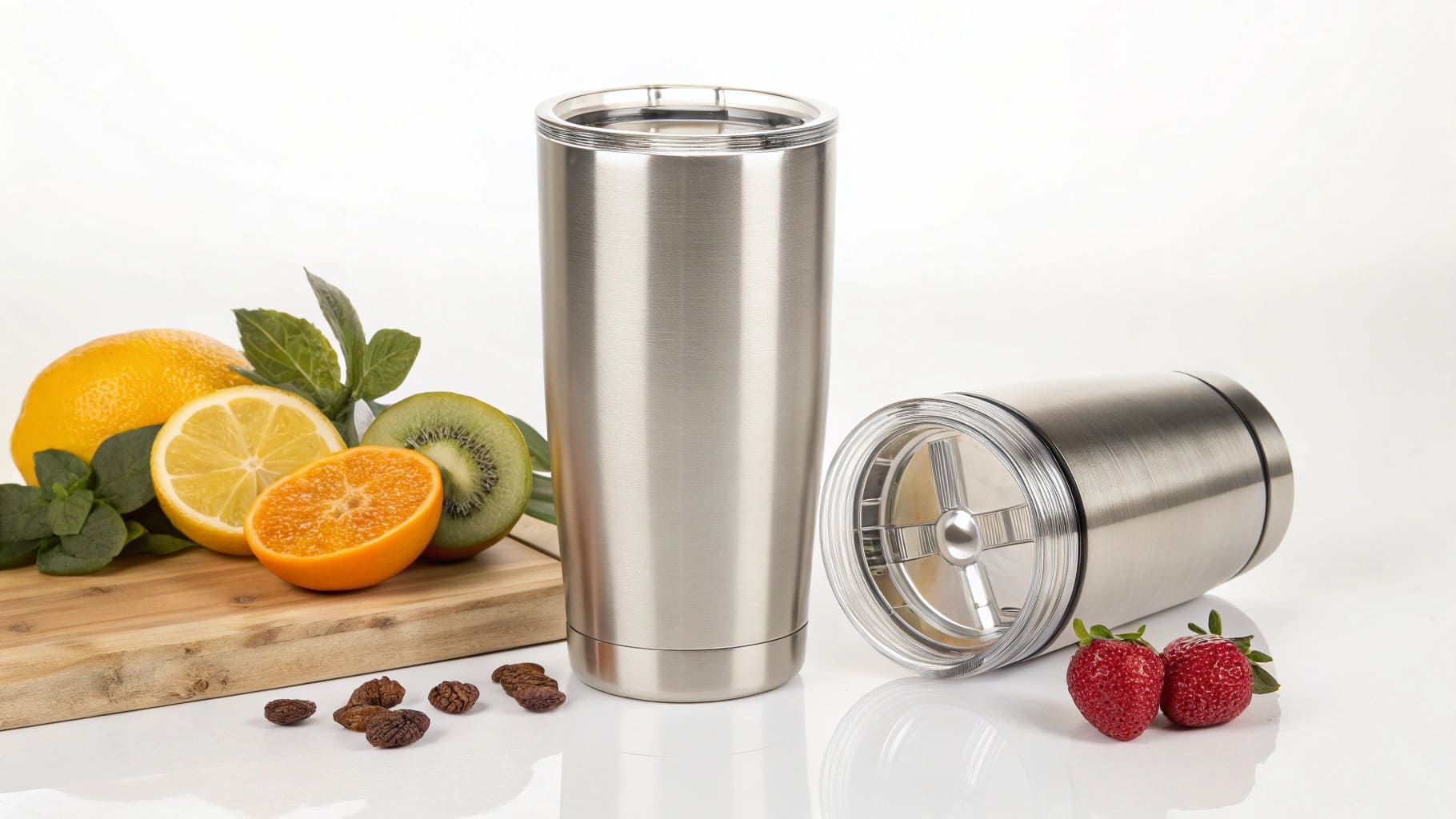
I run simple tests with my product samples. I press my thumb firmly on each finish type, then examine the mark under standard office lighting. Powder coating shows almost nothing. The slight texture breaks up the oil pattern. Spray painting shows moderate fingerprints. Brushed stainless steel shows every fingerprint clearly. Plain polished steel looks the worst.
For abrasion resistance, I use a coin scratch test. I drag a coin across each finish with consistent pressure. Powder coating3 resists scratches the best. The thick layer absorbs impact without showing marks. UV coating performs well but chips if hit hard. Spray painting scratches easily. Brushed stainless steel hides scratches in the grain pattern. Polished steel shows every scratch as a bright line.
The powder coating process explains these results. Manufacturers apply dry powder electrostatically, then cure it at 180-200°C. This creates a chemical bond with the base metal. The resulting layer measures 60-120 microns thick. Standard spray paint only reaches 20-40 microns. This thickness difference translates directly to better protection.
I recommend powder coating to all B2B buyers who want low-maintenance products. Your customers handle tumblers dozens of times daily. Fingerprints accumulate fast on poor finishes. Powder coating keeps tumblers looking new longer, which reduces complaints and builds brand loyalty.
The cost difference matters for procurement decisions. Powder coating adds $0.50-1.50 per unit compared to spray painting. The minimum order quantity often increases to 3,000-5,000 units because of setup costs. But the performance difference justifies this investment for premium brands.
I had a buyer in Vancouver who rejected powder coating initially because of cost. He chose spray painting to save $1 per unit on 3,000 tumblers. Six months later, he reordered with powder coating. The customer complaints about fingerprints and scratches cost him more in returns and brand damage than the $3,000 he saved.
| Finish Type | Fingerprint Resistance | Scratch Resistance | Layer Thickness | Cost Premium |
|---|---|---|---|---|
| Powder coating | Excellent | Excellent | 60-120 microns | +$0.50-1.50 |
| UV coating | Good | Good | 40-80 microns | +$0.80-1.20 |
| Spray painting | Fair | Poor | 20-40 microns | Standard |
| Brushed steel | Poor | Good | N/A | -$0.30-0.50 |
| Polished steel | Very poor | Poor | N/A | -$0.40-0.60 |
How Do Different Coatings Compare for B2B Buyers?
You balance cost, performance, and target market needs. Each coating serves specific customer segments. Wrong choices hurt sales and damage your brand reputation.
Powder coating suits premium consumer brands focused on daily use and appearance retention. UV coating works for mid-range products needing color variety. Brushed steel targets industrial or minimalist markets. Spray painting fits budget segments with lower durability expectations.
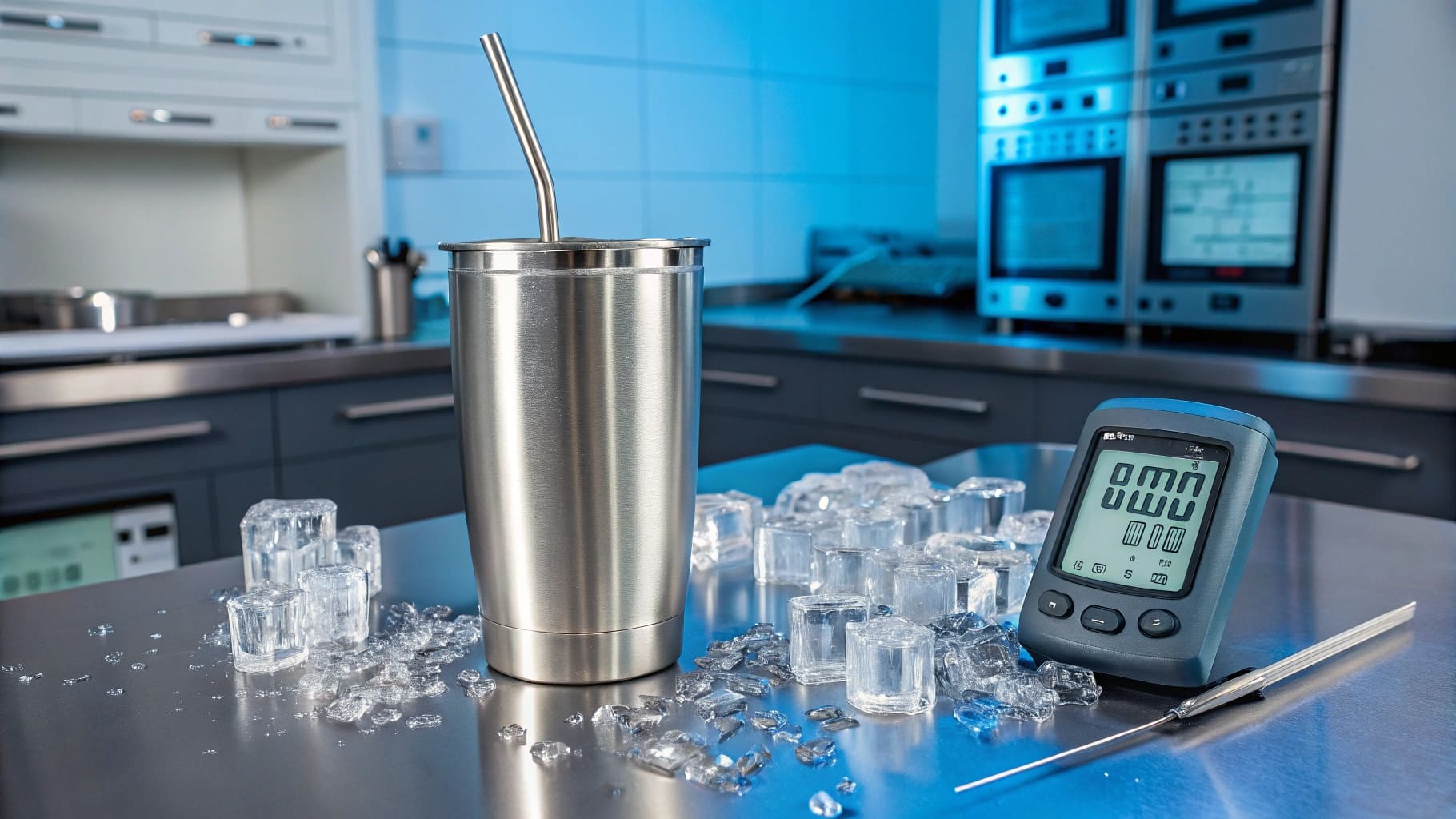
I help buyers match coatings to their business models. A startup selling to yoga studios needs powder coating in trendy colors. The customers use tumblers daily and expect them to look good after months of handling. A corporate gifts supplier might choose brushed steel because companies want simple, professional designs. The products sit on desks and face less intensive use.
The MOQ differences affect procurement planning significantly. Powder coating requires 3,000-5,000 units minimum because of the curing process setup. Spray painting accepts 1,000-2,000 units. Brushed steel has the lowest MOQ at 500-1,000 units. These numbers impact your inventory investment and market testing ability.
Lead times vary by finish type. Powder coating adds 3-5 days to production because of the curing and cooling cycle. UV coating adds 2-3 days. Spray painting and brushed steel follow standard timelines. If you need fast turnaround for seasonal markets, these delays matter.
I work with buyers who target different segments simultaneously. They order brushed steel for corporate clients who want classic designs. They order powder coating for retail customers who want colorful, durable products. This strategy spreads risk and serves multiple market needs.
The profit margin calculation changes with each finish. Powder coating costs more upfront but supports higher retail prices. Customers pay premium prices for products that resist wear. Brushed steel costs less but limits pricing power in consumer markets. Your target customer determines which approach maximizes profit.
| Coating Type | Best Market Segment | MOQ Range | Lead Time Impact | Price Premium Potential |
|---|---|---|---|---|
| Powder coating | Premium consumer | 3,000-5,000 | +3-5 days | High |
| UV coating | Mid-range retail | 2,000-3,000 | +2-3 days | Medium |
| Spray painting | Budget consumer | 1,000-2,000 | Standard | Low |
| Brushed steel | Corporate/Industrial | 500-1,000 | Standard | Medium |
What Maintenance Do Different Finishes Need?
You want to know how customers should care for different finishes. Proper maintenance extends product life and reduces complaints. Wrong care instructions damage finishes and frustrate buyers.
Powder-coated tumblers need only warm water and mild soap for cleaning. Avoid abrasive scrubbers and harsh chemicals. UV-coated products require similar gentle care. Brushed stainless steel tolerates more aggressive cleaning but shows water spots easily. Spray-painted finishes chip when scrubbed hard.
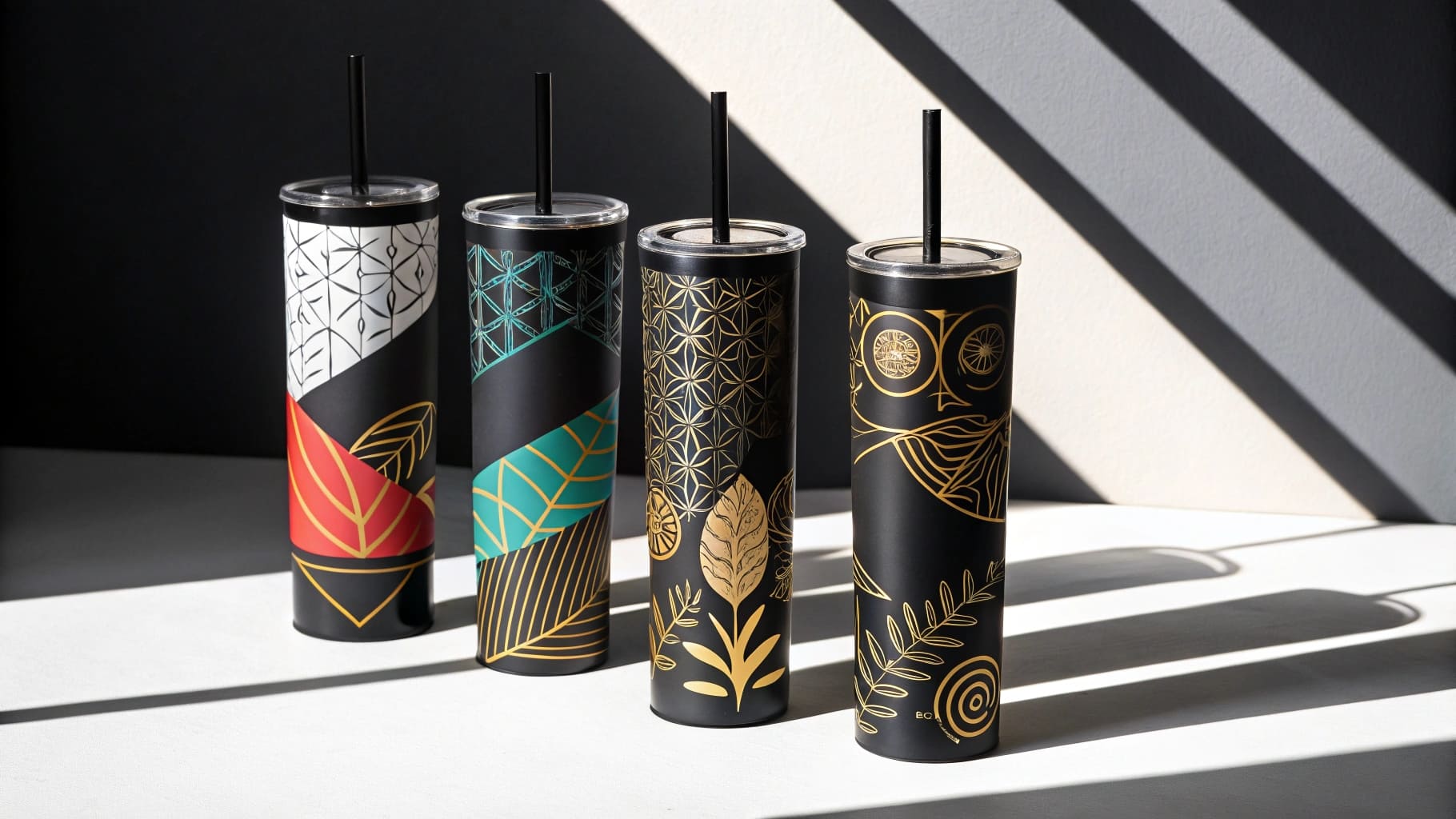
I include care cards with every shipment to my B2B buyers. The instructions prevent customer mistakes that damage products. Powder coating resists most household cleaners, but bleach and strong acids break down the finish over time. I tell end users to skip dishwashers for the first month. The high heat and harsh detergents can weaken new coatings.
Brushed stainless steel needs different care. Water spots appear after air drying. I recommend customers dry tumblers with a soft cloth immediately after washing. The brushed texture hides minor scratches, but deep gouges still show. Metal scrubbers ruin the directional grain pattern.
UV coating creates a glossy surface that shows water spots less than brushed steel. But the coating scratches more easily than powder coating. I warn customers against stacking UV-coated tumblers without protection. The rim edges scratch the coating on adjacent products.
Spray-painted finishes need the most careful handling. The thin coating chips when dropped or bumped against hard surfaces. I see more warranty claims for spray-painted products than any other finish. The lower upfront cost leads to higher customer service expenses.
I provide maintenance guidelines because they reduce complaints. B2B buyers appreciate when I help them educate their customers. Proper care instructions build trust and extend product lifespan. This creates repeat purchases and positive reviews.
The care requirements affect your target market selection. Premium customers accept detailed maintenance instructions. Budget c