
Travel coffee mugs vs plastic: What should I know about TCO, channel fit, and compliance for 2026?
Plastic still looks cheap on the quote sheet. But I see buyers lose money when taxes, delays, weak claims, and channel limits appear later.
I usually find that stainless steel travel coffee mugs beat plastic when I count full lifecycle cost, brand value, reuse rate, compliance risk, and retail channel fit. Plastic can still work for low-cost channels, but it becomes weaker when buyers face stricter rules and stronger sustainability demands.
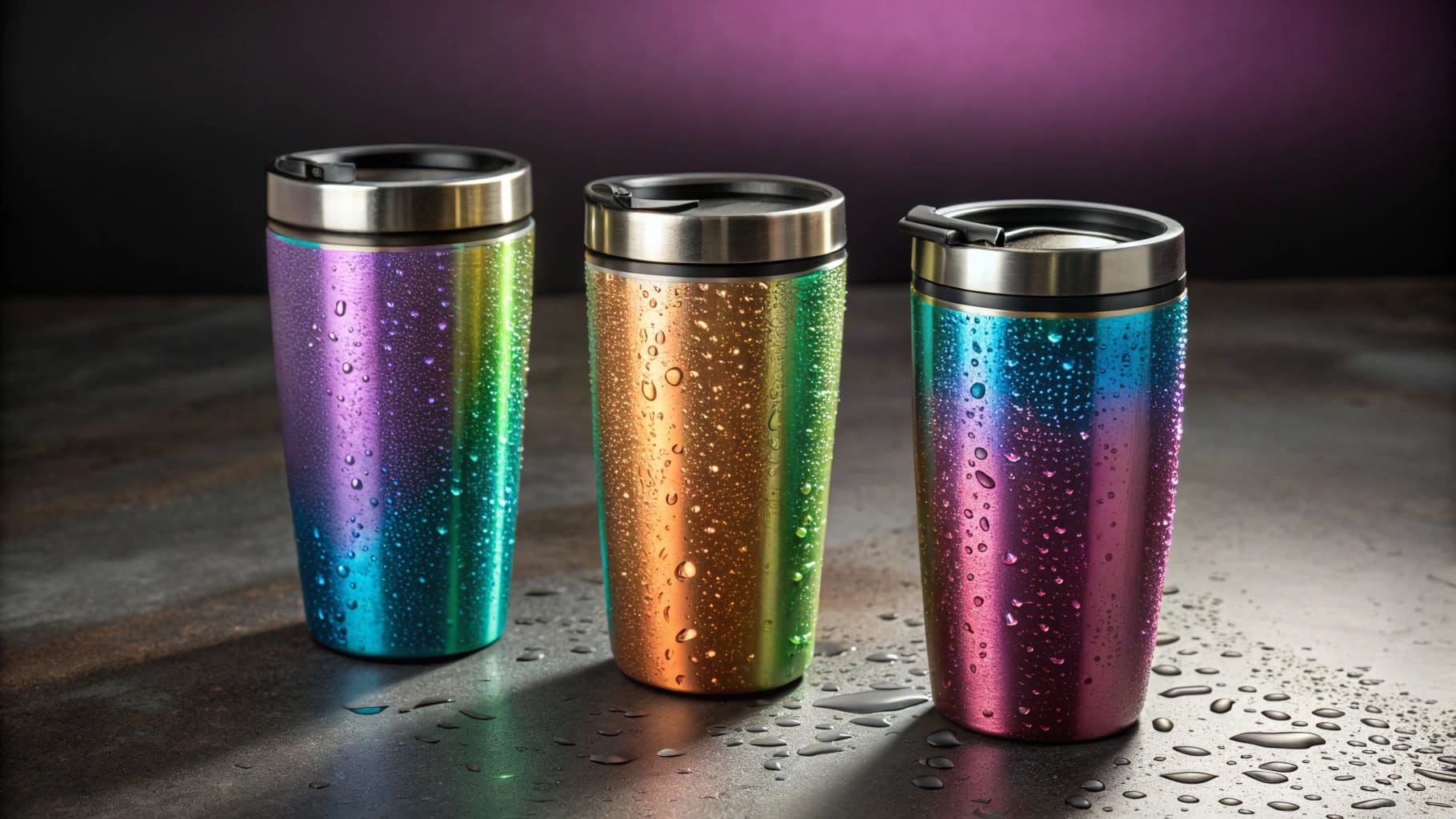
I have watched many drinkware buyers start with a simple question. They ask which cup is cheaper. I always ask a different question. I ask which cup keeps the margin safe after inspection, freight, certificates, customer complaints, and new rules. That is where the real answer starts to change.
A low unit price can look smart in a busy season. It can help a distributor fill stock fast. It can also hurt the buyer when a retailer asks for proof, when a shipment misses the selling window, or when the brand message no longer matches the product. I work with many B2B buyers who sell in America and Europe. I see the same pattern again and again. The best product is not always the cheapest product. The best product is the one that fits the channel, passes checks, and protects the buyer from hidden cost.
Why is a plastic cup preferred to a glass cup for water or tea?
Plastic feels like the safe choice. But I have seen buyers choose it too fast, then face weak shelf value and harder compliance talks.
I see plastic cups preferred over glass because they are light, hard to break, cheaper to ship, and easier to handle in bulk. For water or tea, plastic also lowers breakage risk in offices, events, schools, and travel channels.

My practical view from B2B sourcing
I understand why many buyers still start with plastic. Plastic is easy to explain to a purchasing team. It has a low first cost. It moves well in cartons. It does not break like glass during inland transport. It also works for basic water cups, event cups, and short-use programs. When I speak with buyers who move large volume, I know breakage is not a small issue. One broken glass cup can damage nearby products, slow warehouse work, and create a safety problem.
But I also see the limit. Plastic is not strong for every channel. If a buyer wants premium retail, corporate gifts, or a rebranded travel coffee mug program, plastic can feel too cheap1. It can also raise questions about odor, heat resistance, staining, and food contact claims. For hot tea and coffee, the buyer must be more careful. The material grade, wall thickness, lid seal, and test report all matter.
Cost factors I check before I compare plastic and glass
| Factor I check | Plastic cup | Glass cup | My buying note |
|---|---|---|---|
| First cost | Usually low | Medium to high | I do not stop at first cost |
| Breakage risk | Low | High | I include warehouse and return cost |
| Freight weight | Low | High | I check carton strength and volume |
| Heat use | Depends on grade | Usually stable | I ask for food contact tests |
| Brand image | Basic | Clean and clear | I match it with the selling channel |
| Reuse value | Medium | Medium | I compare it with stainless steel too |
Channel fit matters more than habit
I do not judge plastic only by the material name. I judge it by the channel. Plastic can fit mass events, budget promotion, and simple water use. Glass can fit cafes, homes, and design channels. Stainless steel can fit travel, corporate branding, outdoor use, and premium retail. This is where total cost of ownership becomes more useful than unit price.
When I help a buyer compare drinkware, I ask about end users first. I ask if the cup will sit on a desk, travel in a car, enter a retail store, or go into a company gift box. Each use case has a different risk. A glass cup may look better, but it can break. A plastic cup may ship better, but it may not support a premium price. A stainless steel travel mug often gives a better balance because it is durable, portable, and strong for custom logo work2.
Are to go coffee cups lined with plastic?
A paper coffee cup can look green. But I often see buyers get caught when the inside layer makes recycling and claims much harder.
Most to go coffee cups are lined with plastic, often polyethylene, because paper alone cannot hold hot liquid for long3. This lining helps stop leaks, but it also makes normal recycling and composting much harder in many markets.

What I check inside the cup
I always tell buyers that a paper cup is not only paper. The inside surface is the key detail. Most takeaway coffee cups need a barrier layer. Without that layer, coffee can soften the paper and leak through the seam. The common barrier is plastic. Some suppliers use other coatings, but I still ask for proof before I trust any eco claim.
This matters a lot for buyers who sell to retail chains, offices, cafes, and corporate clients. A product can look sustainable on the shelf, but the claim can fail when a customer asks how it is recycled. If the cup has a plastic lining, it may need a special recycling stream. Many local systems do not accept it. That means the buyer may carry more brand risk than expected.
Common lining choices and buyer risk
| Cup type I see | Typical barrier | Main benefit | Main risk for B2B buyers |
|---|---|---|---|
| Standard paper coffee cup | Plastic lining | Low cost and leak control | Harder recycling claim |
| Compostable-looking paper cup | Bio-based coating | Better story in some channels | Needs correct composting facility |
| Double-wall paper cup | Plastic or coated paper | Better hand feel and heat control | More material and more questions |
| Stainless steel travel mug | No inner plastic liner for the body | Long reuse and premium feel | Higher first purchase cost |
Why this changes TCO
I do not view lined paper cups as a simple replacement for plastic cups. I see them as a different compliance problem. The cup may reduce visible plastic. It may improve consumer feeling at first. But the total cost can rise if the buyer needs extra documentation, special disposal claims, or packaging changes.
For B2B buyers, the risk is not only technical. It is also communication risk. A sales team may promise that a cup is eco-friendly. A procurement team may not know what the lining means. A retailer may ask for test reports and disposal instructions. If the supplier cannot explain the material clearly, the buyer loses time. This is one reason I prefer clear product positioning. If the product is disposable, I state the limits. If the product is reusable, I focus on use life, quality inspection, and brand value.
Why stainless steel becomes easier to explain
A stainless steel travel coffee mug is not perfect for every budget. But it is easier to explain in many premium channels4. I can show the buyer the steel grade, the coating, the logo process, the lid material, and the test plan. I can also discuss replacement lids, silicone boots, straws, cleaning brushes, and gift packaging. The story is more complete. The buyer can sell reuse instead of disposal. That helps when corporate customers want fewer single-use items and stronger brand gifts.
Why are paper cups better than plastic cups?
Paper cups sound better in a meeting. But I have seen this simple claim fail when buyers ignore lining, local rules, and end-of-life proof.
I see paper cups as better than plastic cups only in some cases. They can use renewable fiber and give a better public image, but plastic linings, coating claims, and disposal limits can reduce the real advantage.
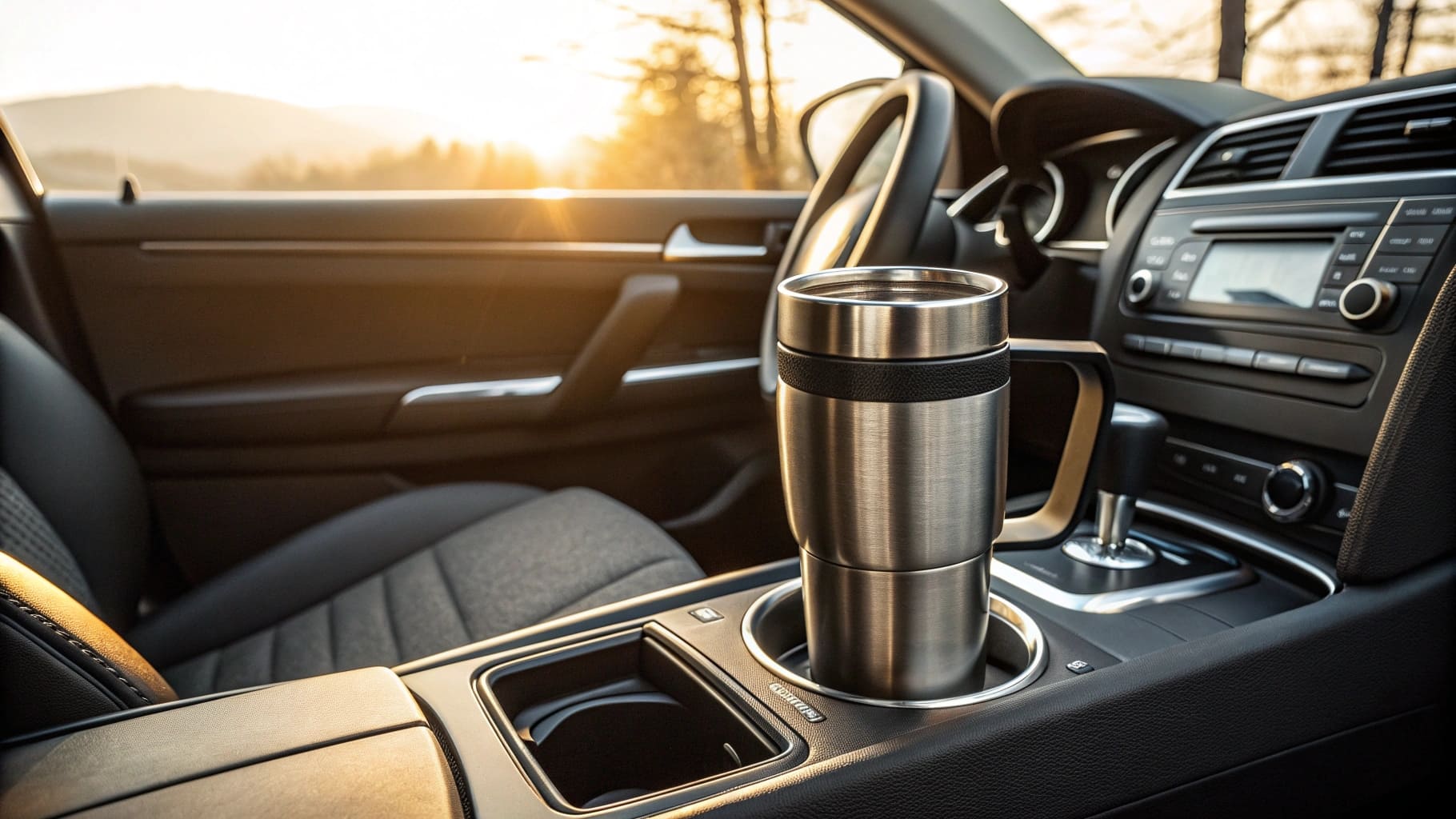
Where paper cups really help
I do not reject paper cups. They can be useful. A paper cup can feel more natural to the customer. It can carry printed artwork well. It can support a cafe image better than a thin plastic cup. It can also reduce the amount of visible plastic in a store. For some brands, that matters.
But I do not call paper automatically better. I ask where the cup will go after use. If the answer is mixed waste, the benefit becomes smaller. If the cup uses a plastic lining and the local recycler cannot handle it, the claim becomes weak. If the buyer sells in a strict market, weak claims can become a real cost.
Paper, plastic, and stainless steel in channel terms
| Material choice I compare | Best channel fit | Weak point | How I position it |
|---|---|---|---|
| Plastic disposable cup | Budget events and low-cost service | Regulation and brand pressure | I use it only when the channel accepts it |
| Paper disposable cup | Cafes and public-facing service | Lining and disposal limits | I check the claim before I sell the story |
| Glass cup | Home, cafe, and design use | Breakage and freight cost | I use it when visual value matters |
| Stainless steel travel mug | Retail, corporate gifts, travel, outdoor, premium rebrand | Higher upfront cost | I use it when reuse and brand value matter |
My TCO method for 2026 planning
When I talk with a company owner or procurement officer, I do not only quote a unit price. I build a simple total cost picture. I include product cost, logo cost, packaging, inspection, certification, freight, duty, storage, complaints, and the risk of missed selling seasons. I also include the cost of weak compliance. This is important for buyers selling in America and Europe.
A stainless steel travel mug may look more expensive at first. But it can support a higher resale price. It can carry a brand logo for a long time. It can reduce repeat buying of disposable cups. It can also fit corporate sustainability programs5. For distributors, that matters. A buyer can rebrand a good mug and sell it as a premium item. The margin can be stronger because the product feels durable and useful.
The compliance question I ask before production
I always ask for clear documents before I trust a production plan. I want food contact test reports. I want coating details. I want lid material details. I want carton drop strength to match the shipping route. I also want production photos and inspection steps. This is not only about avoiding fraud. It is about saving time.
Delayed shipments can destroy a peak season. A weak certificate can block a deal. A poor lid can create complaints after the product reaches Canada, America, or Europe. I have seen buyers lose more money from these issues than from a higher unit price. So I treat compliance as part of cost, not as an extra document after the order.
For 2026, I believe the better question is not whether paper beats plastic. I believe the better question is whether the product fits the channel and the rule trend. If the buyer needs a low-cost short-use cup, paper may help the image. If the buyer needs a stronger brand product, stainless steel travel mugs usually create a better path.
Conclusion
I choose drinkware by full cost, channel fit, and proof. For 2026, stainless steel travel mugs give me the strongest long-term B2B position.
-
"How To Choose the Right Corporate Gifts?", https://insights.ehl.edu/how-to-choose-corporate-gifts. Industry surveys on promotional and corporate gifting products indicate that recipients and buyers associate material quality with brand perception, with metal and glass items consistently rated higher in perceived value than plastic equivalents in premium gifting contexts. Evidence role: general_support; source type: research. Supports: That material quality, including the choice between plastic and metal, is a significant factor in product acceptance and perceived value in corporate gifting and premium retail channels. Scope note: Findings from promotional products industry surveys may reflect self-reported preferences rather than actual purchasing behavior, and results can vary by industry sector and gift budget range ↩
-
"Laser Etching vs Laser Engraving vs Laser Marking", https://www.keyence.com/products/marker/laser-marker/resources/laser-marking-resources/laser-etching-vs-laser-engraving.jsp. Technical comparisons of drinkware decoration methods indicate that laser engraving and electrochemical etching on stainless steel produce permanent marks resistant to dishwasher cycles and abrasion, whereas pad printing and UV printing on plastic substrates are more susceptible to fading and peeling with repeated use. Evidence role: mechanism; source type: research. Supports: That stainless steel substrates support durable decoration methods such as laser engraving and powder coating that maintain logo quality through repeated use and washing cycles better than plastic alternatives. Scope note: Durability outcomes depend on the specific decoration method, surface treatment, and use conditions; this general comparison may not apply to all production processes ↩
-
"Paper cup", https://en.wikipedia.org/wiki/Paper_cup. Paper cups used for hot beverages are typically laminated with a thin layer of polyethylene to prevent liquid absorption and leakage through the paper substrate, a construction detail that complicates conventional paper recycling streams. Evidence role: definition; source type: encyclopedia. Supports: That standard single-use paper coffee cups are laminated with a thin polyethylene layer to provide liquid resistance. Scope note: General encyclopedic sources may not distinguish between cup grades or regional manufacturing variations ↩
-
"Stainless Steel Drinkware Market Research Report 2033", https://dataintelo.com/report/global-stainless-steel-drinkware-market. Market research on the reusable drinkware segment indicates sustained growth in stainless steel travel mug sales, driven by consumer preference for durable, brandable products in premium retail and corporate gifting contexts. Evidence role: general_support; source type: research. Supports: That stainless steel reusable drinkware commands a premium market position and is growing in corporate and retail gifting channels. Scope note: Market research reports vary in methodology and scope; findings may reflect specific regional markets rather than global B2B procurement trends ↩
-
"General Guidelines for Sustainable Purchasing - ppt.pitt.edu", https://www.ppt.pitt.edu/suppliers/sustainability-initiatives/general-guidelines-sustainable-purchasing. Lifecycle assessment studies comparing reusable and single-use cups generally find that reusable cups achieve a lower per-use environmental impact after a break-even number of uses, typically ranging from 20 to over 100 uses depending on material, washing method, and the single-use cup type used as the baseline. Evidence role: mechanism; source type: research. Supports: That reusable cups, when used a sufficient number of times, have a lower cumulative environmental impact than single-use disposable cups, supporting their inclusion in corporate sustainability procurement programs. Scope note: Break-even use thresholds vary substantially across studies depending on assumptions about energy sources, washing frequency, and the specific materials compared; results should not be generalized without reference to the relevant product and use context ↩