
Are you finding it hard to choose the right insulated bottles for your business? So many options exist. This guide will help you understand them better.
Insulated water bottles are great. They keep drinks hot or cold. They are strong and reusable. For businesses like yours, picking quality materials is very important. This keeps your customers happy.

As a business owner or procurement manager, like my client Mark Shenng from Canada, you know that what end-users want is very important. Their questions show what the market needs. Let's look at common questions your customers might ask. And let's see what this means when you buy bottles for your business. I've seen many buyers like Mark succeed by understanding these details.
Is an insulated water bottle good for health?
Worried if your drinkware is safe? People are concerned about plastics. They want safe choices. Stainless steel bottles are a healthy and trustworthy option.
Yes, good quality stainless steel insulated bottles1 are very healthy. They do not leak chemicals like some plastics can. They are also BPA-free. This means your drinks taste pure and safe.
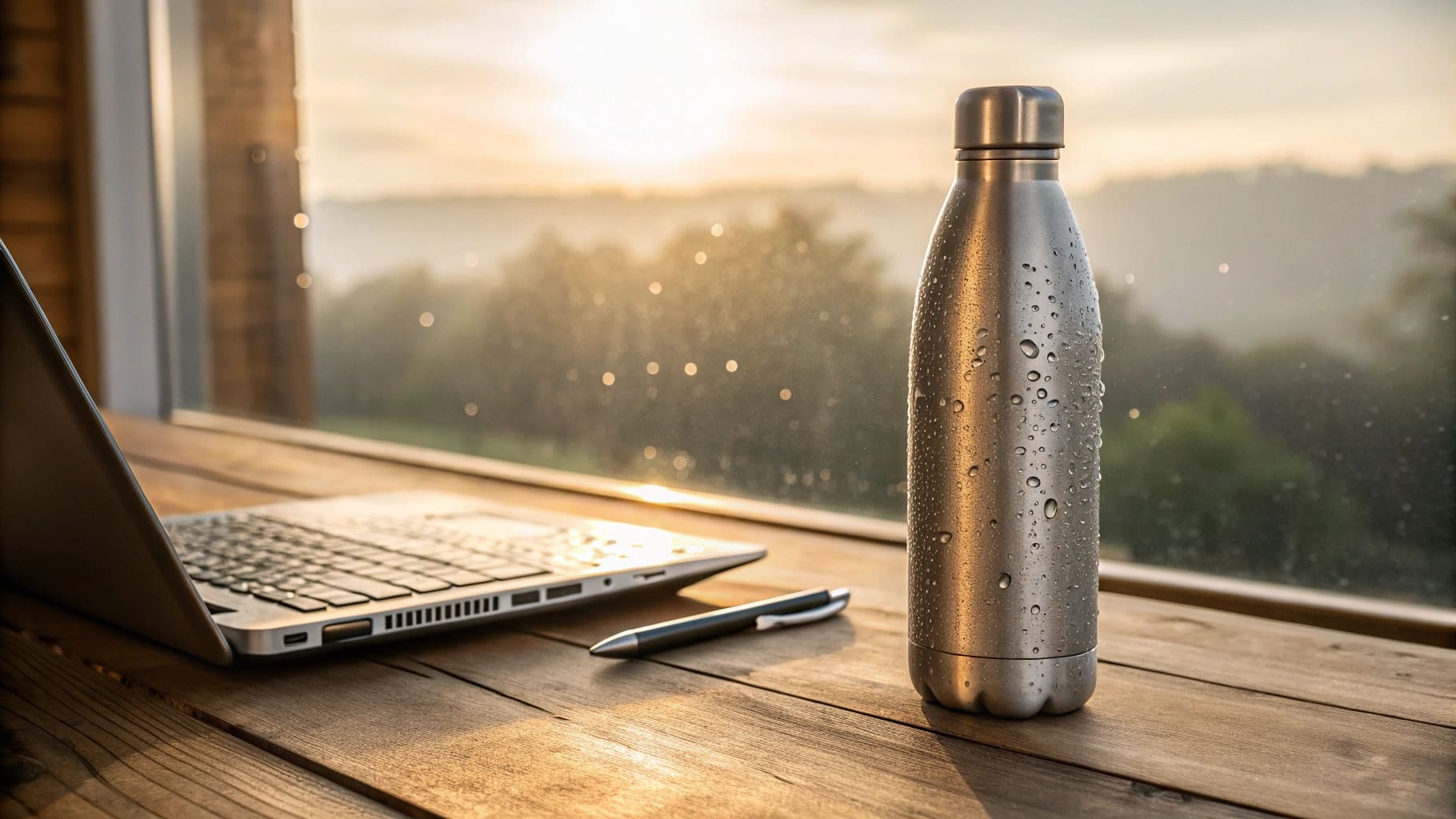
When your customers ask if an insulated bottle is healthy, they're really asking about the materials. As someone in this business for years, I can tell you material choice is everything. It directly impacts your reputation.
What Makes Stainless Steel Healthy?
The main reason stainless steel is healthy is its stability. Good quality stainless steel, like the 304 grade we often use at Icobottle, doesn't react with drinks. It doesn't break down and release tiny, harmful particles into the water. This is different from some plastics that can leach chemicals, especially if they get warm or old. We always ensure our steel is top-grade. I remember a client who switched from plastic bottles after his customers started asking for safer options. He found that highlighting "food-grade stainless steel2" really boosted his sales.
The Importance of Food-Grade Materials
"Food-grade" means the material is safe for direct contact with food and drinks. For stainless steel, this usually means Type 304 (also known as 18/8). This type has a good amount of chromium and nickel. These elements make it resist rust and corrosion. So, no metallic taste and no harmful rust.
| Feature | Benefit for Health | Why it matters for B2B Buyers |
|---|---|---|
| Non-leaching | No harmful chemicals in drinks | Builds end-user trust |
| BPA-Free | Avoids potential hormone disruption | Meets consumer demand |
| Rust-resistant | Prevents contamination, maintains purity | Ensures product longevity |
| Non-reactive | Preserves original taste of beverage | Higher customer satisfaction |
Verifying Quality for Your Business
For buyers like Mark, who focuses on quality, verifying the steel grade is important. You should ask for material certifications from your supplier. Reputable suppliers, like us at Icobottle, can provide these. It ensures you are getting what you paid for and that the bottles are safe for your customers. This protects your brand and reduces problems later.
Can you put lemon in a stainless steel bottle overnight?
Your customers love adding lemon to their water. But will acidic drinks damage the bottles? Corrosion or odd tastes can ruin a good product. Good stainless steel handles these drinks easily.
Yes, you can safely put lemon or other acidic drinks in a high-quality stainless steel bottle overnight. Food-grade stainless steel is made to resist corrosion from these types of beverages.
The question about lemon water is really about how well the bottle material resists acids. This is a key point for product quality and versatility. Your customers will use these bottles for many different drinks.
Understanding Material Resistance to Acidity
High-quality stainless steel, especially Type 304 (18/8), is very good at resisting corrosion from common food acids. This includes citric acid from lemons, lactic acid from milk, or acetic acid from vinegar. The chromium in the steel forms a passive layer. This layer protects the steel from reacting with the acid. So, the bottle shouldn't pit or rust. And it shouldn't give the water a metallic taste, even if lemon water sits overnight. I had a case where a startup boss was worried about this. We sent him samples to test with lemon water for a week. He was very happy with the results.
304 vs. 316 Stainless Steel: Which is Better for Acidic Drinks?
While 304 stainless steel is excellent for most uses, including lemon water, there's an even more resistant option: 316 stainless steel. It has molybdenum added. This makes it extra resistant to corrosion, especially from chlorides and stronger acids.
| Steel Grade | Composition Highlight | Corrosion Resistance | Common Use | Cost Factor |
|---|---|---|---|---|
| 304 (18/8) | 18% Chromium, 8% Nickel | Excellent | Standard food/beverage applications, lemon water | Standard |
| 316 | Adds Molybdenum | Superior | Marine environments, highly acidic/saline | Higher |
For most everyday uses, like lemon water in a bottle, 304 steel is perfectly fine and cost-effective. If your target market often uses very acidic drinks or needs extreme durability, 316 might be a premium option to offer. This is something Mark and I discuss when he plans new product lines.
Ensuring Product Versatility for End-Users
When you source bottles, you want them to be versatile for your customers. They should feel confident using their bottle for water, tea, coffee, or lemon-infused water. Choosing the right stainless steel grade ensures this versatility. It reduces complaints about taste transfer or corrosion. This means happier customers and a stronger brand for you.
Can you put boiling water in a stainless steel bottle?
Do your customers need one bottle for all their drinks, hot or cold? Some materials can warp or become unsafe with very hot water. Well-made stainless steel bottles handle these high temperatures well.
Absolutely. Double-wall vacuum insulated stainless steel bottles are made to hold boiling water safely. The bottle will not get damaged, and no harmful things will leak into the water.

The ability to handle boiling water is a big selling point for insulated bottles. It means customers can use them for tea, coffee, or sterilizing the bottle. This feature depends on the bottle's construction and the steel's properties.
How Insulation Manages Extreme Temperatures
Most insulated stainless steel bottles use a double-wall construction. There is a vacuum between the two walls. This vacuum is key. It stops heat from transferring easily. So, when you pour boiling water inside, the outer wall stays cool to touch. The steel itself can handle very high temperatures without melting or losing its shape. It's designed for this. I often explain this to new procurement officers who are learning about insulated products3. They are impressed by the simple science behind it.
Safety Considerations for Hot Beverages
Safety is very important with hot liquids. The bottle must not break or leach chemicals when filled with boiling water. High-quality stainless steel (like 304) is stable at high temperatures. It won't release harmful substances. Also, the lid must seal well to prevent leaks and spills, especially with hot contents. We always test our lid designs for this.
| Aspect of Construction | Importance for Hot Liquids | What B2B Buyers Should Check |
|---|---|---|
| Double-wall vacuum | Keeps outside cool, maintains liquid temperature | Ask about insulation method, R-value if available |
| Stainless Steel Grade | Withstands heat, no leaching, no warping | Confirm 304 or higher food-grade steel |
| Lid Seal & Design | Prevents leaks, safe to drink from | Inspect lid materials, gasket quality, and ease of secure closure |
| Structural Integrity | Bottle remains strong, no deformation | Check for robust construction, consistent wall thickness |
What to Look for in Construction Quality
For a B2B buyer like Mark, who is very sensitive to quality, construction details matter. Ensure the welding is smooth and complete. The vacuum seal must be perfect. Any fault here can ruin the insulation. A well-made bottle feels solid. It doesn't have strange smells. When you source from us at Icobottle, we encourage factory visits or third-party inspections. This builds trust. It ensures the products you sell will perform well, whether with icy cold water or boiling hot tea. This reliability is what keeps end-users loyal to a brand.
Conclusion
Understanding these key features of insulated bottles helps you source better. Quality materials and good construction mean happy customers and a strong business for you.
-
Explore this link to understand the health benefits of stainless steel insulated bottles and why they are a safer choice than plastic. ↩
-
Learn about food-grade stainless steel and its significance in ensuring safe and healthy drinkware for consumers. ↩
-
Discover the top insulated products for hot beverages, ensuring quality and safety for your customers. ↩