
Stainless steel cup sets: pack counts, palletization, and cube efficiency
Last month, a Canadian buyer asked me about importing 10,000 stainless steel cups. His main concern was not price. He wanted to know how to fit more units per container without breaking his budget.
Pack counts and palletization directly affect your landed costs. Smart buyers balance cube efficiency with proper packaging. This approach reduces shipping expenses and protects product quality during transit.
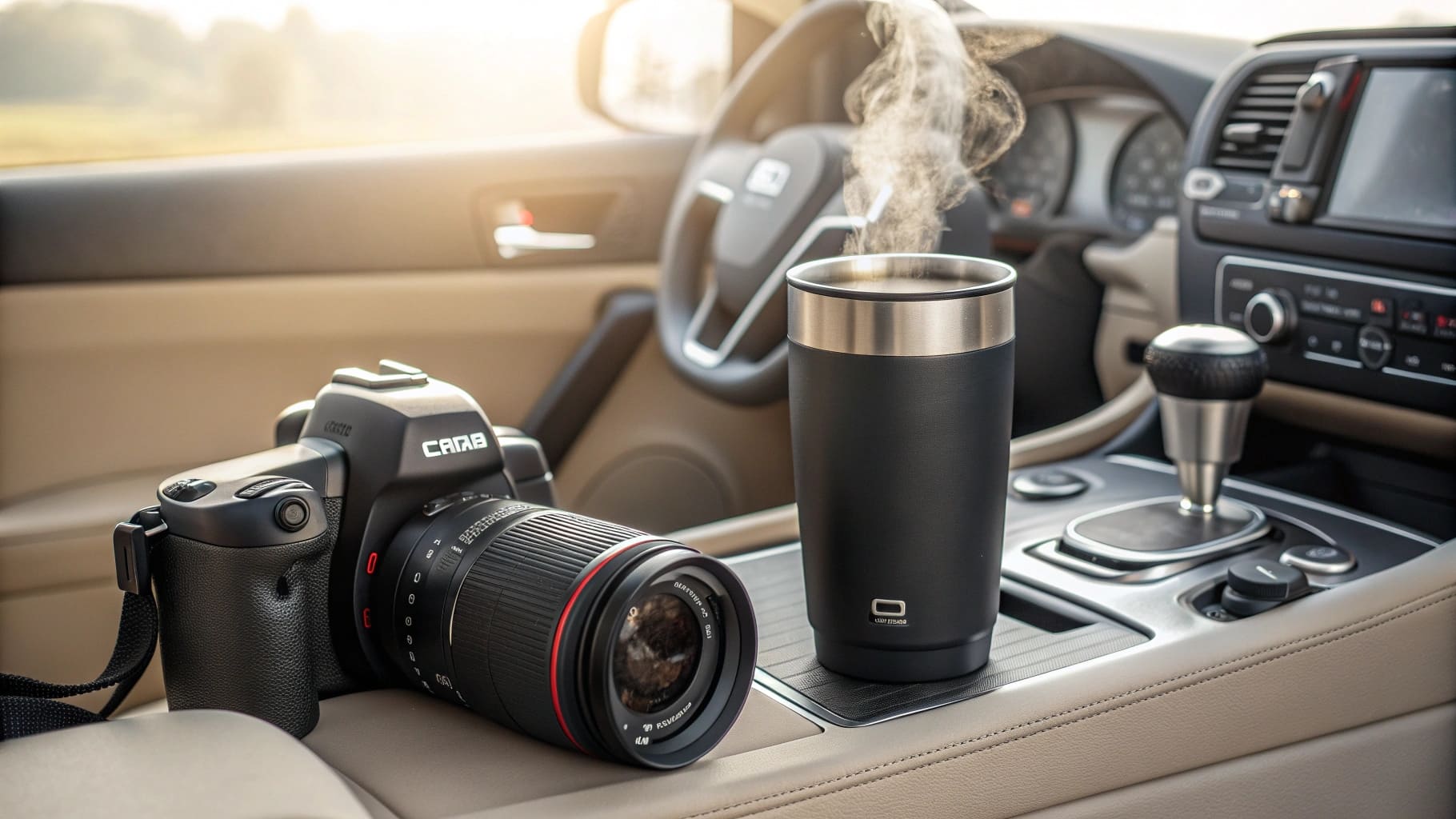
I have worked with hundreds of B2B buyers over the past decade. Most of them focus only on unit price when they start. They miss the bigger picture. Container space costs money. Empty air costs money. Poor packing choices can add 15-20% to your total landed cost. You need to think about pack counts, palletization, and regulatory compliance together. These three factors determine your final profit margin.
What is the HS code for stainless steel cups?
You need the correct HS code before your shipment clears customs. Wrong codes lead to delays, fines, or rejected shipments. Many buyers treat this as paperwork, but it directly impacts your duty rates.
The most common HS code for stainless steel cups is 7323.93.00. This code covers table, kitchen, or household articles made of stainless steel. Some countries use slight variations, so you must verify with your customs broker1.
I remember a buyer from Texas who used the wrong HS code on his first order. His shipment sat at the port for two weeks. He paid storage fees every day. The problem was simple but costly. He classified his vacuum-insulated tumblers2 under the wrong category. His customs broker had to file amended paperwork. The delay cost him the holiday sales season.
Different product features can change your HS code. Single-wall cups usually fall under 7323.93.00. Double-wall vacuum-insulated tumblers might require different classification in some markets. You need to check with your destination country's customs authority.
I always recommend getting a binding ruling before your first large shipment. This document comes from your customs authority. It confirms the correct classification for your specific product. The process takes a few weeks, but it protects you from surprises later.
Your supplier should provide the HS code on your commercial invoice. Check it against your own research. I have seen suppliers use generic codes that work in China but cause problems in other countries. Your responsibility does not end with placing the order. You must verify every detail on your shipping documents3.
Are any tumblers made in the USA?
Yes, some manufacturers produce tainless steel tumblers in the USA. The options are limited and prices run much higher than imported alternatives. Most buyers choose overseas suppliers for cost reasons.
Liberty Bottleworks in Washington State makes stainless steel bottles and tumblers. MiiR also produces some items domestically. These companies target premium markets where customers pay extra for USA-made products. Their unit costs can be 3-4 times higher than China-manufactured equivalents.
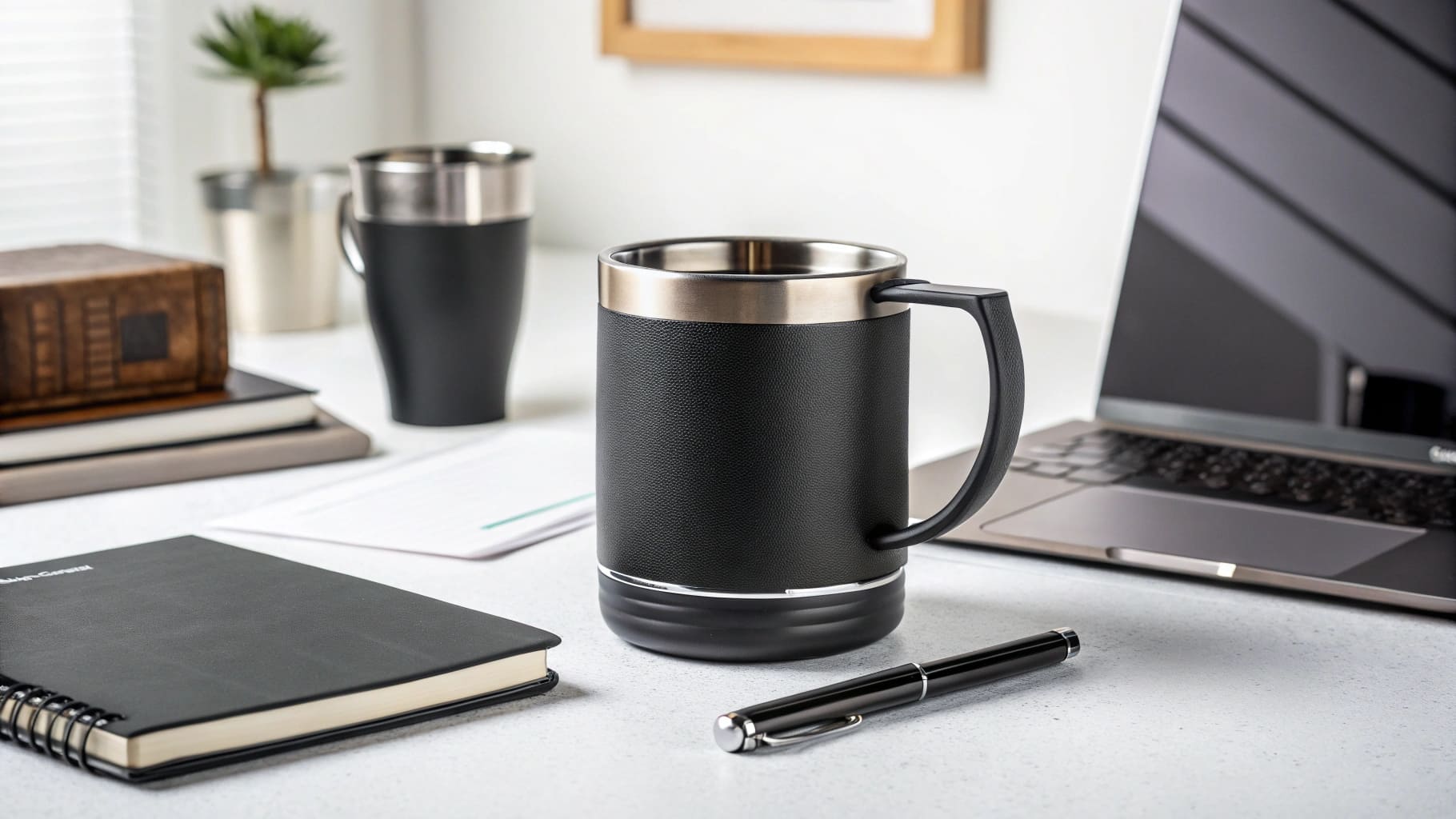
I worked with a startup founder last year who insisted on USA-made tumblers4. He wanted to market his brand as 100% American. We contacted three domestic manufacturers. The quotes shocked him. A 20-ounce tumbler that costs $3.50 from China would cost $12-15 from USA factories. His target retail price made the math impossible.
Most large brands use overseas manufacturing. YETI sources from China. Hydro Flask sources from China. Even companies that market themselves as American brands rely on Asian suppliers. The manufacturing infrastructure for stainless steel drinkware is concentrated in China and Vietnam.
If you need USA origin for marketing or regulatory reasons, you have two options. You can pay the premium for domestic manufacturing. Or you can import components and complete final assembly in the USA. The second option gives you "Made in USA" status under certain conditions, though you must follow FTC guidelines carefully.
China-based manufacturers like KingStar and Everich dominate the vacuum-insulated drinkware market. They have proven capabilities and established quality systems. I source from these regions because my buyers need competitive pricing and reliable production schedules. The quality from top Chinese manufacturers matches or exceeds domestic alternatives.
What should you not drink with stainless steel?
High-quality 304 and 316 stainless steel5 work with most beverages. You can safely use them for water, coffee, tea, and most juices. The material is inert and does not react with typical drinks.
Some beverages need special consideration. Highly acidic drinks like lemon juice or vinegar can affect taste over time. Carbonated beverages can build pressure in sealed containers. Dairy products require prompt cleaning to prevent bacterial growth. Hot dairy drinks can leave residue that is hard to remove.
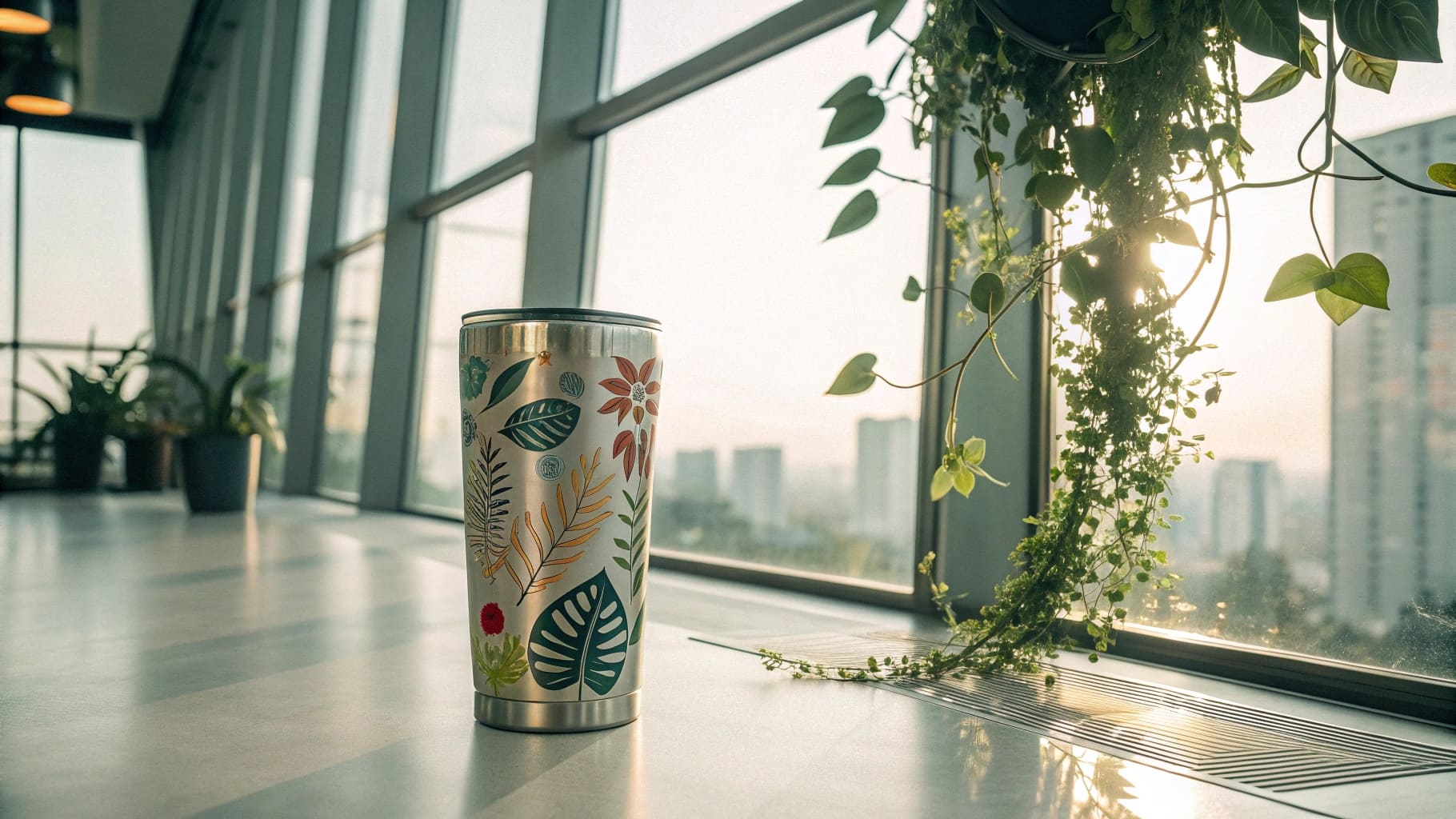
I once received a complaint from a buyer's customer about metallic taste. We investigated the issue. The customer was storing orange juice in the tumbler for three days at a time. The high acidity changed the flavor profile. The stainless steel itself remained safe, but the taste became unpleasant. We updated the product care instructions to address this scenario.
The industry predominantly uses 304 stainless steel for food-grade applications. We call it 18/8 stainless steel because it contains more than 18% chromium and more than 8% nickel. This composition provides excellent corrosion resistance and low migration rates. You can use 304 stainless steel with confidence for almost any beverage.
For premium applications, I recommend 316 stainless steel. It offers superior corrosion resistance compared to 304. The cost runs about 20-30% higher. This grade performs better with highly acidic or salty drinks. Marine industry buyers often choose 316 for this reason.
| Stainless Steel Grade | Chromium Content | Nickel Content | Typical Use Case | Cost Premium |
|---|---|---|---|---|
| 304 (18/8) | >18% | >8% | Standard drinkware | Baseline |
| 316 | >16% | >10% | Premium/marine use | +20-30% |
The electro-polished interior6 prevents flavor transfer. This finishing process creates a smooth surface that resists bacterial growth. I specify electro-polishing for all my tumbler orders. The process adds minimal cost but significantly improves the user experience.
Your end-users should avoid keeping drinks in the tumbler for extended periods. Even with food-grade stainless steel, bacteria can grow in any container. They should clean their tumblers daily with warm soapy water. For coffee or tea stains, baking soda works well as a gentle abrasive.
Conclusion
Pack counts, palletization, and material standards work together to determine your import success. I focus on these fundamentals because they protect your investment and satisfy your customers.
-
Find tips on selecting a customs broker to ensure smooth shipping and compliance. ↩
-
Learn about the technology behind vacuum-insulated tumblers and their benefits. ↩
-
Understand the key shipping documents needed for smooth international transactions. ↩
-
Explore the advantages of sourcing domestically, including quality and marketing appeal. ↩
-
Explore the superior properties of 316 stainless steel for premium applications. ↩
-
Discover how electro-polishing enhances the performance and safety of stainless steel products. ↩