
Stainless steel cup set wholesale: how to optimize pack counts and SKUs?
You ordered too many SKUs last season and half of them are still sitting in your warehouse. Your storage costs are eating into your profits and you wonder if there is a better way to plan your next bulk order.
The key to optimizing pack counts is understanding material grades, temperature performance, and customer use cases. Focus on 3-5 core capacity variations with interchangeable lids rather than creating separate product lines for each beverage type.
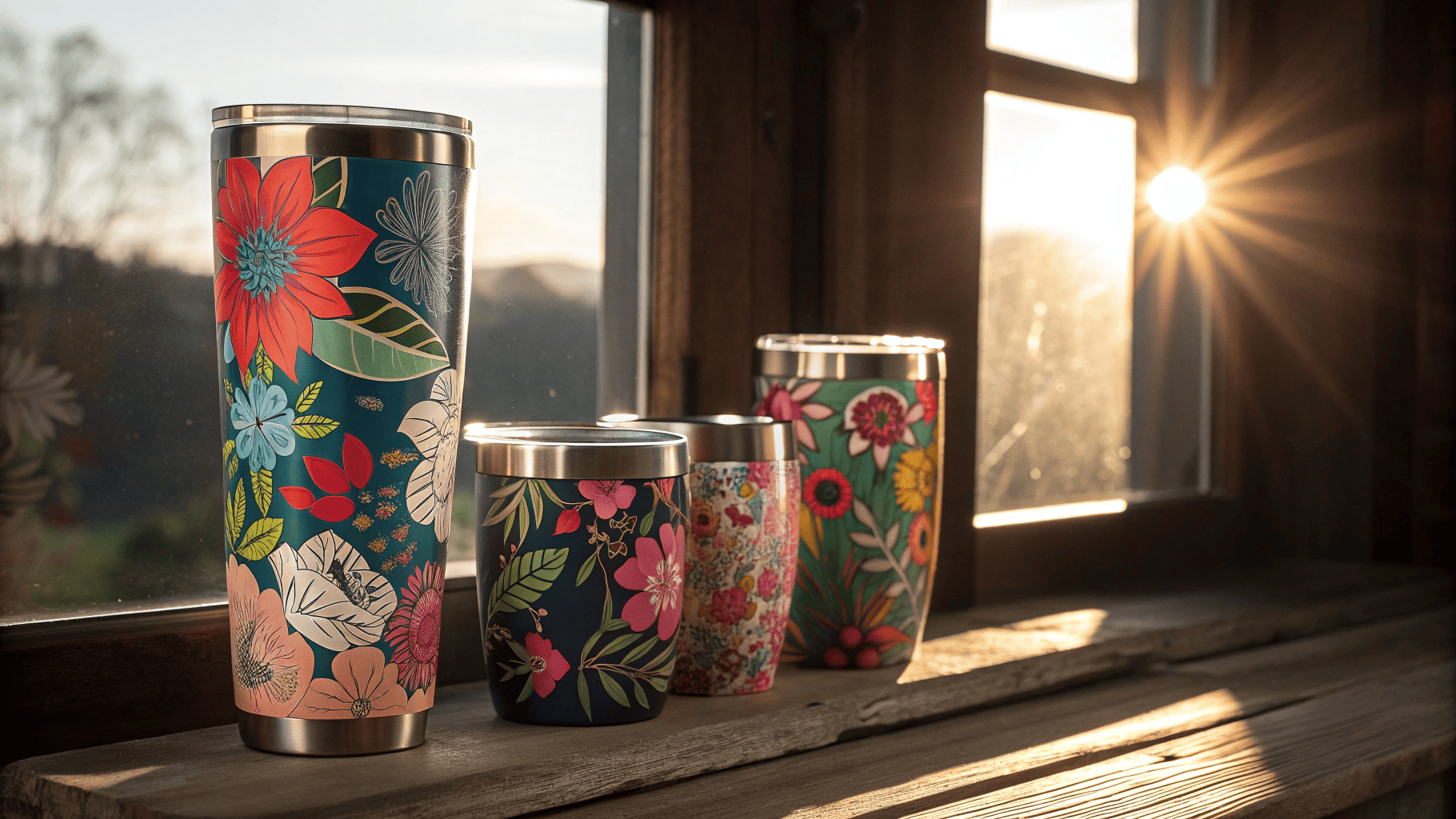
This approach helped me reduce our SKU count by 40% while actually increasing sales. Let me show you how material selection and performance data can guide your pack configuration decisions.
Are reduce cups stainless steel?
You see "stainless steel" on product listings but you are not sure what grade you are actually getting. Different grades mean different quality levels and this affects how you position your products.
Most quality stainless steel cups use 304 stainless steel, also called 18/8 stainless steel. This means the Cr content is greater than 18% and the Ni content is greater than 8%.

Understanding stainless steel grades for wholesale
The material grade directly impacts your product positioning1 and pricing strategy. I learned this the hard way when a client returned an entire shipment because the cups did not meet their quality standards.
What makes 304 stainless steel food-grade?
304 stainless steel is a healthy material. The important elements are Ni and Cr, but these are not the only elements. Austenitic stainless steel has a low migration rate of harmful substances to food. It can resist the corrosion of various media and has high sanitary performance and processing performance.
This grade works well for most wholesale orders. It offers good acid and alkali resistance and strong corrosion resistance. Most of my clients who target general consumer markets choose 304 stainless steel because it balances quality and cost.
When to upgrade to 316 stainless steel?
316 stainless steel is rarer than 304 stainless steel. This is an expensive, high-end stainless steel. It is mainly used in high-end equipment such as aerospace and food machinery.
I recommend 316 for clients who target premium markets or specialty outdoor gear customers. The superior corrosion resistance justifies the higher price point when you position the products correctly. One of my clients sells to coastal areas where salt air exposure is a concern - 316 stainless steel was the right choice for their market.
Material grade comparison table
| Grade | Cr Content | Ni Content | Corrosion Resistance | Cost Level | Best Use Case |
|---|---|---|---|---|---|
| 304 (18/8) | >18% | >8% | Good | Standard | General consumer market |
| 316 | Higher | Higher | Superior | Premium | Specialty/outdoor/coastal |
| 201 | Lower | Lower | Basic | Budget | Entry-level products |
The common food-grade stainless steel used in daily life is 304 stainless steel which has good acid and alkali resistance. I use this for 80% of my wholesale orders because it meets most market needs without pushing prices too high.
What are the cons of stainless steel cups?
You want to stock stainless steel cups but you worry about customer complaints. Every material has limitations and knowing these helps you set the right expectations with your buyers.
The main drawbacks are weight compared to plastic, higher initial cost, and care requirements for vacuum-insulated models. These factors influence how you configure your pack counts and pricing tiers.
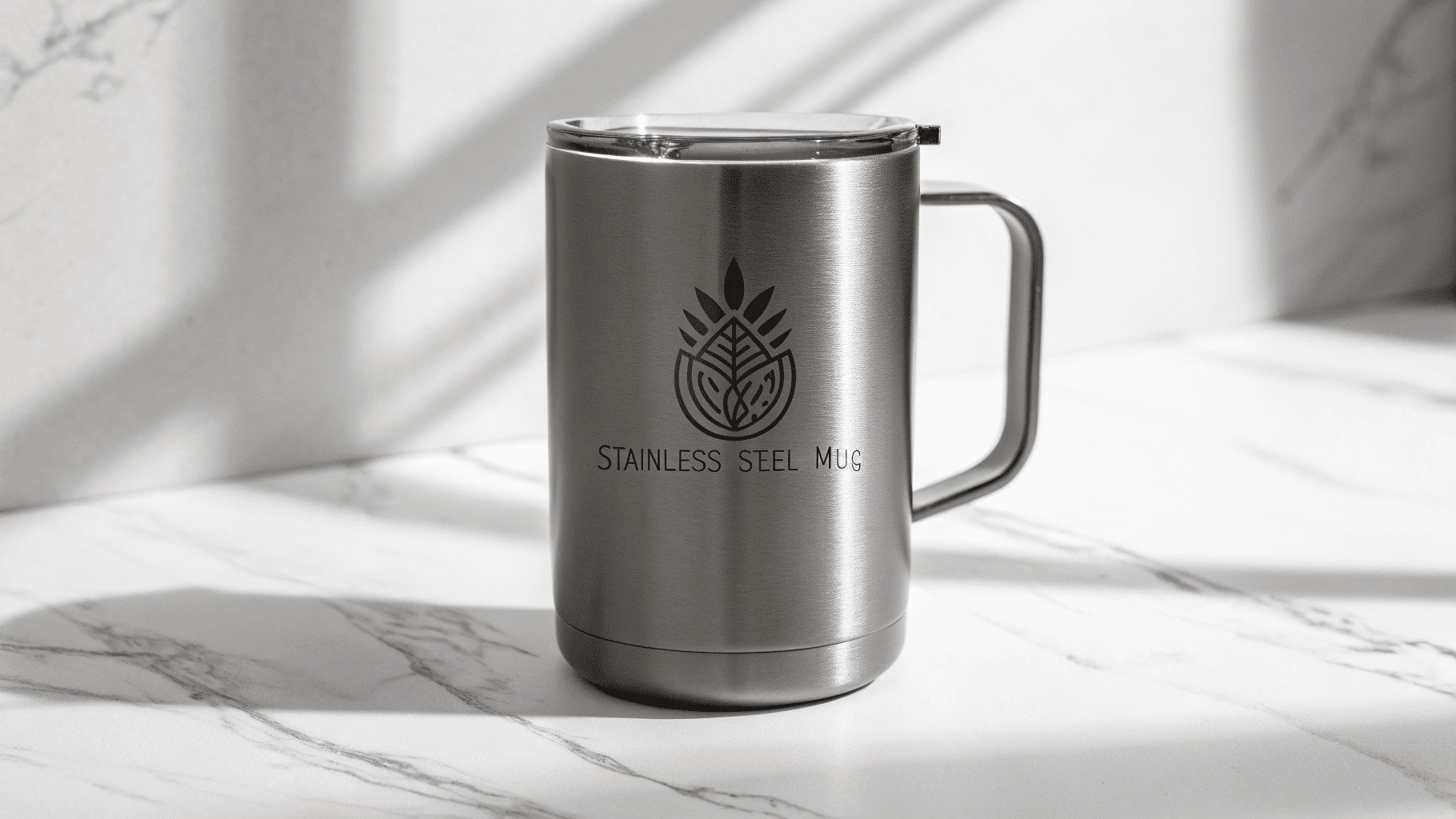
Planning around stainless steel limitations
I mix different construction types in my set offerings to address these concerns. This strategy lets me hit multiple price points while keeping inventory complexity manageable.
Weight considerations for pack configuration
Stainless steel is heavier than plastic alternatives. This affects shipping costs and customer perception. I learned to address this by creating mixed packs - combining lightweight single-wall options with premium double-wall vacuum pieces.
For example, a 6-piece set might include 2 single-wall cups for home use and 4 vacuum-insulated cups for travel. This gives customers options while keeping the overall pack weight reasonable. The single-wall pieces bring down the average cost per unit too.
Cost implications for SKU strategy
The initial cost is higher than basic drinkware. This is a real concern for buyers who compare prices across suppliers. I handle this by focusing on value communication rather than competing on price alone.
Instead of offering 20 different SKUs at rock-bottom prices, I offer 5-7 carefully selected SKUs with clear positioning. Each SKU targets a specific use case - office workers, outdoor enthusiasts, fitness users, parents buying for kids. This makes the pricing easier to justify because customers see the specific benefits for their needs.
Care requirements and customer education
It is not recommended to put vacuum-insulated models in the dishwasher. This is important information that affects return rates. I always include care instructions with wholesale orders and I encourage my clients to pass this information to their end customers.
Some buyers worry this will hurt sales. My experience shows the opposite - when customers know how to care for the product properly, satisfaction goes up and returns go down. One of my regular clients reduced their return rate from 8% to 2% just by improving their care instruction inserts.
Addressing limitations through smart bundling
| Limitation | Impact | Solution in Pack Configuration |
|---|---|---|
| Weight | Higher shipping costs | Mix single-wall and double-wall pieces |
| Cost | Price sensitivity | Create tiered sets (basic/premium/deluxe) |
| Care needs | Potential damage | Include care cards and cleaning brushes |
| Size | Storage space | Offer stackable designs in sets |
I found that bundling accessories helps overcome objections. Adding a cleaning brush, protective sleeve, or extra lid to a set increases perceived value without significantly raising costs. One client told me their conversion rate jumped 15% after we added a simple paracord handle and cleaning brush to their 4-piece tumbler set.
Can you put hot coffee in stainless steel?
Your buyers ask if the cups work for both hot and cold drinks. You want to give them accurate information so they can market the products correctly to their customers.
Yes, vacuum insulated stainless steel cups keep drinks cold for up to 12 hours and hot for up to 6 hours. This dual functionality is actually your biggest advantage for optimizing SKUs because one product serves multiple use cases.
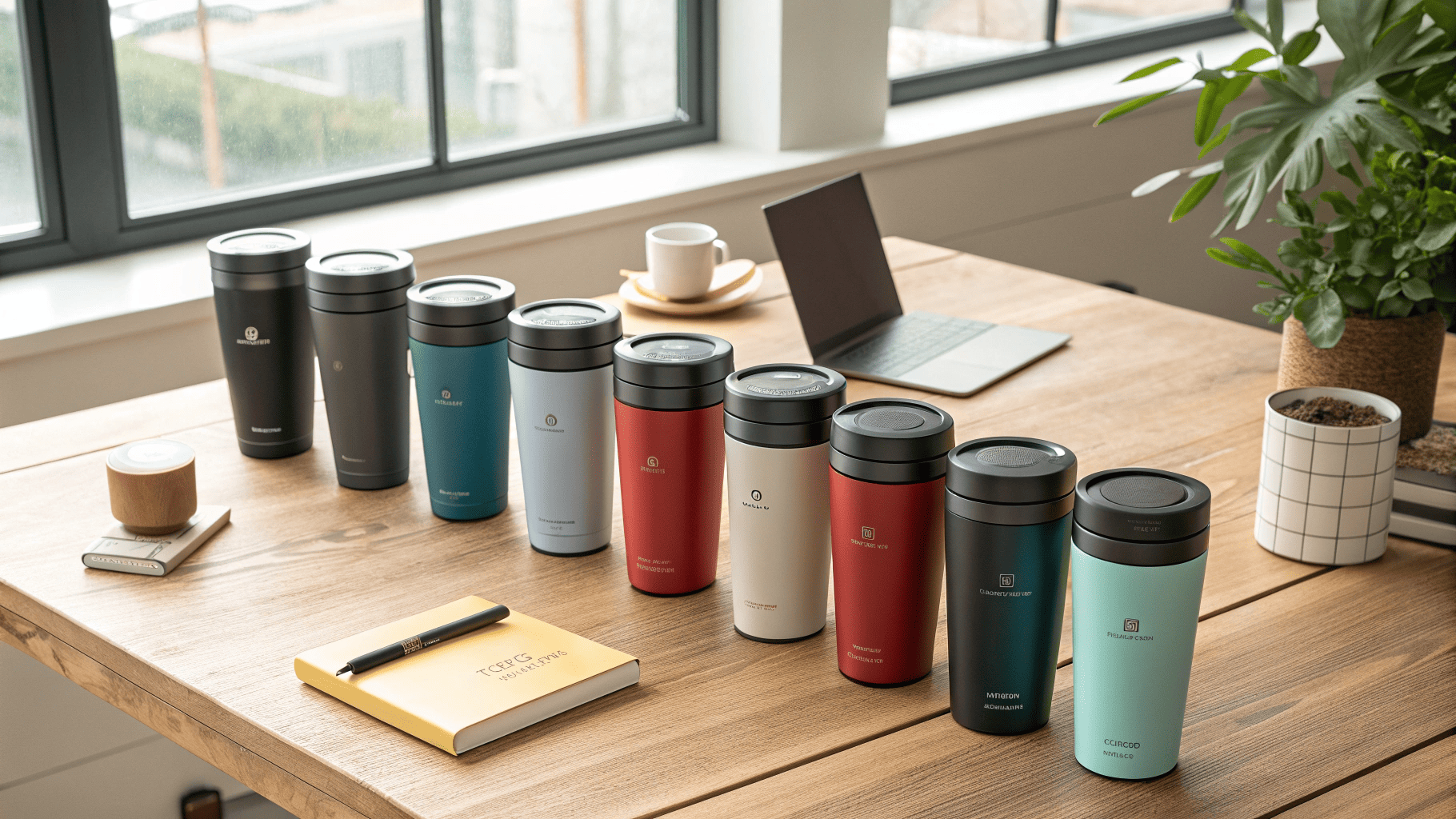
Leveraging temperature performance for SKU optimization
This is where smart wholesalers save money and increase sales at the same time. Instead of separate product lines for hot and cold beverages, I focus on capacity and lid variations.
How vacuum insulation creates versatility
The stainless steel coffee cup with lid is double walled and vacuum insulated. Its advanced structure keeps drinks cold up to 12 hours and hot up to 6 hours. The double-wall design has a layer of air between the inner and outer layers that creates a powerful insulation barrier.
This means your coffee will stay hot for hours or your cold beverage will stay cold. I use this fact to position the same base product across different customer segments. The 450ml vacuum tumbler works for morning coffee commuters, office workers who want iced tea all afternoon, outdoor enthusiasts who need hot soup on trails, and fitness users who want cold water during workouts.
Capacity-based SKU strategy
Instead of creating separate lines, I recommend 3-5 capacity options2: 350ml, 450ml, 600ml, and optionally 750ml or 900ml for specific markets. Each capacity appeals to different occasions rather than different beverage types.
My most successful wholesale clients use this approach. They pick 3 capacities and then offer 2-3 lid options for each capacity. This creates enough variety to serve different customer preferences without exploding their inventory counts. A client who switched from 18 SKUs to 9 SKUs using this method actually saw sales increase by 22% because their product line became easier for customers to understand.
Lid variations drive perceived variety
The wide mouth design makes it simple and convenient to pour in water, add ice cubes and clean it. But different lids change the use case dramatically. I stock flip lids for commuters, straw lids for fitness users, and handle lids for outdoor enthusiasts.
This is the secret to keeping SKU counts low while still offering variety. Instead of 5 different tumbler styles, I offer 1 base tumbler with 5 lid options. Customers can buy the combination that fits their needs. Some of my wholesale buyers even sell the lids separately as add-ons, creating an additional revenue stream.
Temperature performance comparison
| Use Case | Temperature Need | Recommended Capacity | Best Lid Type | Performance Duration |
|---|---|---|---|---|
| Morning commute | Hot coffee | 350-450ml | Flip lid | 6 hours hot |
| Office desk | Cold water/tea | 600-750ml | Straw lid | 12 hours cold |
| Outdoor hiking | Hot soup | 450-600ml | Handle lid | 6 hours hot |
| Gym workout | Cold water | 750-900ml | Sports spout | 12 hours cold |
| All-day use | Hot & cold | 600ml | Interchangeable | 6 hot/12 cold |
The vacuum insulation technology keeps your healthy homemade delicious lunches, soups and snacks hot for up to 6 hours or cold for up to 6 hours. I tell my wholesale clients to fill hot or iced water to preheat or prechill the container for 5-10 minutes before packing. This tip improves performance and reduces customer complaints about temperature retention3.
One of my Canadian clients used to stock 12 different cup models - some marketed for coffee, others for cold drinks, others for outdoor use. We consolidated this down to 4 base capacities with 3 lid options each. Their inventory carrying costs dropped by 35% and their sell-through rate improved because retail customers were no longer confused by too many similar-looking options.
Conclusion
Optimize your wholesale pack counts by focusing on material grade positioning, capacity variations, and interchangeable lids4 rather than creating separate SKUs for each beverage type. This approach reduces inventory complexity while increasing customer choice.
-
Learn how to position your products effectively to attract the right customers. ↩
-
Explore effective capacity options to cater to diverse customer preferences. ↩
-
Get tips on enhancing temperature retention to meet customer expectations. ↩
-
Discover how interchangeable lids can enhance product versatility and customer choice. ↩