
Stainless steel coffee mugs vs disposable plastic: TCO and sustainability
Your company spends thousands on disposable cups annually. Your customers demand eco-friendly solutions. You need a choice that cuts costs while protecting your brand reputation.
Stainless steel coffee mugs deliver better Total Cost of Ownership and sustainability outcomes than disposable plastic alternatives. A single quality stainless steel mug replaces thousands of disposable cups over its lifetime while eliminating health concerns associated with plastic leaching.

I started Icobottle because I saw too many businesses trapped in this cycle. They knew disposables hurt their bottom line and the environment, but they needed someone to show them the numbers. Let me walk you through what I've learned from supplying stainless steel coffee mugs1 to North American distributors for over a decade.
Is Stainless Steel More Sustainable Than Plastic?
You care about sustainability, but your CFO cares about costs. Disposable cups create a recurring expense that never ends. Your budget bleeds month after month.
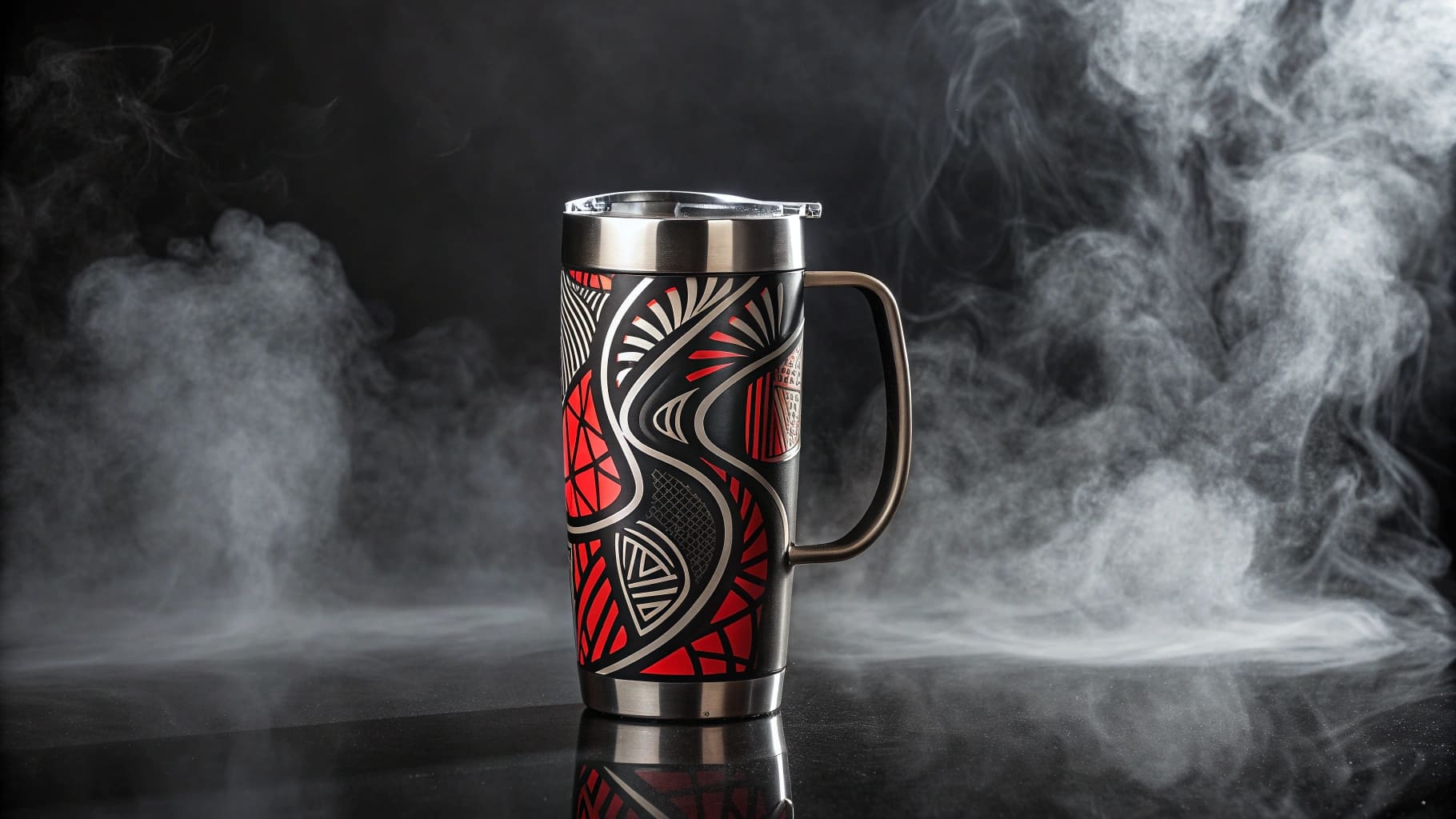
Stainless steel coffee mugs eliminate the need for disposable cups entirely. One quality stainless steel mug lasts 5-10 years and replaces approximately 2,000-3,650 disposable cups. This durability makes stainless steel the most sustainable material choice for daily beverage containers.
Understanding the True Environmental Impact
I remember when Mark first contacted me in 2019. He was sourcing stainless steel water bottles but hesitated about coffee mugs. He said, "Aries, my customers ask about the carbon footprint of manufacturing stainless steel. How do I answer them?"
Here's what I told him. The production phase does require more energy for stainless steel compared to plastic. Manufacturing one stainless steel mug generates approximately 2-3 kg of CO2 emissions. A single disposable plastic cup generates only about 0.01 kg. But this is where the story gets interesting.
The break-even point arrives quickly. After using a stainless steel mug just 15-50 times, you offset its higher production emissions. Consider that most people use coffee mugs daily. This means you reach environmental payback within 2-7 weeks of normal use.
The durability factor changes everything. Stainless steel resists rust and corrosion. It doesn't crack, fade, or degrade like plastic alternatives. I've had customers return to me after 8 years, not for replacements, but to order more mugs for new employees. The original mugs still work perfectly.
Plastic waste creates a different problem. Disposable cups end up in landfills or oceans. Even "recyclable" plastic cups rarely get recycled. The recycling rate for plastic beverage containers sits below 30% in most developed countries. Stainless steel, on the other hand, maintains a recycling rate above 60% and can be recycled infinitely without quality loss.
| Material | CO2 per Unit | Uses to Break Even | Lifespan | Recycling Rate |
|---|---|---|---|---|
| Stainless Steel Mug | 2-3 kg | 15-50 uses | 5-10 years | 60%+ |
| Disposable Plastic Cup | 0.01 kg | N/A | Single use | <30% |
| Reusable Plastic Tumbler | 0.5-1 kg | 50-100 uses | 1-3 years | 30-40% |
What Is the Most Environmentally Friendly Disposable Cup?
The question itself reveals a trap. You're searching for the "best" disposable option. You want to feel good about your choice. But disposables always create waste, no matter the material.
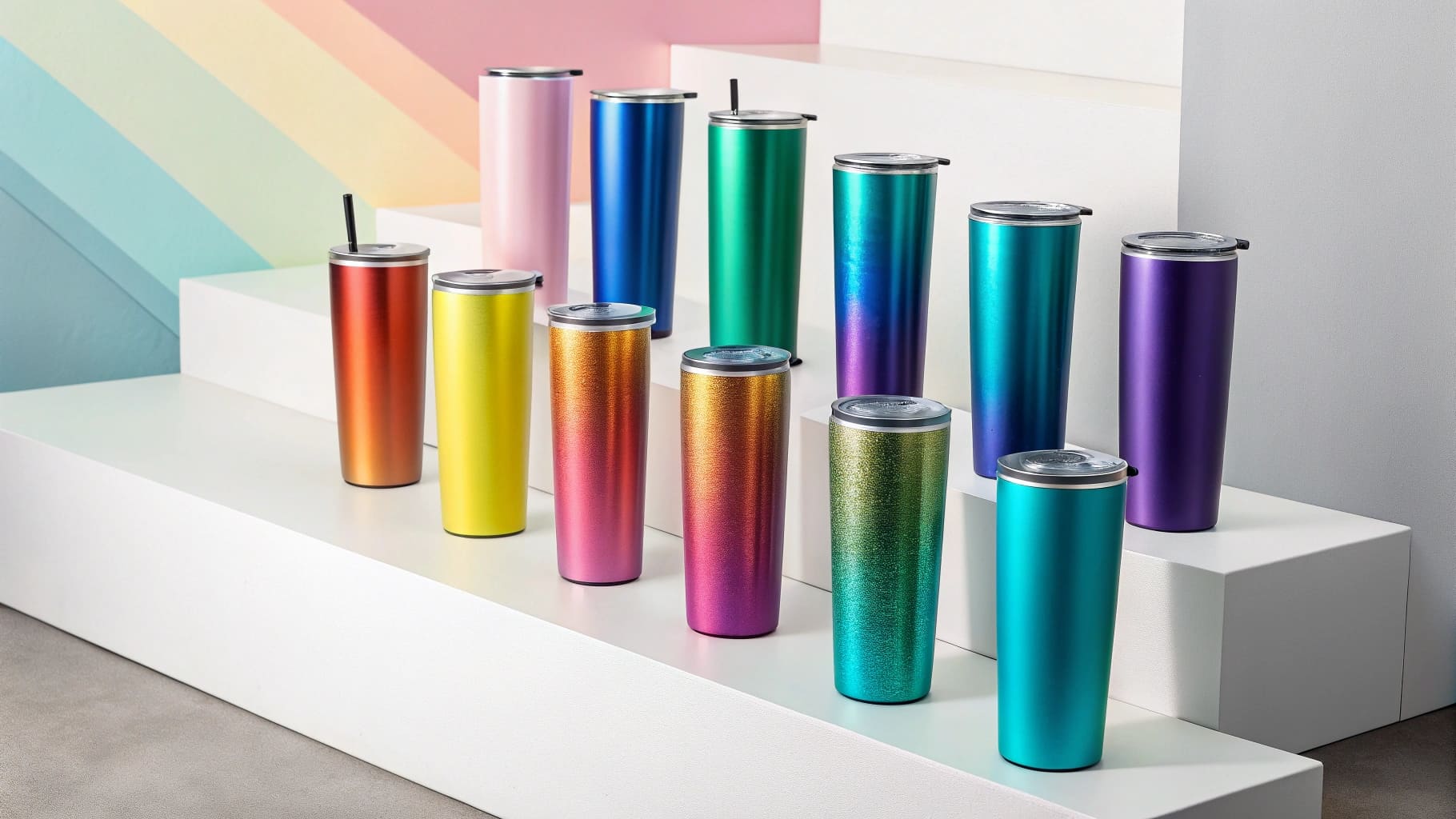
The most environmentally friendly disposable cup doesn't exist. Any disposable option generates continuous waste and recurring costs. The truly sustainable solution is eliminating disposables entirely through reusable stainless steel coffee mugs that last years and maintain their quality.
Why the "Eco-Friendly Disposable" Myth Persists
I've watched this play out hundreds of times. A buyer contacts me asking about "biodegradable" or "compostable" alternatives. They believe these solve the environmental problem. I understand the appeal. Marketing for these products sounds convincing.
But the reality differs from the promise. Compostable cups require industrial composting facilities. Most cities lack these facilities. Your compostable cup ends up in a regular landfill where it cannot break down properly. It needs specific temperature, moisture, and microbial conditions that landfills don't provide.
Paper cups seem better than plastic. They're not. Most paper cups have a thin plastic lining to prevent leaking. This lining makes them non-recyclable in standard paper recycling streams. You need specialized recycling facilities. Again, most areas lack this infrastructure.
The cost factor matters for your business. A single disposable cup costs $0.10-0.30. Your company uses 50 cups per day. That's $5-15 daily, $1,825-5,475 annually. Multiply this by three years. You spend $5,475-16,425 on items you throw away.
A quality stainless steel coffee mug costs $8-15 wholesale. It lasts 5-10 years. You buy 50 mugs once. That's $400-750 total. The savings are obvious. The environmental impact reduction is even more impressive.
I helped Mark calculate this for his operation. He was spending $8,200 annually on disposable cups for his 50-person office. He invested $625 in stainless steel mugs from us. Year one, he saved $7,575. By year three, he had saved over $24,000. He used those savings to expand his product line.
The Health Factor Nobody Discusses
Disposable cups pose another concern. The plastic lining in paper cups can leach chemicals when exposed to hot liquids. BPA-free doesn't mean chemical-free. Other compounds like BPS or phthalates may still be present. These endocrine disruptors affect human health over time.
Stainless steel eliminates this concern completely. Food-grade 304 stainless steel (18/8) is inert. It doesn't react with acidic beverages like coffee or tea. No chemicals leach into your drink. No metallic taste affects the flavor. This is why hospitals, restaurants, and food processing facilities trust stainless steel for food contact surfaces.
Are Stainless Steel Cups Healthier Than Plastic?
Your customers worry about chemicals in their drinks. You've heard about BPA concerns. You want to source products that protect health and your brand reputation.
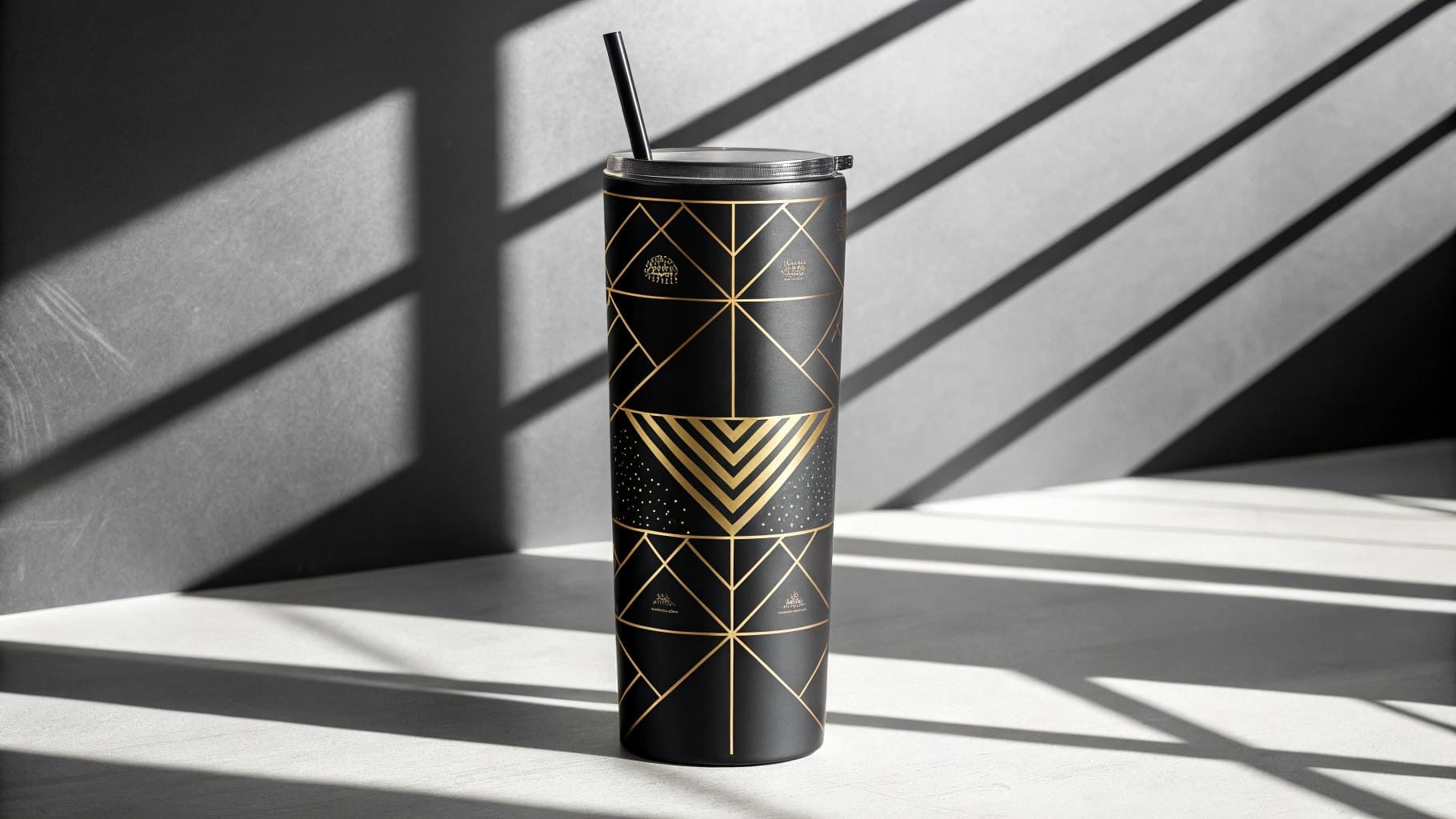
Stainless steel cups are significantly healthier than plastic alternatives. Food-grade 304 stainless steel (18/8) contains no BPA, phthalates, or other endocrine disruptors. It remains inert at all temperatures and doesn't leach chemicals into beverages, even with hot liquids or acidic drinks.
Understanding Material Safety Standards
I receive this question in nearly every initial consultation. Buyers want to protect their end customers. They need certainty about material safety. Let me break down what matters.
The "304" designation refers to the specific alloy composition. It contains minimum 18% chromium and 8% nickel. This is why you'll see "18/8" stamped on quality stainless steel products. The chromium creates a passive oxide layer on the surface. This layer prevents rust and corrosion. The nickel adds durability and enhances corrosion resistance.
This composition has been tested extensively. The FDA recognizes 304 stainless steel as food-safe. The European Union's food contact regulations approve it. Health Canada accepts it. These aren't just manufacturer claims. These are government safety certifications based on decades of research and testing.
Plastic presents a different picture. Even BPA-free plastics use alternative compounds. Tritan, PPSU, and PP are common replacements. Manufacturers claim these are safe. But research continues to emerge about potential concerns with plastic alternatives. Some studies suggest that BPA replacements may have similar endocrine-disrupting properties.
The heat factor creates additional risk with plastic. Hot beverages accelerate chemical leaching from plastic materials. Coffee typically brews at 195-205°F. This temperature can cause plastics to release chemicals into your drink. You can't see it or taste it, but it happens.
I'll share something that happened last year. A buyer came to me after a competitor sold him "BPA-free" plastic tumblers. He tested them with hot coffee. The plastic developed a chemical smell after a few weeks. His customers complained. He had to recall the entire batch. The cost exceeded his profit margin for the quarter.
Stainless steel avoids these problems entirely. The material remains stable at temperatures far exceeding those of hot beverages. Stainless steel can withstand temperatures up to 1,400°F before any structural changes occur. Your morning coffee at 180°F doesn't even register as a challenge.
The taste factor matters too. Plastic retains flavors and odors. You drink coffee today. Tomorrow you want tea. The coffee flavor lingers in the plastic. This doesn't happen with stainless steel. The non-porous surface doesn't absorb flavors or odors. Each drink tastes exactly as it should.
| Health Factor | 304 Stainless Steel | BPA-Free Plastic | Standard Plastic |
|---|---|---|---|
| Chemical Leaching | None | Minimal (unproven) | High risk |
| Heat Stability | Up to 1,400°F | Degrades above 200°F | Degrades above 150°F |
| Flavor Retention | None | Moderate | High |
| FDA Approval | Yes | Yes | Limited |
| Long-term Safety Studies | Extensive (decades) | Limited (recent) | Concerning results |
The Certification Advantage for B2B Buyers
You need documentation for your customers. Certifications matter for liability protection. I've learned this from working with buyers who supply corporate wellness programs and promotional product distributors2.
Quality stainless steel products come with proper certifications. We provide FDA food contact compliance3 documentation. We can supply SGS testing reports. We offer LFGB certificates for European markets. These aren't optional extras. These are standard requirements for serious B2B relationships.
I always tell buyers like Mark: request these certificates before placing orders. A supplier who hesitates or cannot provide proper documentation is a supplier you should avoid. Certificate fraud happens. I've seen it damage buyer reputations. Don't let cost savings tempt you into skipping this verification step.
The liability protection extends beyond just health concerns. If a customer gets sick and traces it to your product, you need proof that you sourced responsibly. Proper certifications and material testing documentation protect your business legally and financially.
Conclusion
Stainless steel coffee mugs deliver superior TCO, sustainability, and health benefits compared to any disposable or plastic alternative. The investment pays for itself within months while protecting both the environment and your brand reputation.
