
Silicone boots for bottles: durometer, fit tolerances, and AQL test plans
I've seen too many buyers order silicone boots without checking the details. They receive the shipment, and the boots either slide off the bottles or fit so tight they tear during installation. This costs time and money.
Silicone boots protect bottles from drops and provide anti-slip grip. The three most important specs are durometer hardness, fit tolerance dimensions, and AQL inspection standards1. Getting these right means your boots will protect bottles without installation headaches or batch rejections.
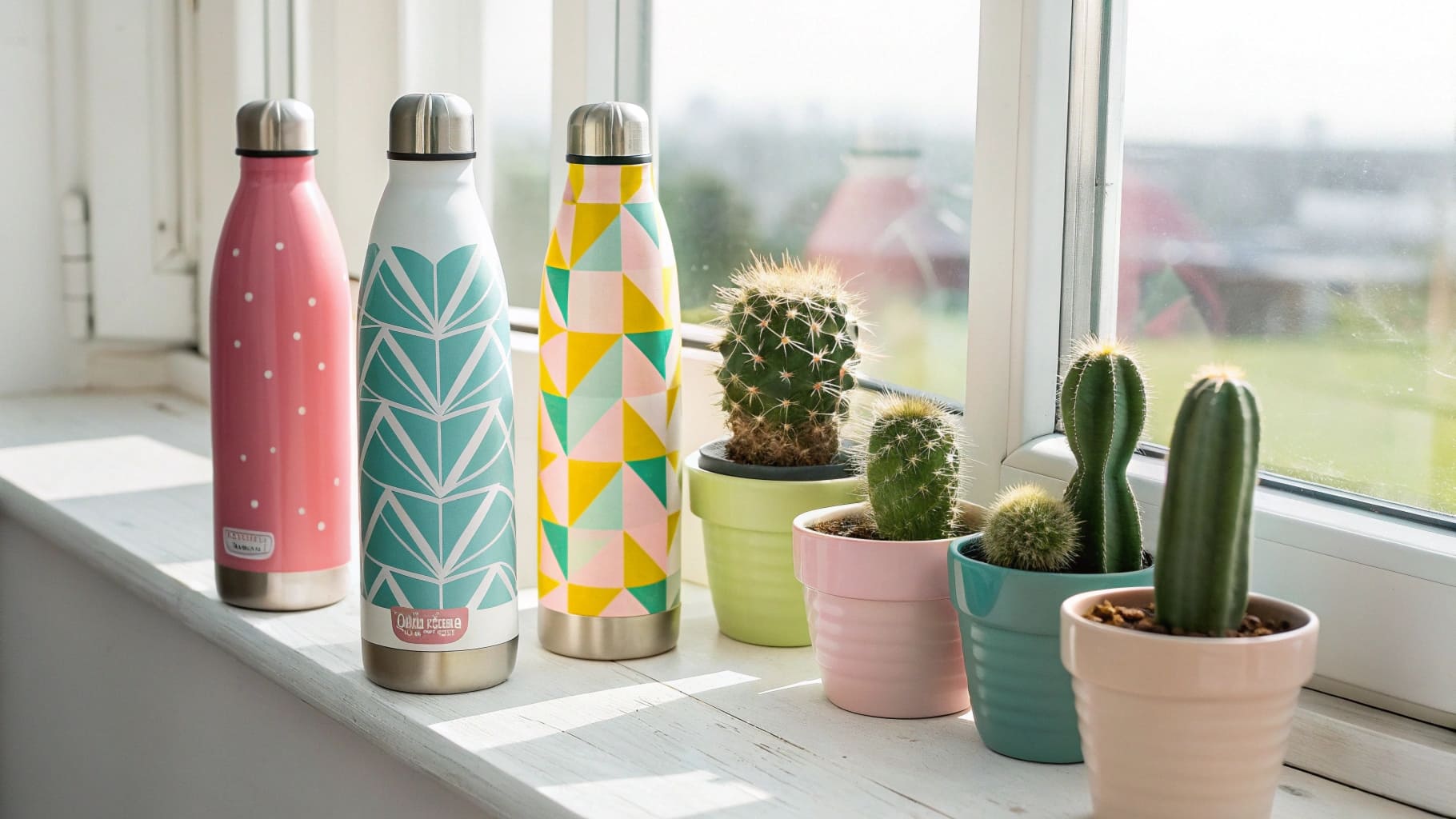
When sourcing silicone boots for your water bottle line, you need to understand these technical details. I'll walk you through each specification so you can order with confidence and avoid costly mistakes.
Is Silicone OK for a Water Bottle?
Silicone is one of the safest materials for water bottle components. Many buyers ask me this because they worry about chemical leaching or odors. I understand that concern.
Silicone is food-grade safe, temperature resistant2, and chemically stable. It does not react with water or beverages, will not leach harmful substances, and maintains its properties from -40°C to 200°C. This makes it ideal for bottle boots, gaskets, and sealing rings.
I've worked with silicone components for years. The material performs well in extreme conditions. I once had a customer who needed boots for bottles used in both desert heat and mountain cold. Silicone was the only material that maintained its grip and cushioning in both environments.
The key is choosing the right grade. Food-grade silicone meets FDA and LFGB standards. When you order from China, you must request certification documents. I always ask suppliers for test reports before placing bulk orders. Some suppliers claim their silicone is food-grade but cannot provide proper certification. Walk away from those deals.
Here's what makes silicone superior for bottle boots:
| Property | Benefit for Bottle Boots |
|---|---|
| High elasticity | Returns to shape after impact |
| Temperature range | Works in hot cars and cold outdoors |
| Chemical resistance | No degradation from cleaning products |
| Non-toxic | Safe for food contact applications |
| UV stability | Does not yellow or crack in sunlight |
I recommend requesting material certification before production starts. This protects you from compliance issues when you sell in North America or Europe. Your customers care about safety, and so should you.
What is a Bottle Boot For?
A bottle boot is a protective sleeve that fits around the bottom of a bottle. Many people think it's just for looks, but the function goes deeper than aesthetics.
The boot cushions impact when bottles drop, prevents scratches on surfaces, and adds grip on smooth tables. It extends bottle life by protecting the base from dents and damage that could affect insulation performance.
I started paying attention to boots when a customer complained about damaged bottles in retail stores. Customers were testing bottles by setting them down hard on shelves. Without boots, the bottles got dented at the base. Those dents compromised the vacuum seal in double-wall bottles. We added silicone boots and the problem disappeared.
Bottle boots serve multiple purposes that buyers often overlook:
Protection Function
The primary job is shock absorption. When a bottle drops, the silicone compresses and spreads the impact force. This prevents dents in stainless steel bottles. I've dropped test bottles from waist height onto concrete. Bottles with properly designed boots showed no damage. Bottles without boots got dented every time.
Anti-Slip Performance
Silicone has a high friction coefficient. This keeps bottles stable on smooth surfaces like car cup holders, glass tables, and gym floors. I tested bottles on a tilted surface. Boots with 60 Shore A hardness provided the best grip without marking furniture.
Noise Reduction
Metal bottles make noise when set down hard. The boot dampens this sound. This matters more than you might think. I had a corporate client who ordered bottles for office use. They specifically requested boots to reduce desk noise during meetings.
Brand Customization
Boots offer another surface for logo printing or embossing. Some of my customers use colored boots to match their brand identity. This adds perceived value without significantly increasing cost.
Here's what you need to consider when choosing boot design:
| Design Element | Impact on Performance |
|---|---|
| Wall thickness | Thicker walls provide more cushioning but increase cost |
| Base coverage | Full coverage protects more but may trap moisture |
| Texture pattern | Deeper patterns improve grip but collect dirt |
| Height | Taller boots protect more of the bottle sidewall |
The boot must match your bottle's intended use. Outdoor bottles need maximum protection and grip. Office bottles can use thinner, lighter boots that focus on noise reduction and surface protection.
How to Protect a Hydro Flask?
Hydro Flasks and similar premium bottles need careful protection to maintain their value and performance. The vacuum insulation depends on an undamaged outer wall.
A silicone boot protects the base from dents and impacts that could break the vacuum seal. It also prevents scratches on the powder coating that reduce the bottle's appearance and resale value.
I learned this lesson from a customer who sold premium insulated bottles. They had returns because customers damaged bottles during normal use. Even small dents at the base caused the vacuum seal to fail. The bottles lost their insulation ability. We developed a custom silicone boot that solved the problem.
Selecting the Right Boot Hardness
Durometer measures silicone hardness on the Shore A scale. For bottle boots, the range is typically 40-70 Shore A. Lower numbers mean softer silicone.
I recommend 50-60 Shore A for most applications. This provides good cushioning while maintaining shape. Softer boots (40-50 Shore A) offer maximum impact protection but may deform under the bottle's weight when stored long-term. Harder boots (60-70 Shore A) hold their shape better but provide less shock absorption.
I once tested boots at different hardness levels. I dropped bottles from one meter onto concrete. Boots at 55 Shore A gave the best balance of protection and durability. Softer boots absorbed impact well but tore after repeated drops. Harder boots lasted longer but allowed more dent damage to the bottle.
Understanding Fit Tolerances
The boot must fit the bottle precisely. Too loose and it slides off. Too tight and it's difficult to install or may tear during assembly.
I calculate tolerances based on bottle diameter and silicone properties. For a bottle with a 75mm base diameter, I specify an inner diameter of 74.5-74.8mm for the boot. This provides 0.2-0.5mm of interference fit. The silicone stretches slightly during installation and grips the bottle securely.
Temperature affects fit. Silicone expands when warm. I had a batch of boots that fit perfectly in the factory but were loose when tested in a hot warehouse. Now I test fit at 25°C (room temperature) and 40°C (warm storage conditions). The boot must stay secure at both temperatures.
Implementing AQL Inspection Standards
AQL (Acceptable Quality Limit) defines how many defective units are acceptable in a production batch. For silicone boots, I typically use AQL 2.5 for critical defects and AQL 4.0 for major defects.
Critical defects include wrong dimensions, tears, or material that fails hardness testing. Major defects include surface blemishes, incomplete molding, or slight dimensional variations. Minor defects include small tool marks or slight color variation.
Here's the inspection plan I use:
| Inspection Point | Test Method | Acceptable Range |
|---|---|---|
| Inner diameter | Digital caliper | ±0.3mm from spec |
| Wall thickness | Ultrasonic gauge | ±0.2mm from spec |
| Hardness | Shore A durometer | ±5 degrees from spec |
| Tensile strength | Pull test | Minimum 8 MPa |
| Surface quality | Visual inspection | No tears, no contamination |
| Fit test | Manual installation | Secure fit without force |
I conduct inspections at three stages. First, approve the pre-production sample. Second, check during production when 30% of the order is complete. Third, perform final random inspection before shipment. This catches problems early and reduces rejection rates.
The most common defects I find are inconsistent wall thickness3 and hardness variation within a batch. These happen when factories don't maintain stable molding temperatures or use recycled silicone mixed with virgin material. I require factories to test every fifth molding cycle and maintain temperature logs.
For my Canadian customers, I know you need consistent quality because returns are expensive. The inspection standards I described will help you receive boots that meet your specifications every time. I've used this approach for over 100 shipments and rejection rates dropped from 15% to under 2%.
Conclusion
Getting silicone boot specifications right protects your bottles and your investment. Focus on durometer hardness between 50-60 Shore A, maintain fit tolerances within 0.3mm, and implement strict AQL inspection standards to ensure consistent quality.