
Silicone boots for bottles: drop protection, fit tolerances, and AQL plans
Your expensive stainless steel bottles arrive damaged. Your customers complain about scratches. You lose money on returns and replacements.
A silicone boot is a protective sleeve1 that fits around water bottles. It shields the surface from drops and impacts. The boot stays in place during use but comes off for cleaning.
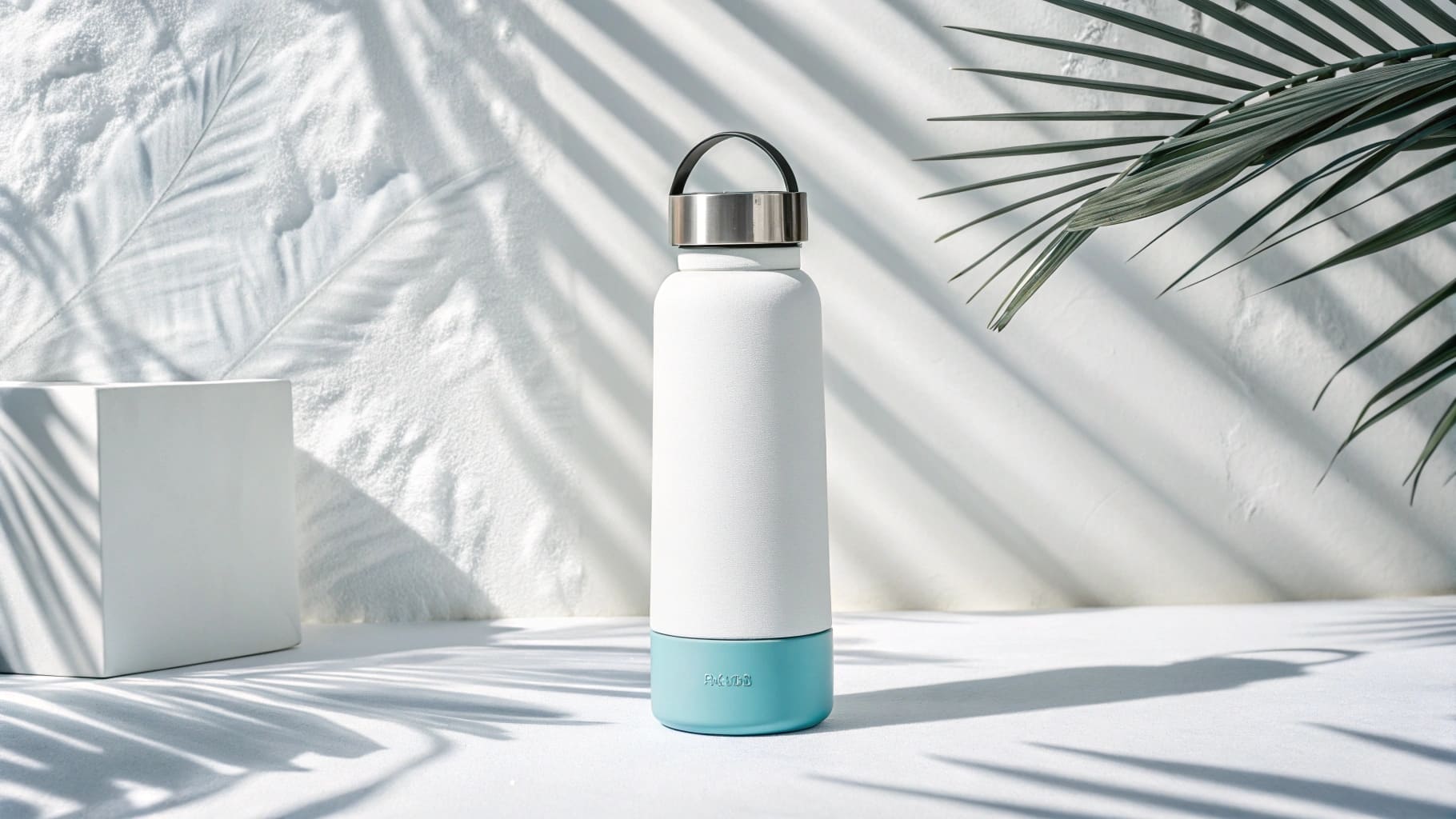
I work with many procurement officers who face this problem. They order thousands of bottles. But shipping damages reduce their profit margins. That is why I always recommend silicone boots as an essential accessory. The right boot design saves money and keeps customers happy.
What Is a Silicone Boot for a Water Bottle?
Your bottles need protection during shipping and daily use. Standard packaging cannot prevent all damage. You need a solution that works after the bottle reaches your customer.
A silicone boot is a flexible sleeve that wraps around the bottom portion of a water bottle. It protects the exterior surface from scratches, dents, and chips during handling and transportation.
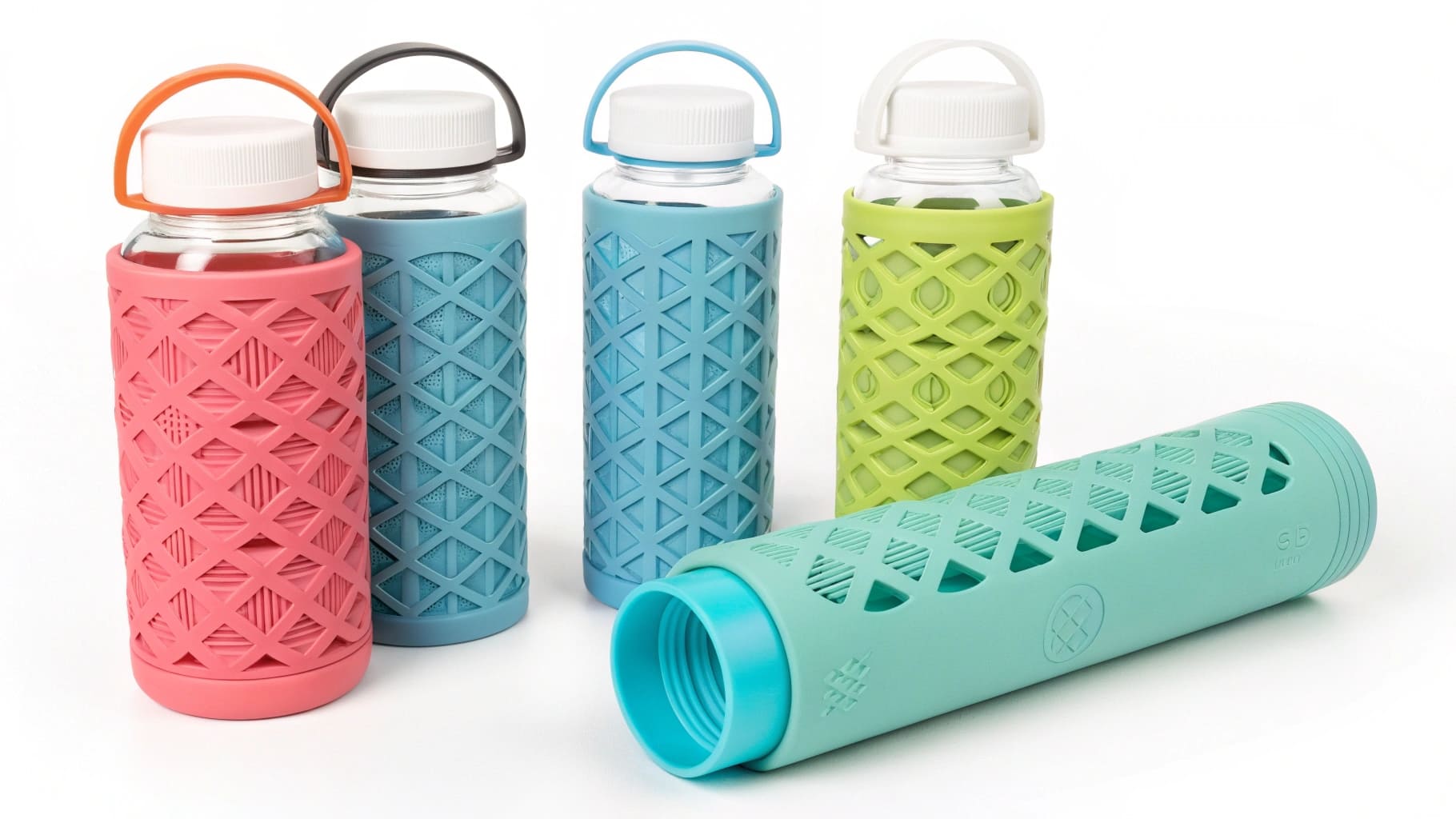
I have been selling stainless steel bottles for years. Silicone boots are one of my most requested accessories. The boot acts as a shock absorber when someone drops a bottle. This is important because most damage happens at the bottom where the bottle hits the ground.
The boot design covers the most vulnerable area. It uses silicone material because silicone has natural cushioning properties. The material bends and flexes on impact. This means the force spreads out instead of concentrating on one spot. Your bottle surface stays intact even after multiple drops.
Key Components of Silicone Boot Design
| Component | Function | Quality Requirement |
|---|---|---|
| Base thickness | Impact absorption | 2-4mm optimal |
| Sidewall height | Coverage area | Covers bottom third |
| Grip texture | Non-slip surface | Shore hardness 30-50A |
| Inner diameter | Fit tolerance | ±0.5mm precision |
The boot must fit tight enough to stay on. But it also needs to come off easily for cleaning. I test this balance with every new supplier. A loose boot falls off during use. A tight boot frustrates customers who want to wash their bottles properly.
Is Silicone Good for Water Bottles?
You worry about material safety and durability. Your customers ask about chemical exposure. You need facts about silicone performance in real-world conditions.
Yes, silicone is excellent for water bottle applications. It resists extreme temperatures from -40°F to 248°F. The material is food-grade safe2 and does not release harmful chemicals into beverages.
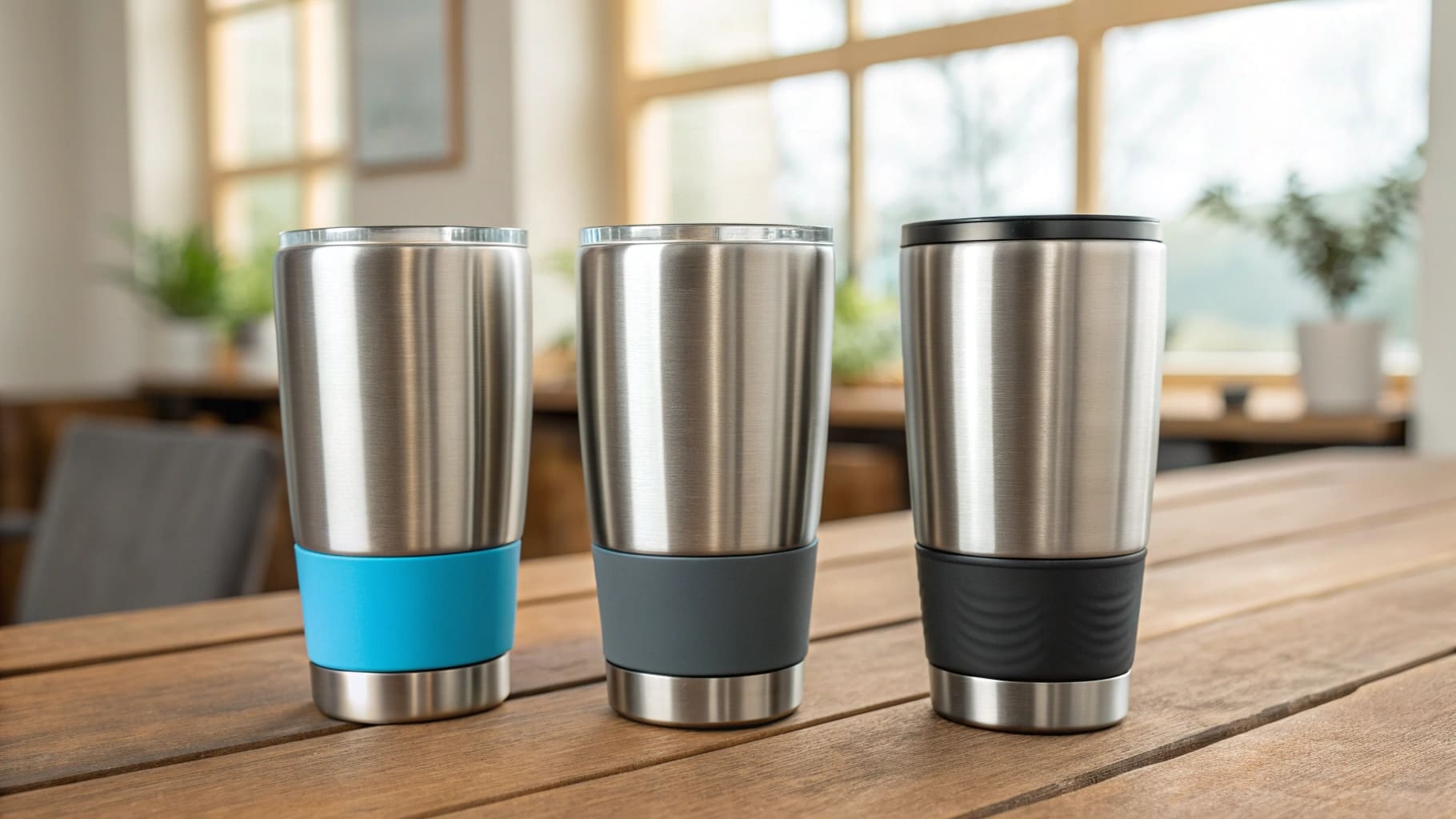
I receive questions about silicone safety every week. Buyers want to know if silicone affects water taste or bottle performance. Let me share what I have learned from working with factories and testing labs.
Silicone demonstrates chemical stability that other materials cannot match. It does not react with hot coffee or cold water. The material maintains its properties across temperature ranges that would damage rubber or plastic alternatives. I have seen bottles with silicone boots survive freezing winters and desert summers without material degradation.
Temperature resistance matters for your customers. Someone might fill a bottle with hot tea in winter. Another person uses it for ice water during summer sports. Silicone handles both situations without cracking or becoming brittle. The elasticity stays consistent regardless of weather conditions.
Material Properties Comparison
| Property | Silicone | Rubber | TPE |
|---|---|---|---|
| Temperature range | -40°F to 248°F | 32°F to 180°F | 14°F to 194°F |
| Chemical stability | Excellent | Moderate | Poor |
| Durability | 5+ years | 2-3 years | 1-2 years |
| Food safety | FDA approved | Limited | Varies |
The material also offers practical benefits for cleaning. Silicone does not absorb odors or stains. Your customers can wash it with soap and water. The boot dries quickly and does not develop mold. This hygiene factor drives repeat purchases in my experience.
What Is a Silicone Water Bottle?
You see both silicone boots and full silicone bottles in the market. The names sound similar. But these products serve different purposes.
A silicone water bottle has walls made entirely from silicone material. These bottles collapse when empty for compact storage. They differ from stainless steel bottles with silicone boots that provide external protection only.
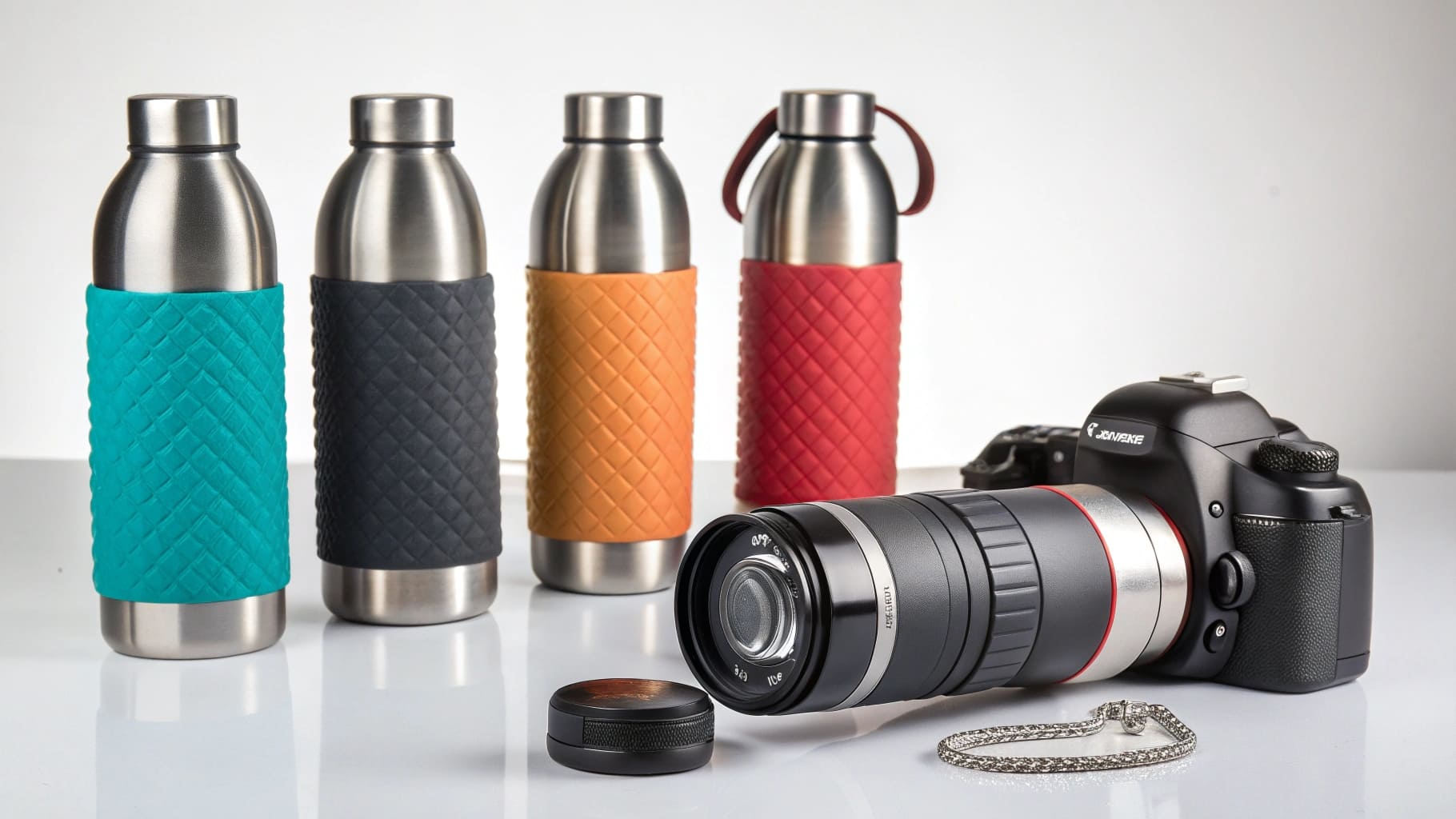
Many buyers confuse these two products when placing orders. I want to clarify the difference because it affects your product selection and pricing strategy.
Full silicone bottles target the collapsible and portable market segment. They appeal to hikers and travelers who need space-saving containers. The entire bottle body uses thick silicone walls. Users can fold or roll the bottle when empty. This design reduces luggage volume during trips.
In contrast, stainless steel bottles with silicone boots serve the insulated beverage market. The stainless steel provides vacuum insulation3 for temperature retention. The silicone boot adds protection and grip without affecting the bottle's core function. Most of my B2B customers prefer this combination because it delivers both performance and durability.
Product Type Comparison
| Feature | Silicone Boot | Full Silicone Bottle |
|---|---|---|
| Primary material | Stainless steel + silicone | 100% silicone |
| Insulation | Yes (vacuum layer) | No |
| Collapsible | No | Yes |
| Temperature retention | 6-12 hours | None |
| Durability | Very high | Moderate |
| Price range | $8-15 | $10-18 |
The AQL inspection requirements differ significantly between these products. Stainless steel bottles with boots need separate quality checks for each component. You inspect the bottle body for vacuum seal integrity and paint quality. Then you check the boot for fit accuracy and material hardness. Full silicone bottles require different tests focused on leak prevention and material thickness consistency.
I always ask buyers to clarify which product they need during initial discussions. This prevents costly mistakes in production and shipping. Your target market determines the right choice. Corporate gifting programs usually want insulated bottles with protective boots. Outdoor retailers might prefer collapsible silicone bottle4s for their backpacking customers.
Conclusion
Silicone boots protect your bottle investment through proper fit and quality control. Choose the right specifications for your market needs and customer expectations.
-
Learn about the advantages of using protective sleeves to minimize shipping damages. ↩
-
Find out why food-grade silicone is essential for safe beverage storage. ↩
-
Understand the technology behind vacuum insulation and its benefits for beverage temperature retention. ↩
-
Discover the benefits of collapsible silicone bottles for travelers and outdoor enthusiasts. ↩