
Silicone boots for bottles and tumblers: durometer, fit, MOQ, and colors
Your customer complains about dented bottles after shipping. You worry about returns eating into your margins. Silicone boots can solve this problem, but choosing the right specifications feels overwhelming.
A silicone boot is a protective sleeve1 that fits around the bottom of water bottles and tumblers. The standard durometer ranges from Shore A 40 to 70. MOQ typically starts at 3,000 pieces for custom orders. You can choose from standard or custom Pantone colors.
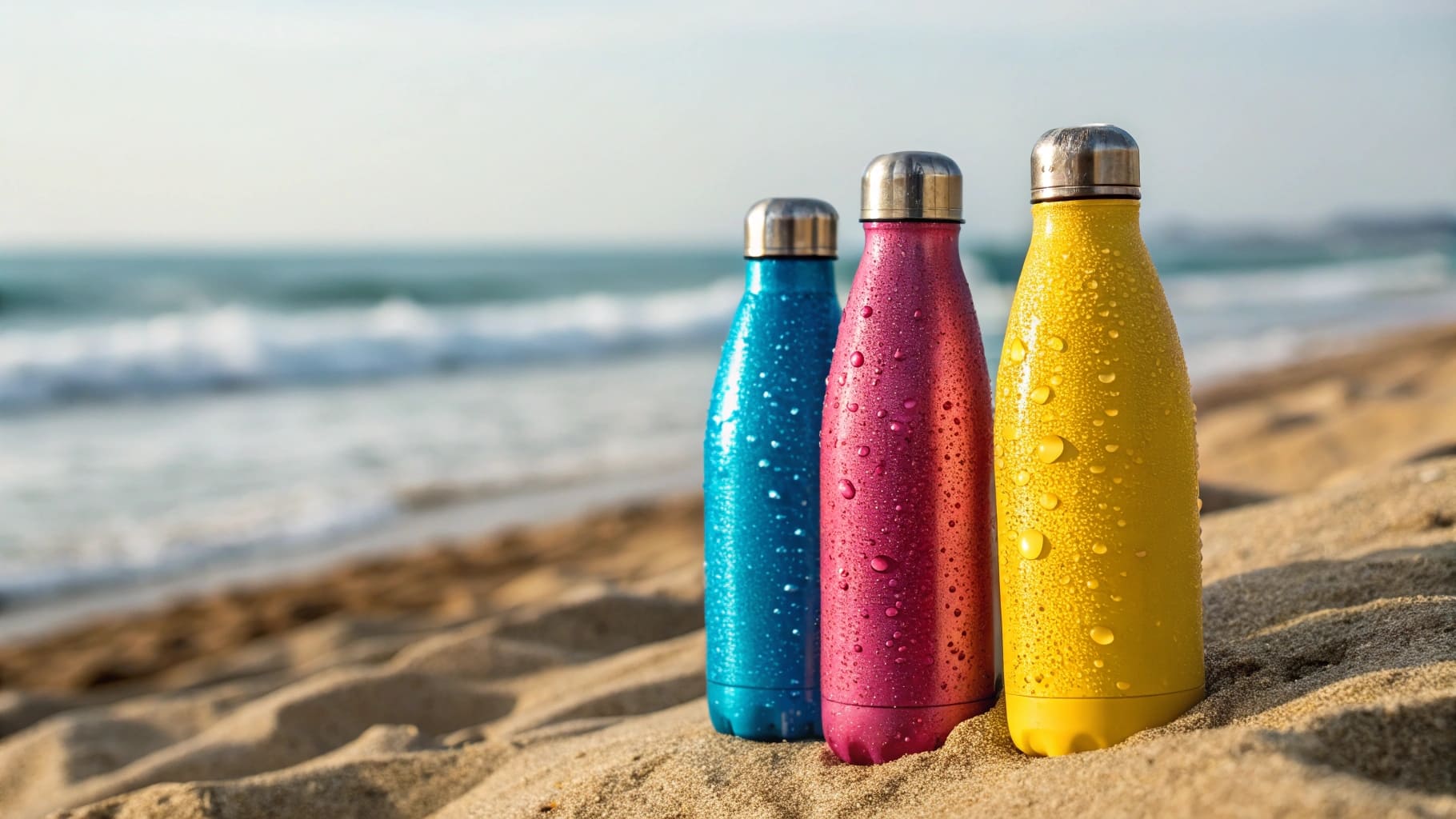
I started offering silicone boots five years ago after a major client returned 300 bottles due to shipping damage. That experience taught me how much value this small accessory adds. Let me share what I learned about selecting the right silicone boots2 for your business.
What is a Bottle Boot?
You see bottles with rubber-like bottoms everywhere. You wonder what that protective layer actually does. Many buyers skip this accessory to save costs, then face quality complaints later.
A bottle boot is a protective silicone sleeve that wraps around the base of stainless steel bottles and tumblers. It acts as a shock absorber when dropped and prevents slipping on smooth surfaces. The boot also reduces noise when placing bottles on tables.
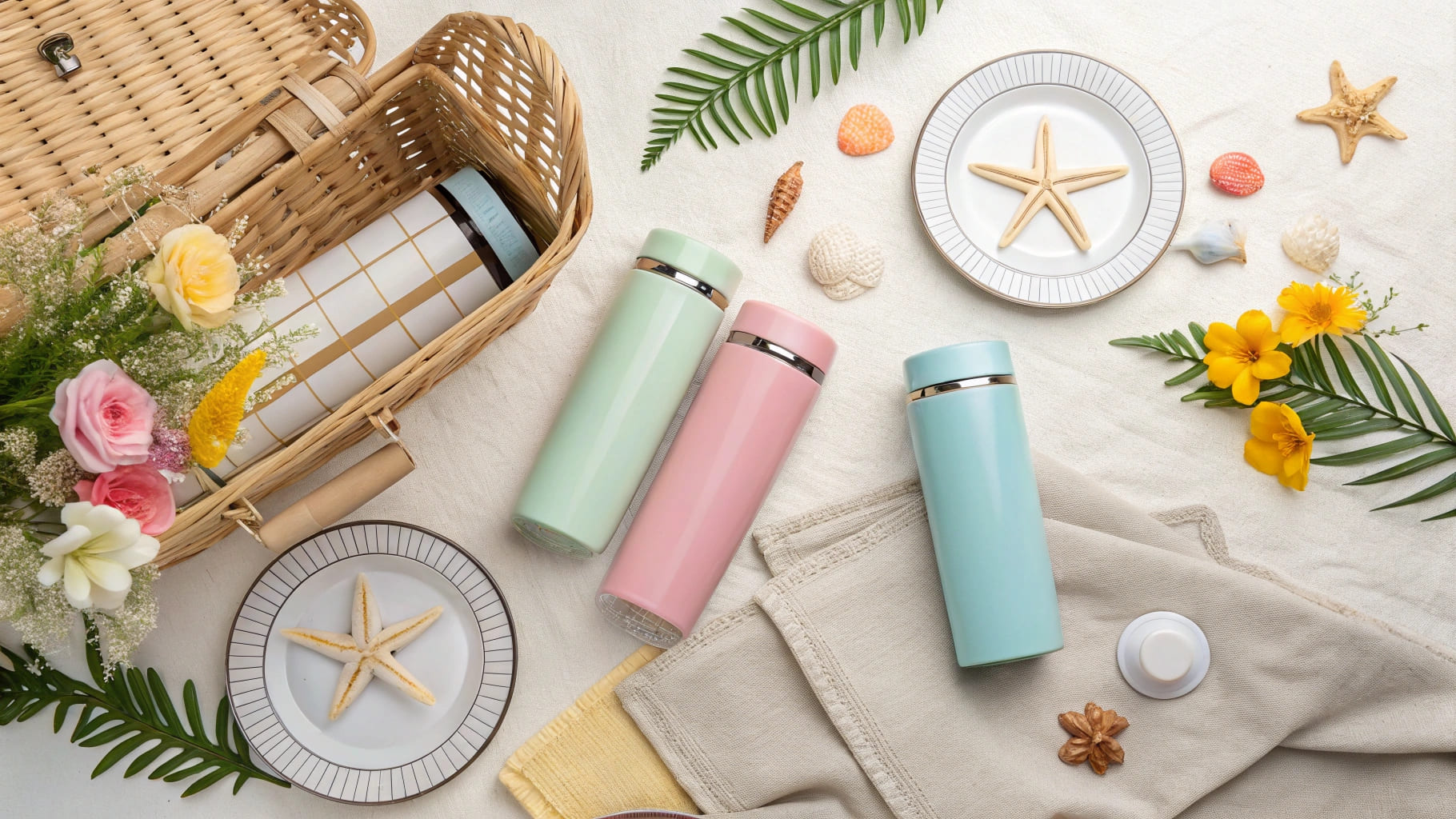
The Basic Structure and Function
I manufacture thousands of silicone boots each month at my factory in China. The boot consists of a single piece of molded silicone that stretches over the bottle bottom. We design it to fit snugly without adhesives or additional fasteners.
The primary function is impact protection. Stainless steel dents easily when dropped on hard surfaces. A silicone boot absorbs the shock and distributes the force across a wider area. This protection matters during shipping and daily use.
The secondary function is slip resistance. Condensation makes stainless steel bottles slippery on desks and car cup holders. The silicone material provides grip that prevents bottles from sliding. I once tested this by placing a bottle on a tilted surface. The version with a boot stayed in place while the bare bottle slid off.
The boot also serves as a noise dampener. Setting a metal bottle on a table creates a loud clang. The silicone layer cushions the contact and makes the action nearly silent. This feature appeals to office workers and gym users who value discretion.
Material Composition
We use solid silicone for bottle boots at my factory. This material offers the best combination of durability and cost efficiency. Solid silicone resists wear from repeated friction against surfaces. It maintains its shape even after thousands of compression cycles.
The manufacturing process requires vulcanizing agents. These chemicals help the silicone cure properly during molding. Without proper vulcanization, the boot becomes sticky or loses its elastic properties. I learned this the hard way when a batch of boots arrived with a tacky surface. The vulcanizing agent ratio was wrong.
| Property | Performance |
|---|---|
| Temperature resistance | -40°C to 230°C |
| Chemical resistance | Excellent against most solvents |
| Elasticity | Can stretch 300-500% |
| Lifespan | 3-5 years with normal use |
What is the Hydro Flask boot for?
Your competitors offer boots and you question whether you need them too. You worry about adding cost without clear customer benefit. The market leader uses boots for specific reasons that drive customer loyalty.
Hydro Flask uses silicone boots to protect their premium powder-coated finish from damage. The boot prevents chips and scratches on the bottle bottom, which is the most vulnerable area. This protection maintains the product's appearance throughout its lifetime.
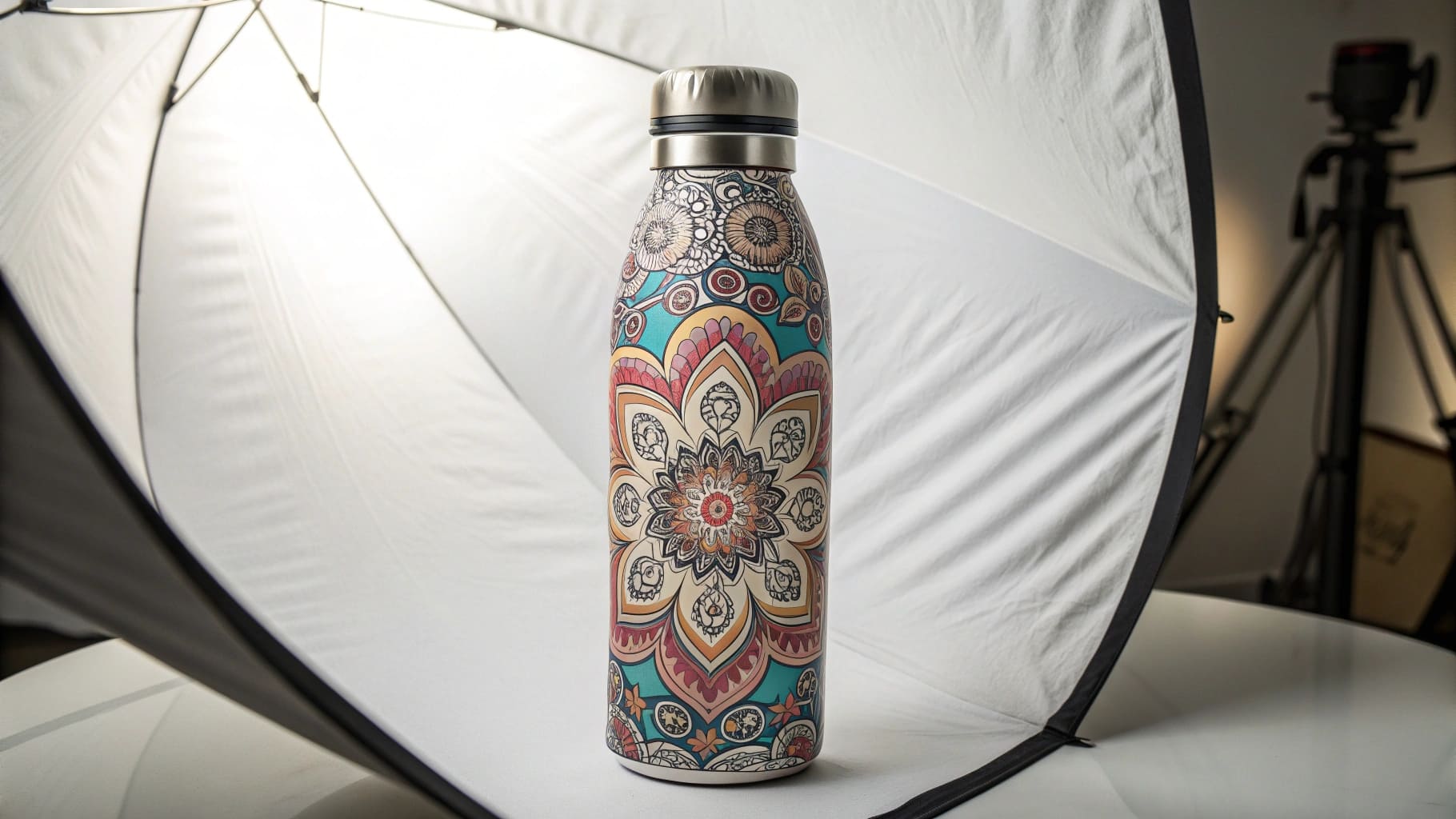
Premium Product Protection Strategy
I work with many brands that position themselves as premium offerings like Hydro Flask does. They face a specific challenge. Their powder coating looks beautiful but chips easily at impact points. The bottom edge takes the most abuse from daily use.
A silicone boot solves this problem effectively. It creates a barrier between the coating and hard surfaces. When customers drop their expensive bottle, the boot takes the damage instead of the finish. This protection reduces warranty claims significantly.
I saw this effect directly with one of my Canadian clients. They sold powder-coated bottles without boots initially. Their return rate was 8% due to cosmetic damage. After adding boots, returns dropped to 2%. The boot cost them $0.40 per unit but saved $3.50 in average return costs.
The boot also enhances the premium perception. Customers feel they receive more value when accessories come included. They associate the attention to detail with overall quality. This psychological effect justifies the higher price point.
Technical Considerations for Brand Protection
The fit3 must be precise for effective protection. We design boots with a 0.5mm tolerance at my factory. Too loose and the boot slides off during use. Too tight and customers struggle to install it.
The durometer4 selection affects protection level. Softer silicone (Shore A 40-50) absorbs impact better but wears faster. Harder silicone (Shore A 60-70) lasts longer but provides less cushioning. Most premium brands choose Shore A 55 as the sweet spot.
Color matching matters for brand consistency. I use Pantone color systems to ensure the boot matches or complements the bottle color. A mismatched boot looks like an afterthought rather than an integrated design element.
Is a silicone boot for a water bottle worth it?
You calculate costs and wonder if boots really increase sales. You fear customers will skip the extra expense in competitive markets. The data from my client relationships tells a different story about value and returns.
A silicone boot is worth the investment for B2B brands targeting premium markets. The typical $0.30-0.50 cost per unit prevents $2-5 in damage-related returns. Boots also enable 10-15% higher retail prices by enhancing perceived quality. The ROI becomes positive after considering reduced returns and increased margins.
Financial Analysis for B2B Buyers
I help my clients run the numbers on silicone boots regularly. The analysis looks different than many buyers expect. You need to consider multiple cost factors beyond the unit price.
The direct cost includes the boot itself plus tooling fees. A custom mold runs $800-1,200 for standard bottle sizes. This one-time cost amortizes quickly across production runs. At 3,000 unit MOQ, tooling adds $0.27-0.40 per piece. The boot material and labor add another $0.25-0.35. Total landed cost typically ranges from $0.52-0.75 per unit.
The indirect costs saved matter more. Product returns cost you much more than the retail price. You lose the product, shipping both ways, labor for processing, and often provide a replacement. My clients report average return costs of $8-12 per incident. A boot that prevents just one return per 20 bottles sold pays for itself completely.
| Cost Factor | Without Boot | With Boot | Difference |
|---|---|---|---|
| Unit manufacturing cost | $4.50 | $5.00 | +$0.50 |
| Return rate | 6% | 2% | -4% |
| Average return cost | $10.00 | $10.00 | $0 |
| Cost per 100 units | $450 + $60 | $500 + $20 | -$10 |
The revenue side also improves. I watched one American client test boots with their retail partners. Stores priced the booted version $4-6 higher than the bare bottle. Customers perceived the accessory as premium care rather than basic function. Your wholesale margin increases by $1.50-2.00 per unit with minimal cost increase.
Market Positioning Advantages
The boot creates differentiation in crowded markets. I supply bottles to over 50 brands. The ones that include boots consistently report better sell-through rates. Retailers prefer products that reduce returns and generate fewer complaints.
Customer satisfaction scores improve measurably. One of my European clients surveys their buyers six months after purchase. Bottles with boots score 4.6 out of 5 stars on average. The same bottle without a boot scores 4.1 stars. That half-point difference translates to repeat purchase rates of 42% versus 28%.
The outdoor and fitness segments particularly value boots. These users drop bottles frequently during activities. They also care about noise in quiet environments like yoga studios or libraries. A boot addresses both concerns directly. I recommend always including boots when targeting these demographics.
Understanding Durometer and Material Selection?
You see durometer ratings in supplier quotes but do not understand what they mean. You worry about choosing wrong and facing quality problems later. The hardness rating directly affects how well the boot performs its intended functions.
Durometer measures the hardness of silicone material on the Shore A scale. Most bottle boots use Shore A 40 to 70. Lower numbers mean softer, more flexible silicone. Higher numbers indicate firmer material that resists compression. The right choice depends on your specific use case and customer preferences.
Shore A Scale Explained for Buyers
I test silicone samples with a durometer gauge at my factory. The device presses a pin into the material and measures resistance. The reading tells you how the boot will behave in real use.
Shore A 40-50 feels very soft and squishy. You can compress it easily with finger pressure. This range provides maximum shock absorption and grip. The boot conforms to irregular surfaces well. I recommend this softness for high-end bottles where protection matters most. The downside is faster wear. The material degrades after 2-3 years of heavy use.
Shore A 55-60 represents the middle ground. Most of my clients choose this range. The material still absorbs impact effectively but lasts longer. You can compress it with moderate pressure. This durometer works for general consumer products where you balance protection and durability.
Shore A 65-70 feels quite firm. You need significant pressure to compress the material. This hardness maximizes lifespan, often exceeding 5 years. The boot resists deformation and maintains its shape. The tradeoff is less shock absorption. I suggest this range for institutional buyers like schools or corporations where longevity matters more than maximum protection.
Testing and Selection Process
I always send durometer samples to new clients before production. You cannot judge hardness from specifications alone. Physical testing reveals how the boot feels and performs.
My testing protocol includes a drop test. I fill the bottle with water and drop it from waist height onto concrete. A Shore A 50 boot prevents dents reliably. A Shore A 70 boot allows minor denting on the second or third drop. This hands-on comparison helps you choose confidently.
The grip test matters equally. I place bottles with different durometer boots on a tilted surface. Softer boots grip better at lower angles. A Shore A 45 boot stays put at 30 degrees. A Shore A 65 boot slides at 25 degrees. Your target environment determines the right choice.
Achieving Perfect Fit and Compatibility?
You order boots that do not fit your bottles properly. You face customer complaints about boots falling off or being too difficult to install. Proper dimensional engineering prevents these problems but requires detailed specifications upfront.
Perfect fit requires precision molding with 0.5mm tolerances. You must provide exact bottle dimensions including bottom diameter, wall thickness, and any grooves or ridges. The boot stretches 5-10% during installation and returns to grip the bottle firmly. Proper fit prevents slipping without making installation frustrating.
Critical Measurements for Custom Boots
I manufacture boots for dozens of different bottle shapes at my factory. Each design requires unique tooling based on specific measurements. You cannot use approximate dimensions and expect good results.
The bottom diameter is the most critical measurement. I need the exact diameter where the boot will sit on the bottle. This location is typically 5-8mm above the very bottom edge. Measure at this height, not at the absolute base. A 0.5mm error here causes loose or tight fit.
The wall curve affects how the boot grips. Most stainless steel bottles have slight inward or outward curves at the bottom. I need to know this radius to design proper boot geometry. A straight-walled bottle needs different boot engineering than a curved one.
Any decorative elements matter too. Some bottles have embossed logos or texture near the bottom. The boot must accommodate these features without trapping air or creating pressure points. I once had to redesign a boot three times because the client did not mention their laser engraving until after tooling completion.
Installation and Removal Considerations
The boot must install easily without tools. I design most boots to stretch 8-10% during installation. This stretch requires moderate force but does not need excessive strength. Elderly users or those with limited hand strength should manage it comfortably.
I test installation with production samples before approving molds. My team installs and removes each boot 20 times to check for issues. The boot should maintain its grip after repeated cycles. Some cheap boots loosen after a few removals. This problem comes from incorrect durometer selection or poor tool design.
The grip mechanism relies on compression rather than adhesion. The boot squeezes the bottle slightly when in place. This pressure creates friction that prevents movement. You do not want the boot so tight that it deforms the bottle. I maintain 0.3-0.5mm compression for optimal balance.
| Bottle Type | Bottom Diameter | Wall Angle | Recommended Stretch | Durometer |
|---|---|---|---|---|
| Standard 500ml | 68-72mm | Straight | 8% | Shore A 55 |
| Wide mouth 750ml | 80-85mm | Slight curve | 10% | Shore A 50 |
| Slim 350ml | 58-62mm | Straight | 7% | Shore A 60 |
| Tumbler 600ml | 75-78mm | Tapered | 9% | Shore A 55 |
MOQ and Production Realities?
You want to test boots with small quantities before committing. You discover suppliers require thousands of pieces minimum. The economics of silicone molding explain these requirements and what flexibility exists.
The typical MOQ for custom silicone boots starts at 3,000 pieces. This quantity covers tooling costs and minimum production runs. Standard color boots in black or gray may have lower MOQs of 1,000-1,500 pieces. Custom Pantone colors require 5,000+ pieces due to material waste during color matching.
Strategies for Lower Volume Buyers
I work with startups and small brands regularly. They need boots but cannot commit to 3,000 pieces initially. Several strategies help manage this situation.
Stock color options reduce MOQ significantly. I keep black, gray, and clear silicone in inventory. These colors work for most bottle designs. The MOQ drops to 1,000-1,500 pieces because I avoid color matching waste. You sacrifice some brand customization but gain access to boots at smaller volumes.
Shared tooling works for standard bottle sizes. I manufacture boots for common diameters like 68mm, 72mm, and 80mm. Multiple clients use the same mold design. This approach eliminates your tooling cost entirely. You only pay the per-piece manufacturing cost. The limitation is you cannot customize the boot design beyond color selection.
Phased ordering spreads the commitment over time. I hold your tooling and produce boots in batches. You might order 1,500 pieces initially, then 1,500 more six months later. This method still requires 3,000 piece commitment but eases cash flow pressure. I charge a small tooling storage fee of $30-50 per month.
One Canadian client used this phased approach successfully. They launched with 1,500 black boots in March. Sales exceeded expectations by summer. They ordered another 3,000 pieces in August with a custom color. The initial small batch let them test the market without excessive inventory risk.
Custom Colors and Pantone Matching?
You want boots that match your brand colors exactly. You send Pantone codes and expect perfect matches. Color accuracy in silicone requires understanding the material limitations and production processes.
Custom Pantone color matching for silicone boots requires MOQ of 5,000+ pieces. The matching process creates 2-3kg of waste material during testing and adjustment. Silicone cannot achieve exact Pantone matches due to material properties. You typically get within 90-95% color accuracy compared to the reference.
The Color Matching Process
I spend considerable time on color matching at my factory. The process is more complex than many buyers expect. Silicone behaves differently than printed materials or painted surfaces.
The first challenge is material translucency. Pure silicone has some transparency even in solid form. This quality affects how pigments appear. Colors look slightly different than opaque materials like powder coating or painted metal. I need to adjust pigment ratios to compensate.
I start with your Pantone reference and create test batches. Each batch uses 1-1.5kg of silicone material. I adjust the pigment concentration in 2-5% increments. Most colors require 3-4 test cycles to get close. This process generates material waste that cannot be reused effectively in other colors.
The curing process also changes color slightly. Fresh mixed silicone looks different than cured silicone. The vulcanizing agent and heat affect the final shade. I learned to account for this shift through experience. New color matchers often miss this detail and deliver boots that look wrong after curing.
Lighting conditions matter significantly. I send color samples to clients for approval under natural daylight. The same boot looks different under fluorescent lights, LED lights, or sunlight. You should evaluate samples in your actual retail environment before approving production.
Standard Color Options
I keep six standard colors in stock to avoid matching costs. These colors work for 80% of my clients and ship faster than custom colors.
Black remains the most popular choice. It hides dirt and wear effectively. Black boots work with any bottle color scheme. The pigment cost is low and color consistency is easy to maintain. I can produce black boots with just 1,000 piece MOQ.
Gray comes in two shades at my factory. Light gray matches stainless steel finishes naturally. Dark charcoal gray provides contrast without being as stark as black. Both options suit professional or minimalist brand aesthetics.
Clear or translucent silicone offers unique advantages. The material shows the bottle color underneath. This option works well for brands with colored powder coating or printed designs. Clear silicone requires no pigment and has the lowest cost. The MOQ drops to 1,000 pieces.
Navy blue and forest green serve as standard accent colors. These shades complement outdoor and fitness branding. I stock these because multiple clients request them regularly. MOQ stays at 2,000 pieces due to moderate demand.
| Color Type | MOQ | Lead Time | Cost vs Black |
|---|---|---|---|
| Black | 1,000 | 15 days | Baseline |
| Gray (light/dark) | 1,000 | 15 days | Same |
| Clear | 1,000 | 12 days | -$0.05 |
| Navy/Forest Green | 2,000 | 18 days | +$0.08 |
| Custom Pantone | 5,000 | 25 days | +$0.15-0.25 |
Color Consistency Across Production Runs
You order custom colors and need consistency in future orders. Silicone color matching has inherent variability. I manage this through careful documentation and material sourcing.
I keep samples from every production run in my archive. When you reorder, I reference the previous batch rather than the original Pantone code. This method maintains better consistency than starting fresh each time. The boot matches itself across orders even if it does not match the Pantone perfectly.
Pigment suppliers change their formulations occasionally. This change affects color results even with identical mixing ratios. I source pigments from two suppliers to hedge against this risk. If one changes their product, I can switch to the backup supplier and maintain your color.
Batch size affects consistency within a single order. Small batches of 3,000 pieces come from the same pigment mix. Large orders of 20,000+ pieces require multiple mixing batches. Color can vary slightly between these batches. I mitigate this by mixing extra material upfront when possible.
One American client learned this lesson expensively. They approved a custom burgundy color from a small sample. The production run of 10,000 pieces had visible variation between the first and last batches. We had to discount 3,000 pieces due to the color shift. Now I always mix enough material for the entire order in a single batch for colors.
Material Safety and Certification Requirements?
You ship to American and European markets that require safety certifications. You assume all silicone is safe and food-grade. Material compliance varies significantly between suppliers and affects your liability exposure.
Food-grade silicone boots require FDA or LFGB certification depending on target market. Standard industrial silicone may contain additives unsuitable for food contact applications. Always request certification documentation before ordering. Testing costs $800-1,200 per material formulation if certificates do not exist.
Understanding Food-Grade Requirements
I manufacture boots that contact beverage containers daily. The silicone must meet food-safe standards even though it does not directly touch the liquid. Regulations consider any material that might contact food or drink surfaces.
FDA approval in America requires the silicone to pass migration testing. This test measures whether chemicals leach from the silicone into food simulants. The material must not transfer more than specified limits of various compounds. Testing takes 4-6 weeks at an accredited lab.
LFGB certification covers European markets. This German standard is stricter than FDA in some areas. The testing includes more chemical compounds and lower acceptable limits. Material that passes FDA does not automatically pass LFGB. I learned this when a European client rejected my FDA-certified material. I had to reformulate and retest for $1,500.
The platinum-cure versus peroxide-cure distinction matters. Platinum-cure silicone costs more but has better food safety profiles. Peroxide-cure silicone can leave residual peroxides that affect taste or safety. Most food-grade applications require platinum-cure material. I use platinum-cure exclusively for bottle boots despite the 15-20% cost premium.
Certificate Management and Documentation
I maintain a certification library at my factory. Each silicone formulation has its own folder with test reports and certificates. You should request these documents before placing orders.
Check the certificate dates. Food-safe certifications typically expire after 2-3 years. The material formulation must be retested periodically. Some suppliers show old certificates that no longer apply. I once discovered a competitor using a 5-year-old FDA certificate. The silicone supplier had changed their formulation since that test. The certificate was technically fraudulent.
Verify the testing lab accreditation. Only certain labs are recognized by FDA and European authorities. A test report from an unknown lab has no value. I use SGS and Intertek for all certification testing. These labs are accepted globally. The reports cost more but eliminate questions from your customers or regulators.
Request both English and local language certificates when shipping internationally. Some customs authorities or retail chains require documentation in their language. I provide translated certificates for major markets. This service prevents clearance delays.
One Canadian client faced a shipment hold at customs. The inspector wanted French language LFGB certificates. My English versions were not sufficient. The shipment sat in customs for three weeks while we obtained translations. They missed their peak sales season. Now I provide French certificates automatically for Canadian shipments.
Production Lead Times and Quality Control?
You need boots quickly to meet launch deadlines. You wonder how long production actually takes. Manufacturing silicone boots involves multiple steps that each require specific time periods you cannot compress.
Standard production lead time for silicone boots is 20-25 days after mold approval. This includes material preparation, molding, curing, quality inspection, and packaging. Rush orders can reduce lead time to 15 days with premium pricing. Custom colors or complex designs may require 30-35 days.
Production Timeline Breakdown
I walk through every step of boot production with new clients. Understanding the timeline helps you plan inventory accurately. Each phase has minimum time requirements based on material science and quality needs.
Mold fabrication takes 12-15 days for new designs. The mold maker receives your specifications and machines the aluminum tool. This timeline assumes straightforward designs without complications. Complex shapes with undercuts or thick sections may need 18-20 days. You cannot skip or shorten this phase without sacrificing quality.
Material preparation requires 1-2 days. I mix the silicone base with pigments and vulcanizing agents. The mixture must rest for 4-6 hours to release trapped air bubbles. Rushing this step creates voids in the finished boots. These defects weaken the material and create cosmetic flaws.
Molding and curing happens over 3-4 days for typical order sizes. Each boot takes 3-5 minutes in the press. A 3,000 piece order requires about 180 hours of machine time. I run two 10-hour shifts per day, so the actual molding takes about 9 days. The boots then need 24 hours additional curing time outside the molds.
Quality inspection takes 2-3 days. My team checks every boot for defects, dimensional accuracy, and color consistency. We reject boots with flashing, voids, or color spots. The inspection rate is about 800 pieces per person per day. I employ three inspectors who rotate to maintain focus.
Packaging and preparation require 1-2 days. We count boots into cartons, apply labels, and prepare shipping documents. This phase seems simple but errors here cause serious problems. One miscount led to a container with 200 fewer boots than invoiced. The client refused payment until we air-shipped the shortage.
Quality Control Protocols
I implement strict quality standards at every production stage. Silicone boots are simple products but defects still occur without proper controls. My rejection rate runs 2-3% on average.
Visual inspection catches most defects. My inspectors check for flash around edges, color consistency, and surface finish. Flash occurs when silicone leaks between mold halves. This excess material must be trimmed manually. Severe flash indicates worn tooling that needs repair.
Dimensional checks happen on samples from each production batch. I measure critical dimensions with calipers accurate to 0.1mm. The inner diameter determines fit on the bottle. This measurement must stay within 0.5mm tolerance. I check 20 boots per 1,000 pieces produced.
Durometer verification ensures consistent hardness. I test five boots from each batch with my Shore A gauge. The reading must match specifications within 2 points. Variation beyond this indicates mixing ratio problems. I stop production immediately if durometer drifts out of range.
Pull testing verifies the boot stays on bottles properly. I install boots on sample bottles and attempt to remove them with measured force. The boot should resist 5-8kg of pull force depending on durometer. Too little resistance means the boot will fall off during shipping or use. Too much makes installation frustrating for customers.
I photograph quality issues whenever they occur. This documentation helps identify recurring problems and their root causes. I review these photos monthly with my production team. We implement corrective actions to prevent repeat defects. This continuous improvement reduced my rejection rate from 5% to 2% over three years.
Conclusion
Silicone boots protect your bottles, reduce returns, and justify premium pricing. Choose Shore A 55 durometer for most applications, plan for 3,000 piece MOQ, and verify food-grade certifications. The investment pays back through customer satisfaction and reduced warranty costs.
-
Understand the role of protective sleeves in preventing damage during shipping. ↩
-
Explore how silicone boots can enhance bottle durability and reduce returns. ↩
-
Learn the importance of precise fit for effective protection and customer satisfaction. ↩
-
Understanding durometer helps you choose the right silicone for your needs. ↩