
Shop insulated water bottles: 20oz vs 750ml, MOQ, and 2026 lead times via FOB/DDP
You need vacuum insulated bottles for your brand, but confusing capacity choices and unclear MOQ terms drain your time. Poor supplier communication delays shipments and kills profit margins.
I source stainless steel water bottles from China for North American brands. The 20oz and 750ml sizes serve different markets. MOQ structures and 2026 lead times under FOB or DDP terms directly impact your cash flow and inventory planning.
I remember my first large order in 2018. The supplier promised 30-day delivery, but containers arrived 67 days later. My customer missed their summer peak season, and I lost 40% of that year's projected revenue. That painful lesson taught me how capacity selection1, MOQ negotiation, and shipping terms determine success or failure in this business. You cannot afford these mistakes in 2026 when market competition2 intensifies and customers demand faster turnaround times.
Which insulated water bottle is the best?
You browse through hundreds of bottle designs, but most look identical. Quality claims confuse you, and you worry about choosing wrong. One bad batch ruins your brand reputation forever.
The best insulated bottle uses vacuum insulated double-wall 18/8 stainless steel with proven thermal retention. Quality depends on manufacturer R&D support, customization flexibility, and supply chain reliability3 that matches your market positioning and profit targets.
Material Standards Matter More Than Marketing
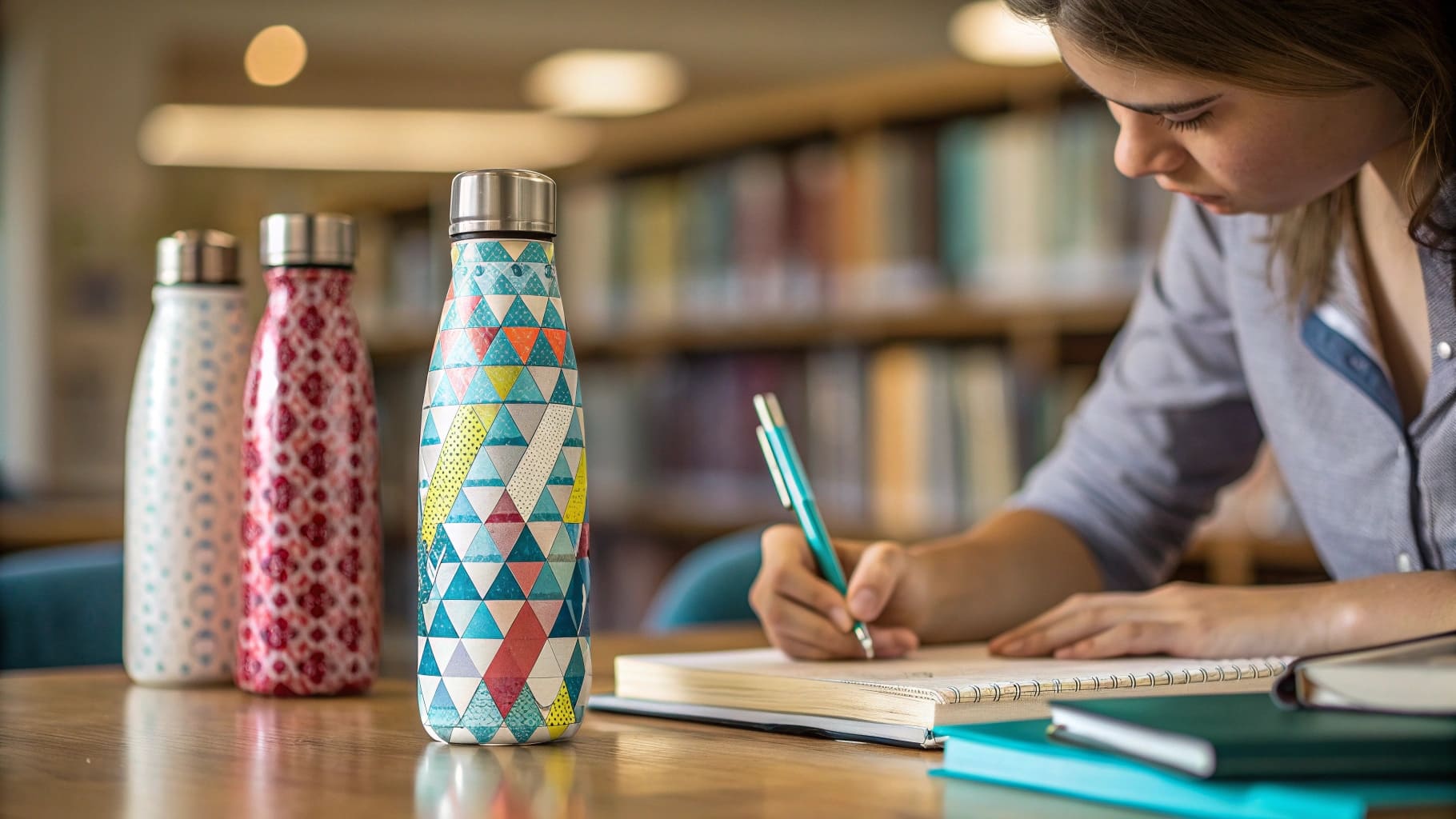
I work exclusively with factories that use food-grade 18/8 stainless steel. This specification means 18% chromium and 8% nickel content, which prevents rust and maintains taste neutrality. Some suppliers cut costs with inferior alloys that fail after months of use.
The vacuum insulation technology keeps drinks hot for 12 hours or cold for 24 hours. I test samples personally before committing to production runs. Here is how I evaluate quality:
| Quality Factor | What I Check | Why It Matters |
|---|---|---|
| Weld Quality | Interior seam smoothness | Poor welds leak within weeks |
| Vacuum Seal | Temperature retention test | Determines actual performance |
| Thread Precision | Lid fit and seal tightness | Prevents leaks during transport |
| Surface Finish | Powder coating adhesion | Affects long-term appearance |
Customization Defines Your Competitive Edge
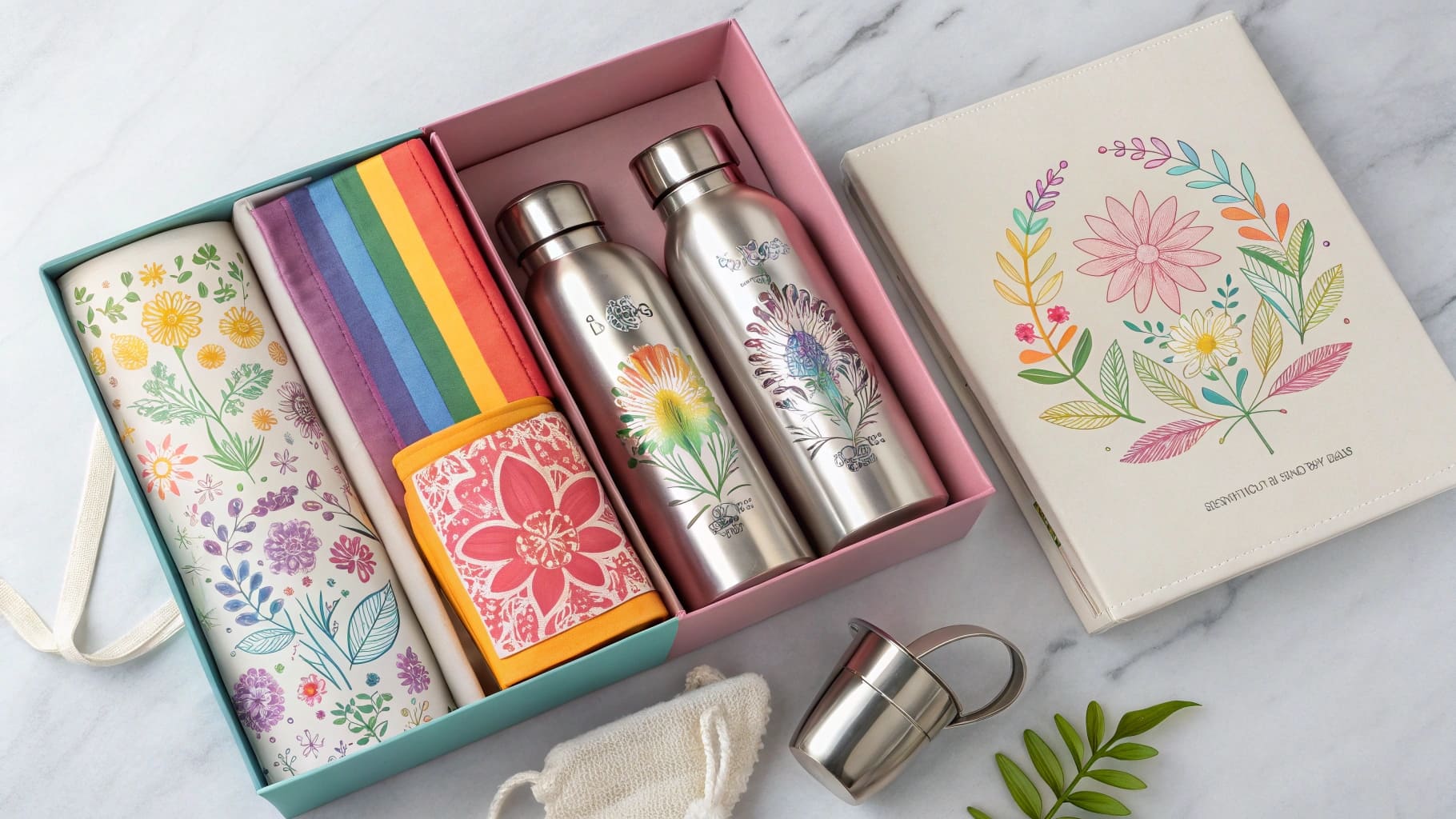
My successful clients never order generic products. They need custom packaging4, unique color combinations, and proprietary lid designs. The factories I work with provide molding services for exclusive shapes and graphics application for brand logos.
One client came to me with a sketch for a bottle with a built-in fruit infuser. The manufacturer I connected them with developed three prototypes within two weeks. That customization capability separated their brand from 200 competitors on Amazon.
You need suppliers who understand engineering support from concept to quality control. Generic trading companies cannot deliver this level of service. Direct manufacturer relationships give you access to their R&D teams and production flexibility.
What is the safest water bottle to avoid Microplastics?
Your customers read news about microplastics in drinking water. They question whether plastic bottles poison their families. This fear drives purchasing decisions, but you need facts to position your brand.
Stainless steel water bottles eliminate microplastic contamination that occurs with plastic alternatives. Premium 18/8 grade stainless steel contains zero BPA or plastic liners that degrade and release particles into beverages over time.

Material Science Behind Safety Claims
I source bottles made from 304 stainless steel, which laboratories certify as food-grade. This material does not break down or leach chemicals regardless of temperature or acidic content. Plastic bottles release microplastic particles when exposed to heat or when the surface scratches through normal use.
The vacuum insulated double-wall construction means no plastic touches your beverage. Some cheap bottles use plastic liners to hide welding imperfections, but these liners defeat the safety purpose. I verify material specifications through factory audits and third-party testing before recommending suppliers to buyers.
Here is what distinguishes safe bottles from questionable ones:
| Safety Feature | Safe Choice | Risk Factor |
|---|---|---|
| Primary Material | 18/8 Stainless Steel | Any plastic or unknown metal |
| Interior Coating | None or food-grade ceramic | Plastic liner or unknown coating |
| Lid Components | Food-grade silicone seal | Mixed plastic components |
| Certification | FDA or LFGB approved | No certification provided |
Marketing Advantage In Health-Conscious Markets
My North American clients see 30-40% higher profit margins when they position products around health safety. European buyers demand certifications that prove zero microplastic risk. This trend grows stronger each year as research confirms microplastic health impacts.
Stainless steel bottles cost more per unit than plastic alternatives. You pay around three to five dollars per bottle at MOQ quantities versus one dollar for plastic. But you sell stainless steel bottles at 15 to 25 dollars retail, while plastic bottles struggle above 10 dollars. The safety positioning justifies premium pricing and builds customer loyalty that generates repeat purchases.
Is a 750ml water bottle enough?
You need to choose bottle sizes for your product line, but different sources quote capacity in ounces or milliliters. Wrong size selection leaves inventory sitting unsold. You worry about committing to large MOQ quantities for sizes customers do not want.
The 750ml capacity equals approximately 25oz and serves office workers and moderate gym users well. This mid-range size balances adequate hydration with comfortable portability, but your target market's lifestyle determines if this capacity meets their actual needs.
Capacity Selection Based On Use Cases
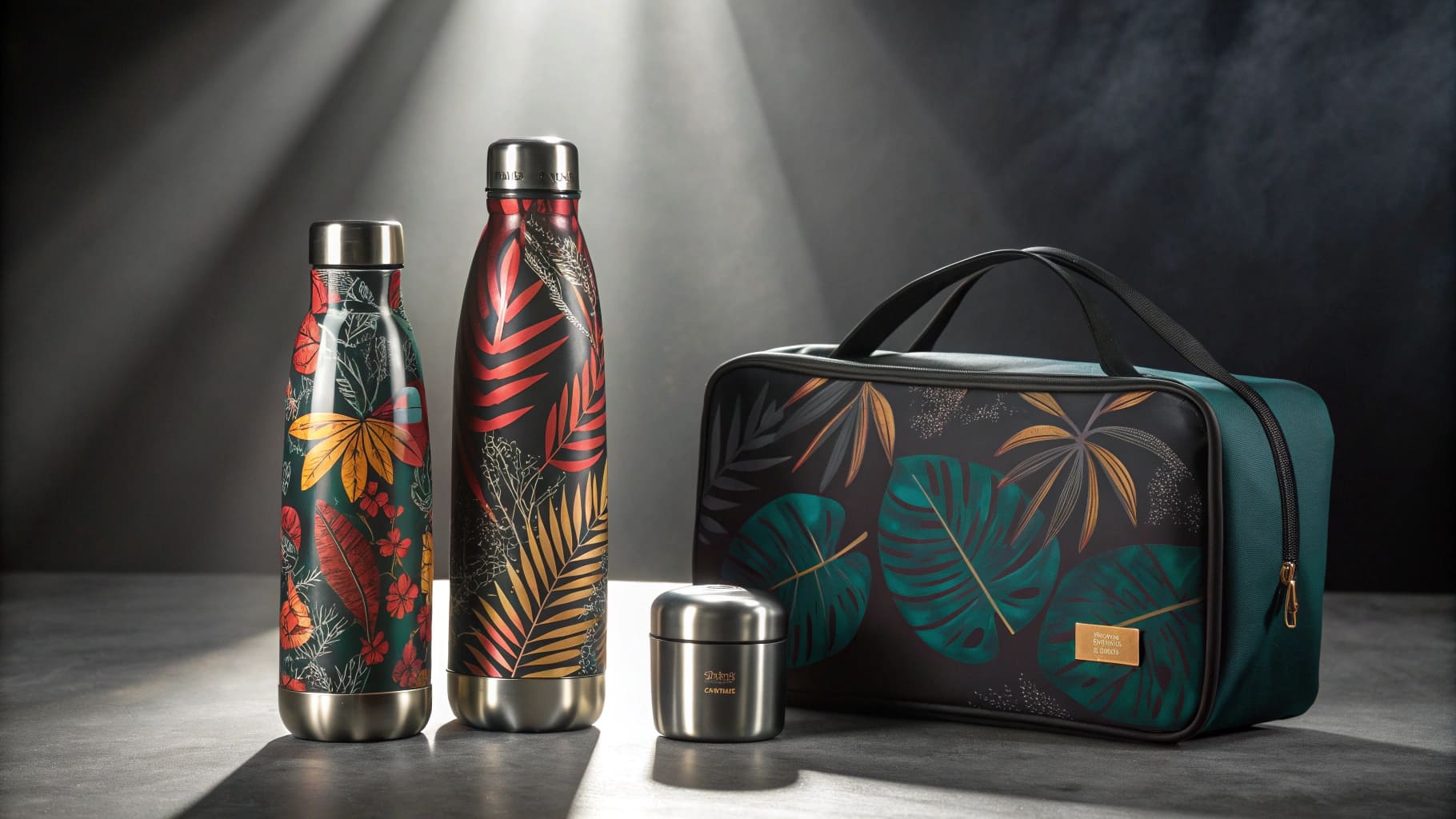
I help clients analyze their target customer behavior before selecting sizes. The 750ml bottle works perfectly for people who refill throughout the day. Office workers sip water during meetings, and gym users drink between exercise sets. These customers value lighter weight over maximum capacity.
Athletes and outdoor enthusiasts demand larger sizes. I see growing demand for 32oz, 40oz, and even 64oz half-gallon bottles. Construction workers and hikers cannot refill frequently, so they carry full-day supplies. Meanwhile, children and casual users prefer smaller 14oz to 17oz bottles that fit in small bags and weigh less when filled.
Your product mix strategy should include multiple sizes within the same design family. Manufacturers can produce 500ml, 750ml, and 1000ml versions using similar tooling, which reduces development costs. Here is how I structure size offerings:
Size Portfolio Strategy
| Capacity | Target User | Retail Price Range | MOQ Impact |
|---|---|---|---|
| 350-500ml | Children, casual use | 12-18 dollars | Lower MOQ accepted |
| 750ml | Office, moderate gym | 18-25 dollars | Standard MOQ applies |
| 1000ml+ | Athletes, outdoor | 25-35 dollars | Higher per-unit margin |
I negotiated multi-size ordering structures with my main suppliers. You commit to combined MOQ across sizes rather than meeting minimum quantities for each size separately. This approach optimizes inventory investment while covering diverse market segments.
The 750ml size alone might limit your market reach. I watched a client struggle with excess 750ml inventory while losing sales to competitors offering 32oz bottles. We adjusted their mix to 40% at 750ml, 30% at 500ml, and 30% at 1000ml. Sales increased 60% within four months because the product line matched actual customer preferences across different use cases.
Conclusion
Selecting bottle capacity, ensuring material safety, and negotiating MOQ with clear shipping terms determines your success in the insulated bottle market. I learned these lessons through expensive mistakes that you can avoid.
-
Get insights on selecting the right bottle capacity based on customer needs and market trends. ↩
-
Learn strategies to maintain a competitive edge in the growing insulated bottle market. ↩
-
Explore the significance of supply chain reliability in maintaining product availability and customer satisfaction. ↩
-
Explore tips for designing custom packaging that enhances brand identity and attracts customers. ↩
