
Reusable water bottles for campus programs: SKU and PIM planning by oz and ml
Campus programs face a real problem when sourcing water bottles. You order hundreds of units, only to find students prefer different sizes. The bottles sit unused in storage, and your budget goes to waste.
For campus programs, plan SKUs by capacity ranges: 400ml for kids, 500-750ml for standard use, and 1000-2400ml for athletes. Use PIM systems to categorize by material, lid type, and insulation features. This approach matches student needs with inventory.
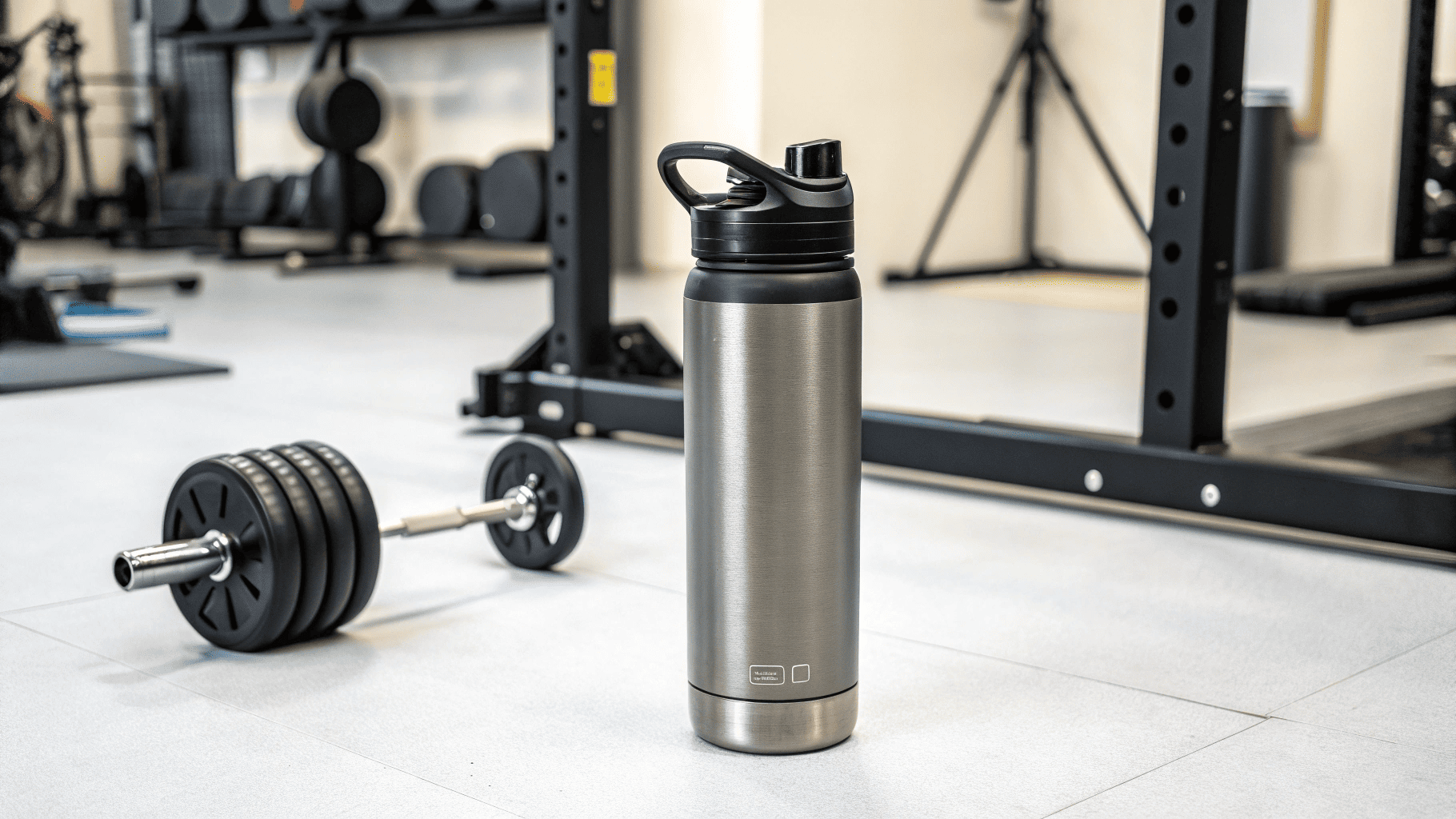
I work with many campus programs at Icobottle. They tell me the same story: they order bottles without a clear system. Then they struggle to meet different student needs. Last year, a university in California asked for help. They had 2000 bottles in the wrong sizes. I learned that planning matters more than price.
What Water Bottle Do College Students Use?
You walk across any campus and see students carrying all types of bottles. But most choose wrong, and the bottles end up in dorm room corners. Students waste money on bottles that leak in backpacks or fail to keep drinks cold.
College students prefer stainless steel bottles with 500-750ml capacity, leak-proof lids, and easy one-handed operation. Popular choices feature dual-function spouts for both straw and wide-mouth drinking, with 12-24 hour insulation performance.
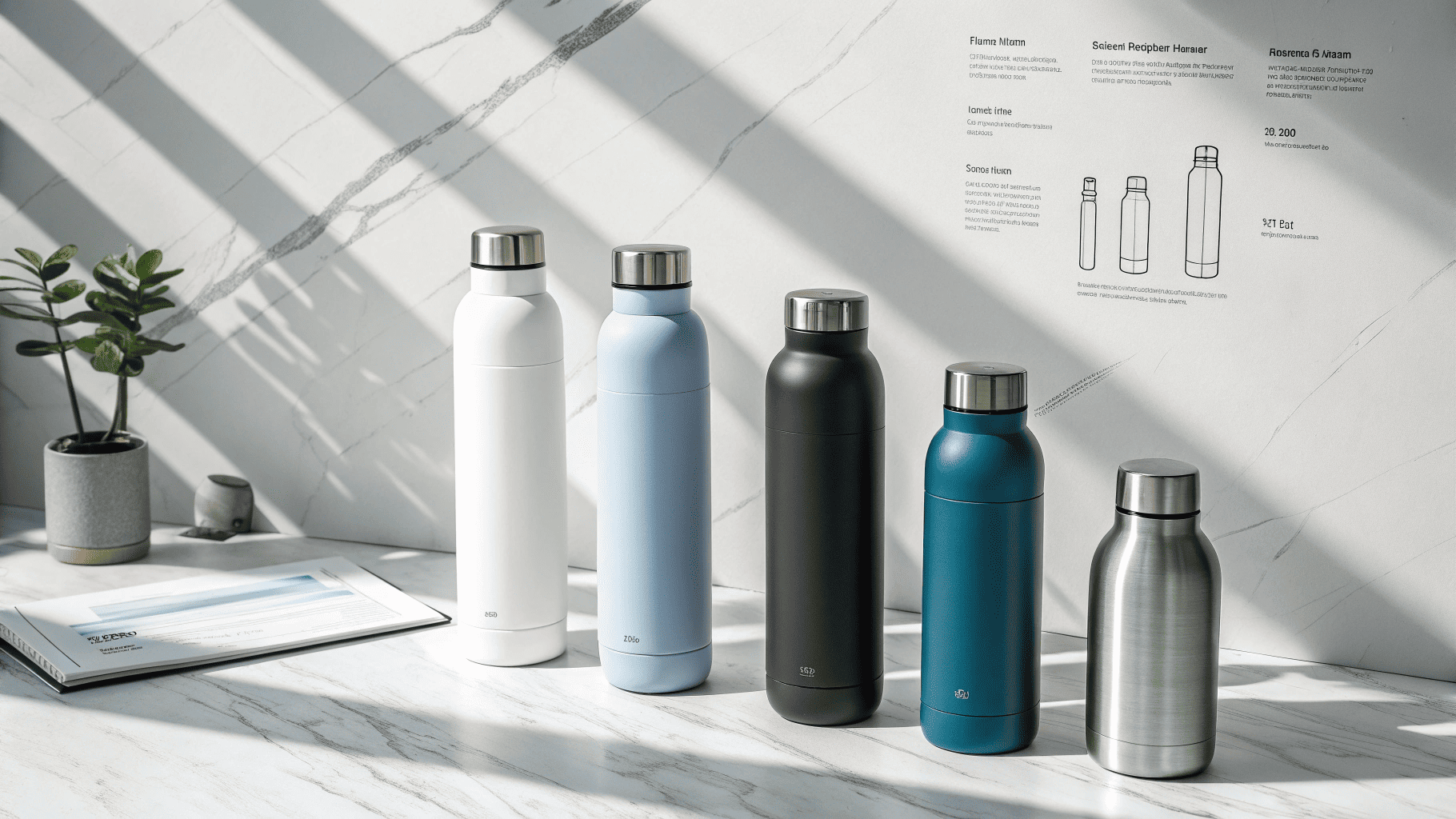
Student Preferences Break Down into Three Categories
I sell to campus distributors across North America. They share feedback from thousands of students. The data shows clear patterns.
Functionality Requirements
| Feature | Priority Level | Student Feedback |
|---|---|---|
| Leak-proof design | Critical | Must survive backpack chaos |
| One-handed operation | High | Need to drink while walking |
| Easy cleaning | High | Most wash once per week |
| Lightweight construction | Medium | Carry all day between classes |
Students choose bottles that work during lectures. They need to drink without disrupting others. One procurement officer told me his students complained about noisy flip lids. We switched to soft-close mechanisms. The complaints stopped.
Material and Insulation Needs
Most students pick stainless steel over plastic. They want drinks cold from morning through afternoon classes. At Icobottle, we test our bottles with ice water. The good ones keep ice for 24 hours. Students in warm climates need this performance.
Design and Portability Features
The practical side matters most. Students prefer bottles with paracord handles1 or silicon boots. These features protect bottles from drops. I remember a startup founder from Oregon. He ordered 500 bottles without handles. Students found them hard to carry. He reordered with handles the next semester.
How to Organize Reusable Water Bottles for Campus Distribution?
Campus programs receive bottles in bulk. Then chaos starts. You have different sizes, colors, and lid types mixed together. Staff waste hours sorting through boxes. Distribution day becomes a nightmare of confusion and mistakes.
Organize bottles using a three-tier system: first by capacity ranges2 (400ml, 500-750ml, 1000-2400ml), then by material type (stainless steel, Tritan, hybrid), and finally by lid function (flip, straw, dual-function). Use PIM software to track SKUs across these categories.
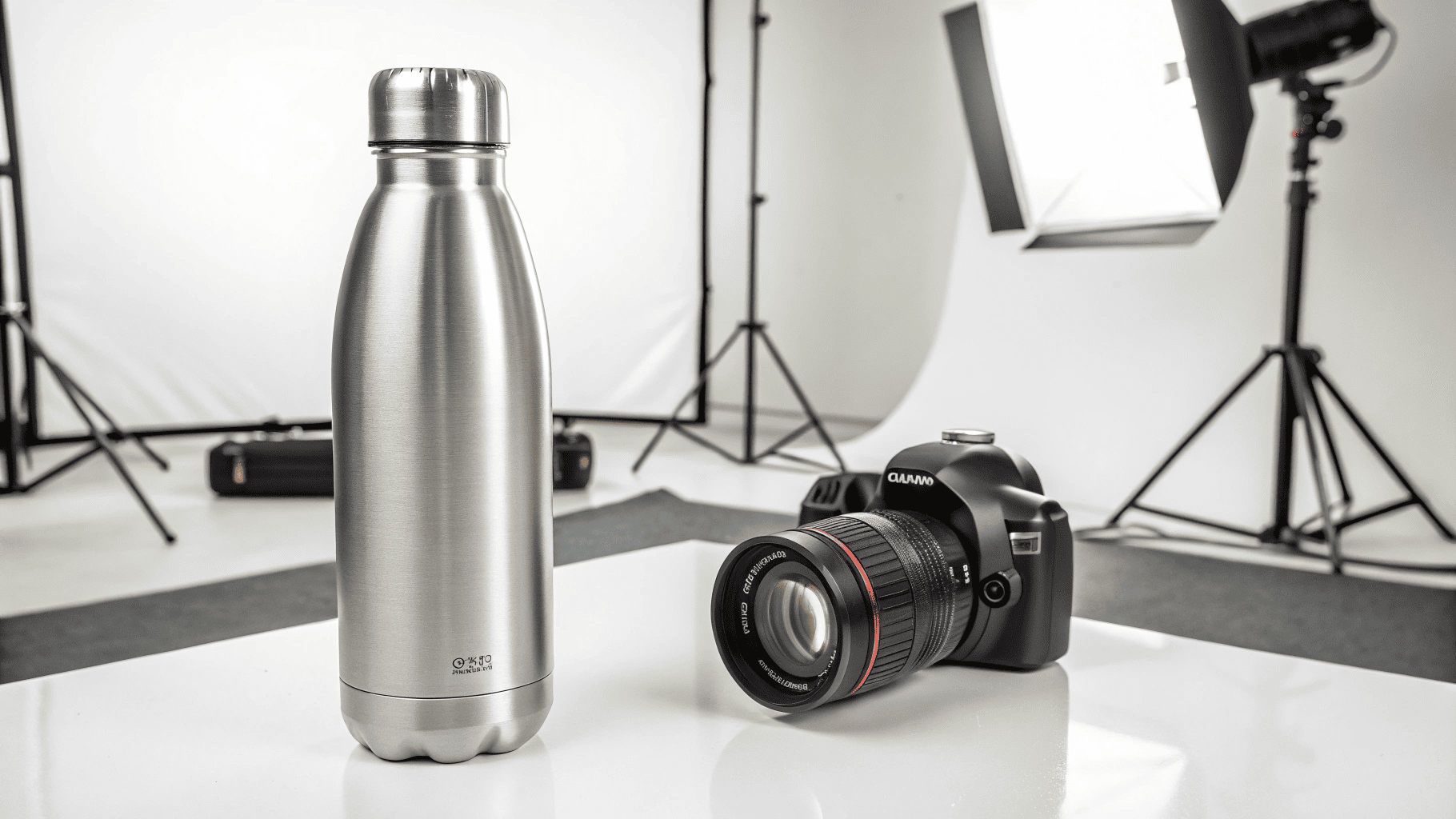
Building a Practical SKU System
I help clients set up their inventory systems. The process seems complex at first. But it follows simple logic once you break it down.
Capacity Segmentation by Use Case
| Capacity Range | Target Users | Common Applications |
|---|---|---|
| 400ml | Elementary programs | Short classes, young children |
| 500-750ml | Standard campus use | Regular classes, daily carry |
| 1000-1500ml | Active students | Gym sessions, long study hours |
| 2000-2400ml | Athletic programs | Sports teams, intense training |
Start with capacity as your primary category. This matches how students actually choose bottles. A graduate student studying in the library needs different capacity than an athlete at practice. I learned this from a Canadian buyer named Mark. He initially ordered all 500ml bottles for a sports program. The athletes wanted larger sizes. We restructured his order around use cases.
PIM Structure for Campus Programs
Your PIM system should connect capacity with features. Create parent SKUs for each capacity range. Then add child SKUs for color and lid variations. At Icobottle, we use this structure for all campus orders. It helps buyers reorder specific variations without confusion.
Material and Feature Categories
Group bottles by material after capacity. Stainless steel bottles work best for temperature control. Tritan plastic suits budget programs. Hybrid designs combine both materials for specific benefits. Each material category needs its own quality standards3 and certifications.
Add functional features as the final layer. Flip lids suit quick sips. Straw lids work for hands-free drinking. Dual-function designs serve both needs. I source all these options at Icobottle. Campus programs often mix different lid types within one order.
Why Does Owala Dominate Campus Water Bottle Choices?
You see Owala bottles everywhere on campus. Other brands struggle to compete. Campus programs wonder if they should stock similar designs. The question matters for budget planning and student satisfaction.
Owala dominates because it combines innovative dual-function spouts with superior insulation and Instagram-worthy aesthetics. The FreeSip design lets users switch between straw and wide-mouth drinking. This versatility matches how students actually use bottles throughout their day.
Learning from Owala's Success
I study successful brands to understand what students want. Owala teaches important lessons for campus programs.
Innovation in Functionality
| Feature | Student Benefit | Campus Program Application |
|---|---|---|
| Dual-function spout | Drink during class (straw) or gym (wide-mouth) | Order versatile bottles for diverse activities |
| Lock mechanism | Prevents spills in backpacks | Reduces complaints and replacements |
| Easy disassembly | Simple cleaning process | Encourages regular hygiene habits |
The FreeSip spout solves a real problem. Students want both drinking methods in one bottle. They use the straw during quiet study sessions. They switch to wide-mouth for quick water intake after exercise. Campus programs can apply this lesson by choosing bottles with adaptable features.
Social Media and Visual Appeal
Owala succeeds partly through TikTok and Instagram. Students see colorful bottles in their feeds. They want the same aesthetic. I notice this trend when campus buyers request specific color combinations. They show me social media posts as references. At Icobottle, we now offer custom color matching4 for campus programs. The visual element drives adoption rates.
Quality That Matches Price Expectations
Students pay premium prices for Owala. They expect premium performance. The bottles deliver on insulation promises. They survive drops and daily abuse. Campus programs should apply the same standard. Cheap bottles create bad experiences. Students stop using them. I tell buyers like Mark to focus on quality first. The total cost per student drops when bottles last multiple semesters.
Conclusion
Plan campus bottle programs around capacity ranges, organize inventory using PIM systems by material and features, and learn from brands like Owala that combine innovation with quality. This approach serves students better while reducing program waste.
-
Discover how paracord handles improve portability and durability for student water bottles. ↩
-
Learn about optimal capacity ranges to cater to diverse student preferences and activities. ↩
-
Explore the essential quality standards to ensure the bottles meet student expectations and last longer. ↩
-
Learn how custom color matching can enhance the appeal of water bottles for students. ↩