
Marine stainless cup holders: which steel grades resist corrosion at sea?
I've seen too many boat owners frustrated with rusted cup holders. Their stainless steel products failed within months. The saltwater ate through the metal like acid through paper.
For marine cup holders, 316 stainless steel1 resists saltwater corrosion better than 304. The molybdenum content in 316 creates a stronger barrier against chloride damage. This makes it the best choice for ocean environments.

I remember a customer from Vancouver who ordered 500 cup holders for his yacht rental business. He chose 304 steel to save money. Six months later, he emailed me photos of rust spots covering every single holder. We had to remake the entire order in 316 steel. That mistake cost him both money and reputation with his clients.
What is the best grade of stainless steel for saltwater?
You need 316 stainless steel for saltwater applications. Standard grades fail quickly. The ocean environment is harsh and unforgiving to most metals.
316 stainless steel contains 2-3% molybdenum. This element fights pitting corrosion from chloride ions. It's the marine industry standard for a reason. Other grades cannot match this protection level.

I've worked with stainless steel suppliers in China for over a decade. The factories I partner with understand marine requirements. They test every batch for molybdenum content. This ensures the steel meets true 316 specifications.
The composition matters more than most buyers realize. Real 316 steel has at least 16% chromium and 10% nickel. The molybdenum addition sets it apart from cheaper alternatives. Some suppliers try to pass off 304 as marine grade. This is why I always request mill certificates for large orders.
My customers often ask if 316L works better than 316. The "L" means lower carbon content. This variation offers slightly better welding properties. For cup holders, either 316 or 316L works well. The key is avoiding 304 steel entirely in saltwater environments.
| Steel Grade | Chromium % | Nickel % | Molybdenum % | Saltwater Resistance |
|---|---|---|---|---|
| 304 | 18-20 | 8-10 | 0 | Poor |
| 316 | 16-18 | 10-14 | 2-3 | Excellent |
| 316L | 16-18 | 10-14 | 2-3 | Excellent |
Testing proves the difference. I once placed 304 and 316 samples in a saltwater tank for three months. The 304 developed rust spots within four weeks. The 316 showed no corrosion even after six months of continuous exposure.
Which is better, 304 or 316 stainless steel marine grade?
316 marine grade beats 304 in every saltwater test. The price difference means nothing if your product fails. Boat owners need reliability above all else.
304 steel works fine for freshwater or indoor use. But saltwater changes everything. The chloride ions attack the protective layer. Rust appears faster than you expect.
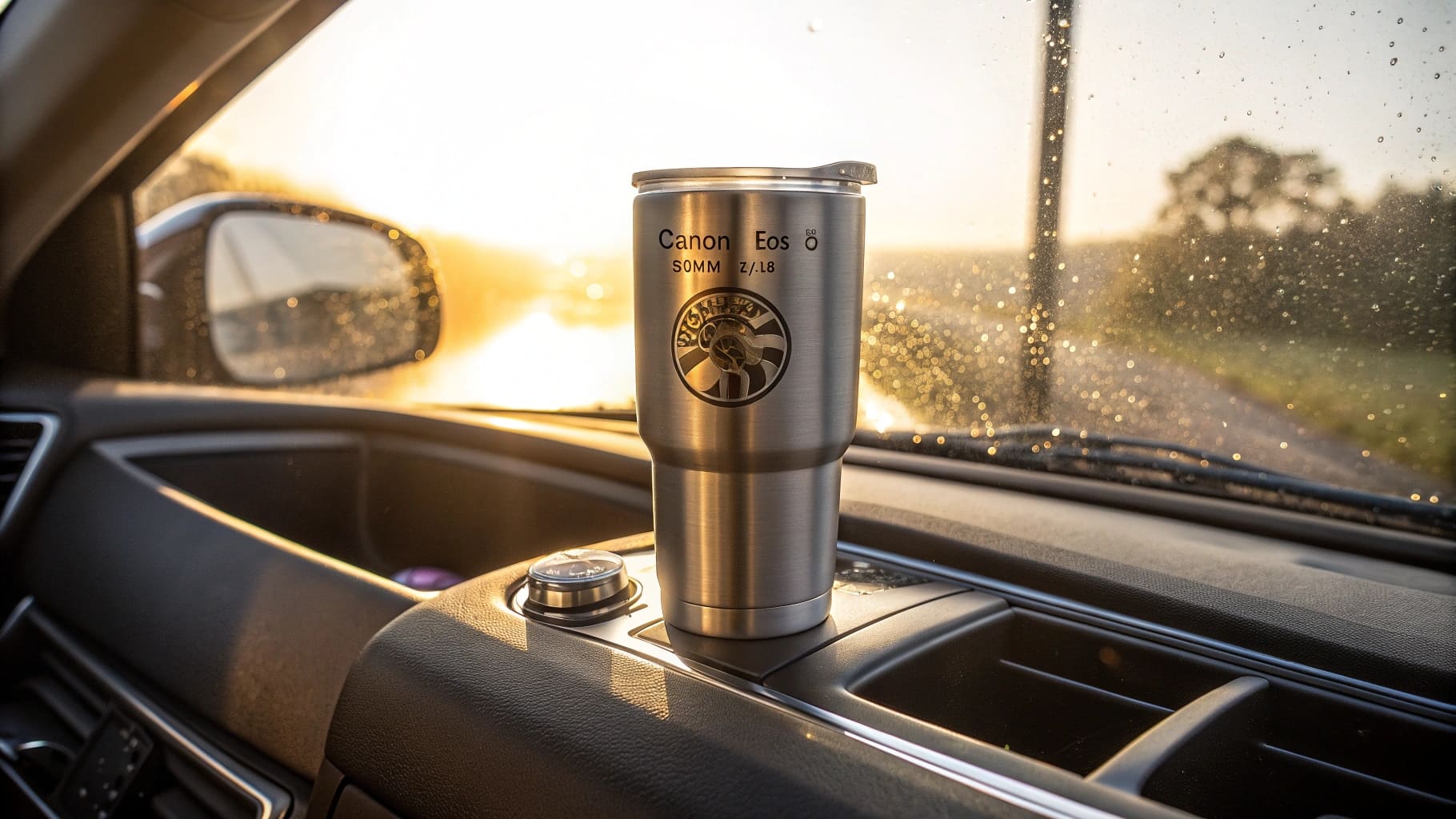
I source materials from three main factories in Guangdong province. They all recommend 316 for any marine application. The cost difference runs about 20-30% higher than 304. This seems expensive until you calculate replacement costs.
One American distributor shared his experience with me. He sold 304 cup holders to marinas across Florida. The return rate hit 40% within the first year. Customers complained about rust stains on their boats. He switched to 316 and returns dropped to under 2%.
The chemical composition explains why 316 performs better. The molybdenum creates a secondary defense layer. This stops chloride ions from reaching the base metal. Without molybdenum, 304's chromium oxide layer2 breaks down in salt spray.
| Feature | 304 Stainless | 316 Marine Grade |
|---|---|---|
| Chloride Resistance | Moderate | High |
| Pitting Resistance | Low | High |
| Crevice Corrosion | Susceptible | Resistant |
| Lifespan in Saltwater | 1-2 years | 10+ years |
| Cost per Unit | Lower | 20-30% Higher |
I've shipped thousands of marine cup holders to Canada and the United States. The clients who choose 316 never come back with complaints. The ones who tried saving money with 304 always reorder in 316 later. They learn this lesson the expensive way.
Which grade of stainless steel is most corrosion resistant?
316 stainless steel offers the highest corrosion resistance for marine cup holders. Exotic alloys exist with better protection. But their cost makes them impractical for most applications.
The molybdenum content determines corrosion resistance in chloride environments. Higher percentages provide stronger protection. 316 hits the sweet spot between performance and affordability.

Some manufacturers claim their 304 steel has special coatings for marine use. I test these claims regularly. The coatings wear off within months of saltwater exposure. The base metal then corrodes just like standard 304.
My factory tests use ASTM B117 salt spray standards. We place samples in a controlled chamber with 5% salt solution. The mist sprays continuously at 35°C. Real 316 steel shows no rust after 1000 hours. 304 fails around 200 hours.
Duplex stainless steels like 2205 resist corrosion even better than 316. These contain roughly 22% chromium and 5% nickel. The mixed microstructure gives superior strength. But they cost three times more than 316. Most boat owners don't need this level of protection for cup holders.
| Steel Type | Relative Cost | Corrosion Resistance | Practical for Cup Holders |
|---|---|---|---|
| 304 | 1.0x | Fair | No |
| 316 | 1.3x | Excellent | Yes |
| 316L | 1.3x | Excellent | Yes |
| 2205 Duplex | 3.0x | Superior | Overkill |
I always recommend 316 for marine cup holders. The performance justifies the price. Your brand reputation depends on products that last. Rust spots on a yacht look terrible and upset customers.
One client from Seattle taught me about brand damage. He supplied cup holders to a luxury boat manufacturer. The holders rusted during the first season. The boat builder dropped him as a supplier. He lost a $200,000 annual contract over a few dollars saved per unit.
Conclusion
316 stainless steel protects marine cup holders from saltwater corrosion. The molybdenum content makes all the difference. Don't risk your reputation with cheaper alternatives.
