
Leak-proof insulated bottles: gasket AQL levels and closure torque specs
You tighten the lid. You flip the bottle. Water seeps out. Your customer complains. Your brand reputation suffers. Most suppliers blame the gasket, but the real problem runs deeper.
The leak-proof performance of insulated bottles depends on two things: gasket quality control1 measured by AQL standards and closure torque specifications. These two factors work together to create a reliable seal that prevents leaks under real-world conditions.

I've worked with hundreds of B2B clients over the years. They all ask about leak-proof bottles, but few understand what makes one truly reliable. The answer lies not in marketing claims but in measurable engineering standards that most manufacturers overlook.
What Is the Most Leak-Proof Water Bottle?
You need a bottle for your brand. You search online. Every supplier claims their product is leak-proof. You order samples. Some leak. Some don't. You have no idea why.
The most leak-proof water bottle uses a multi-point sealing system with documented quality standards. This includes precision-machined threads, food-grade silicone gaskets2 tested to specific AQL levels, and closure torque specifications that ensure consistent sealing.

The Engineering Behind True Leak-Proof Performance
I need to explain what makes a bottle actually leak-proof. The answer has three main components.
First, the gasket material matters. Food-grade silicone works best because it maintains elasticity across temperature ranges. The durometer rating should fall between 40-60 Shore A. This range provides enough firmness to maintain shape while offering sufficient give to compress and seal properly.
Second, the thread design controls how the lid engages with the bottle body. Precision machining ensures threads align correctly. Thread pitch should remain consistent within 0.1mm tolerance. This allows the lid to rotate smoothly and reach the proper sealing position.
Third, the closure torque specification determines how tight the lid should be. Too loose and the gasket won't compress enough to seal. Too tight and you risk damaging the gasket or threads. The optimal range typically falls between 0.8-1.2 Newton-meters for standard water bottles.
| Component | Specification | Purpose |
|---|---|---|
| Gasket Material | Food-grade silicone, 40-60 Shore A | Maintains elasticity and seal |
| Thread Tolerance | ±0.1mm | Ensures proper lid engagement |
| Closure Torque | 0.8-1.2 Nm | Creates optimal gasket compression |
| AQL Level | 1.5 for critical defects | Controls gasket quality consistency |
I test this with every new client. We fill bottles with water. We add colored dye to spot even minor leaks. We flip them. We shake them. We leave them sideways overnight. The bottles with proper engineering pass. The others fail.
Does Insulated Mean Leak-Proof?
Your customer sees "vacuum insulated" on the bottle. They assume it won't leak. They put it in their bag. It leaks. They blame your brand. This happens because people confuse two different features.
Insulation and leak-proof performance are separate functions. Insulation keeps drinks hot or cold and prevents external condensation. Leak-proof performance comes from the closure system design. A bottle can be well-insulated but still leak if the sealing system fails.
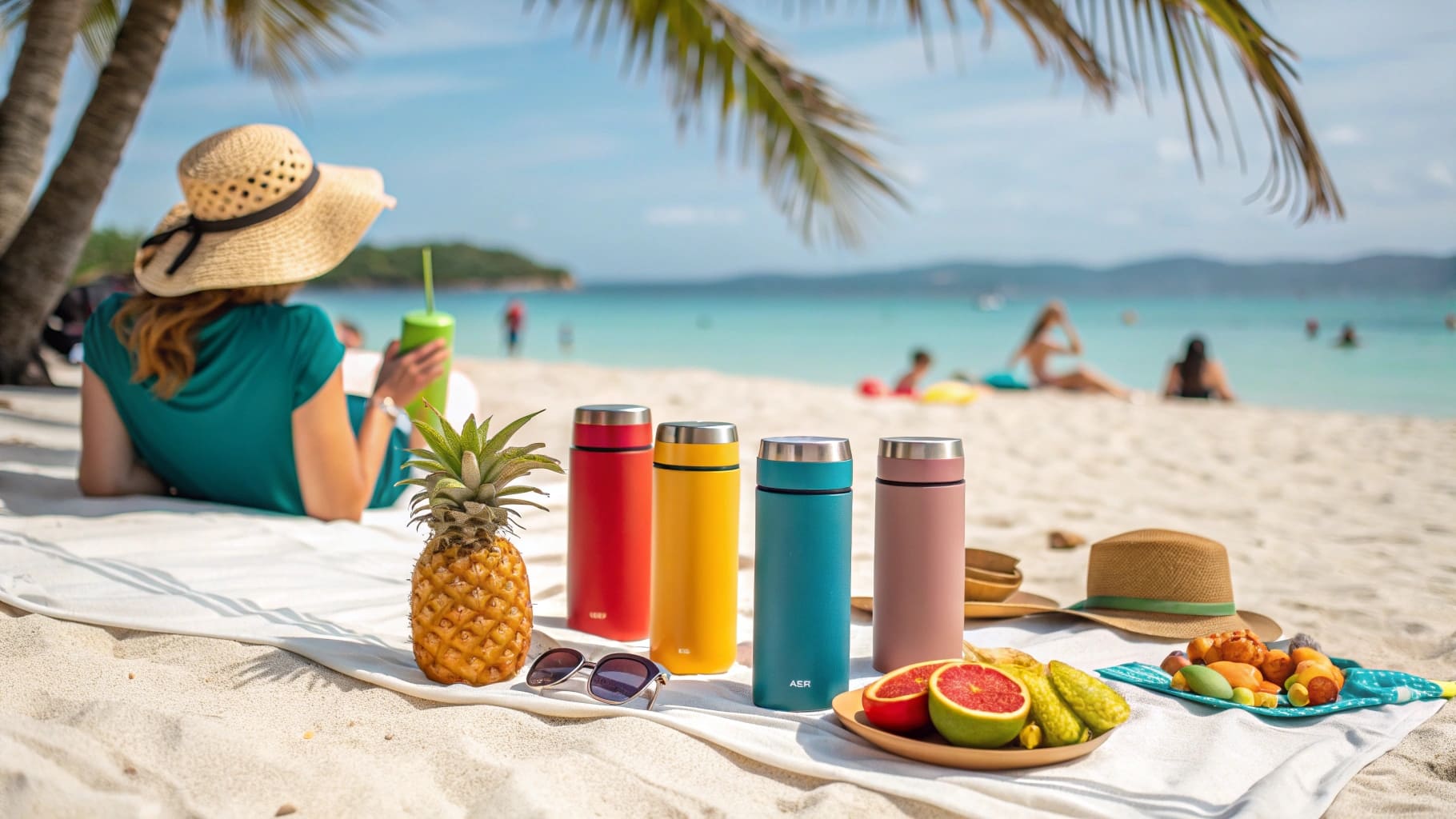
How Insulation and Sealing Systems Work Independently
I see this confusion constantly in my work. Buyers think vacuum insulation somehow prevents leaks. It doesn't work that way.
The insulation layer sits between the inner and outer walls of the bottle. This creates a vacuum space that blocks heat transfer. It keeps your coffee hot for 12 hours or your water cold for 24 hours. It also prevents condensation from forming on the outside surface when you put cold liquid inside.
But this insulation layer has nothing to do with stopping liquid from escaping through the lid opening. That job belongs entirely to the closure system.
The closure system has three parts. The threads on both the bottle neck and the lid interior. The gasket that sits in a groove on the lid. The physical compression force when you tighten the lid.
When you screw the lid onto the bottle, the threads pull the lid down. This pushes the gasket against the bottle rim. The gasket compresses and deforms slightly. This creates a continuous seal all the way around the opening.
The quality of this seal depends on manufacturing precision3. If the threads have inconsistent pitch, the lid won't tighten evenly. If the gasket material is too hard, it won't compress enough. If the bottle rim has burrs or uneven surfaces, gaps form in the seal.
| Feature | Primary Function | Secondary Benefits |
|---|---|---|
| Vacuum Insulation | Temperature retention | Prevents external condensation |
| Thread System | Lid alignment and closure | Distributes compression force |
| Gasket Seal | Prevents liquid escape | Maintains seal integrity over time |
I always tell my clients to test both features separately. Check insulation performance with temperature retention tests. Check leak-proof performance with pressure and orientation tests. Don't assume one guarantees the other.
Is Hydro Flask or Stanley Better?
You want to position your brand against the market leaders. You study Hydro Flask and Stanley. You wonder which one is actually better. The answer depends on what you're really measuring.
Both brands deliver reliable leak-proof performance because they maintain strict quality control over their sealing systems. The difference lies in their target markets and specific design choices rather than fundamental engineering superiority.
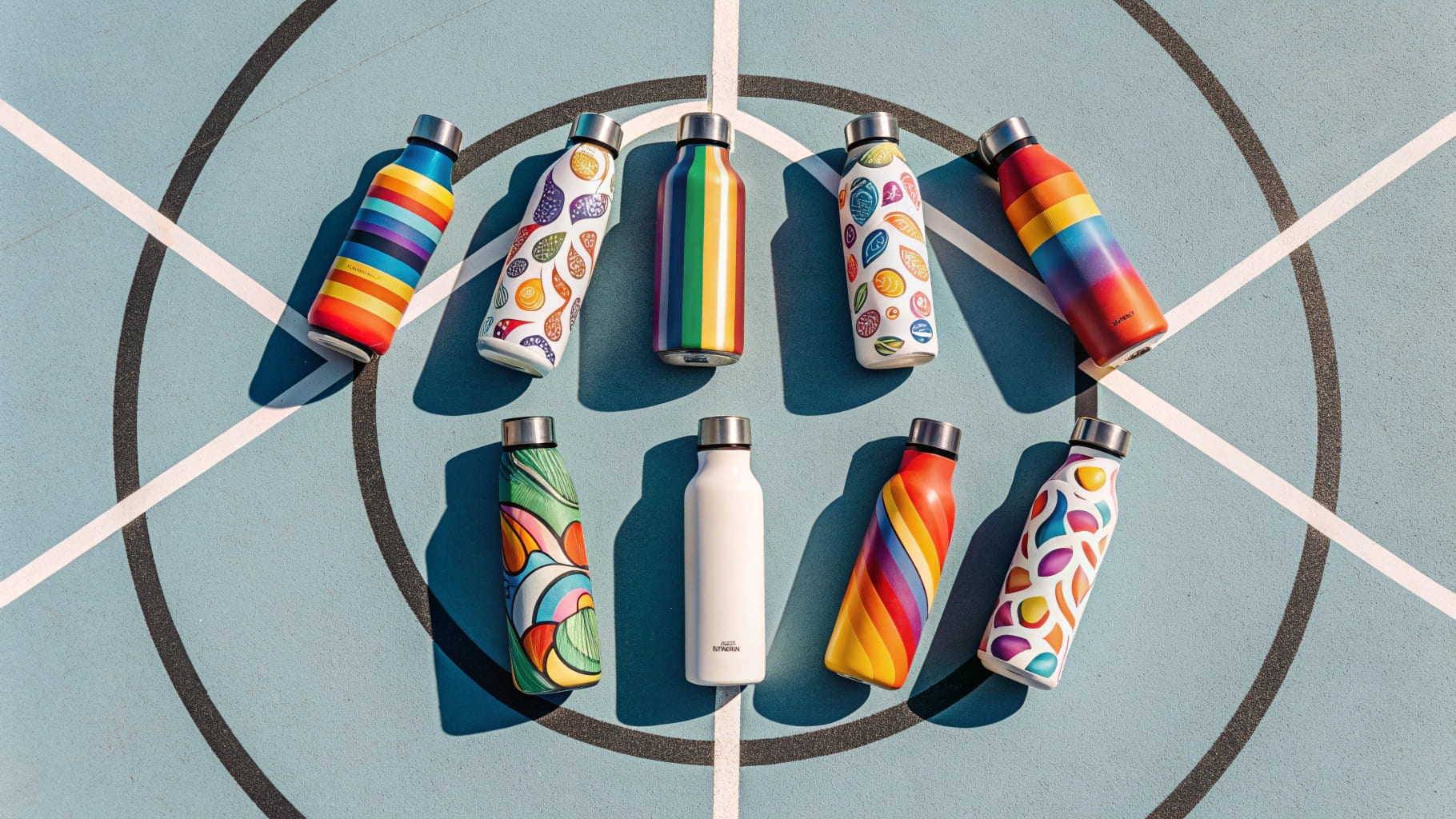
What Makes Premium Brands Consistently Leak-Proof
I've analyzed both brands extensively. I've even visited factories that produce similar products for other brands. The key difference between premium brands and budget alternatives comes down to quality control systems.
Premium brands specify exact AQL levels for every component. For gaskets, they typically use AQL 1.5 for critical defects and AQL 2.5 for major defects. This means they accept very low failure rates. Budget brands often skip AQL standards entirely or use looser tolerances like AQL 4.0.
They also document closure torque specifications. Premium brands test every lid design to determine the optimal torque range. They provide this specification to factories. They verify it during production with torque meters. Budget brands just tighten lids by hand and hope for the best.
Material selection separates premium from budget products too. Premium brands use certified food-grade silicone from known suppliers. They specify durometer ratings and require batch testing. Budget brands buy generic gaskets without material verification.
Thread precision makes a measurable difference. Premium brands machine threads to tight tolerances. They inspect thread pitch, depth, and surface finish. They reject parts that fall outside specifications. Budget brands accept wider variations that lead to inconsistent sealing.
| Quality Control Element | Premium Brand Standard | Budget Brand Practice |
|---|---|---|
| Gasket AQL Level | 1.5 (critical defects) | Often not specified |
| Torque Testing | Every design verified | Rarely documented |
| Silicone Certification | Required from supplier | Often skipped |
| Thread Tolerance | ±0.1mm or tighter | ±0.3mm or more |
| Leak Testing | 100% or statistical sampling | Spot checks only |
I help my B2B clients implement these same standards. You don't need to be Hydro Flask or Stanley to achieve leak-proof performance. You need to work with manufacturers who understand these specifications and can document their quality control processes.
The brands that win in the market are the ones that can prove their quality. They provide test reports. They share their specifications. They stand behind their products because they control the variables that matter.
When I source bottles for clients, I request specific documentation. I ask for gasket material certifications. I request thread tolerance reports. I require closure torque specifications. Suppliers who can provide these documents understand quality. Suppliers who can't are guessing.
Your brand doesn't compete on price alone. It competes on reliability. Leak-proof performance creates that reliability. And leak-proof performance comes from measurable engineering standards, not marketing promises.
Conclusion
Leak-proof insulated bottles require documented gasket AQL standards and precise closure torque specifications. Work with manufacturers who understand and control these critical variables to build a brand that customers trust.
-
Understanding gasket quality control is crucial for ensuring leak-proof performance in insulated bottles. ↩
-
Food-grade silicone gaskets are crucial for maintaining elasticity and ensuring a proper seal in insulated bottles. ↩
-
Manufacturing precision is essential for achieving consistent quality and performance in insulated bottles. ↩
