
Is a stainless steel water bottle suitable for both hot and cold in B2B?
I get this question from buyers all the time. They worry about product versatility. They want to know if one product can serve multiple customer needs.
Yes, stainless steel water bottles work for both hot and cold beverages. Double-wall vacuum insulation keeps cold drinks chilled for up to 24 hours and hot drinks warm for up to 12 hours. This dual functionality makes them ideal for B2B buyers targeting diverse market segments.
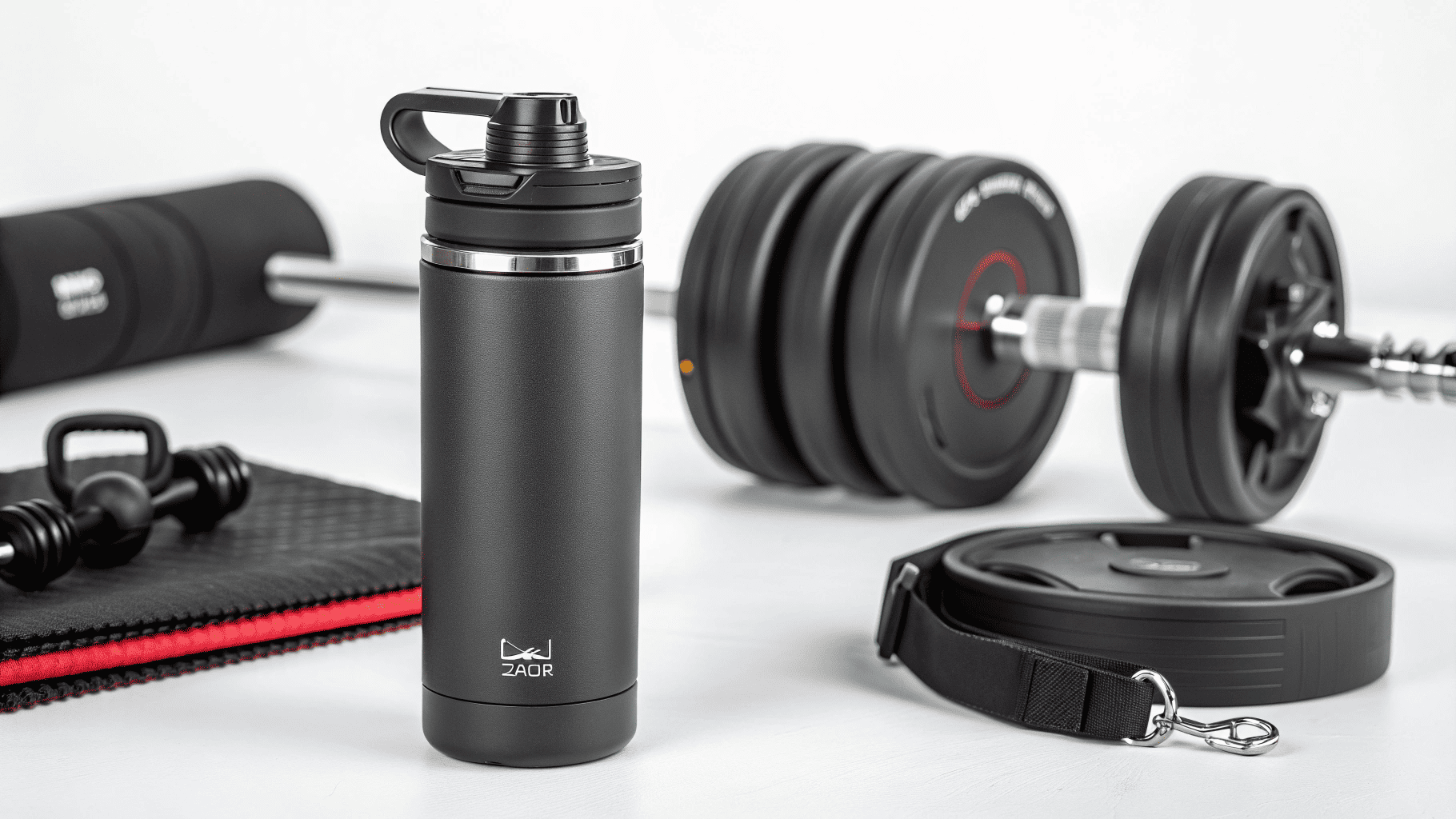
I remember when Mark first contacted me about this exact concern. He wanted to expand his product line but didn't want to manage separate inventories for hot and cold bottles. This is a common pain point I see with B2B buyers. You want to simplify your operations while maximizing market reach. Let me walk you through what I've learned from working with hundreds of buyers like you.
Does stainless steel keep things hot and cold?
Your customers expect performance. They pay premium prices for stainless steel bottles. They want results that justify the investment.
Stainless steel bottles with double-wall vacuum insulation1 maintain temperature effectively. The vacuum layer between the two steel walls blocks heat transfer. Cold drinks stay cold for 24 hours. Hot drinks stay hot for 12 hours. This performance standard meets most customer expectations.
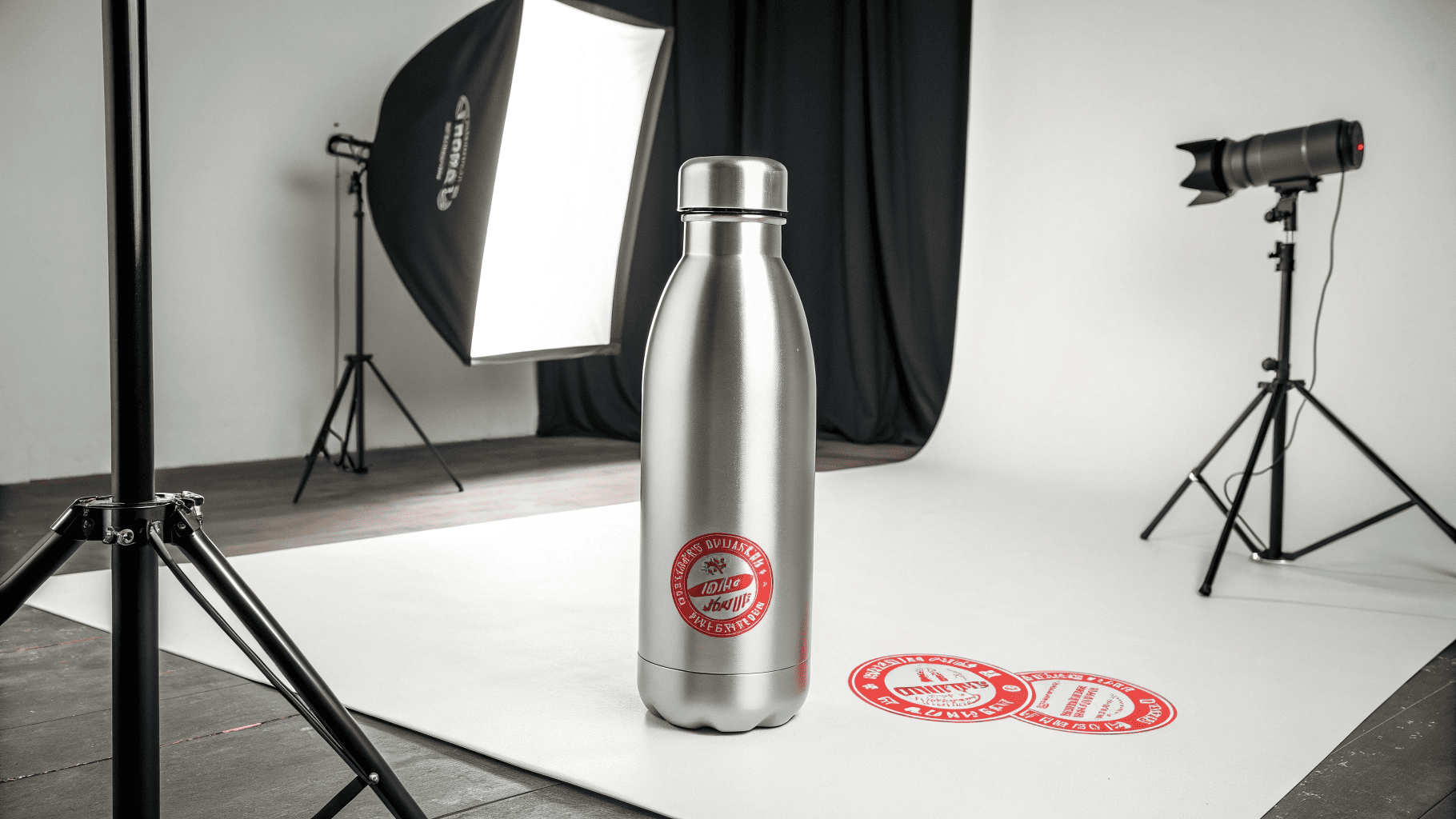
Understanding the insulation technology
The secret sits between the two walls. We create a vacuum space during manufacturing. This vacuum prevents heat from moving in or out. Think of it like a thermos you used as a kid. The same principle applies here. But modern stainless steel bottles do it better.
I send temperature test reports2 to all my buyers. We fill bottles with ice water at 4°C. We measure the temperature every 4 hours. After 24 hours, the water still measures below 10°C. For hot water, we start at 95°C. After 12 hours, it stays above 60°C. These numbers matter when you're making buying decisions.
The wall thickness affects performance too. We use 0.6mm for each wall in our standard bottles. Some factories cut costs by using thinner steel. This reduces insulation effectiveness. I've seen bottles with 0.4mm walls that lose temperature much faster. You get what you pay for in this industry.
| Temperature Type | Starting Temp | Duration | Ending Temp | Performance Standard |
|---|---|---|---|---|
| Cold Beverages | 4°C | 24 hours | Below 10°C | Industry benchmark |
| Hot Beverages | 95°C | 12 hours | Above 60°C | Industry benchmark |
The copper coating some factories add to the inner wall boosts performance by another 2-3 hours. This upgrade costs more but gives your product an edge. I recommend it for premium product lines targeting outdoor enthusiasts or professionals who need all-day temperature retention.
Is it safe to put hot water in a stainless steel bottle?
Safety concerns stop many buyers from promoting hot beverage use. You don't want liability issues. You need clear answers about material safety and heat resistance.
Food-grade 18/8 stainless steel handles hot water safely. This material contains 18% chromium and 8% nickel. It resists corrosion and doesn't leach chemicals. The material stays stable at temperatures up to 200°C. Your customers can use these bottles for any hot beverage without health risks.
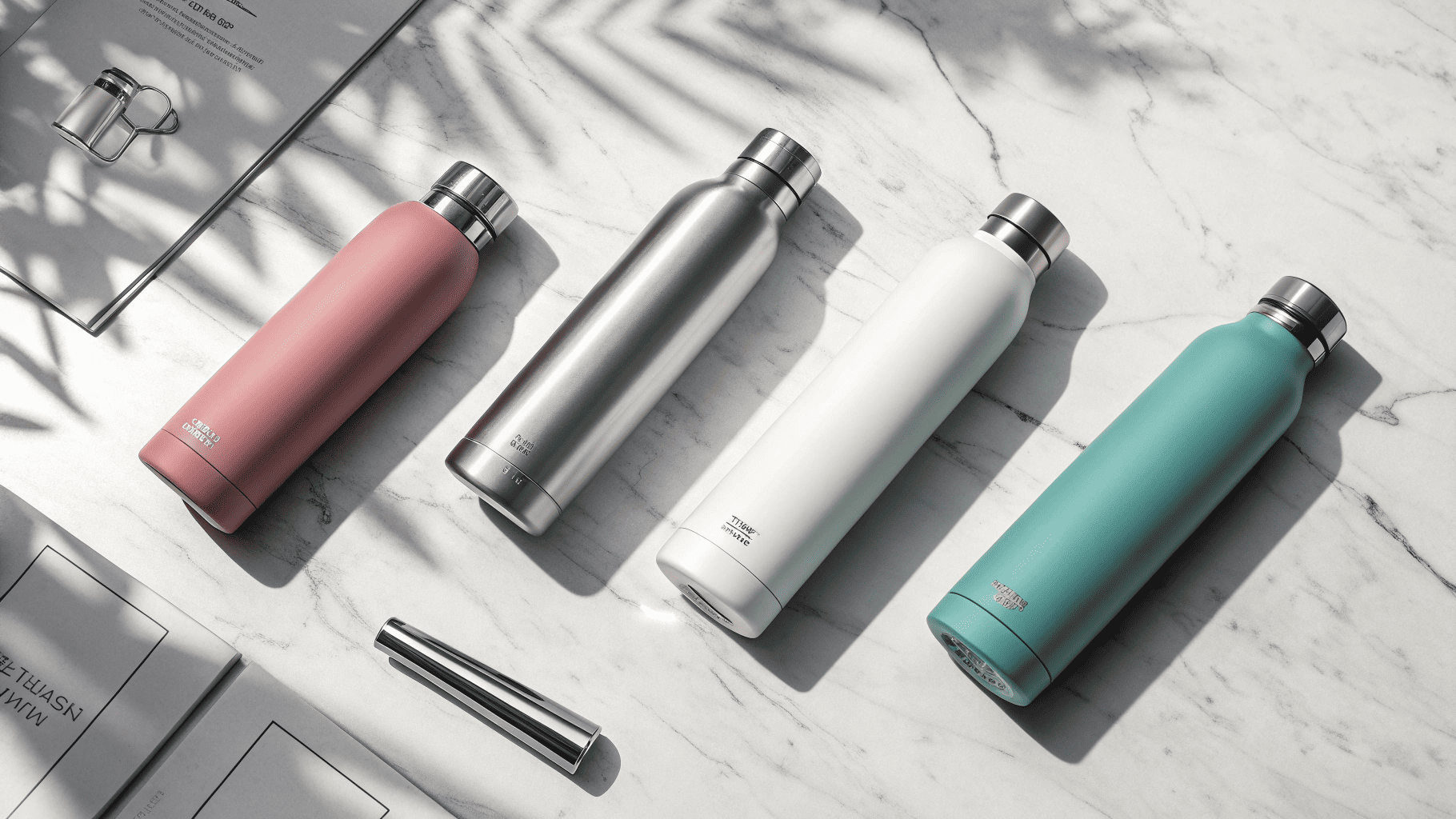
Material certification and testing standards
Every batch of steel we use comes with mill certificates. These documents prove the steel composition meets 304 stainless steel standards. I keep these certificates for three years. When buyers ask for proof, I send them immediately. This documentation protects you if customers question safety.
We test for heavy metals in every production run. Lead, cadmium, and mercury must show zero detection. The FDA requires these tests for products entering the US market. Europe has similar requirements under REACH regulations. I work with SGS and Intertek labs for these tests. The reports take two weeks and cost around $800 per batch. This expense is necessary for market access.
BPA concerns come up frequently. Stainless steel contains no BPA naturally. But plastic components like lids or seals might contain it. I source all plastic parts from certified BPA-free suppliers3. The silicone gaskets we use meet FDA and LFGB standards. These certifications matter for your brand reputation.
Temperature stress testing shows how materials perform under repeated heating and cooling. We fill bottles with boiling water, then immediately empty and fill with ice water. We repeat this cycle 100 times. The steel shouldn't deform, crack, or lose vacuum integrity. Quality bottles pass this test easily. Poor quality bottles fail within 20 cycles.
Can you use stainless steel for hot drinks?
Your customers want convenience. They need one bottle for coffee in the morning and cold water in the afternoon. Product versatility drives purchase decisions in consumer markets.
Yes, stainless steel bottles work perfectly for hot drinks like coffee, tea, or hot chocolate. The vacuum insulation keeps drinks hot without making the exterior too hot to hold. The wide mouth design in most bottles makes cleaning easy after using them for beverages with milk or sugar.
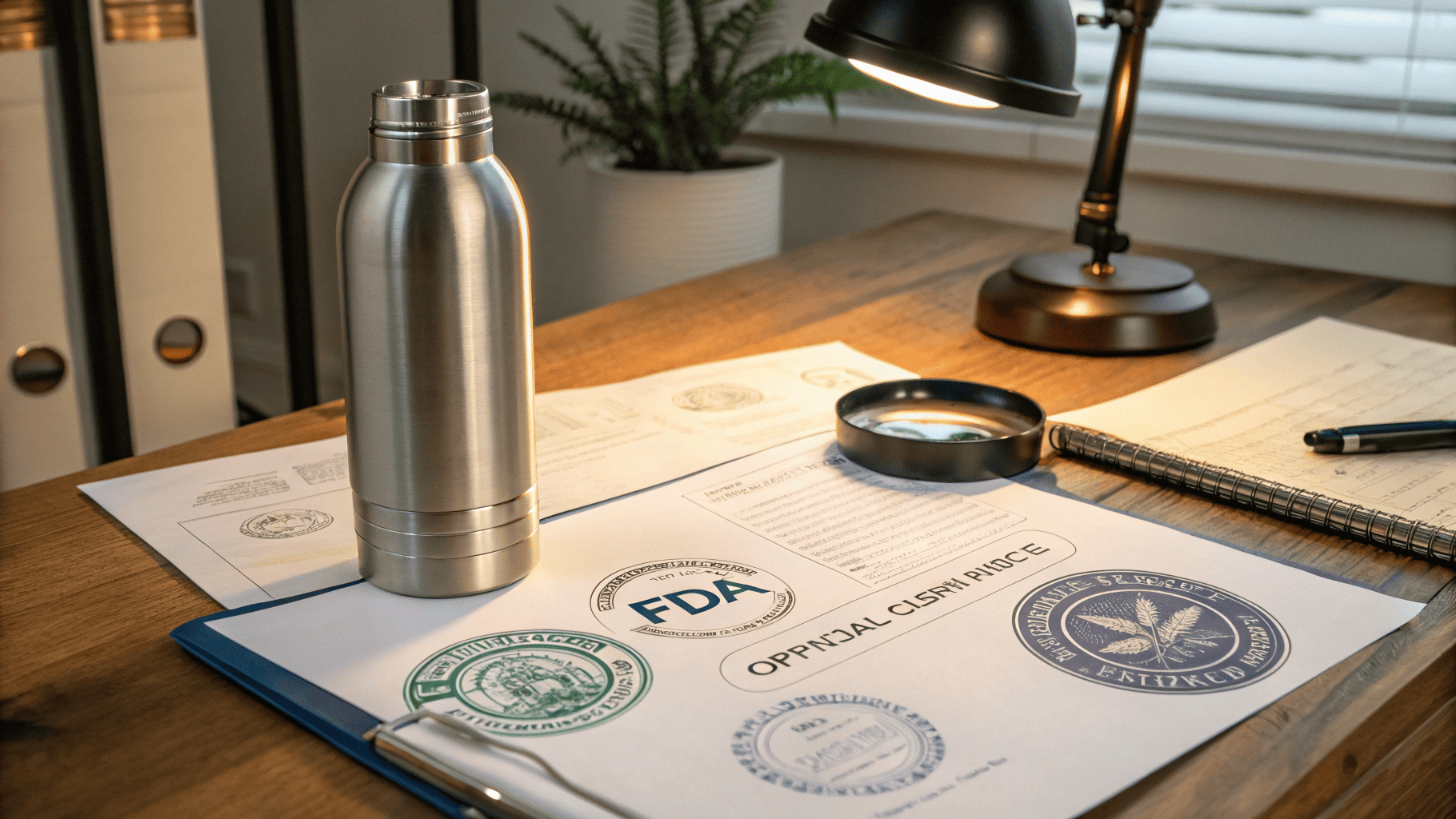
Design features that support hot beverage use
The mouth opening size affects hot drink usability. We offer three standard sizes. The 2-inch opening works for most beverages. The 2.4-inch opening fits ice cubes and makes cleaning easier. The 1.8-inch opening reduces heat loss but limits what you can pour in. I recommend the 2-inch opening for general purpose bottles targeting both hot and cold use.
Lid design matters more than people think. A good lid needs several features. It must seal completely to prevent leaks. It must release pressure safely when opening after holding hot liquids. It should be easy to open with one hand. The drinking spout should allow comfortable sips without burning lips. We've redesigned our lids three times in five years based on customer feedback.
Interior coating prevents flavor transfer and staining. Coffee leaves oils that affect taste. Tea causes staining over time. Our electropolishing process creates a super smooth interior surface. This finish prevents residue buildup and makes cleaning simple. Some buyers request copper lining4 for the interior. This adds cost but improves temperature retention by 10-15%.
[Personal story: I once had a buyer return a whole shipment because customers complained about coffee taste in water the next day. The factory had skipped the electropolishing step to save costs. This taught me to never compromise on interior finish quality.]
The powder coating on the exterior stays cool to touch even with hot contents. This coating acts as an insulator. You can hold a bottle filled with boiling water comfortably. We cure the powder coating at 200°C for 15 minutes. This process ensures durability and heat resistance. Cheap powder coating scratches easily and may emit odor when hot.
| Feature | Standard Spec | Premium Upgrade | Impact on Hot Drink Use |
|---|---|---|---|
| Mouth Opening | 2 inches | 2.4 inches | Easier filling and cleaning |
| Interior Finish | Electropolished | Copper-lined | Better taste, less staining |
| Lid Material | PP plastic | Stainless steel | Better heat retention |
| Exterior Coating | Standard powder | Premium powder | Better grip, heat protection |
The thread design on the bottle neck must prevent cross-threading. This problem causes leaks with hot liquids. We use 3-start threads that align easily. The tolerances stay within 0.1mm. Quality control checks every bottle before packing. I reject any bottles with thread defects because leaking hot coffee creates liability issues for buyers.
Conclusion
Stainless steel water bottles handle both hot and cold beverages effectively. This versatility reduces inventory complexity and maximizes market opportunities for B2B buyers seeking year-round product appeal.
-
Learn about the technology that keeps drinks hot or cold for hours. ↩
-
Understand the importance of temperature testing for product quality assurance. ↩
-
Learn about the significance of BPA-free materials in consumer products. ↩
-
Discover how copper lining improves temperature retention and product quality. ↩